
 Man Utd
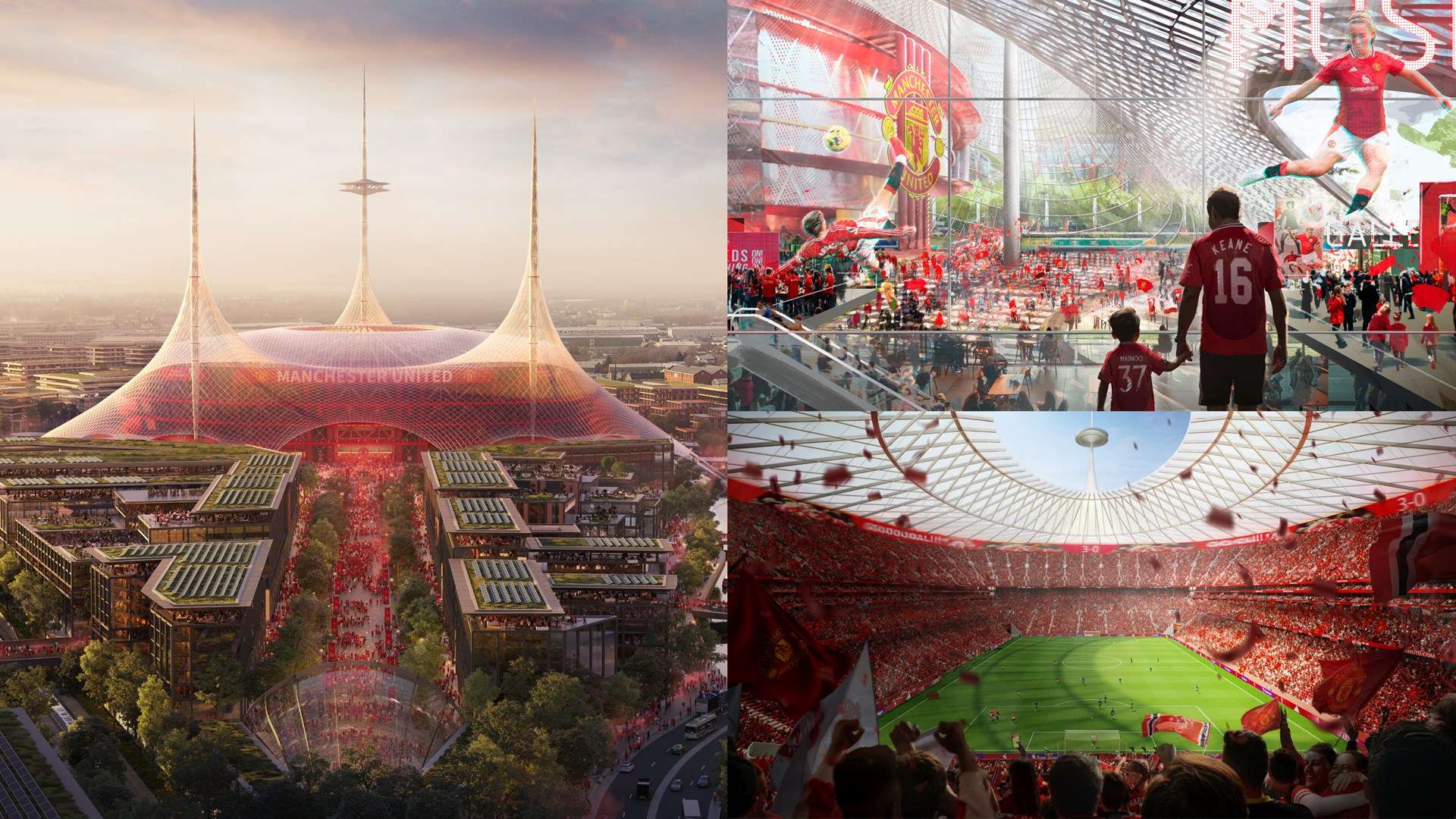
Man Utd provide stadium update as Red Devils reveal £2bn financing plan for 100,000-seater 'Wembley of the North'
 AFP
AFPGovernment support needed for transport links
While the £2bn construction cost falls squarely on the club, they are actively urging the Government to assist with the surrounding transport networks. Roche emphasised that public cooperation is vital to properly integrate the arena into the city's infrastructure. She explained: "There is no point building the biggest or the best stadium in the UK and it being on an island and you can't get to it because the transport links aren't there or people can't come on non-matchday or local businesses can't be part of it. Our ask of the Government is that they support, not the stadium build, but really support the infrastructure and regeneration of the area. We understand the stadium is our responsibility. We want to provide a great stadium for our fans. We will pay the £2bn to do that."
 Getty Images Sport
Boosting the local economy and restoring prestige
The urgency to deliver this vision is driven by the decline of Old Trafford, which was recently overlooked for Euro 2028 in favour of Manchester City's Etihad Stadium - a snub Gary Neville famously labelled "an all-time low". The new development aims to restore the club's status on the world stage while serving as a massive economic catalyst for the region. The broader regeneration district is expected to create 90,000 jobs and deliver thousands of new homes. With enormous interest from global investors, the hierarchy remains confident that their historic ambitions are well on track.
ENJOYED THIS STORY?
Add GOAL.com as a preferred source on Google to see more of our reporting

