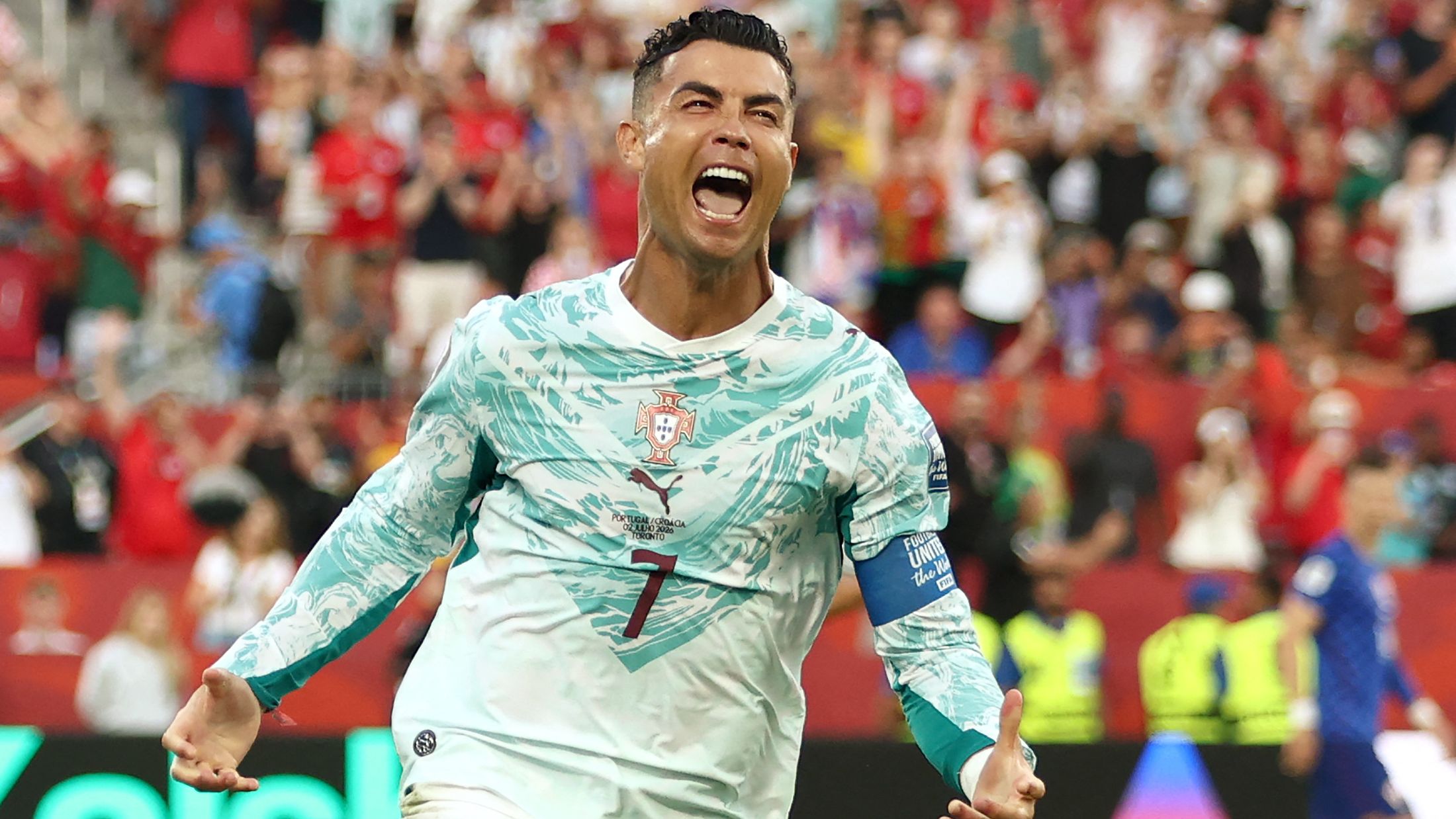
크리스티아누 호날두 (Cristiano Ronaldo)Getty Images

Translated by

Bitter disappointment: Ronaldo leads the worst XI at the World Cup

The 2026 World Cup produced stars who shone in remarkable fashion. It also served up its share of flops.

Bleacher Report have picked out the tournament's most disappointing line-up, singling out the players who fell short of the hype surrounding them. You can read their full selection here.

In the dugout sits Spaniard Roberto Martinez. He led Portugal to an early exit in the round of 16, beaten by a Spain side who went on to lift the trophy.

  • Manuel NeuerGetty

    Goalkeeper: Manuel Neuer

    Manuel Neuer's return from international retirement to play for Germany at this year's World Cup handed the 2014 champions a major boost.

    His experience, leadership and unique talent as a sweeper-keeper were expected to strengthen a side yet to settle on a clear successor among the contenders.

    Neuer's World Cup began with a goal conceded against Curaçao, the deflected ball squirming past his weak hand and into the net. He then left his goal empty in front of Côte d'Ivoire's shot in Germany's 2-1 win. Gonzalo Plata beat him to the ball in the final group-stage match, handing Ecuador a historic victory.

    Yes, Neuer saved a penalty against Paraguay in the round-of-32 defeat. But his aura had faded.

  • Advertisement
  • France v Spain: Semi Final - FIFA World Cup 2026Getty Images Sport

    Defence: Reece James, Gabriel Magalhães, Jonathan Tah, Lucas Digne

    Right-back: Reece James

    This assessment may be a little harsh, but in terms of dashed expectations, Reece James ranks highly for one simple reason: his physical problems limited him to just 318 minutes out of a possible 720.

    England paid the price. They plugged the gap at right-back with a string of players, some of them out of position. Spence, Declan Rice, Ezri Konsa and Jarell Quansah all had a turn there, some more convincingly than others.

    Centre-back: Gabriel

    Brazil will look back on this tournament with plenty of regret, but centre-back Gabriel may carry the greatest share of it.

    The Brazilian defender struggled to cover space. His positioning was poor for Ismael Saibari's opening goal for Morocco in the group stage, and the knockout rounds punished his decision to back off Kaishu Sano of Japan.

    For many, though, the worst moment of his tournament came as Norway and his old rival Erling Haaland dumped Brazil out. Yes, the cross came in far too easily. Brazil were poor across the board, and they would probably have gone out even had Gabriel defended better in that instant. 

    But the way he backed off as the ball came in, gifting Haaland a free header, was a fatal error at a decisive moment in one of the best individual battles the sport has to offer.

    Centre-back: Jonathan Tah 

    Germany disappointed as a whole, yet centre-back Jonathan Tah perhaps left the most enduring image of the Machines' failure.

    In the round of 32 against Paraguay, Tah, who had never taken a single penalty in his career, stepped up to take the first in sudden death. 

    He blazed it high over the bar and sealed an early, shock exit for his country. Across four matches he made only three successful tackles, was dribbled past twice, and never once helped Germany keep a clean sheet, not even against Curaçao.

    Left-back: Lucas Digne

    France gave critics little to work with before the tournament, but the left-back position was a question mark.

    Lucas Digne has had a wonderful career. The 33-year-old lacks the star quality of many of his team-mates, though, and he has never been rated an elite defender.

    For a side that looked unstoppable for most of the tournament, that weakness in Digne's game proved a decisive factor in their downfall. 

    His poor touch inside his own box, his lack of awareness, and the reckless challenge that brought down Spain's Lamine Yamal to concede a penalty in the semi-final all proved as much.
  • Uruguay v Spain: Group H - FIFA World Cup 2026Getty Images Sport

    Midfield: Valverde – Vitinha – Leroy Sané

    Central midfield: Fede Valverde

    Uruguay's captain entered the World Cup amid a tense atmosphere, following a row with his Real Madrid teammate Aurelien Tchouameni.

    If Valverde was hoping to escape the drama, the Uruguay camp was the wrong place to be.

    According to The Guardian, there were problems on the training pitch, disagreements with manager Marcelo Bielsa over the line-up and tactics, and a general reluctance among some players to sit through the Argentine's lengthy team meetings.

    Valverde never found his best form. His passes went astray and he made no mark on the scoresheet from midfield.

    Bielsa hauled him off after 57 minutes in the final group-stage match against Spain.

    Central midfield: Vitinha 

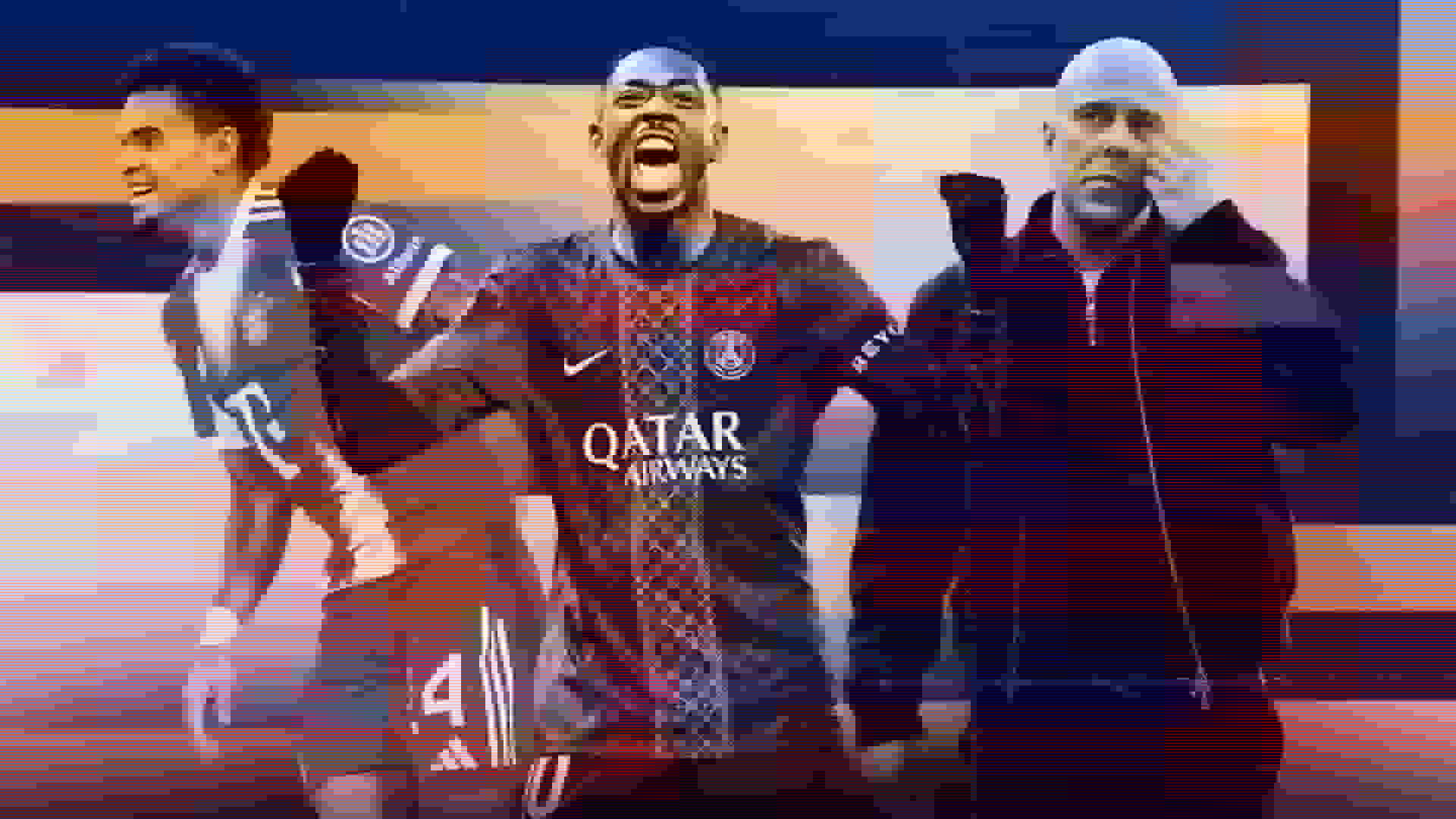
    Vitinha's decline was the most striking. He wore himself out trying to influence matches, and failed to be the passing outlet he so often is with Paris Saint-Germain.

    Manager Martinez picked a disorganised side that prioritised feeding Cristiano Ronaldo the ball at the expense of what was best for the team. Vitinha's substitution before the end of every match confirmed the pattern.

    For a player of his stature to struggle throughout the matches and then be sacrificed at the most important moments is a disappointing end to a brilliant season for the 26-year-old.

    Attacking midfield: Leroy Sane      

    Slotting players into their natural positions in these line-ups is not always easy, so Leroy Sane takes the attacking midfield role. Leaving him out would have been unforgivable.

    Germany may have crushed Curacao 7-1 in their opening match, but Die Mannschaft could have scored 15 goals were it not for Sane's wayward shots, his poor decision-making, and his general disconnection from the rest of the team.

    An extremely poor performance against Ivory Coast followed, and he was withdrawn after an hour.

    Nagelsmann had good reason to try another option on the right wing against Ecuador, yet the coach kept Sane in the starting XI. 

    A goal rewarded that trust. Then the player soon reverted to his disappointing style in the round-of-32 exit against Paraguay.

  • ENJOYED THIS STORY?

    Add GOAL.com as a preferred source on Google to see more of our reporting

    Add as preferred source on Google
  • 크리스티아누 호날두 (Cristiano Ronaldo)Getty Images

    Attack: Yan Diomande, Noni Madueke, Cristiano Ronaldo

    Left wing: Yan Diomande 

    Yan Diomande walked into his first tournament with Paris Saint-Germain and Liverpool locked in a heated battle for his signature.

    He started all four of the Ivory Coast's matches and set up a goal in the 2-0 win over Curaçao. 

    Effort was never the problem. His end product was. And the more experienced Amad Diallo left him firmly in the shade. 

    Right wing: Noni Madueke

    Plenty of potential England managers would never have taken Noni Madueke to the World Cup.

    Three goals and one assist in 26 Premier League matches with Arsenal hardly inspire absolute confidence, yet Madueke's role deputising for Saka at the Emirates Stadium earned him Thomas Tuchel's trust to make the trip.

    Saka managed just 237 minutes across eight matches before England's third-place play-off. In that time he created three goals and drove the classic win over Mexico.

    Madueke, by contrast, started five matches, contributed to no goals, and wasted an opportunity that should never have landed in his lap.

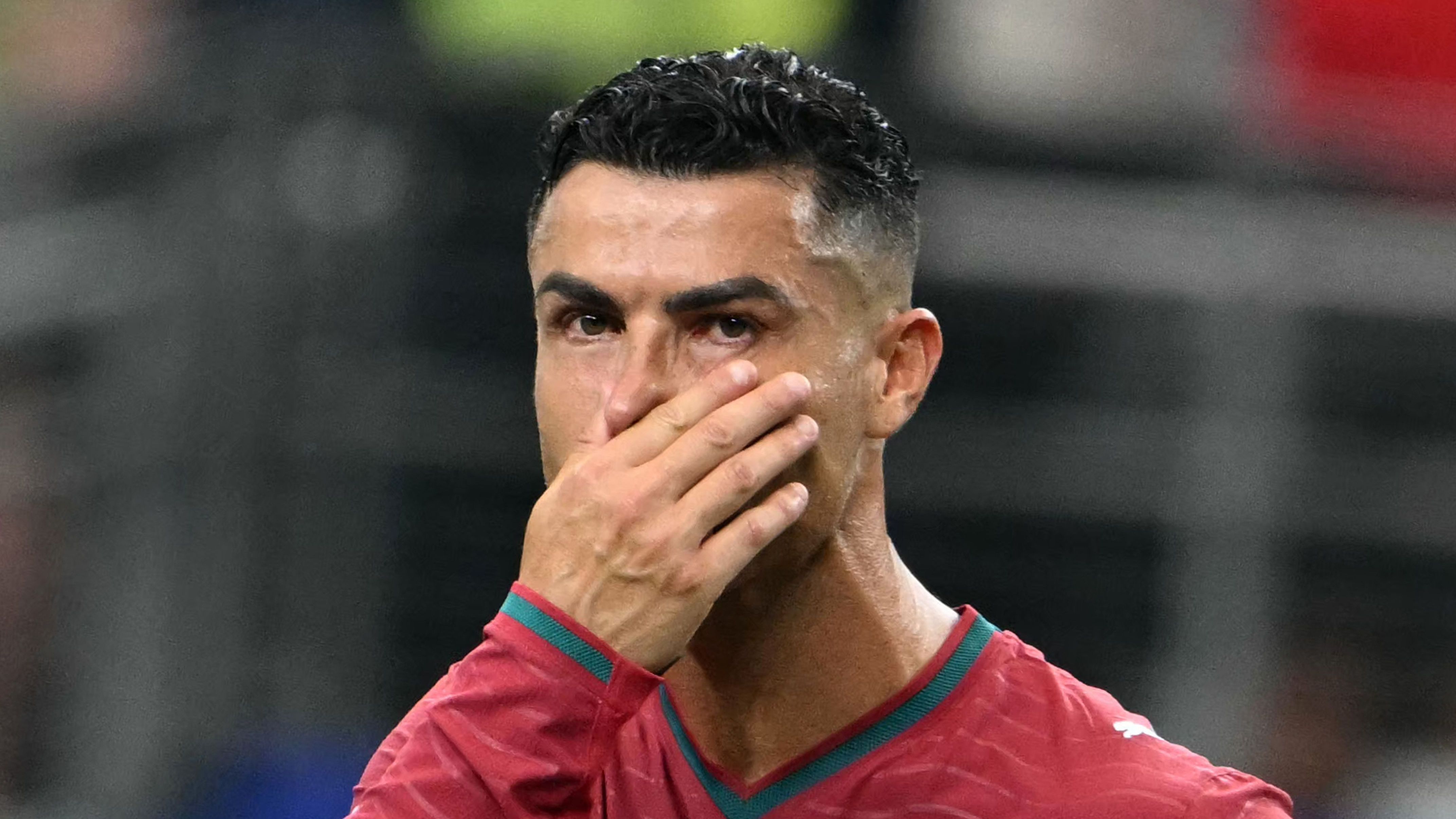
    Centre-forward: Cristiano Ronaldo

    The central figure of a hugely disappointing Portugal side, Cristiano Ronaldo picks himself here. 

    So much of Portugal's play was built around Ronaldo, and three goals is a meagre return for that strategy.

    His place in the team is one of the biggest "what if" question marks of the tournament, especially after his replacement, Gonçalo Ramos, came on for him against Croatia and scored the winner.

    Flip their roles. Ramos plays most of the minutes, Ronaldo comes on as a super-sub. Would things have been different for Portugal?