
FBL-ENG-PR-NEWCASTLE-MAN CITYAFP

Translated by

A decision to reveal the hidden truth: why did Guardiola flee the hell of Italy?

Pep Guardiola's decision to turn down the Italy job was about far more than one man's career move. It laid bare the problems that have dogged the Azzurri for years, and reopened the questions over why one of the world's greatest teams has slipped so far, missing out on the World Cup for a third time running.

The Italian Football Federation had made Guardiola their first-choice candidate to lead the national side, banking on the Spaniard to restore lost prestige. He said no. Attention then shifted towards other, less glamorous options.

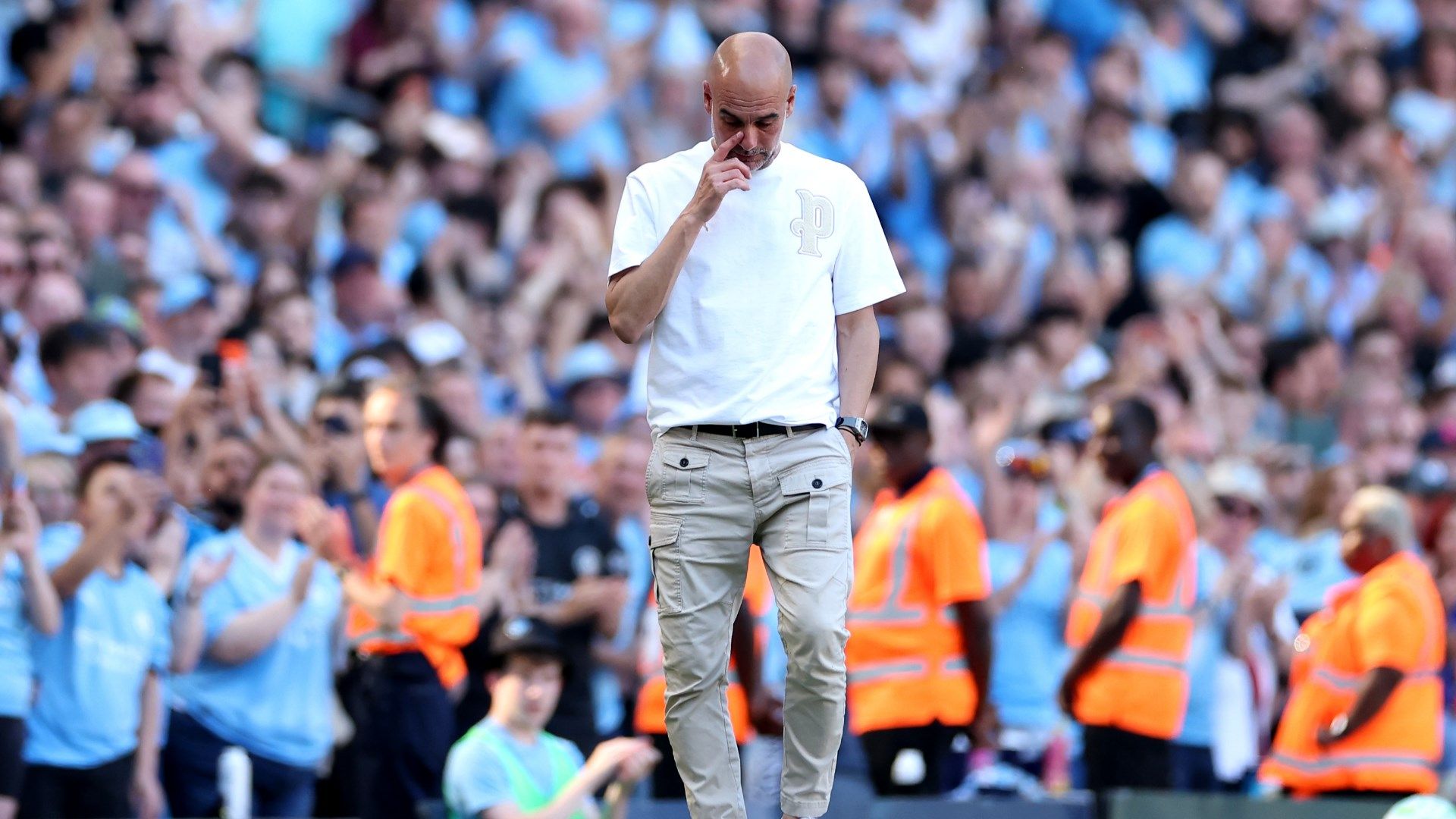
  • FBL-ENG-PR-MAN CITY-PARADE-FACUP-LCUPAFP

    Tools that do not suit Guardiola's ideas

    Anyone who understands Guardiola's philosophy knows he won't take on a project without the right tools to deliver it. The Spanish coach leans on the quality of his players, their ability to keep the ball and control the tempo of a match, and that demands footballers of exceptional skill above all else.

    Italy's current reality tells a very different story. The talent has thinned out, and Serie A no longer produces the same number of players capable of leading a modern footballing project. That makes applying Guardiola's ideas an extremely complex task.

    His greatest successes have never come by accident. They arrived with exceptional generations, starting with the Barcelona of Xavi, Iniesta and Messi, running through a star-studded Bayern Munich, and reaching Manchester City, where he got everything he wanted in signings and resources.

  • Advertisement
  • Pep Guardiola Manchester CityGetty

    A crisis deeper than the manager's name

    Italy's problems run deeper than a shortage of talent. They extend to the way the whole project is run. For years the Italian federation has lurched from one muddled technical decision to the next, and the national team's results have paid the price.

    Read also: End of the debate: Rodri puts one foot in Real Madrid

    Once Guardiola turned them down, the federation turned to Andrea Pirlo. His coaching experience remains limited, and he has yet to win the honours that would justify handing him a national side of Italy's stature during one of the darkest spells in the country's footballing history.

    That decision lays bare the scale of the crisis inside the federation. The problem isn't the coach. It's the absence of a clear plan to rebuild the national team on solid foundations.

  • Two philosophies that do not meet

    Then there's the tactical dimension. Italian football has historically been built on defensive discipline, organisation and pragmatic game management. Guardiola represents an entirely different school, one that thrives on total possession, high pressing and building from the back, carrying considerable risk at every phase.

    Pep has spent years refining these ideas, but applying them demands players who believe in them and can execute them. That may be exactly what the current Italy squad lacks.

    Guardiola, then, did not reject the name of Italy so much as the circumstances surrounding it. He remains convinced that success requires an integrated project, one that begins with the management, runs through the talent and ends with the coach, not the other way around.

  • ENJOYED THIS STORY?

    Add GOAL.com as a preferred source on Google to see more of our reporting

    Add as preferred source on Google