
Rhode Island vs Colorado SpringsUSL

Playoff drama, increased attendance, and expansion continues: Key reflections from 2024 USL Championship season

Another USL Championship has come to a conclusion, and with it, heightened energy around the league. It seems that with every year the league gets bigger and bigger. It's not just more teams, more fans and more visibility. Rather, there's a prevailing sense that this thing - once regarded merely as a second tier of American soccer - is now a greatly improved product.

Those involved, such as Oliver Wyss, USL head of global football development, suggest that the league is now MLS adjacent, and exists in its own sporting universe. Not everyone would subscribe to that theory, but In truth, this is more about a growing league that keeps getting better. And after a gripping 3-0 win for Colorado Springs Switchbacks over upstarts Rhode Island FC in front of a packed stadium last Saturday, one thing remains clear: there's so much potential here.

GOAL US takes a look at the 2024 USL Championship season after a campaign that was as eye-raising as it was gripping.
  • Playoff chaos

    How do you spin a product that the wider consciousness of American soccer doesn't know enough about? For one, you can make it really good - and loads of fun. To be clear, the USL did not hire private scriptwriters for their playoffs. This whole thing wasn't staged. But there was plenty of drama to be found.

    In the East, Rhode Island FC were the real story. They bounced top seeded Louisville City, 3-0. Second placed Charleston Battery also lost to the upstart side. This was their inaugural season, and they made it to the championship game. And although they were outplayed on the day, they had every chance of becoming the first ever team to win USL in their maiden campaign.

    But it wasn't just them. Sixth-seeded Tampa Bay Rowdies knocked No. 3 Detroit City out - and came within seven minutes of making it even further. Orange County SC beat Memphis. Meanwhile, Las Vegas Lights - on the back of the statistically worst season in league history - advanced to the Western Conference final, and played eventual champions Colorado Switchbacks close.

    It is admittedly uncommon in playoff sports for the two best teams to meet in the final. This year's iteration was the perfect example of that.

  • Advertisement
  • Indy Eleven Louisville City USLEM Dash Photography

    Fans, fans and more fans

    American soccer culture can be a confusing thing. For a long time, it was fiercely top heavy, with fans loyal to the USMNT and the Premier League - and caring for little outside of that. The advent and subsequent growth of MLS changed things for the better. And USL has really taken this thing to the next level.

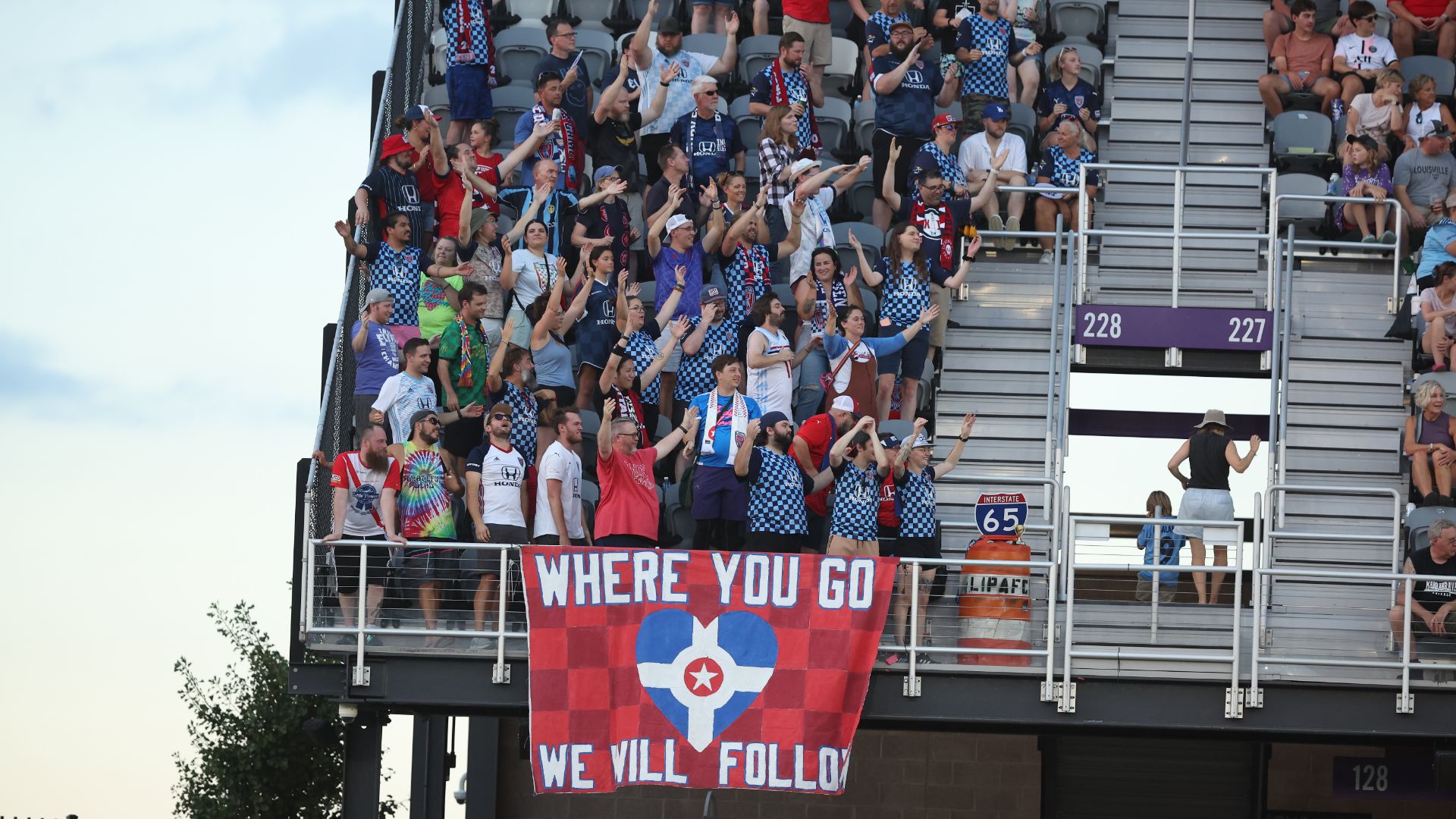
    What started with hundreds of fans in stadiums has now grown to thousands. Playoff games across the league were routinely sold out. These are now far more than just a day out for the family. Supporter culture is real.

    The numbers back that up. A total of 2,124,290 fans attended games this season, according to the league. Playoff attendance was up nearly 10 percent. Meanwhile, TV deals with CBS and ESPN made the league more accessible than ever. The final itself was an immense success, with a record 431,000 fans tuning in to watch Colorado play Rhode Island on national TV, the league announced.

    And with increased sponsorship revenue, it will continue to expand. There's an online and social media subculture growing, too. Eye-catching kits and marketable merch make USL, well, cool.

  • Nick Markanich Charleston Battery 2024Michael Wiser/Charleston Battery

    An increased standard

    One only has to look at the list of exports to see where the USL is heading. These days, one or two of the top players from the league go to Europe every year, with clubs negotiating smart transfer fees and generous sell-on clauses to make it all happen. This year, the standout was, of course, Nick Markanich. The Charleston Battery forward broke the USL goalscoring record, and ended the season with 28 goals in all competitions. It only made sense that, when a number of clubs came knocking, he chose Spain. Markanich is on his way to CD Castellon, and will play in the Spanish second division starting in January.

    USL views those kinds of moves as a priority.

    “In the global game, player transfers, and looking at players as assets is very important," Wyss, told GOAL. "And I think it’s very clear that our owners are embracing that."

    But it's not just the top level where players are getting better. This is a league-wide thing, with smart investment lifting teams to relevance. The Lights, miserable last year and two wins from the title this season, stand as a perfect example.

  • Rhode Island FCImagn

    Expansion offers hope

    RIFC enjoyed immense success in their first season in the league. Expectations from manager Khano Smith were limited, yet they rallied from 11th in June to an appearance in the final. First-season glory was elusive, but the standard has been set. And in the coming years, more clubs will look to challenge - or better - their results. Lexington Sporting Club are next, and will join the league in 2025. Buffalo, New York, is set to add a team by 2026. It was announced last week that Dallas will have a club by 2027.

    Look lower down the pyramid, and things are happening. The wonderfully-named FC Bigfoot will join USL League 2 in 2025. Portland Hearts of Pine, and Naples FC are set to play in League 1 next year. New teams are popping up every year, everywhere, and with a massive player pool to tap into, this thing can only get bigger.

  • Don Garber MLSGetty Images

    US Open Cup questions

    Still, some questions remain. MLS expanded the oft-maligned Leagues Cup last year, and although the league made a point of saying that it didn't want to end the U.S. Open Cup, the fact that only eight MLS clubs participated in the tournament showed that an institution of American soccer might be nearing its end days.

    The rhetoric has changed. MLS Comissioner Don Garber reassured fans that the Open Cup remains a priority for the league, and the importance of the football pyramid in North America will always be emphasized. Still, with Leagues Cup unlikely to go anywhere, and the casual attitude taken towards both tournaments from MLS clubs, it could be a tricky thing to navigate in the coming years.

    The addition of MLS Next Pro sides could add further difficulties. Those teams - effectively youth academies of MLS clubs - will presumably bring in fewer fans and therefore less revenue. If the goal here was not only competition but also cash, its value would seem to have taken a significant hit.

    Despite that, Open Cup still proved to be a fruitful forum of success for USL, with three teams from the league playing in the quarterfinals. There is still some jeopardy to be found. "Cupsets" remained alive in 2024.

  • FC dallas Memphis 901Getty

    Teams folding

    For all of the optimism surrounding USL, there are a few reasons for concern. Franchises, in general, are doing well. Fans care and on-field success can only help.

    But the story is more bleak, in some cases. Memphis 901, founded in 2018, folded this year after being unable to build a soccer-specific stadium. Their rights have been bought by Santa Barbara, and they will be rebranded Santa Barbara Sky. There are concerns, too, that a potential arrival of an MLS club in Indianapolis could endanger the future of Indy Eleven. Clubs may be rooted deep within their communities, but this is a simultaneously precarious league.