

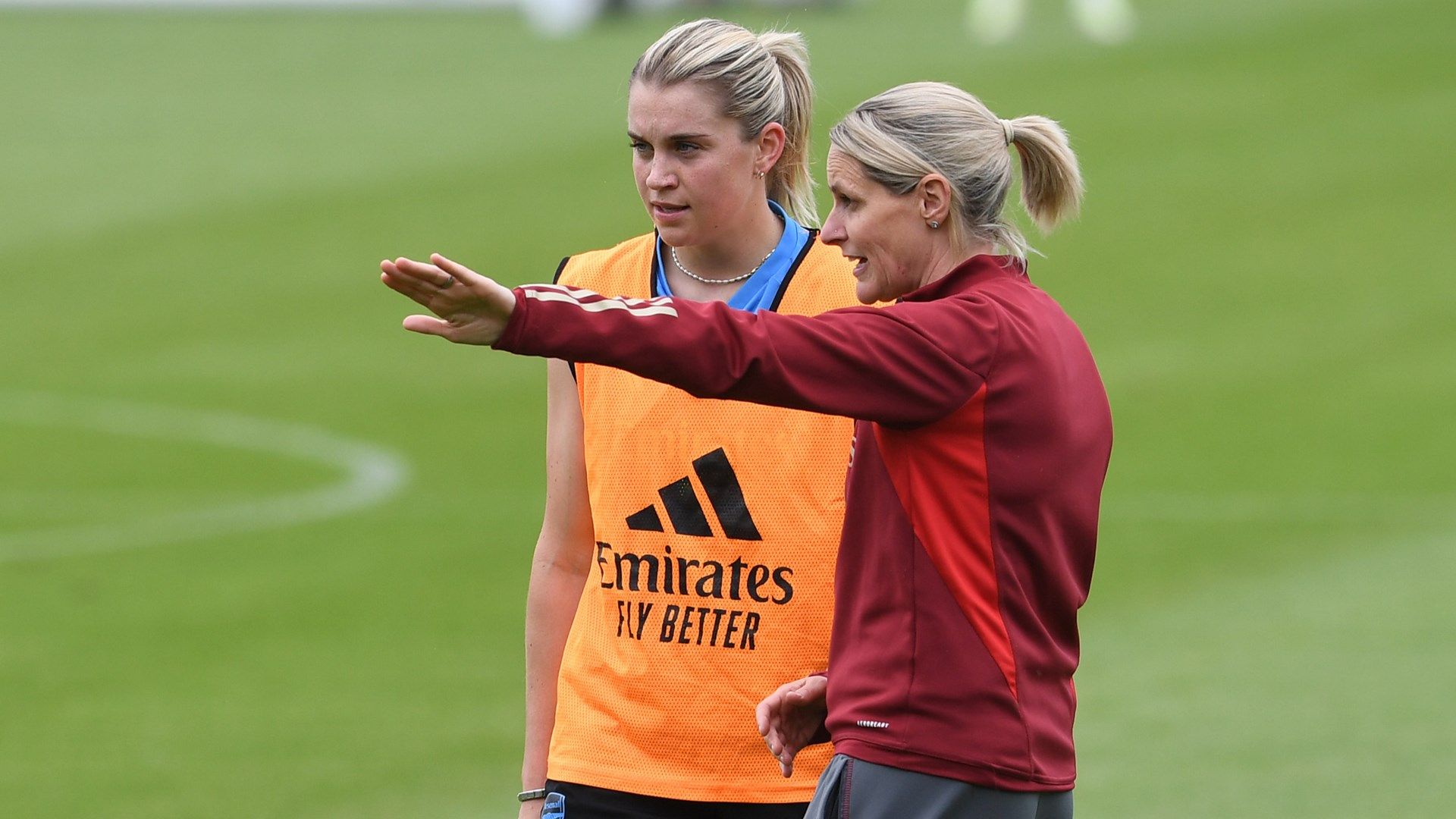
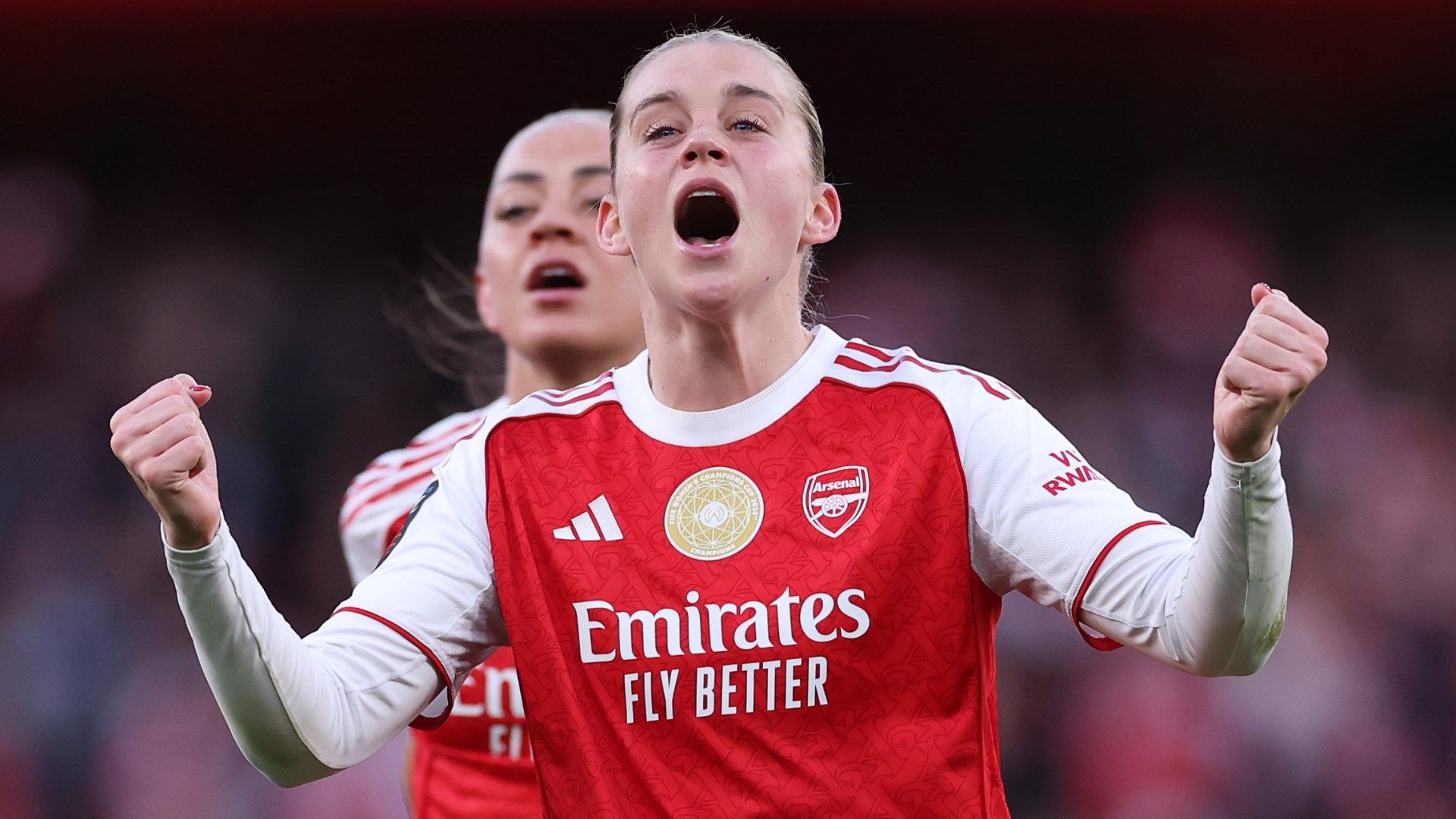
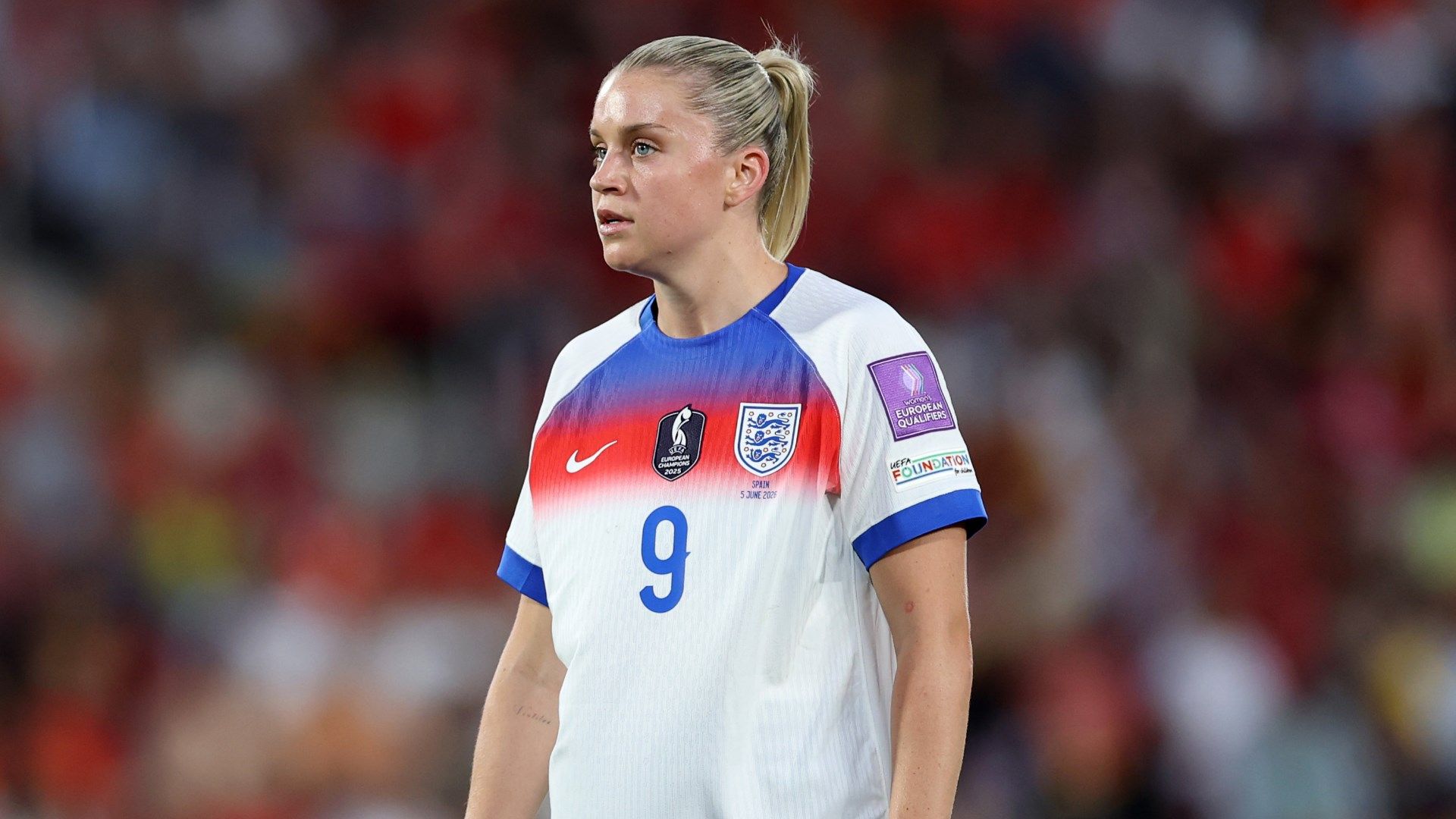
In a way, it makes sense that Alessia Russo has had to wait patiently for the external praise and recognition she deserves. After all, she's not a free-scoring striker like Ewa Pajor or Khadija Shaw, with her all-round game instead propelling her to the status of first-choice centre-forward for both Arsenal and England by the age of 24.
As a result, in the past, she might have been easy to ignore. In recent years, though, she has become anything but.
That Russo was a central cog as Arsenal won the Women's Champions League title and the Lionesses retained their European Championship crown in the summer of 2025 meant that she was given plenty of respect in the voting for the Ballon d'Or. The 27-year-old eventually ranked third in what was an intriguing battle for the Golden Ball in which some believed there were at least four worthy winners, including Russo, Gunners' team-mate Mariona Caldentey, two-time winner Alexia Putellas and eventual claimant Aitana Bonmati.
Russo launched that bid for the Ballon d'Or without an outstanding statistical season, too. She racked up a combined total of 36 goals and assists for club and country in the 2024-25 campaign, the same number as Bonmati, fewer than Caldentey's 41 and a way off Putellas' 48. Russo is a striker and the rest are all midfield players, too, which likely counted against her.
This year, as the 2026 Ballon d'Or ceremony looms, Russo is nominated again but isn't in as firm contention. A lack of team success underpins that: Arsenal fell short in their hunt for a trophy last season while England didn't qualify to compete for the recent Nations League finals. But Russo's own numbers are up, with her adding more goals to her game to really cement herself as an all-round, world-class centre-forward, worthy of her induction intoGOAL's World-Class Club.
.jpg?quality=60&auto=webp&format=pjpg&width=1280)
.jpg?quality=60&auto=webp&format=pjpg&width=1280)
.jpg?quality=60&auto=webp&format=pjpg&width=1280)
