


When and where?

Group J Table



How do I use a VPN to watch FIFA World Cup 2026?
 Gemini
Who are Argentina's FIFA World Cup 2026 opponents?
Opponent | Stadium | City |
Algeria | Kansas City Stadium | Kansas City, Missouri |
Austria | Dallas Stadium | Dallas, Texas |
Jordan | Dallas Stadium | Dallas, Texas |
Who is showing FIFA World Cup 2026 in Argentina?
The broadcast rights for the FIFA World Cup 2026 in Argentina are split among several free-to-air networks, premium cable channels, and streaming platforms. For fans who want access to every single one of the tournament's 104 matches, DSports (DirecTV) and its streaming platform DGO hold the exclusive full package, which can also be accessed via Flow and Amazon Prime Video. Pay-TV network TyC Sports will broadcast a 52-match package that includes extensive coverage of the tournament, while Disney+ Premium will offer a curated selection of 30 matches with a heavy emphasis on Latin American teams.

For viewers looking for free-to-air options, Telefe and TV Pública will provide widespread open-television coverage. Telefe plans to air over 30 marquee matchups, which will also be available to stream online via Paramount+, while TV Pública ensures that the national team's games remain free and accessible to the entire country. Because of this arrangement, fans looking to follow La Scaloneta will not need a premium subscription; all three of Argentina's Group J matches will be broadcast simultaneously across all five networks. This includes their tournament opener against Algeria on June 16 at 22:00 ART, their second group stage match against Austria on June 22 at 14:00 ART, and their final group clash against Jordan on June 27 at 23:00 ART.
Argentina's 2026 World Cup Campaign
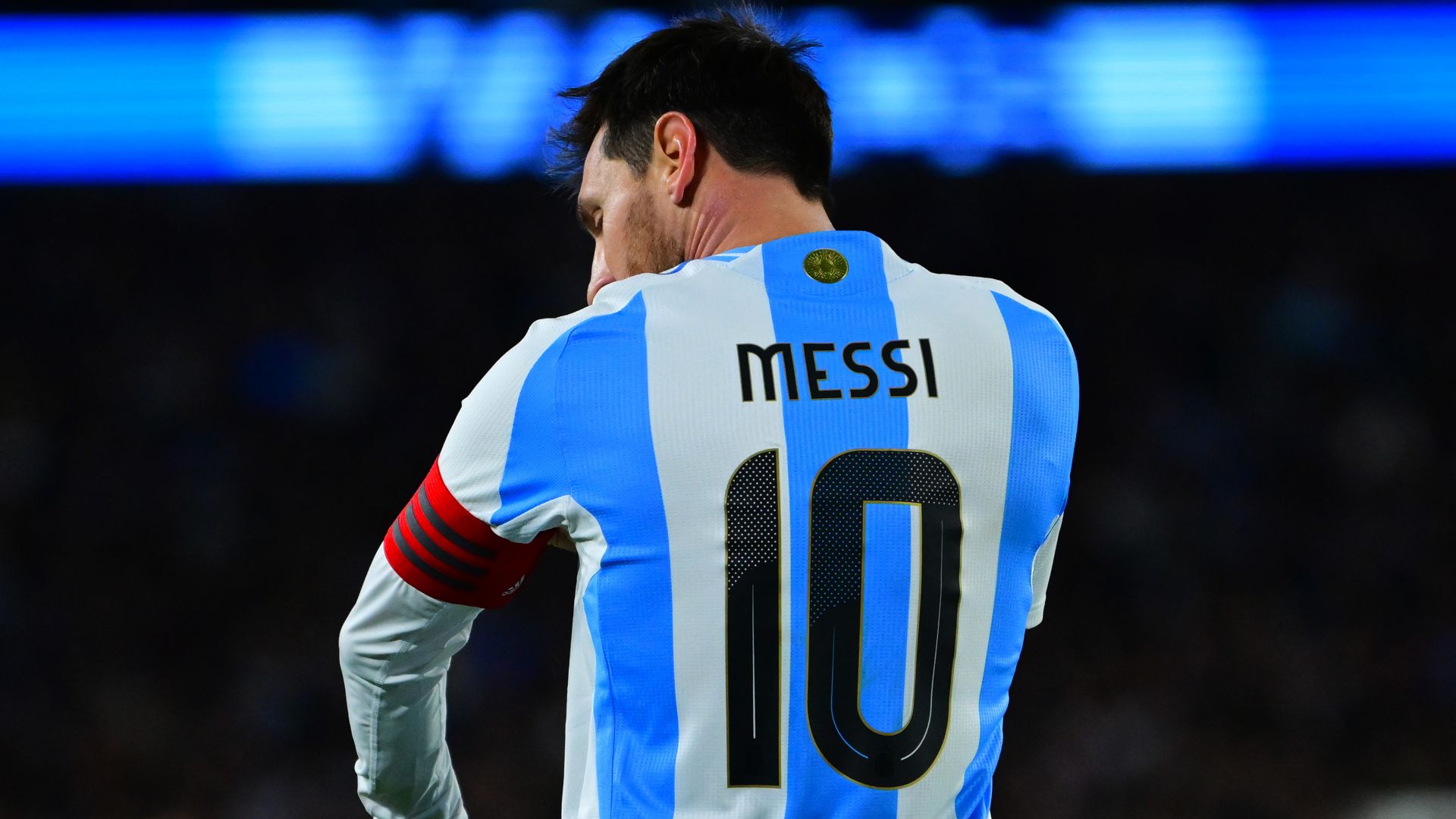
Four years after their historic and emotional triumph in Qatar where they captured the nation's third star, Argentina arrive on North American soil seeking to achieve footballing immortality. The Albiceleste are navigating a fascinating chapter in their storied history, masterfully balancing the legendary presence and veteran leadership of captain Lionel Messi, embarking on a record-breaking sixth World Cup, with an incredibly hungry, high-octane new generation of talent. For the passionate Argentine faithful, this campaign is about much more than a simple title defense; it is an opportunity to solidify this current era as arguably the most dominant dynasty in the history of international football, having already secured back-to-back Copa América titles alongside their global crown.
.png?format=pjpg&quality=60&auto=webp&width=380) Getty Images
Getty ImagesTheir journey to the 2026 tournament was a masterclass in consistency through South America's famously grueling qualification marathon. Consistently setting the pace at the summit of the table, Argentina cruised through the CONMEBOL qualifiers as runaway winners, accumulating an impressive 38 points from their 18 fixtures, consisting of twelve victories, two draws, and four defeats. The undisputed talisman of this qualifying run was once again Lionel Messi, whose relentless goalscoring form yielded 8 goals, remarkably making him the continent's top scorer for the first time in his legendary twenty-year international career. Under the steady and brilliant stewardship of Lionel Scaloni, who has overseen this wildly successful cycle since taking the helm in August 2018, Argentina navigated the qualification process with the cold efficiency of true world champions.
Tactically, Scaloni, who has already carved his name into folklore as the most successful coach in Argentina's history, relies on a highly flexible system centered around complete control of the midfield and defensive stability. Harnessing the immense technical proficiency of mainstays like Rodrigo De Paul, Alexis Mac Allister, and Enzo Fernández, Scaloni prefers a structured yet fluid setup that commands the center of the pitch and suffocates the opposition. While his approach has been nearly flawless in securing major silverware over his eight-year tenure, it will be thoroughly tested on the global stage. The manager will need to ensure his side successfully manages the integration of explosive younger starlets like Julián Álvarez and Thiago Almada, avoiding the trap of over-relying on a 39-year-old Messi when attempting to break down the highly disciplined, resilient defensive units they are bound to clash with in Group J.