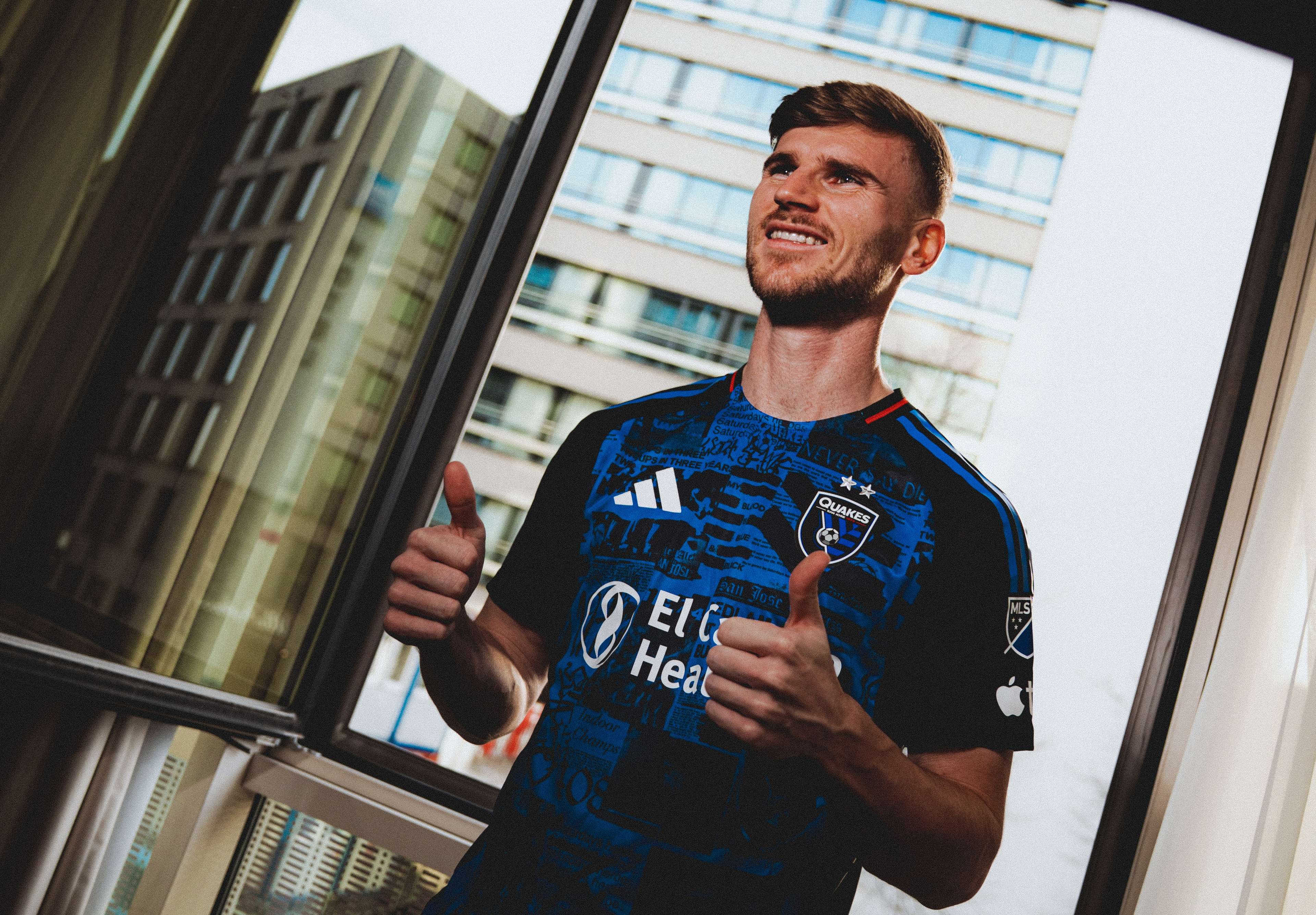
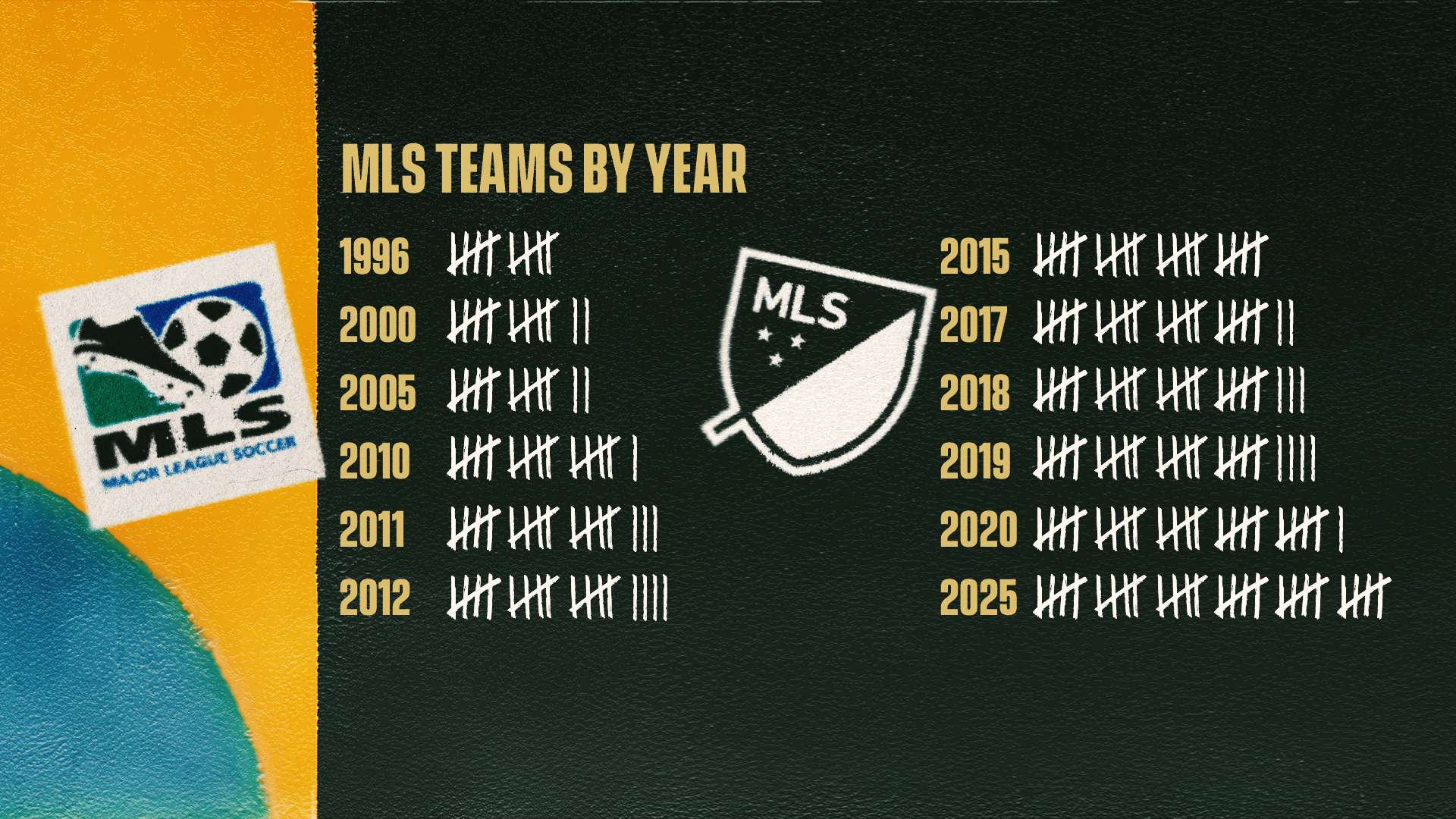
The 2026 MLS season begins next Saturday, marking the 31st year of the top-flight soccer league in North America. Over its three decades of existence, it has grown exponentially. The initial 10 teams multiplied rapidly and, although there have been some relocations and foldings over the years, the league is now comfortably at 30 teams.
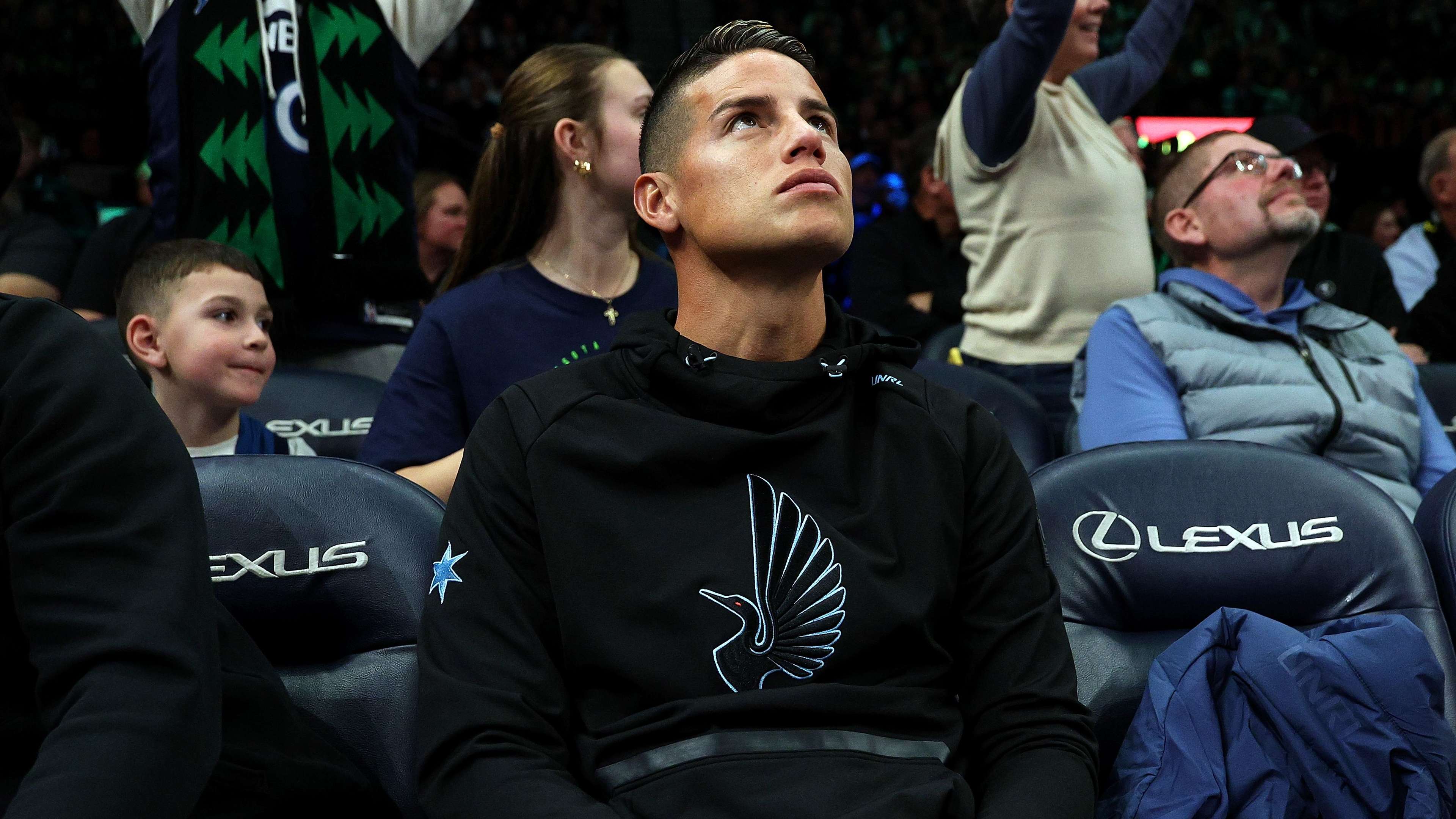
As it turns 31, MLS could have a landmark season. In Lionel Messi, they have an eight-time Ballon d'Or winner - and arguably the best to ever kick a ball. Also on MLS rosters are Korean star Son Heung-Min, German legend Thomas Muller and a scattering of other big names - including new arrival James Rodriguez. But this is no longer a league of imports.
Yes, there will always be room for the big names from afar, but MLS has now become a self-sustaining league. Talent can be developed and sold off - or, even better, purchased, worked on, and then moved for profit. There is a clear business model here. And in recent years, winning sides have been rewarded for following it. Homegrown talent is now instrumental.
The timing couldn’t be better. The league has consistently grown along with the rise of soccer in North America, helping to propel it. From developing dedicated fan bases and winning silverware to establishing elite youth academies, signing era-defining players, investing in the transfer market, and crafting memorable marketing campaigns, MLS teams have forged unique identities across the U.S. and Canada.
Which makes this the ideal time to take a look at every club in the league. Ever. Some, such as LA Galaxy, have checked all of the boxes. Newcomers such as LAFC and Atlanta United are getting there - and paving the way for what a modern franchise should look like. San Diego FC, too, did their part, and enjoyed a remarkable debut season. Miami finally won their first MLS Cup last year - with their defensive acumen proving just as valuable as their attacking talent down the stretch. However, there are also clubs that have underwhelmed when it comes to investing in various parts of their franchises.
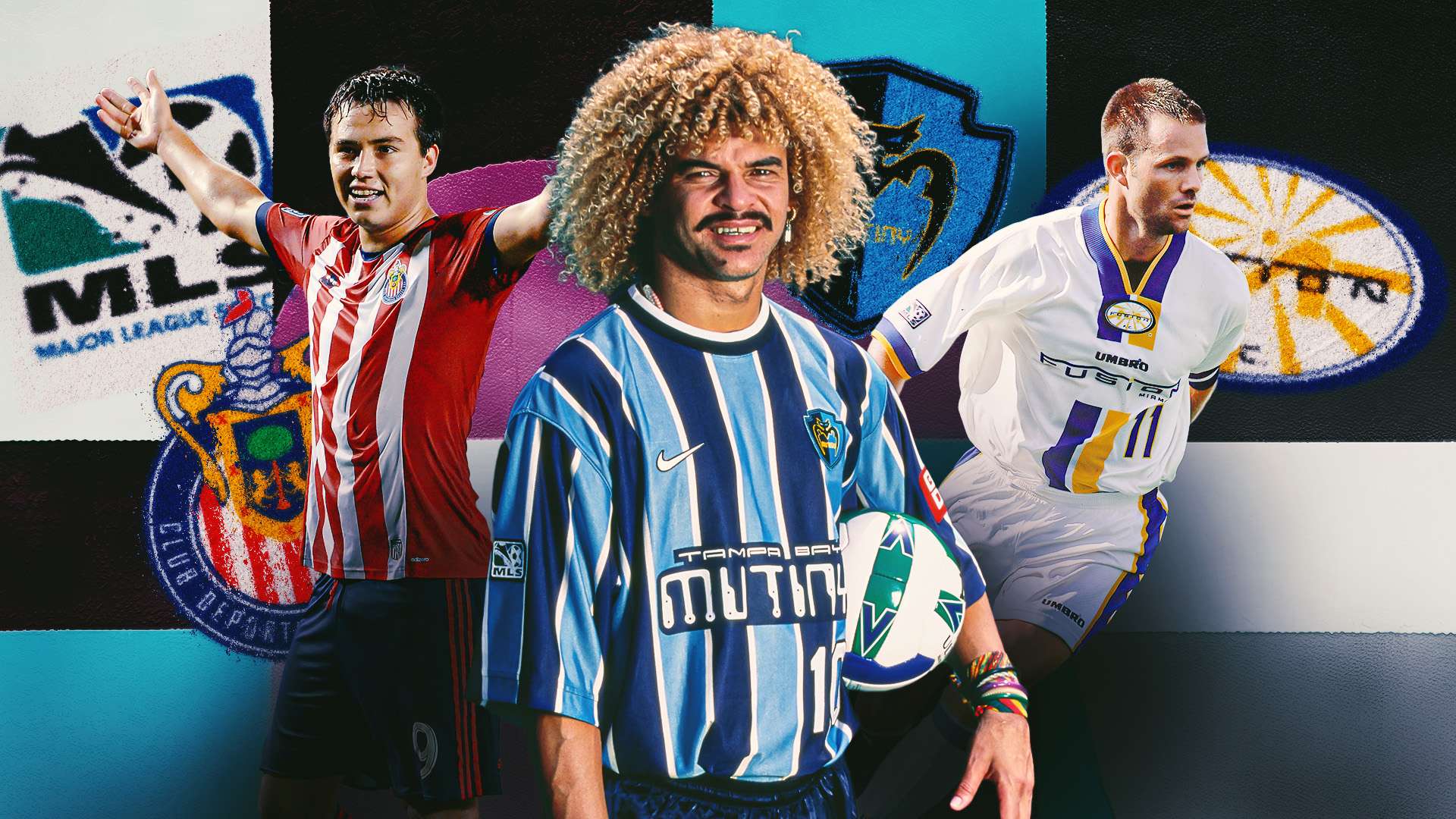
Factoring in on-field success, transfer business, branding, global appeal, and youth development, among other intangibles, GOAL US offers the definitive ranking of every club in MLS history.













.jpg?auto=webp&format=pjpg&width=3840&quality=60)