
 Getty
GettyLionel Messi reveals shock 'childhood dream' that was scotched by Barcelona debut
.jpeg?auto=webp&format=pjpg&width=3840&quality=60) Getty Images
Getty ImagesA debut that closed one door, and opened the world
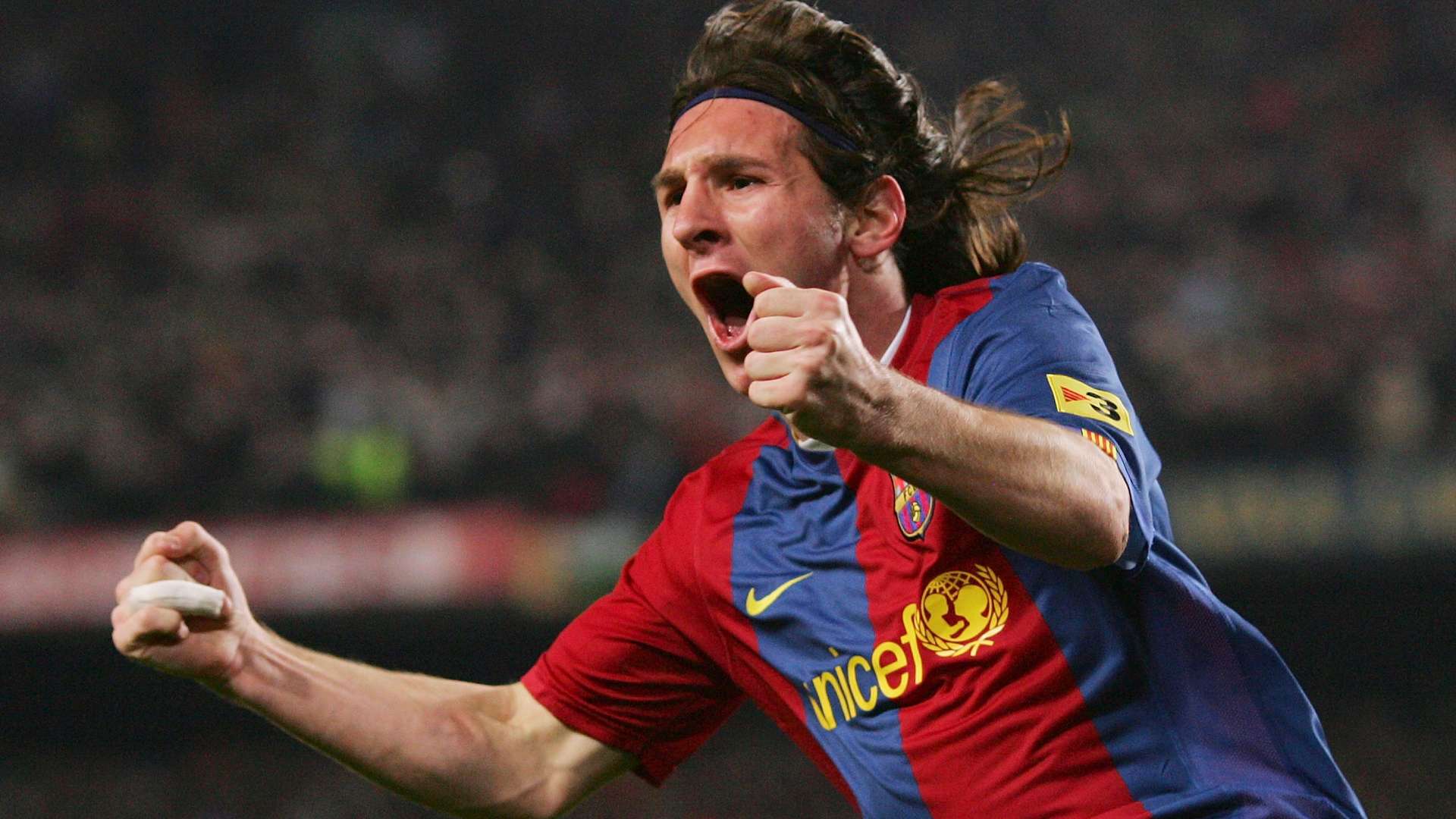
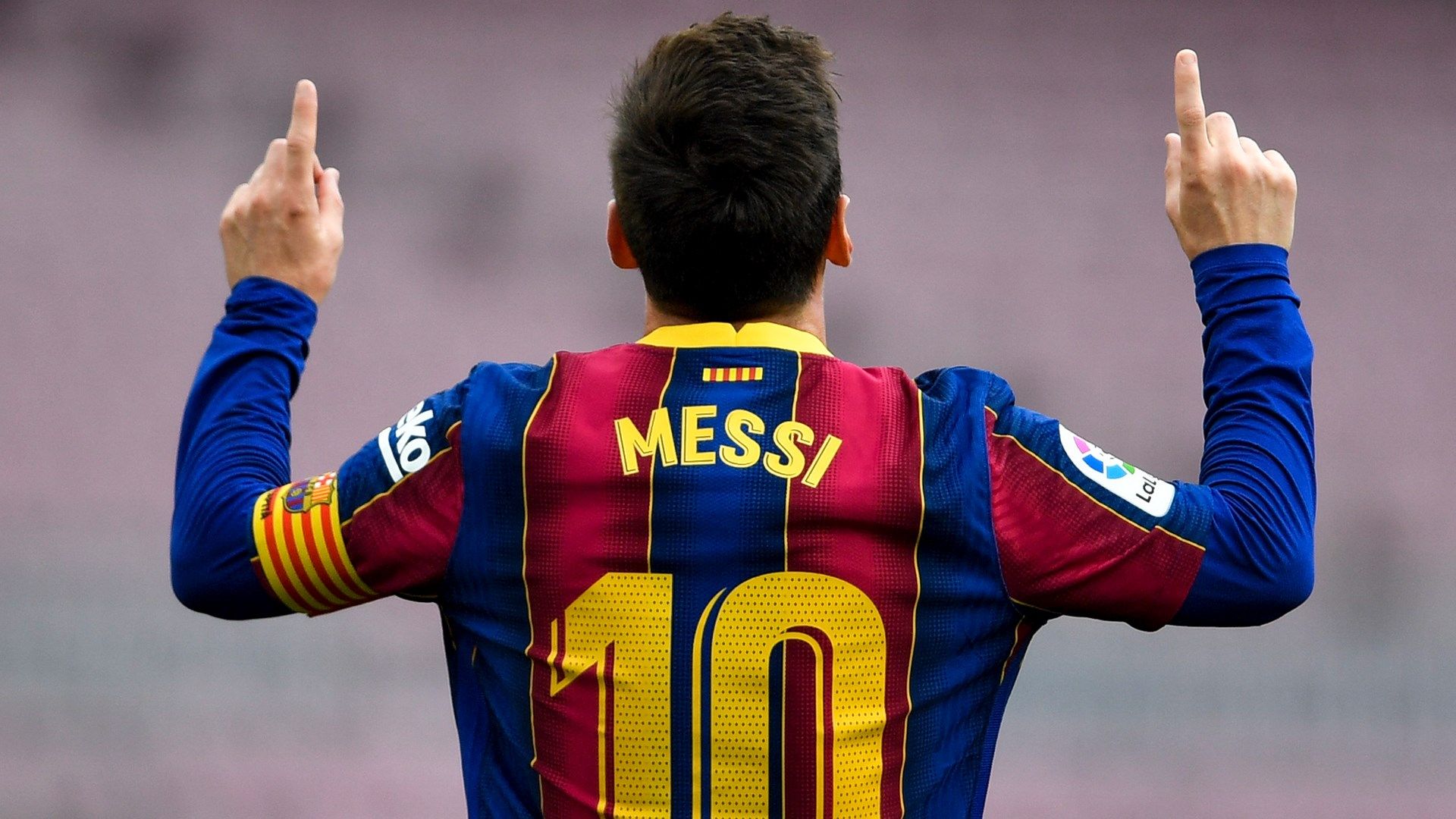
Messi’s Barcelona debut followed three years later, on 16 November 2003, in a friendly against Porto. Frank Rijkaard introduced the 16-year-old in the 71st minute. Even then, whispers circled La Masia suggesting that the teenager from Rosario possessed a talent beyond comparison, though few could predict the scale of what would unfold. His competitive first-team bow came the following year on 16 October, in a La Liga fixture against Espanyol. At 17 years, three months and 22 days, he became Barcelona’s youngest-ever representative in official competition. The dream of playing for Newell’s faded in that moment, but a new reality began.
In an interview with ESPN, Messi has now said: "I always say that my childhood dream was to play for Newell's first team. I'd go to the stadium, I played there, and I dreamed of becoming a professional in Primera. Then my life changed completely because I left at 13, debuted for Barcelona, and everything that happened afterward. It's something I never would've imagined, not even in my best dreams. I lived things much bigger than anything I could have dreamed of."
 AFP
AFPAll eyes on the 2026 World Cup
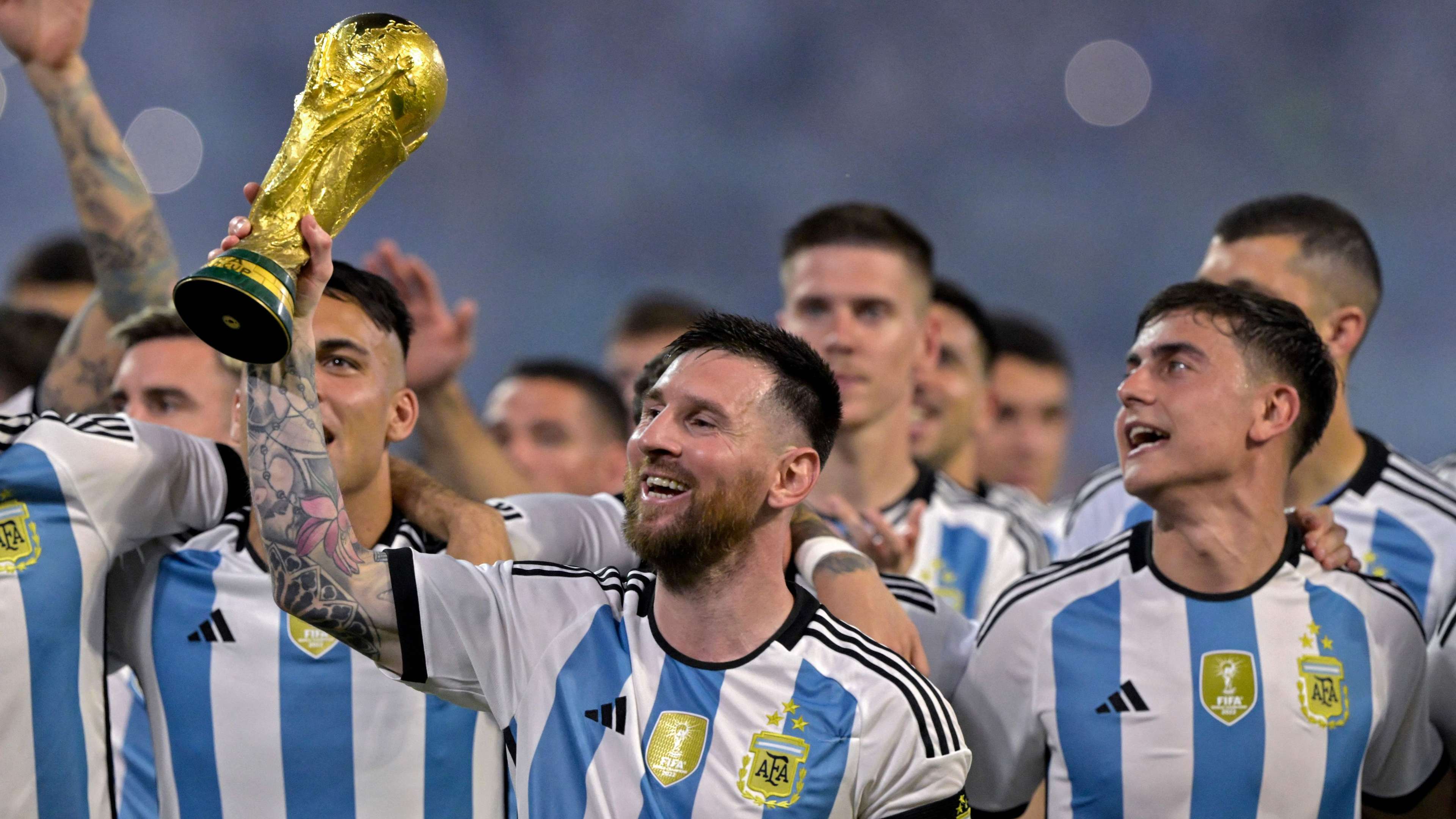
The 2026 World Cup, spread across the United States, Canada and Mexico, looms large. Argentina, the reigning champions, are among the favourites once more and will learn their group-stage opponents when Friday’s draw takes place. For Messi, the tournament represents an opportunity to win back-to-back World Cups as captain. His Newell’s dream may remain untouched, but everything else, the records, the glory, has exceeded his dreams.
ENJOYED THIS STORY?
Add GOAL.com as a preferred source on Google to see more of our reporting


