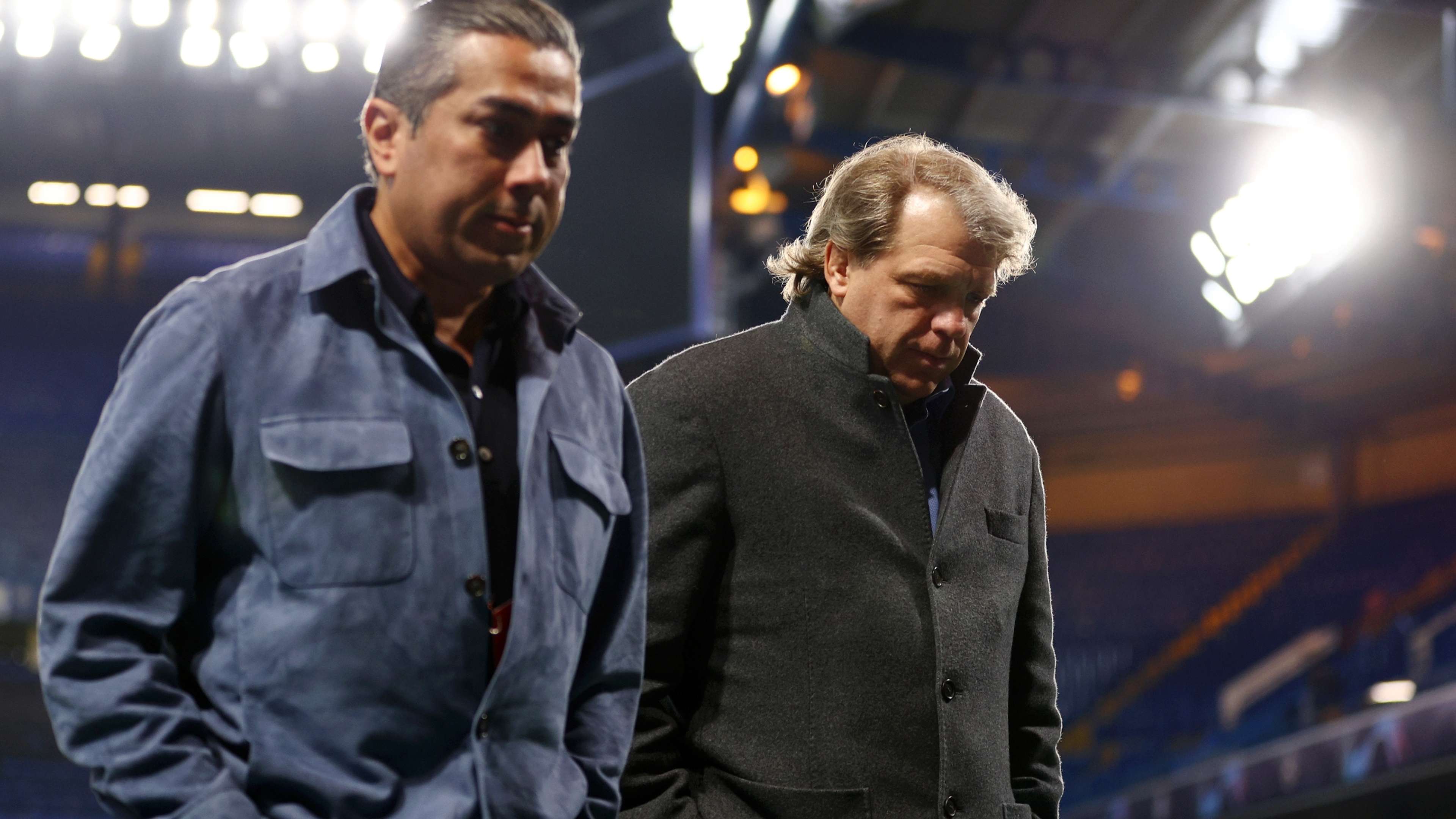
Paul Winstanley and Lawrence Stewart's respective arrivals during last season generated a lot of excitement that Chelsea's record of hit-and-miss transfer dealings would be consigned to history, with the former joining from the revered Brighton recruitment team.
However, things have not gone as many would have expected. The Blues were accused of deploying a scattergun approach in the January window with Winstanley and Stewart heavily involved but not yet installed in their roles as co-sporting directors, spending more than £300m ($367m) on eight new players including £89m ($109m) on Mykhailo Mudryk - who is yet to come anywhere close to justifying that price-tag - and £107m ($131m) on Enzo Fernandez.
Although Nicolas Jackson impressed in pre-season, the decision not to pursue an elite striker with a proven goal-scoring record has been thrust into the spotlight as the Senegal international struggles to adapt to the Premier League.
Their policy of only pursuing players under the age of 25 has also raised eyebrows, with the likes of James Maddison and James Ward-Prowse overlooked in the summer and now shining for two of the club's London rivals. Indeed, Chelsea ultimately spent more than the fees that pair commanded on far less experienced names in Cole Palmer and Romeo Lavia.
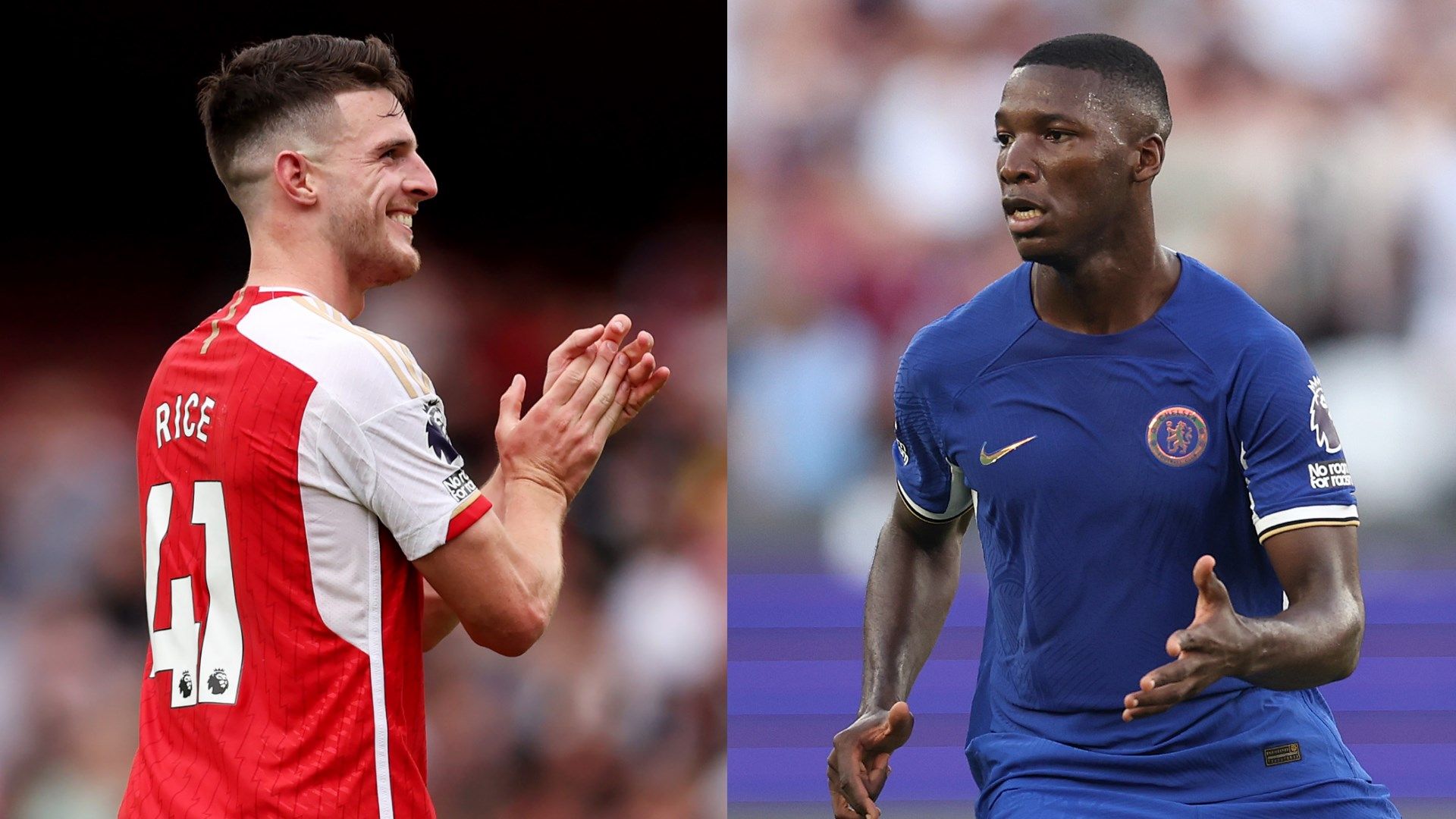
It has also been reported that the Blues declined to pursue Declan Rice - seemingly a long-term target for the club - because he would cost an 'English premium'. Moises Caicedo was subsequently signed from Brighton for a British-record £115m ($141m) - £5m ($6m) more than Arsenal paid West Ham for Rice.
Although they have hacked down their wage bill, Chelsea are yet to see a tangible payoff for their mass summer clear-out, with no fewer than 23 departures contributing to an overarching sense of chaos and upheaval. After a nightmarish 2022-23 campaign, the Blues' form hasn't been much better so far in the new season.

.jpg?auto=webp&format=pjpg&width=3840&quality=60)

.jpg?auto=webp&format=pjpg&width=3840&quality=60)

_(1).jpg?auto=webp&format=pjpg&width=3840&quality=60)


