+18 | Play Responsibly | T&C's Apply | Commercial Content | Publishing Principles
Gabon

Gabon Overview

Africa Cup of Nations Winners and losers GFX

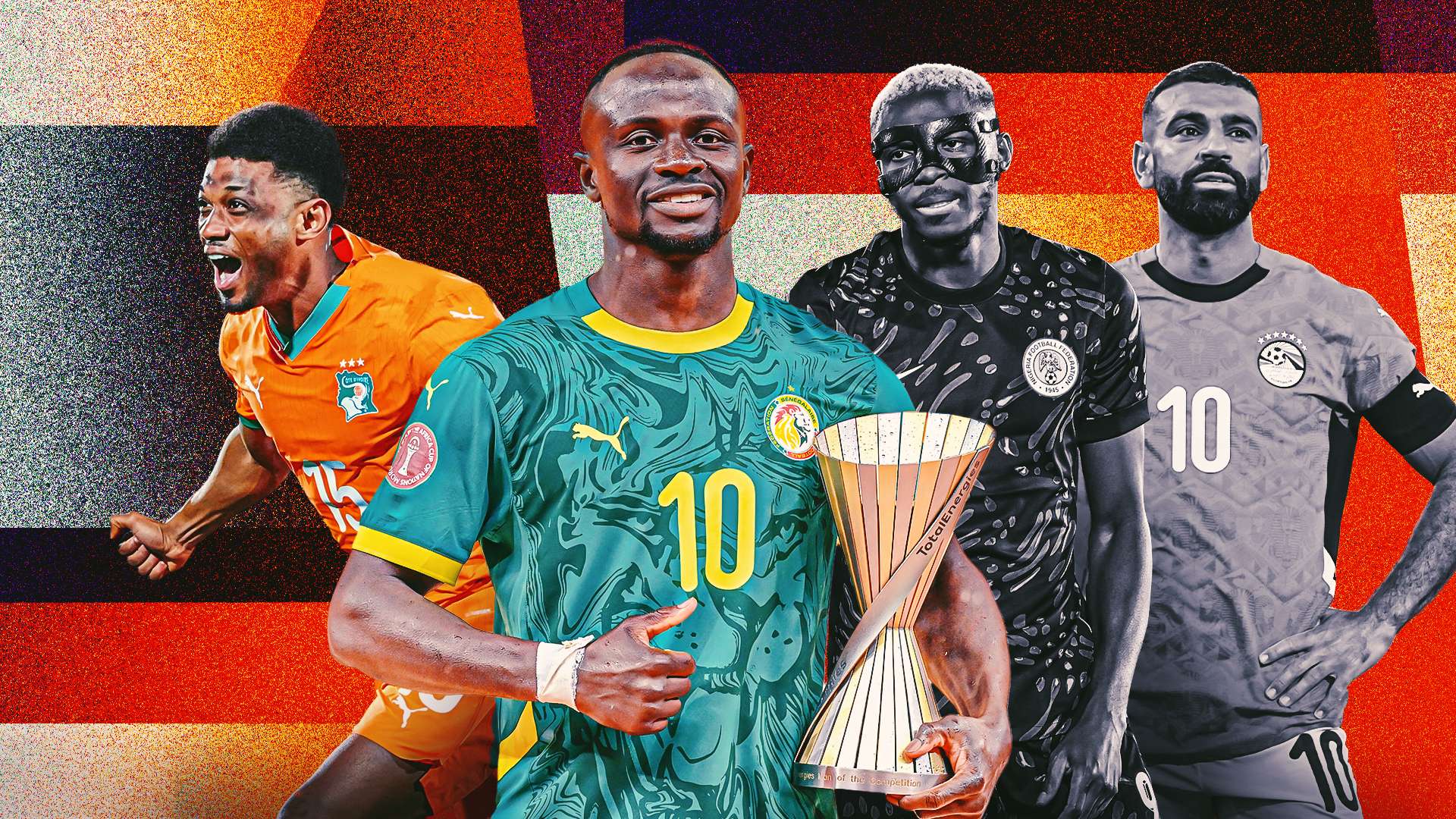
Mane, Salah & AFCON's biggest winners and losers

There are only three certainties in life: death, taxes and a dramatic Africa Cup of Nations. However, even by the tournament's extraordinary standards, the final of the 2025 edition was like nothing we've ever seen before - albeit not in a good way. In the 93rd minute of a tense but largely uneventful encounter in Rabat, Senegal had a goal from Ismaila Sarr very harshly disallowed for a perceived foul by Abdoulaye Seck on Achraf Hakimi beforehand. Just moments later, Morocco were awarded a penalty after an invention by the Video Assistant Referee (VAR), who had spotted a minor tug on Brahim Diaz's shirt by El Hadji Malick Diouf.

World Cup fail to qualify GFX

Biggest stars who failed to qualify for World Cup 2026

We are now less than seven months out from the 2026 World Cup finals in the United States, Canada and Mexico, with the group-stage draw set to take place in Washington DC on December 5. Forty-two participating nations are locked in, with four teams from the UEFA play-offs and two intercontinental winners set to complete the line up in March. All of the so-called elite countries will be there, from holders Argentina and arch-rivals Brazil, to Euro 2024 winners Spain and France.

Nigeria vs Gabon, November 2025

Osimhen brace powers Nigeria to crash Gabon and keep World Cup hopes alive

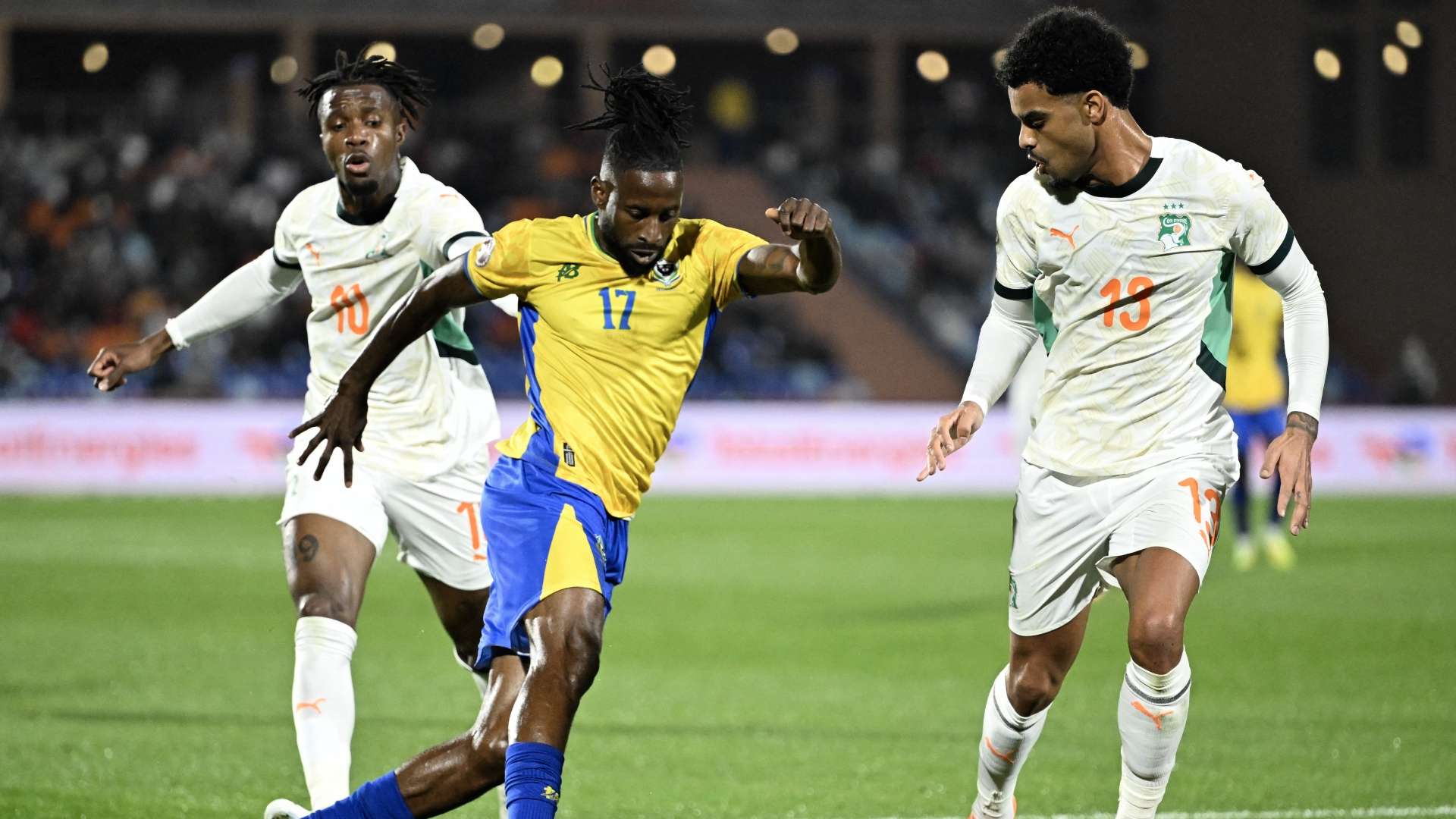
After a valiant fight by the Panthers in regulation time, the Super Eagles ultimately emerged victorious from this 2026 FIFA World Cup African play-offs semi-final battle in neutral Morocco on Thursday. Eric Chelle's men needed extra time to win 4-1 at Prince Moulay El Hassan Stadium with the Galatasaray forward grabbing a double. They remain in contention to go to the global competition but still have other hurdles to plain.

More

Standings

Segunda Division crestSegunda Division

PosTeamPWDLFA+/-PTSForm
5NSI Runavik crestNSI Runavik11001013
W
6EB/Streymur crestEB/Streymur100112-10
L
7Skala crestSkala100112-10
L
8Vikingur crestVikingur100101-10
L
9B68 Toftir crestB68 Toftir100102-20
L
More

History

Manchester United, often simply referred to as "United," are one of the most iconic and successful football clubs in the world, based in Old Trafford, Greater Manchester, England. The club was founded as Newton Heath LYR Football Club in 1878 by the Lancashire and Yorkshire Railway depot at Newton Heath. The team changed its name to Manchester United in 1902 and moved to its current home, Old Trafford, in 1910.

Famous players

Manchester United have been home to some of the greatest footballers in history. Sir Bobby Charlton, a World Cup winner with England in 1966, is arguably the most iconic figure in the club's history. Other legendary players include George Best, known for his flair and skill, and Eric Cantona, who brought a winning mentality to the club during the 1990s. More recent stars like Cristiano Ronaldo, Wayne Rooney, and Paul Scholes have also contributed significantly to the club's success.

Honours

Manchester United are one of the most decorated clubs in English football, having won a record 20 Premier League titles (formerly the First Division). They have also lifted the FA Cup 12 times, the League Cup five times, and the UEFA Champions League three times. The club's dominance in English football was particularly evident during the 1990s and early 2000s under manager Sir Alex Ferguson.

Managers

Sir Alex Ferguson is undoubtedly the most successful manager in Manchester United's history. He spent 26 years at the club, leading them to an unprecedented era of success. Before Ferguson, managers like Matt Busby and Wilf McGuinness played crucial roles in shaping the club's identity. More recent managers, including David Moyes, Louis van Gaal, and José Mourinho, have faced the challenge of maintaining the club's high standards.

Stadium

Old Trafford, often referred to as the "Theatre of Dreams," is one of the most famous stadiums in the world. With a capacity of roughly 75,000, it is among the largest football stadiums in the United Kingdom. The stadium has hosted numerous major matches, including UEFA Champions League finals and FIFA World Cup matches.

Location

Manchester United are based in the city of Manchester, which is located in the northwest of England. The club's home ground, Old Trafford, is situated in the Trafford borough. Manchester is a major industrial city with a rich footballing heritage.

Owners

In February 2024, British billionaire Sir Jim Ratcliffe's company, INEOS, acquired a significant 25% stake in Manchester United. This acquisition granted Ratcliffe sporting control over the club, placing him in a position to influence key decisions related to its operations.

Ratcliffe has already made a substantial financial commitment to Manchester United. His large investments demonstrate his dedication to the club's success and his willingness to provide the necessary resources for its growth.

Frequently asked questions

Il Napoli è nato il 25 agosto 1926 grazie all'industriale napoletano Giorgio Ascarelli, primo presidente del club partenopeo. Club a sua volta frutto di una modifica statutaria del Football club Internazionale Naples nato nel 1922.

Aurelio De Laurentiis è il presidente e proprietario del Napoli. Imprenditore e produttore cinematografico, ha acquistato il Napoli Soccer nel 2004 in C1, per poi riacquistare la denominazione SSC Napoli nel 2006 dopo la promozione in Serie B.

Il Napoli gioca le sue partite casalinghe allo Stadio Diego Armando Maradona, rinominato così in seguito alla scomparsa del più grande giocatore azzurro di tutti i tempi. L'impianto era precedentemente noto come Stadio San Paolo.

Lo Stadio del Napoli, Diego Armando Maradona, può contenere 54.726 persone. L'impianto degli azzurri è uno dei più grandi d'Italia per capienza, dopo San Siro, l'Olimpico e il San Nicola di Bari.

Il Napoli ha vinto tre Scudetti durante la sua storia, di cui il primo solamente nel 1987. Il secondo titolo è arrivato nel 1990 sempre con Maradona come protagonista, mentre nel 2023 si è festeggiato il terzo campionato di Serie A vinto.

Il Napoli ha vinto l'Europa League nel 1989, all'epoca chiamata Coppa UEFA. Si tratta dell'unico trofeo europeo e internazionale conquistato dalla squadra partenopea durante la sua storia.

Oltre ai tre Scudetti e all'Europa League, il Napoli ha in bacheca altri otto titoli, principalmente Coppa Italia: il totale di trofei vinti è dunque di dodici.

Nonostante il Napoli sia azzurro e bianco, il primo colore domina nelle maglie e nei colori sociali. L'azzurro richiama in particolare la tonalità del mare cittadino.

Inizialmente il simbolo del Napoli era un asino, ma dopo il primo deludente periodo in massima serie, nel 1926, i tifosi cominciarono ad evidenziare come il club fosse malandato come un asino, e in particolare l'asino di Fechella. Questi era un ambulante che girava per la città con un povero, sfruttato, asino sfinito dal lavoro.

Dries Mertens è il massimo marcatore nella storia del Napoli. Il giocatore belga ha segnato 148 goal in nove stagioni come attaccante tuttofare dei partenopei.

Marek Hamsik è il giocatore con più partite giocate in maglia Napoli. Il centrocampista slovacco ha fatto parte della squadra partenopea per 12 stagioni, per un totale di 520 gare.

I giocatori del Napoli sono chiamati azzurri per il colore della maglia, ma anche partenopei. In antichità la città era chiamata Parthenope in onore di una delle sirene dell'Odissea di Omero, che secondo la leggenda, dopo il suicidio per l'insensibilità di Ulisse al suo canto, sarebbe arrivata al fiume Sebeto, che un tempo bagnava Napoli.

Bruno Pesaola è l'allenatore con più panchine alla guida del Napoli. Come tecnico degli azzurri ha vinto una Coppa Italia, a fronte di otto stagioni passate in città.

Durante la sua storia il Napoli ha quasi sempre giocato in Serie A, ma non sono mancate le stagioni nelle serie inferiori. In particolare i partenopei hanno vissuto 12 annate in Serie B e 2 in Serie C.

Nel 2004/2005 e nel 2005/2006 il Napoli ha giocato in Serie C. All'epoca in Serie B, la squadra partenopea venne retrocessa dopo il fallimento della società in seguito a una grave crisi finanziaria.