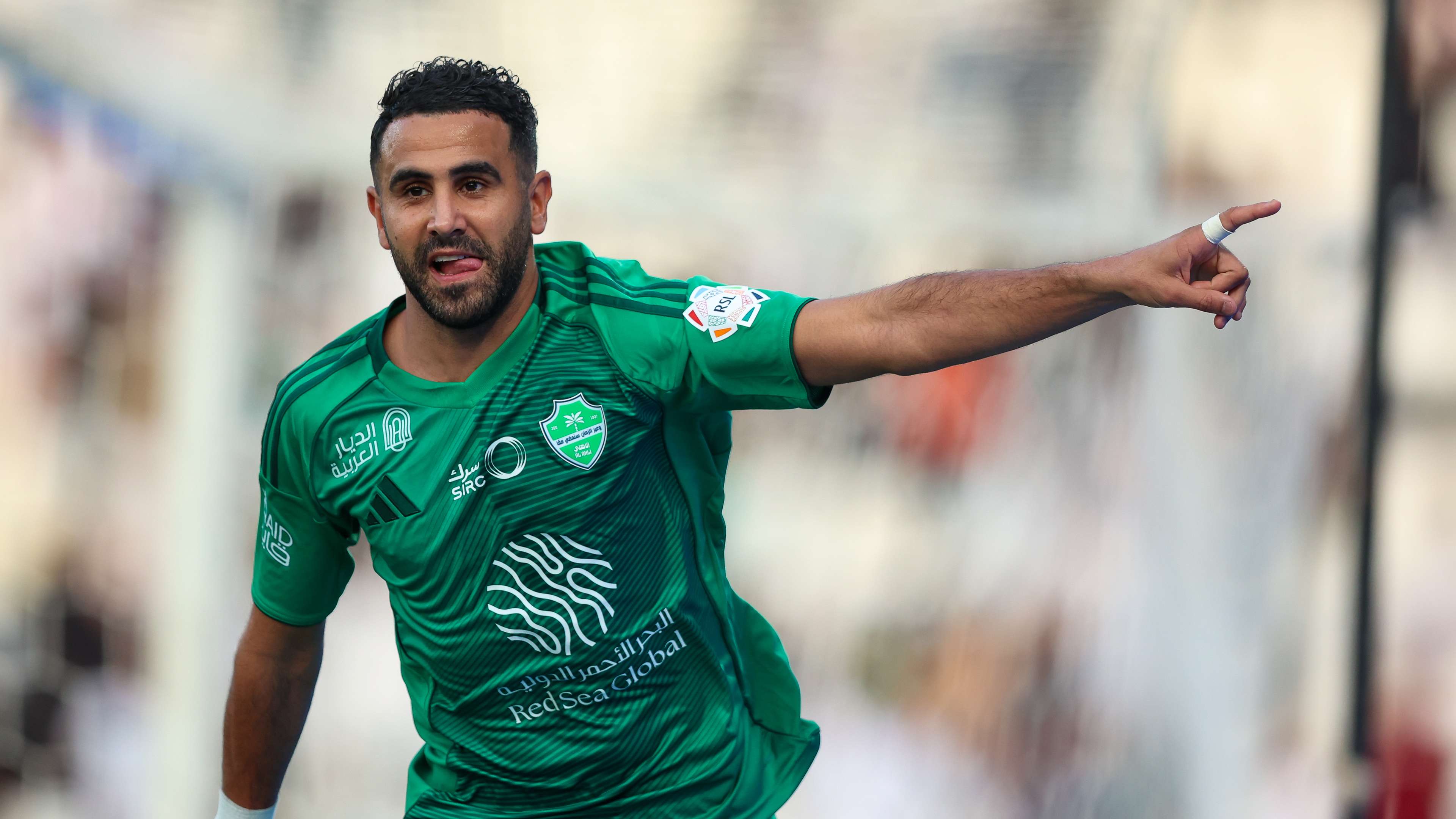
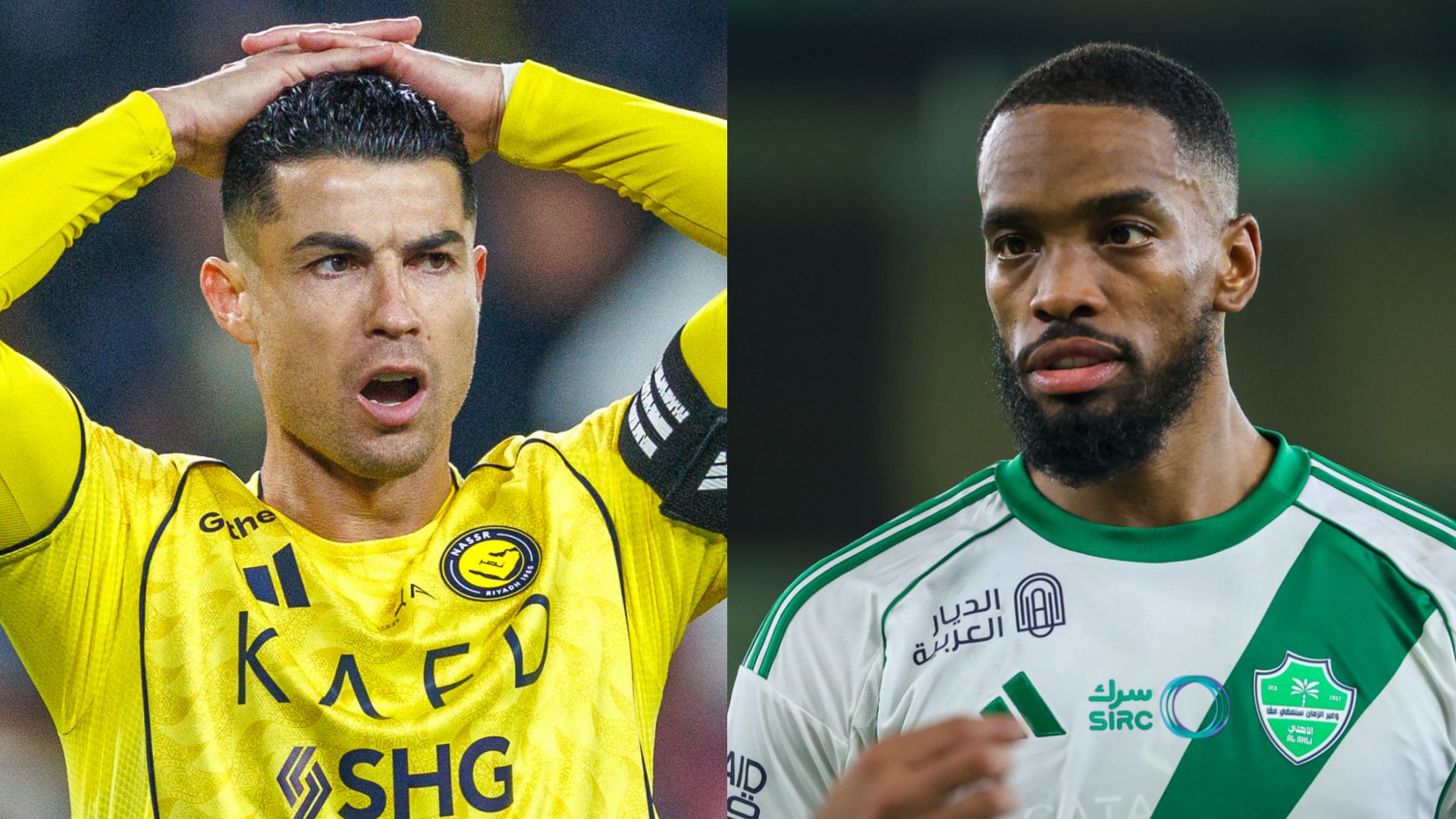
Ivan Toney has launched a sensational attack on the integrity of the Saudi Pro League, suggesting that officials are biased toward Cristiano Ronaldo and Al-Nassr. The England international was left fuming after his Al-Ahli side were held to a 1-1 draw by Al-Fayha, a result that severely dents their title aspirations.
A harsh punishment awaits the English star.
According to well-informed sources, the Football Association is preparing to hand down a severe sanction to one of its high-profile players. The specific offence has not yet been disclosed, but insider reports suggest that the breach of regulations is considered serious enough to warrant a significant suspension.
Should the punishment be confirmed, it would mark a major blow to both the player’s personal reputation and his club’s chances in the upcoming fixtures. Supporters and pundits alike are monitoring the situation closely, eager for official confirmation and further details.
In the meantime, the player remains in limbo, training as normal while his future participation in key matches hangs in the balance. His camp has declined to comment publicly, preferring to focus on internal preparations and legal advice.
This potential disciplinary action comes at a sensitive time for English football, which has been striving to project a professio
Will the Portuguese star finally clinch the one major title that has eluded him throughout his illustrious career?
Cristiano Ronaldo has won countless trophies at club level, including multiple Champions League crowns and domestic leagues in England, Spain and Italy. He has also led Portugal to glory in the 2016 European Championship and the 2019 Nations League. Yet the one prize missing from his résumé is the FIFA World Cup, a gap that fuels his drive as he prepares for another shot at football’s ultimate team honour.
At 38, Ronaldo remains a formidable goalscorer, but time is running out. The upcoming tournament could be his last opportunity to join the pantheon of players who have lifted the famous golden trophy. For a man who has made a career out of defying expectations, the challenge is familiar, yet the stakes have never been higher.
Portugal, ranked among the world’s top teams, possess the talent and tactical discipline to go all the way. If Ronaldo can inspire his younger team
Legendary figure ‘Al-Raqi’ has launched a scathing attack on the standard of refereeing in the domestic league, accusing officials of undermining the sport’s integrity. His remarks, made shortly after Saturday’s controversial clash, have ignited a fresh debate about the performance of match officials and the need for greater accountability.
Speaking with characteristic bluntness, Al-Raqi argued that a series of high-profile mistakes had favoured certain clubs and disadvantaged others, warning that such inconsistency could erode fan confidence and tarnish the competition’s reputation. He called for an immediate review of refereeing protocols and the introduction of clearer criteria for assigning officials to big games.
His comments struck a chord with supporters who have long suspected bias in key decisions, and within hours the debate had spread across social media platforms, with hashtags calling for reform trending nationwide. Several former players and pundits weighed in, some expre
A wide-ranging controversy has erupted after Al-Raqi’s draw in the Roshen League. The result, which many observers felt should have been a victory, has sparked heated debate among fans, analysts and even officials. At the heart of the discussion is the performance of the refereeing team, with several key decisions coming under scrutiny. Supporters of the club argue that a clear penalty was overlooked in the dying minutes, while opponents claim that the final whistle was the fair outcome. The league’s disciplinary committee is now reviewing the match footage to determine whether any further action is required. In the meantime, social media platforms are ablaze with rival narratives, hashtags and memes, underscoring just how fiercely the footballing community feels about the incident. For a competition that prides itself on fairness and excitement, this controversy could prove to be a defining moment in the season.
The English star now faces the very real prospect of a suspension, with the governing body set to review the incident that could keep him sidelined for crucial fixtures. The potential ban has cast a shadow over his recent form and could disrupt the team’s plans for the busy fixture list ahead. While the player maintains his innocence, sources close to the club acknowledge that the disciplinary panel’s decision will be final, leaving supporters on edge as they await the official verdict. Should the suspension be confirmed, it would mark a significant setback for both the individual and the club, forcing coaches to reconsider tactics and lineup selections at a critical stage of the campaign.
Sensational comments from the French striker on the title race
The French striker has ignited the title race with bold, attention-grabbing remarks that promise to dominate back-page headlines across Europe. In an exclusive interview, the seasoned goal-scorer laid out his personal ambitions, his team’s chances of lifting the trophy, and the fierce quality of competition they will face over the final weeks of the campaign. His words carry weight: delivered with typical Gallic flair yet underpinned by hard data on form, fitness and fixture list, they offer fans and analysts alike a clear window into the psychological and tactical battle that lies ahead. As the title race enters its decisive phase, such statements serve as both a warning to rivals and a rallying cry to teammates—a reminder that, in his view, only bold declarations followed by even bolder performances will secure the silverware.
Al-Ahli’s striker Ivan Toney sparked a massive controversy following his side’s 1-1 draw against Al-Fayha, revealing a heated exchange with the officiating crew. The international forward accused the fourth official of dismissing Al-Ahli's penalty appeals with a provocative remark that has ignited a firestorm of anger among the club.
A prominent sports presenter has launched a scathing attack on the so-called Jeddah Duo, the nickname given to [Team A] and [Team B] following their controversial move to Saudi Arabia. Speaking on his popular show, the veteran broadcaster accused the pair of prioritising money over footballing principles, arguing that their decision to relocate has undermined the integrity of the domestic league and raised fresh questions about the sport’s global governance. His remarks, which were broadcast live to millions of viewers across the region, have sparked a fierce backlash from supporters of both clubs, who claim he is exaggerating the impact of their move. However, several former players and pundits have echoed his concerns, warning that similar transfers could erode the competitive balance of European competitions and divert much-needed investment away from grassroots development. The row is set to run for weeks, with fans now demanding a clear explanation from the governing bodies about
Al-Raqi has ignited a firestorm of controversy by publicly questioning the head-to-head record that will shape the upcoming match’s officiating. His remarks, delivered in a post-training press conference, quickly spread across local sports outlets, forcing the league’s refereeing committee to issue a rare midweek statement defending the integrity of its officials. While the veteran coach stopped short of accusing anyone of bias, his choice of words suggested a deep unease about past performances and future calls. Supporters point to a string of close decisions that went against their side in previous meetings, arguing that statistical trends alone justify concern. Detractors, meanwhile, label the outburst an attempt to influence the men in black before the ball is even kicked. Either way, the debate has raised fresh questions about transparency in match allocation and the thin line between managerial strategy and verbal interference. With tickets already sold out and broadcasters antic
The English star has ignited a media storm with a fiery post-match interview that is sure to reverberate around the footballing world.
Speaking to reporters shortly after the final whistle, the player delivered a series of bold, unfiltered remarks that touched on everything from his club’s title ambitions to the pressure of representing his country on the international stage.
While specifics are still emerging, sources close to the camp say the comments were delivered with typical passion and bluntness, leaving little room for misinterpretation.
Supporters will be eager to hear the full transcript when it becomes available, and rivals will no doubt be paying close attention to any potential fallout.
For now, one thing is clear: the star’s words have already raised the temperature ahead of what promises to be a thrilling run-in to the season.
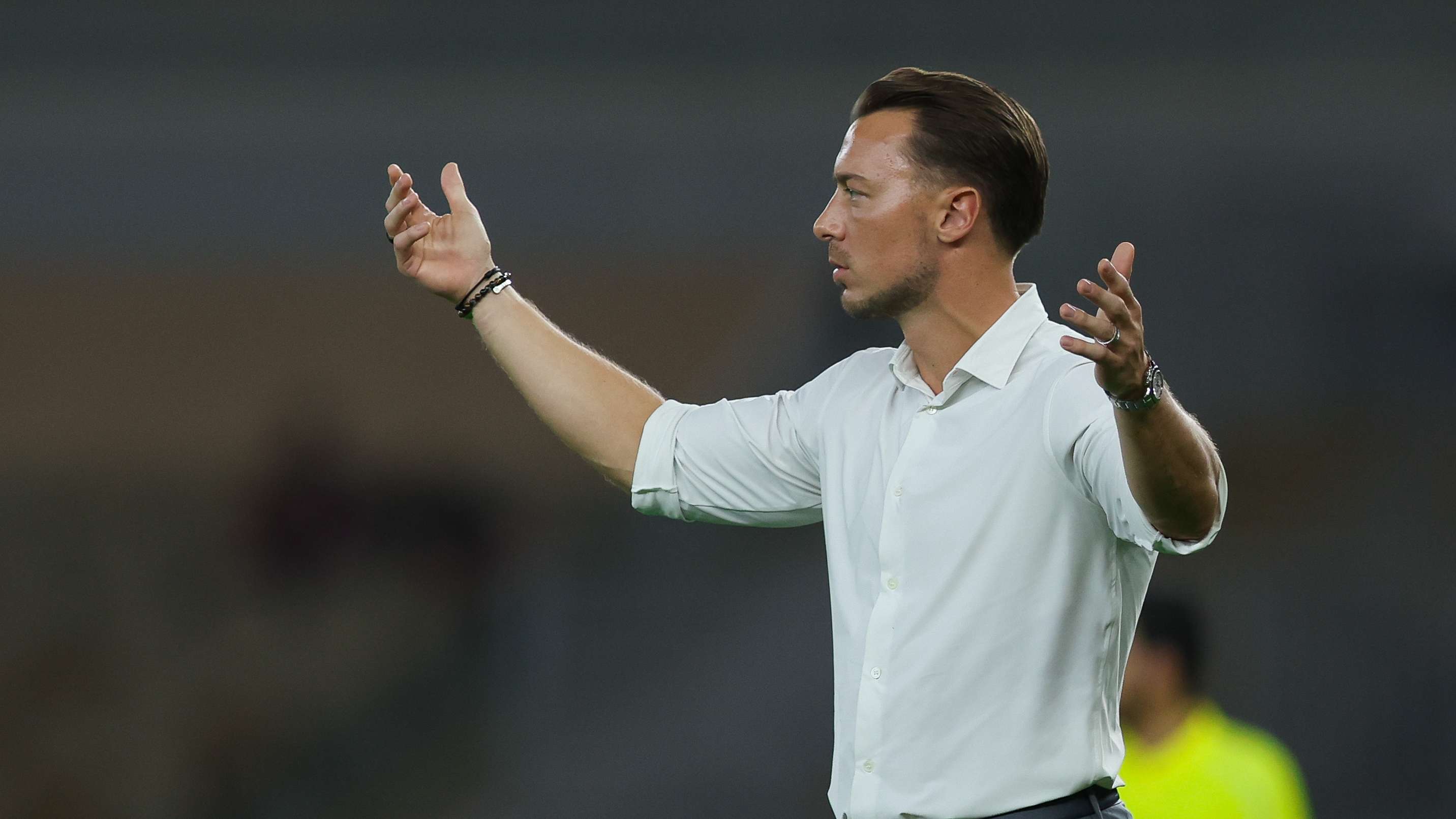
The referee’s controversial decision during Al-Fayha’s match has infuriated the German coach, sparking a backlash that could have lasting repercussions.
In a tense encounter that was finely balanced, the official’s late call—widely viewed as questionable—upset the visiting bench and ignited a heated exchange. The coach, known for his disciplined demeanour, could not contain his frustration, gesturing angrily and voicing his concerns to the fourth official.
While the precise nature of the disputed moment remains a topic of debate among fans and pundits alike, the incident has drawn attention to the pressure on match officials in high-stakes domestic fixtures. Al-Fayha, eager to climb the league table, now faces the challenge of regrouping ahead of its next outing, while the German strategist will be under pressure to keep his emotions in check.
For the referee, the backlash underscores the fine line between enforcing the rules and influencing the narrative of a closely contested game. W
The match saw a number of controversial incidents
Controversy dominated the contest, with several contentious decisions sparking debate among players, coaches and supporters. The referee’s whistle was a frequent source of frustration, as marginal calls on key moments—including a pair of late penalties and a disputed offside ruling—left both benches seething. Television replays only deepened the sense of unease, prompting post-match analysis and social-media backlash in equal measure. Such controversies are not uncommon in heated derbies, yet this encounter will be remembered for the intensity of the arguments rather than the quality of the play. As the final whistle sounded, fans were left discussing not goals or tactics but the fine margins that define modern football—and the human errors that turn celebrations into protests.
Al-Raqi were unable to secure all three points today, as they were held to a frustrating draw that leaves supporters and players alike feeling somewhat disappointed. Despite controlling large spells of the contest, the team ultimately lacked the clinical edge needed to break down their determined opponents. The final whistle confirmed a share of the spoils, but the sense of anticlimax around the ground suggested that anything less than victory would be considered a missed opportunity.
In the grand scheme of the campaign, a single point may prove significant come the final reckoning; yet, for now, the players and coaching staff must reflect on what might have been. With several key fixtures still to come, maintaining focus and converting dominance into goals will be essential if Al-Raqi hope to achieve their ambitious objectives.
German coach speaks out after the match
In a fiery post-match interview, the German coach unleashed a barrage of comments that will surely make headlines. Immediately after the final whistle, he addressed the media with a mix of frustration and determination, laying out his thoughts on the performance, the officials, and the state of the game. His words were sharp, his tone was defiant, and his body language left little doubt that he expected a response. As the press conference unfolded, it became clear that he was not simply venting; he was issuing a challenge—to his players, to the opposition, and to the watching world. By the time he left the room, one thing was certain: the debate was on, and everyone involved in the tournament would be talking about his remarks for days to come.
Al-Raqi is now adrift in the wind after Al-Fayha’s unexpected defeat. The result has left the club’s supporters and analysts alike reassessing its title credentials. With the campaign entering its decisive phase, the surprise loss to Al-Fayha has exposed vulnerabilities in Al-Raqi’s usually disciplined setup. The coaching staff will need to act quickly to restore confidence, shore up the defence, and rediscover the fluency that propelled them to the top of the table. Failure to do so could see their lead evaporate as rivals sense an opportunity to pounce. For now, the fans can only hope that the setback proves a mere blip rather than the start of a slide.

 Al Ahli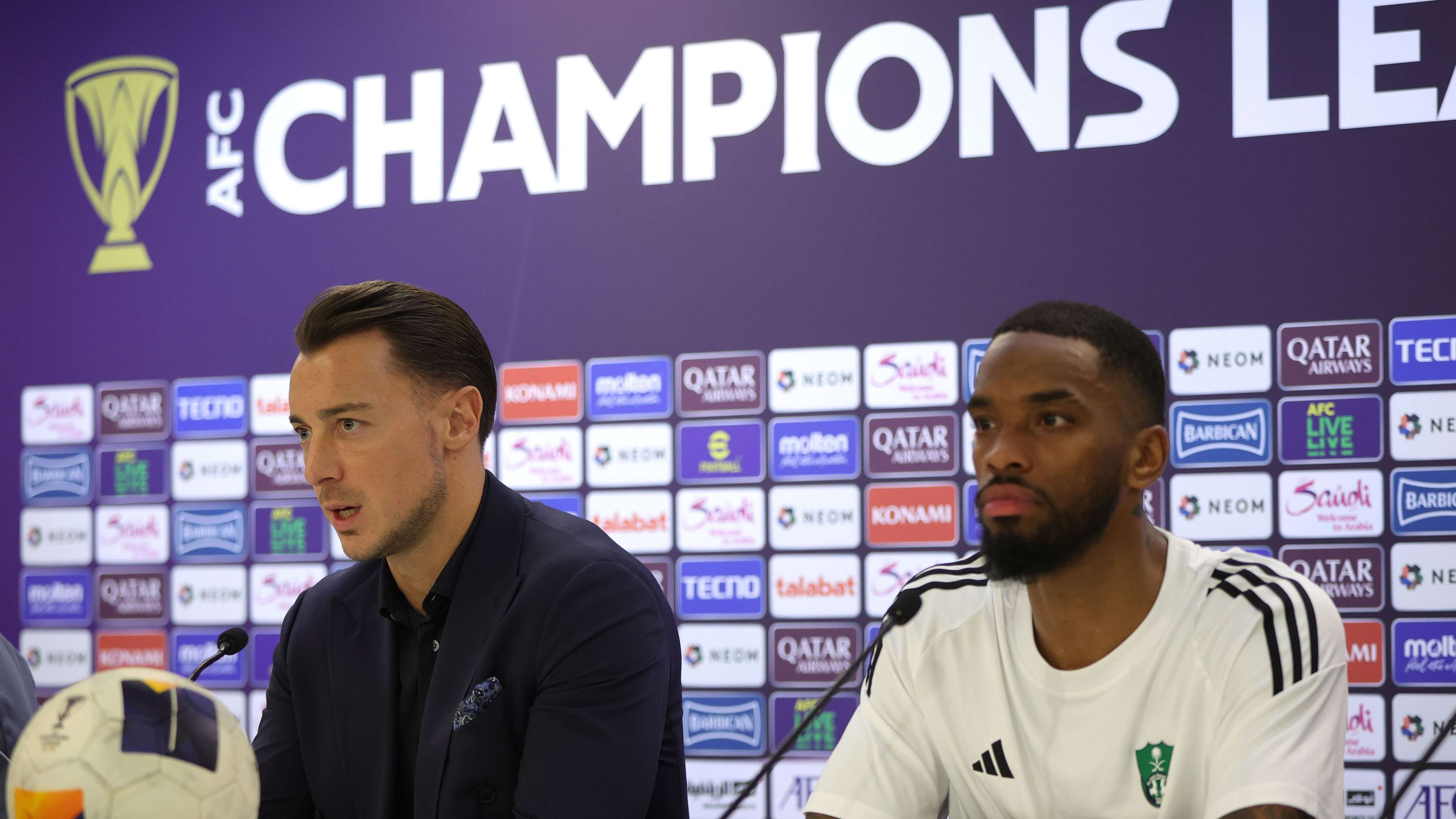
.png?auto=webp&format=pjpg&width=3840&quality=60)