Gianni Infantino GFXGOAL

Gianni Infantino at 10 years: Growth, controversy and the reshaping of FIFA

Gianni Infantino has now been in charge of football for a decade. If that is hard to believe, then it's fair. When Sepp Blatter, his predecessor, was removed from office in December 2015 amidst a massive corruption scandal, FIFA felt somewhat damaged. Once a powerful body, it was publicly marred by the kind of illicit activity that many suspected had been going on in private for years.

Infantino, then, inherited something of a mess. He was elected FIFA President in early 2016, and on Feb. 26 celebrates a decade in the office. There is no doubt that football has changed immensely in those 10 years. To be sure, the game is now more accessible than ever, both at a grassroots level and in widespread competitions. More people have more opportunities to play more football and at the highest level possible. This is no doubt a good thing.

Yet his tenure has not come without controversy, either. He will forever be intertwined with some uncomfortable political alignments, the defense of host nations that have committed human rights abuses, and a rise in ticket pricing that has made the game less accessible, at least in person, to the average fan. On his 10-year anniversary, GOAL examines the defining decisions, expansions and controversies of Infantino’s first decade in charge.
  • FBL-WC-CLUB-2025-MATCH63-CHELSEA-PSGAFP

    A new Club World Cup

    To be clear, the Club World Cup did indeed exist before Infantino took charge. But it was a small tournament, certainly looked down upon by traditional European powers. It was the kind of thing that didn’t matter - until you won it. But Infantino championed the push to revamp it. He first suggested that an expanded format, mirroring the setup of a traditional World Cup, should be considered in late 2016. 

    By 2019, it was made official: the Club World Cup would mirror the World Cup in size. Original plans for a 2021 launch were scrapped due to the COVID-19 pandemic. Instead, 2025 was chosen as the year for the first iteration of the new tournament - partially as a ramp to the 2026 World Cup in the United States. 

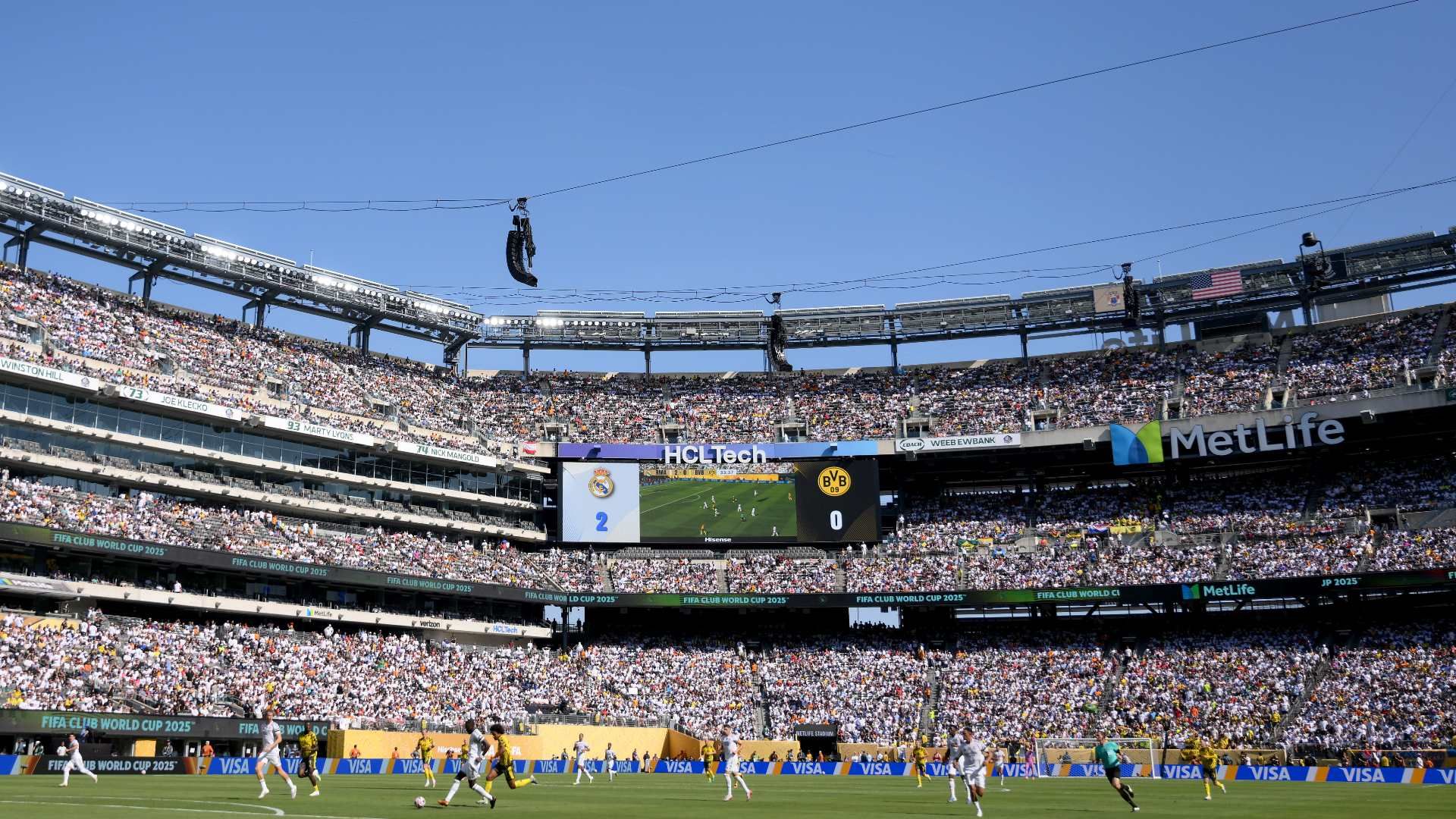
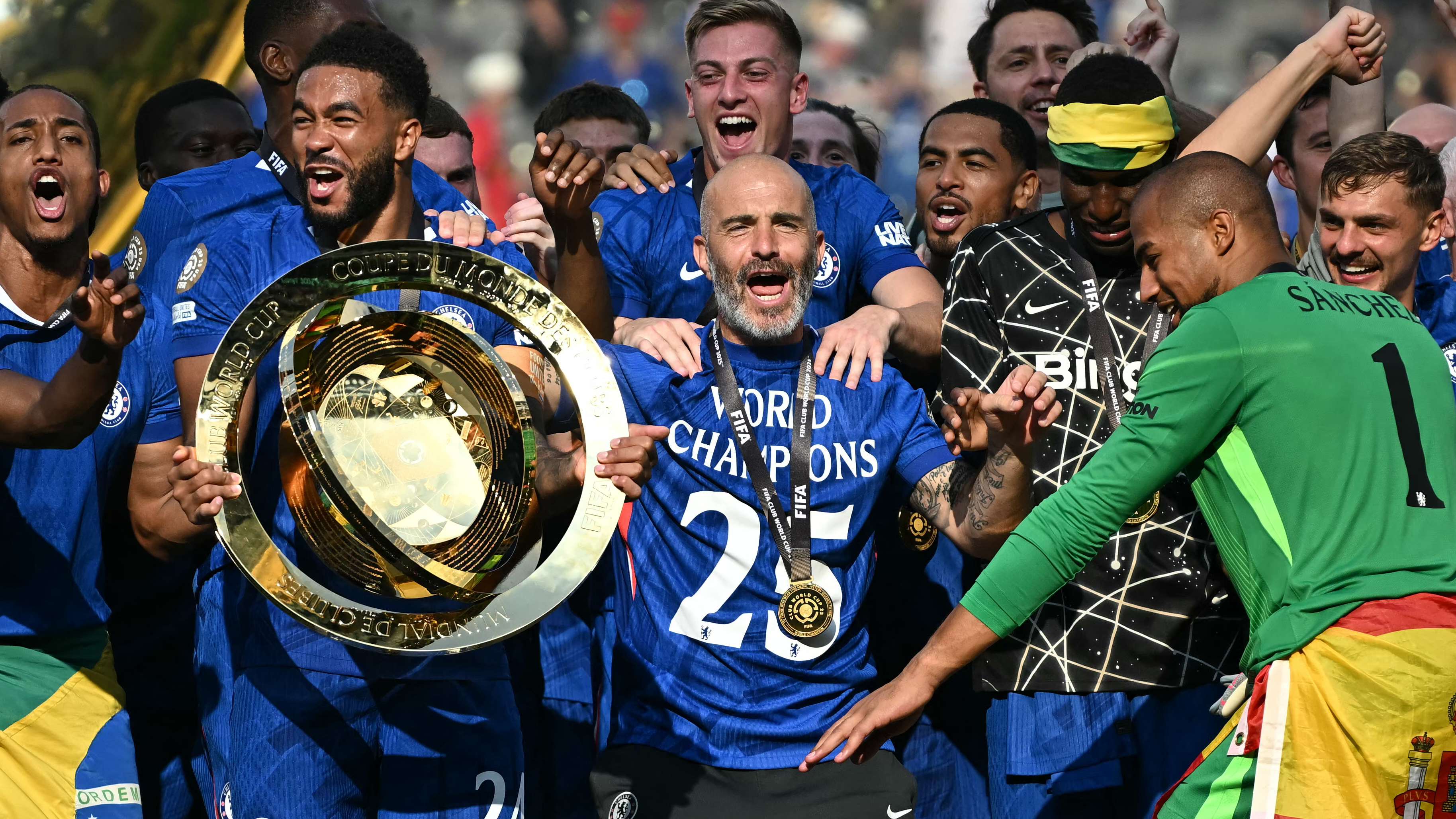
    Whether the 2025 tournament was truly a success is up for debate. Certainly, it gave clubs worldwide a platform to compete against each other. The final, which pitted Chelsea and PSG, was an event. But there were also concerns about empty seats, and the political ties with the tournament - ending with President Donald Trump popping up at the trophy lift - were no doubt uncomfortable for some. Still, the tournament will go again in 2029.

  • Advertisement
  • United States of America v Netherlands : Final - 2019 FIFA Women's World Cup FranceGetty Images Sport

    Championing the women's game

    Sepp Blatter, Infantino’s predecessor, when asked how people could be drawn to the women’s game, infamously remarked that the best way to get more eyes on the sport would be for players to wear “tighter shorts.” That was 2004, and the world has rather moved on since then. Women’s football is more popular than it ever has been. It’s a movement, to be sure, that is grounded in the grassroots and buoyed by fan culture. 

    But Infantino’s FIFA, no doubt, has given the women’s game a platform to continue to grow. FIFA distributed a record $152 million in prize money at the 2023 World Cup, 10 times more than the figure offered in 2015. In the last five years, thousands of developmental projects have popped up worldwide with the goal of championing the women’s game. That 179 nations are involved in qualification for the 2027 tournament is perhaps most indicative of the growth - and a symbol of just how far the women’s game has come.

  • Cape Verde World Cup qualification 2025Getty

    Giving smaller countries a chance to show their quality

    Cape Verde are a great story. The tiny island nation had flirted with World Cup qualification for years, and a true rising power in the African Football Federation. When they sent their home stadium into raptures by qualifying for the 2026 tournament, it was entirely deserved. Their success was their own, and brought about by smart management and allocation of resources to bring in dual nationals. 

    But they, to be sure, needed support. The biggest barrier for any country to get involved in global soccer is money. There is talent everywhere. But kits, pitches, referees - all of the obvious traditional trimmings - are hard to come by. FIFA Forward has, if not solved that, certainly helped in the effort. One billion dollars has gone towards the Confederation of African Football and its 54 member nations in the last decade. 

    And Cape Verde aren’t the only beneficiary. There are now 10 African sides in the World Cup. And outside of their federation, others have enjoyed a boost. Curacao, Haiti, and Uzbekistan are all going to compete in 2026. Their relative success means little - even if they aren’t there to just make up the numbers. Symbolism, it seems, is immensely important.

  • ENJOYED THIS STORY?

    Add GOAL.com as a preferred source on Google to see more of our reporting

  • FIFA World Cup 2026 Official DrawGetty Images Sport

    Aligning with political figures

    The FIFA presidency is, in effect, a political office. There is no escaping that. This is a global job, and Infantino is not only the singular most powerful man in football, but also the one with the most administrative pull. And, by extension, he has made it a clear priority to get in the same rooms as the other most powerful people in the world. 

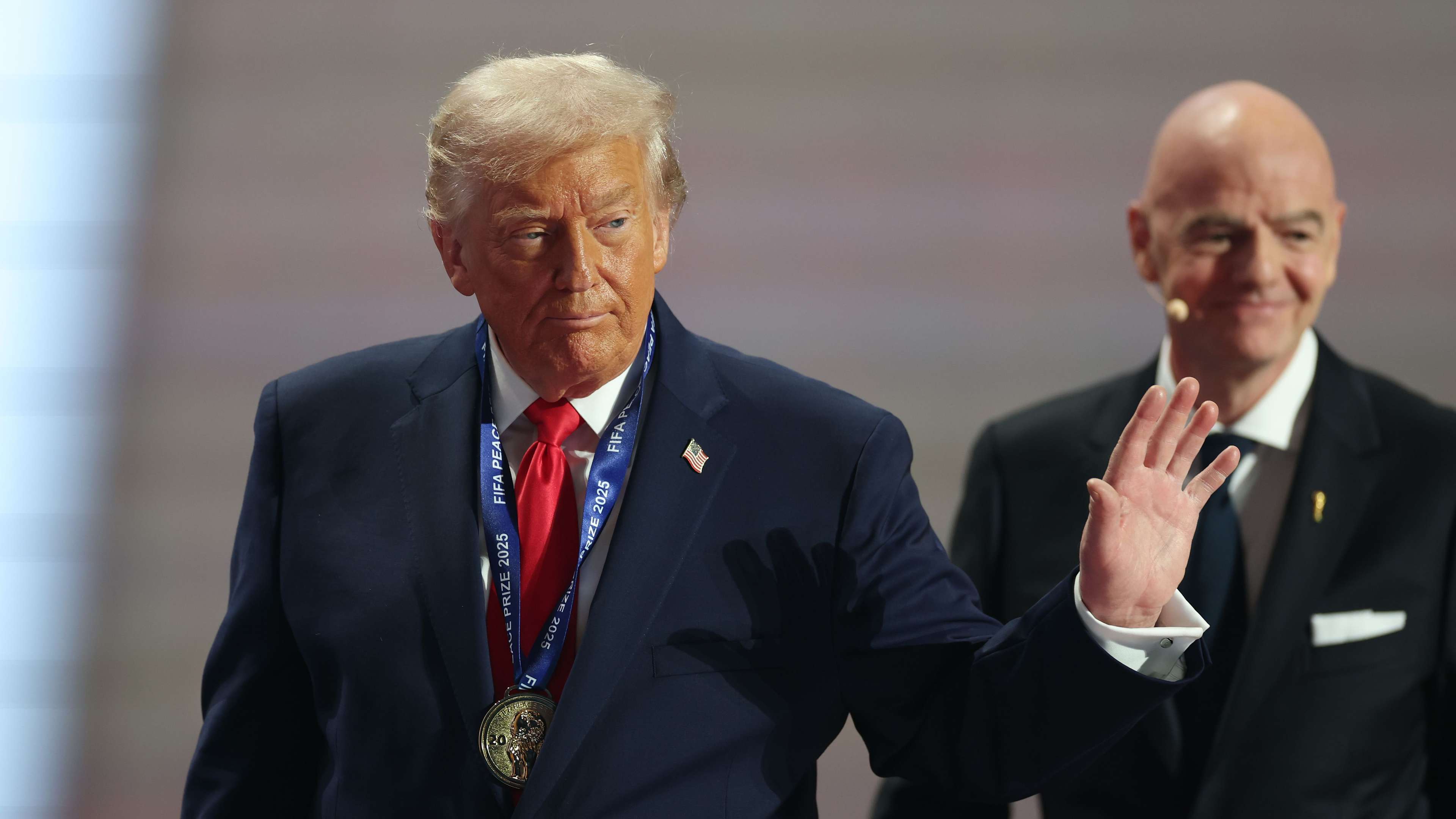
    The extent of Infantino’s relationship with some of them, though, has sparked discomfort worldwide. Infantino and President Donald Trump share a close relationship. The FIFA president appeared at Trump’s inauguration, repeatedly met up with him in the Oval Office, and controversially handed him the inaugural FIFA Peace Prize. He has been accused of breaching FIFA ethics rules over his comments involving the President.

    Trump isn’t the only one. Infantino has kicked a ball around with Vladimir Putin and attended a boxing fight with Crown Prince Mohammed bin Salman of Saudi Arabia. Infantino is not the first FIFA president to insert himself into global politics. He certainly won’t be the last, either. But his proximity to world leaders who have been constantly criticized for policies and viewpoints that have made life harder for many people is, at the very least, a source of discomfort.

  • Qatar 2022 World CupGetty Images

    Qatar World Cup controversy

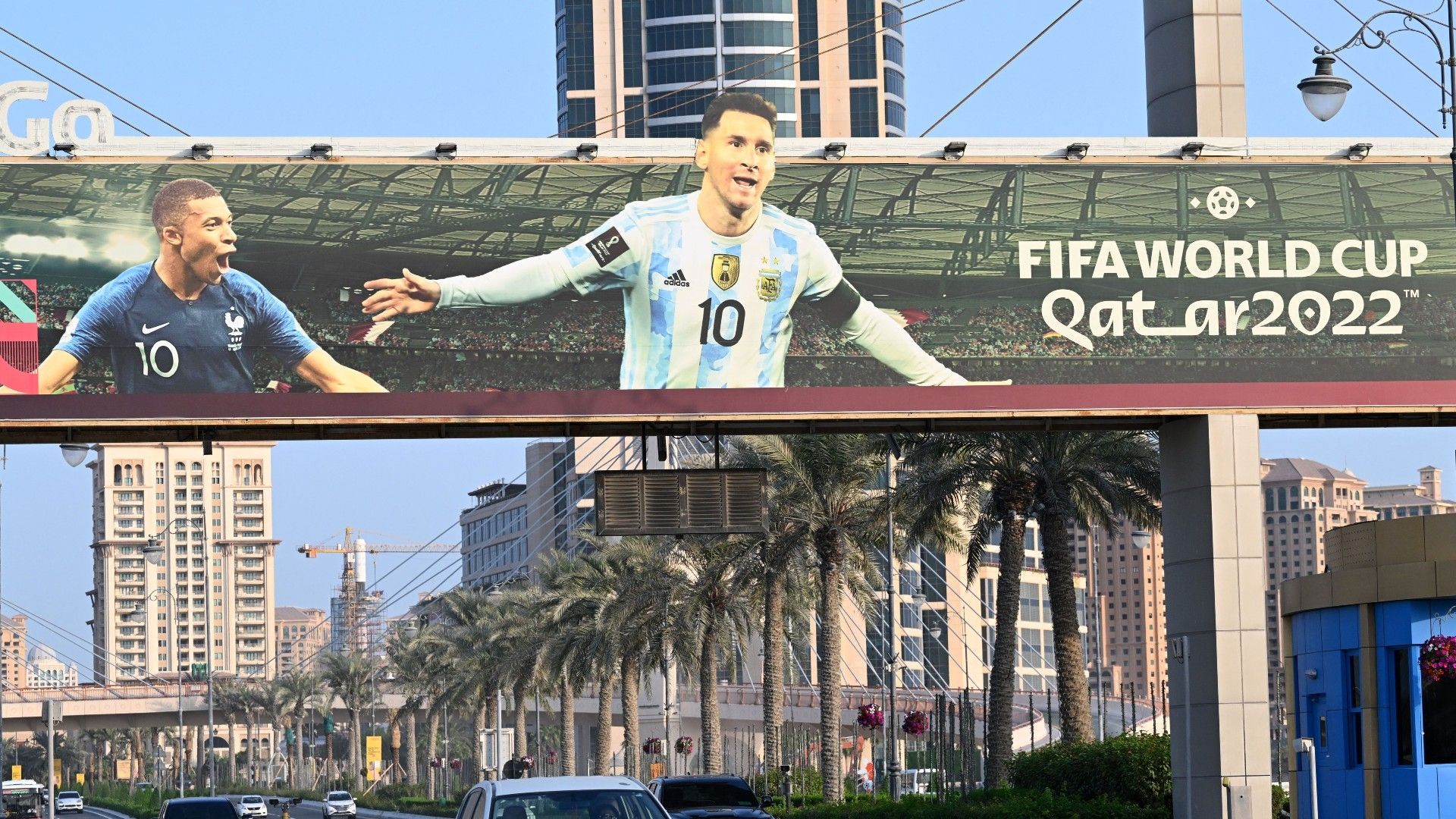
    The 2022 World Cup was awarded to Qatar before Infantino became FIFA president. The wheels of the immensely controversial tournament were set in motion well before Infantino was involved in the highest office in the sport. Blaming him for the decision to host the World Cup in the country itself is factually inaccurate. 

    But some of the issues - to put it mildly - that occurred in the run up to Qatar will forever be attached to Infantino’s tenure. There were concerns leading up to the tournament that workers who were involved in the creation of stadiums, housing and infrastructure for the tournament would not face equal and fair compensation. 

    Numerous outlets reported instances of injury, exploitation, and death involved in the setting up in the tournament. The Guardian reported that at least 6,500 workers died in the construction of venues and infrastructure.

    And in November 2024, an independent report made it official. Although FIFA had ‘taken steps’ to respect human rights, severe impacts did ultimately occur in a 12-year period from 2010-2022. FIFA has since donated millions of dollars through a fund to work with international developmental projects and allied itself with the World Health Organization. Still, the loss of life and confirmed reports of unpaid labor cannot be made up for with a fund.

  • metlife stadiumGetty Images

    Ticket pricing and the 2026 World Cup

    In an ideal world, everyone, everywhere, should be able to buy a ticket to see a World Cup game at a reasonable price. Tickets for this year's tournament, though, certainly seem to stretch beyond the pocket of an average soccer consumer. 

    The most expensive ticket for this summer’s tournament is five times the equivalent cost at Qatar in 2022. Dynamic pricing - which is a common practice among events in the United States and globally - has driven ticket costs through the roof. A parking spot at the final will cost $175. None of the revenue generated from the tournament will be subject to tax. 

    And while FIFA has drip-fed extra seats to those unable to secure tickets in the numerous original lottery draws for the tournament, many remain priced out.

  • InfantinoGetty Images

    A puzzling speech before the 2022 World Cup

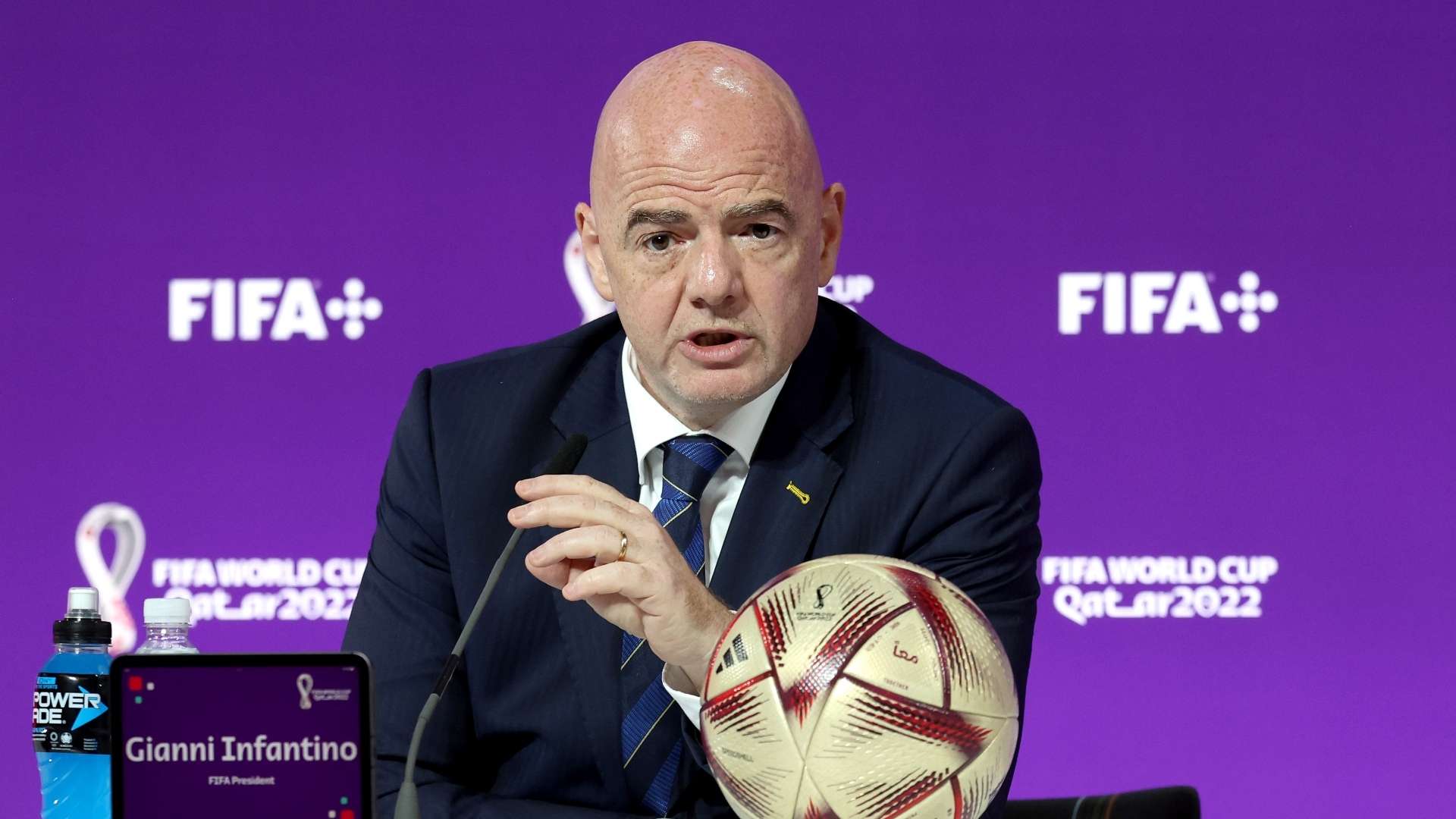
    On the eve of the 2022 World Cup, Infantino took it upon himself to address some of the criticisms directed towards the tournament. Many were made uncomfortable by the often extreme policies of the Qatari government, which were openly discriminatory against women and the LGBTQ+ communities. 

    Infantino, in an attempt to show his solidarity with Qatar, and frame the government’s politics as reasonable, gave a baffling speech

    “Today I feel Qatari. Today I feel Arab. Today I feel African. Today I feel gay. Today I feel disabled. Today I feel like a migrant worker. I feel like them because I know what it means … to be bullied. At school, I was bullied because I had red hair and freckles. Plus, I was Italian. So imagine," he said. 

    That address did little to assuage negative feelings, as Infantino took public heat for remarks widely regarded as insensitive and dismissive - not a defense of the state itself.

  • var premier league(C)Getty images

    The impact of VAR and technology

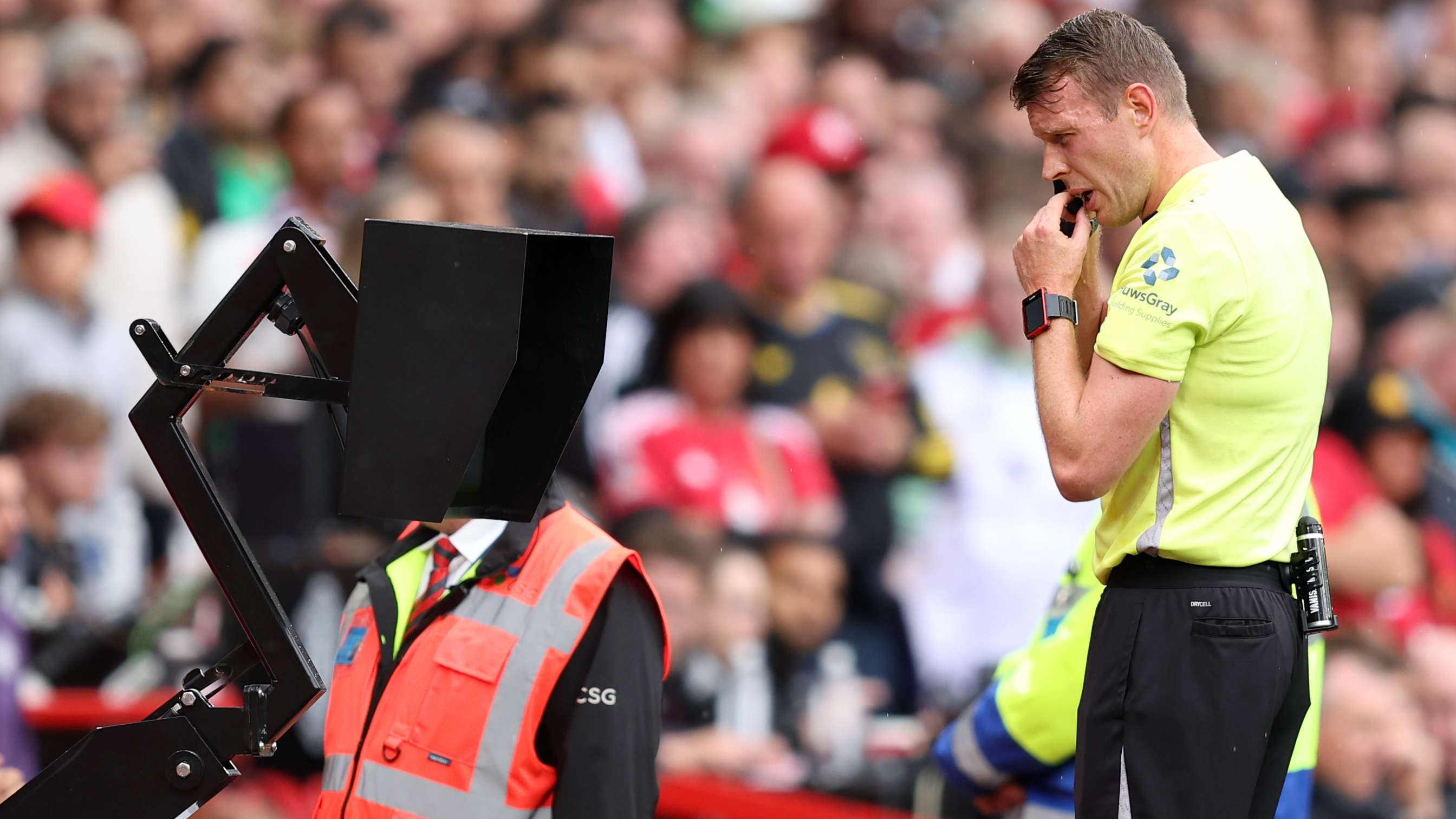
    Technology in football will always be an issue. Infantino has championed the use of VAR since his time in office - regardless of the controversies associated with its use. The system was first made active during the 2018 World Cup and has since proliferated worldwide, across most levels of the game. Its usage in college soccer is no doubt a measure of how far its reach expands. 

    And while there remain critics of the technology, it is only getting more advanced with every passing year. Semi-automated offside technology has made reviews quicker. Advanced camera systems and better-trained referees have helped the system improve following some major slip-ups. Meanwhile, referee body cameras have offered more clarity as to how the game is officiated in real time. 

    The International Football Association Board, which is a distinct body from FIFA, routinely votes on rules that have been pushed for by independent associations as well as those involved in the global game. Infantino, meanwhile, has claimed that it is 'not damaging football.' That debate will likely never go away. 

  • u17-world-cup-portugal(C)Getty Images

    The expansion of tournaments

    Infantino has made it an outright priority to expand competitive football. Friendlies and exhibition matches are all well and good, but competition not only improves development but also brings eyeballs to the sport. 

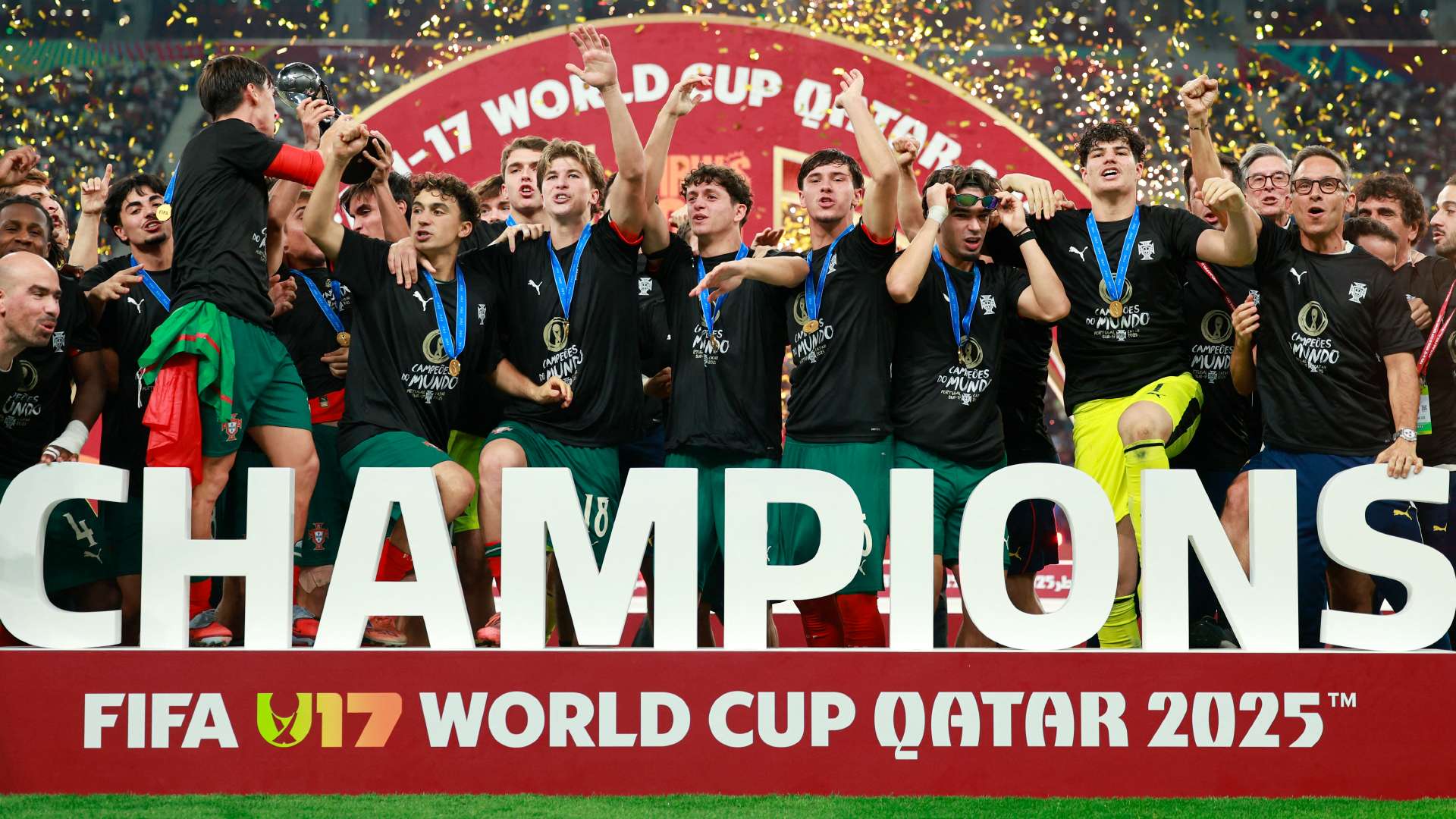
    The most obvious example of expansion is the 48-team World Cup set for this summer, which Infantino dubbed “104 Super Bowls in one month.” There have been other such examples. There are rumors that the Club World Cup could also expand to 48 teams by 2029. Elsewhere, the U17 World Cup is now held annually, which no doubt offers further chances for development. 

    The flip side, of course, is concerns about player welfare. More teams involved in more tournaments means more of a burden on professional footballers. On the men’s side, some could play up to 80 games in the 2025-26 season should they advance in their club competitions. Never before have soccer players been asked to push their bodies so far.

  • Fluminense FC v Al-Hilal: Quarter Final - FIFA Club World Cup 2025Getty Images Sport

    Offering talent pipelines

    In hand with expanded tournaments has come a clear focus on developing youth talent. There are always going to be problems with access to football around the world, with no doubt thousands of undiscovered talent operating in areas where there aren’t the right tools for them to fulfill their potential. 

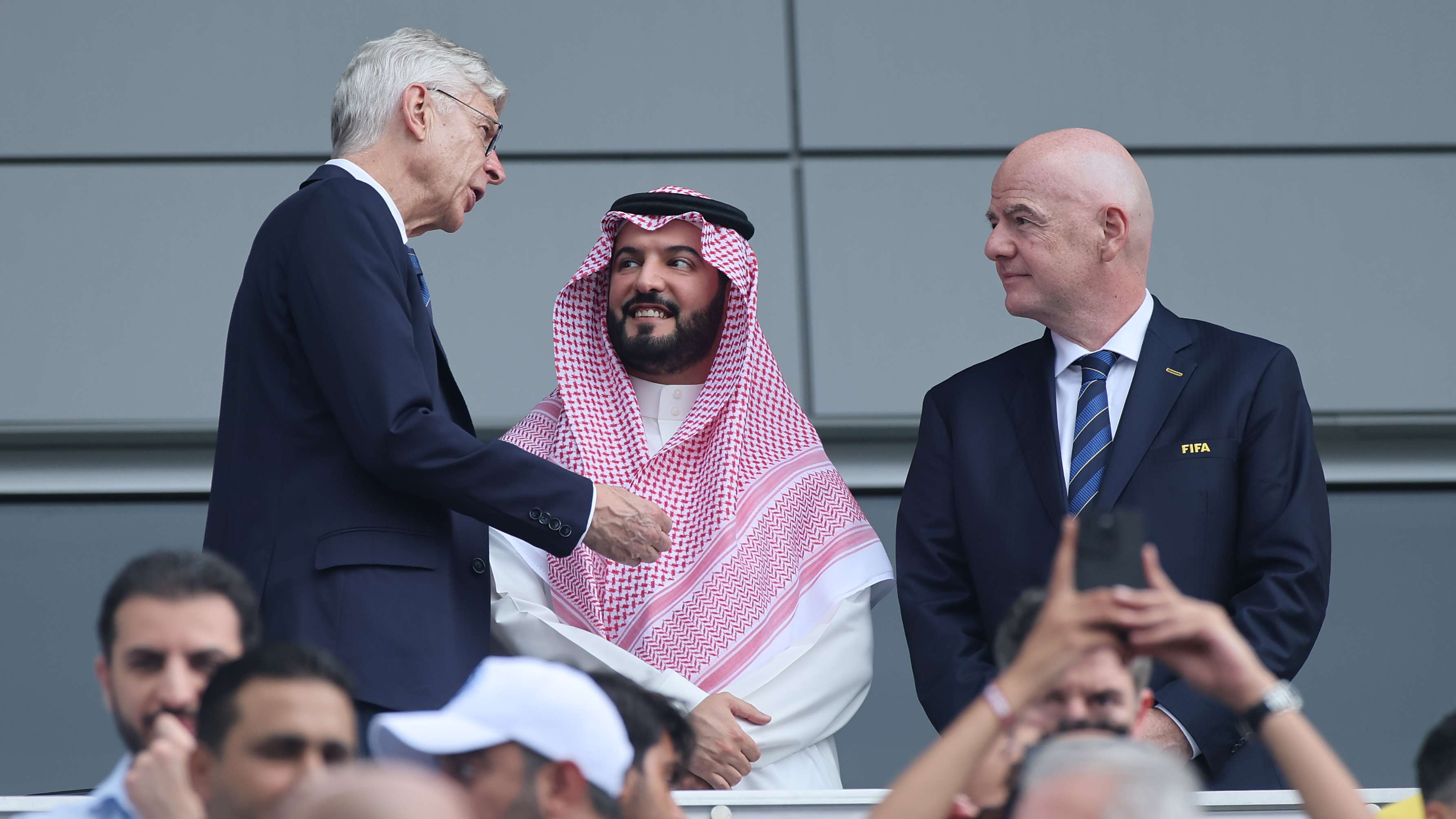
    But FIFA’s talent development scheme, pushed by former Arsenal manager Arsene Wenger, has helped bridge the gap. In 2022, FIFA officially unveiled its Talent Development Scheme, which offered bespoke assistance to member nations that could not fully assist some of the brightest young players in their footballing journeys. 

    Since then, 60 FIFA academies have opened worldwide, while the organization says it will have 75 by 2027.

0