
FEATURE
by:
David Suggs
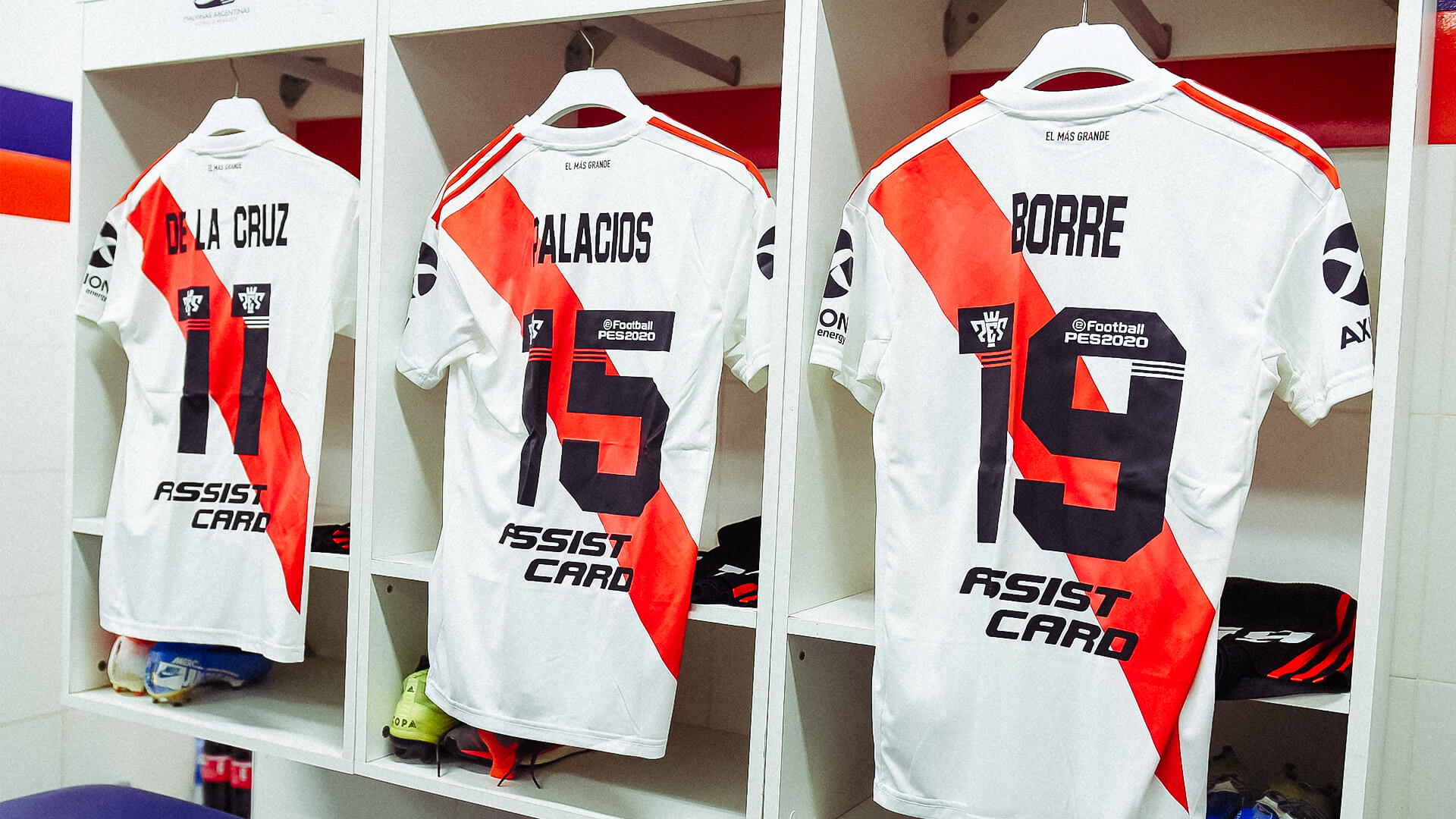
History swirls on grass pitches across the United States. Soccer players throughout the country, both amateur and professional, are striding into games in style. Their feet are bound in retro T90s and Predators, their bodies draped in vintage tracksuits.
And when they take the pitch, they do so with collective nods to football past. Retro jerseys have become all the rage around the sports world. Soccer is no exception, either. Passionate acolytes of the beautiful game deck themselves in billowy kits adorned with sponsors of old: Sharp, JVC, Teka and Bwin, among others.
Eric Cantona, Thierry Henry, Ronaldo Nazario and Kaka’s playing careers might be over. But they reunite in a cultural tribute every weekend. Their iconic jerseys live on.
They’re not alone. There are millions watching on in the distance, their royal shades growing stronger as time goes on. The economy surrounding vintage kits is booming. The Chernin Group, a U.S. private equity firm, invested $38.5 million last year into industry power Classic Football Shirts. That came after a series of celebrities, including Kim Kardashian, Drake and Addison Rae, adorned themselves in Roma, Arsenal and Brazil colors, respectively.
Classic Football Shirts, among other vintage kit retailers, have capitalized on the spike in interest. Founded in 2006 by students in Manchester, England, the company is profitable and expanding. There’s a pop-up location in Miami, and New York and Los Angeles opened their first permanent stores in 2024.
"Sport connects you with the past, the present and the future,” TCG investor Greg Bettinelli said. “It’s multi-generational in nature. It tells you a little bit of a story about yourself, in the same way as a concert T-shirt might - it’s a moment in time. From an investor perspective, we gravitate to anything consumers act with pride or passion and with their wallets.”
Located on Canal Street in Manhattan, Classic Football Shirts’ storefront might not register at first glance. But enter the store, and the color sprawls within its walls, from flaming yellows to vibrant vermillion. Striking, vintage kits line the hulking metal racks lined across the interior. Liverpool, Fiorentina, Manchester United - they’re all there. So too are Ghana, Palmeiras and second division German side Karlsruher SC - aging kits lying in repose until a buyer grabs hold of their collar.
"As we build up to 2026, people across the U.S. are getting more engaged with football,” co-founder Doug Bierton said, referring to the World Cup being hosted in Mexico, Canada and the U.S. "There’s a growing audience for football shirts there."
The numbers tell a similar tale. No market has proven faster-growing for Classic Football Shirts than the U.S., which represents about 15 percent of its sales, according to Front Office Sports. Expect that figure to swell in a World Cup year.
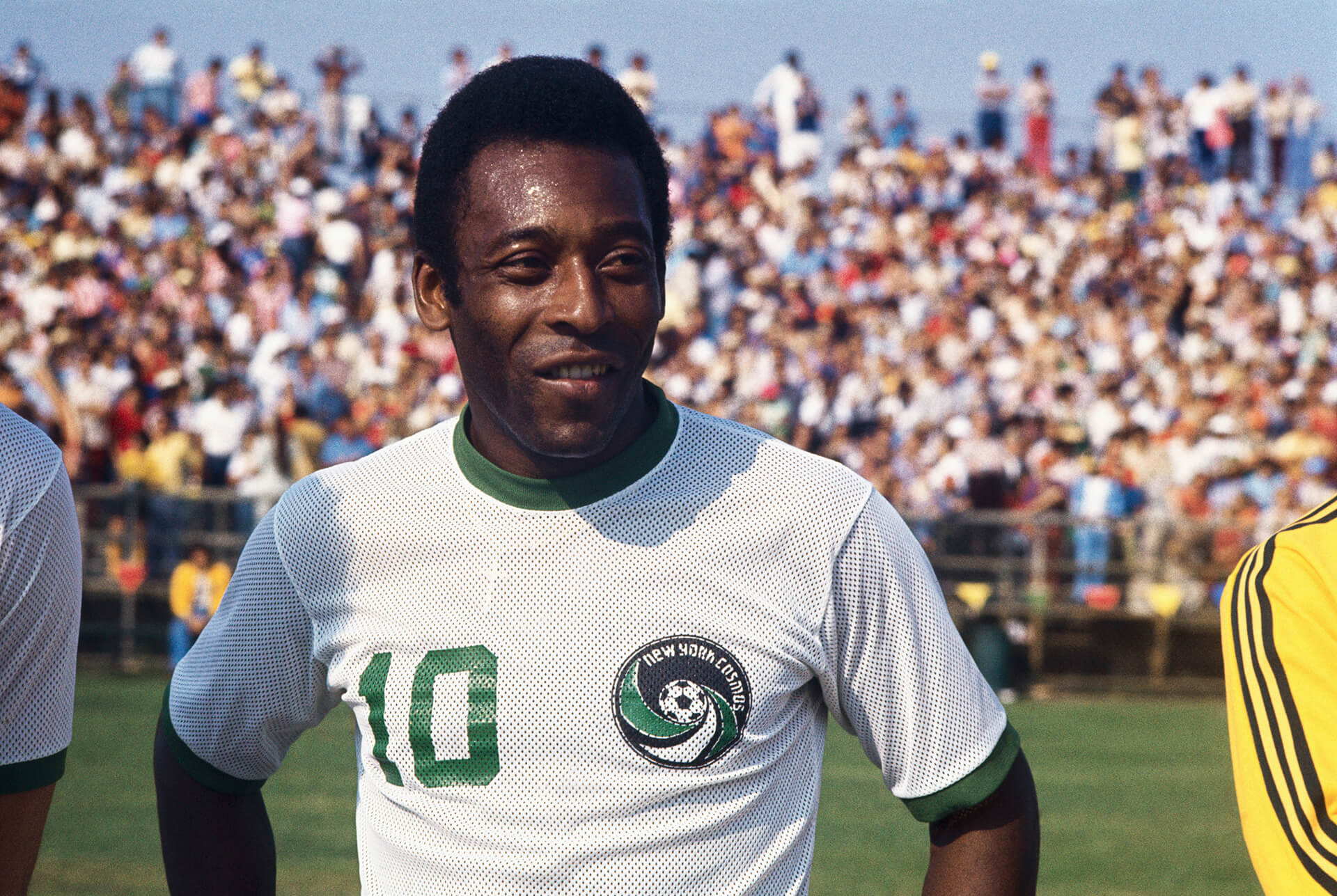
Another popular retailer, Saturday’s Football has mass appeal, with physical outlets in NYC, L.A. and Chicago, and markets its online store as a “community hub” for soccer culture: “For true football romantics, a retro soccer jersey is more than a shirt - it’s a piece of history. Whether it’s the 1998 Zidane France jersey, a 90s-era Manchester United kit, or a throwback Brazil shirt worn by Ronaldo, these jerseys evoke nostalgia, passion, and timeless style.”
“We get Juventus, Man United, and Chelsea shirts all in the same order,” said Saturdays Football creative director Mat Davis, adding that 80% of online purchases are for vintage items.
Why the obsession with retro kits? Is it merely a wistful longing for nostalgia? A mark of increased soccer consciousness? Are the jerseys of the past merely better than the ones produced now?
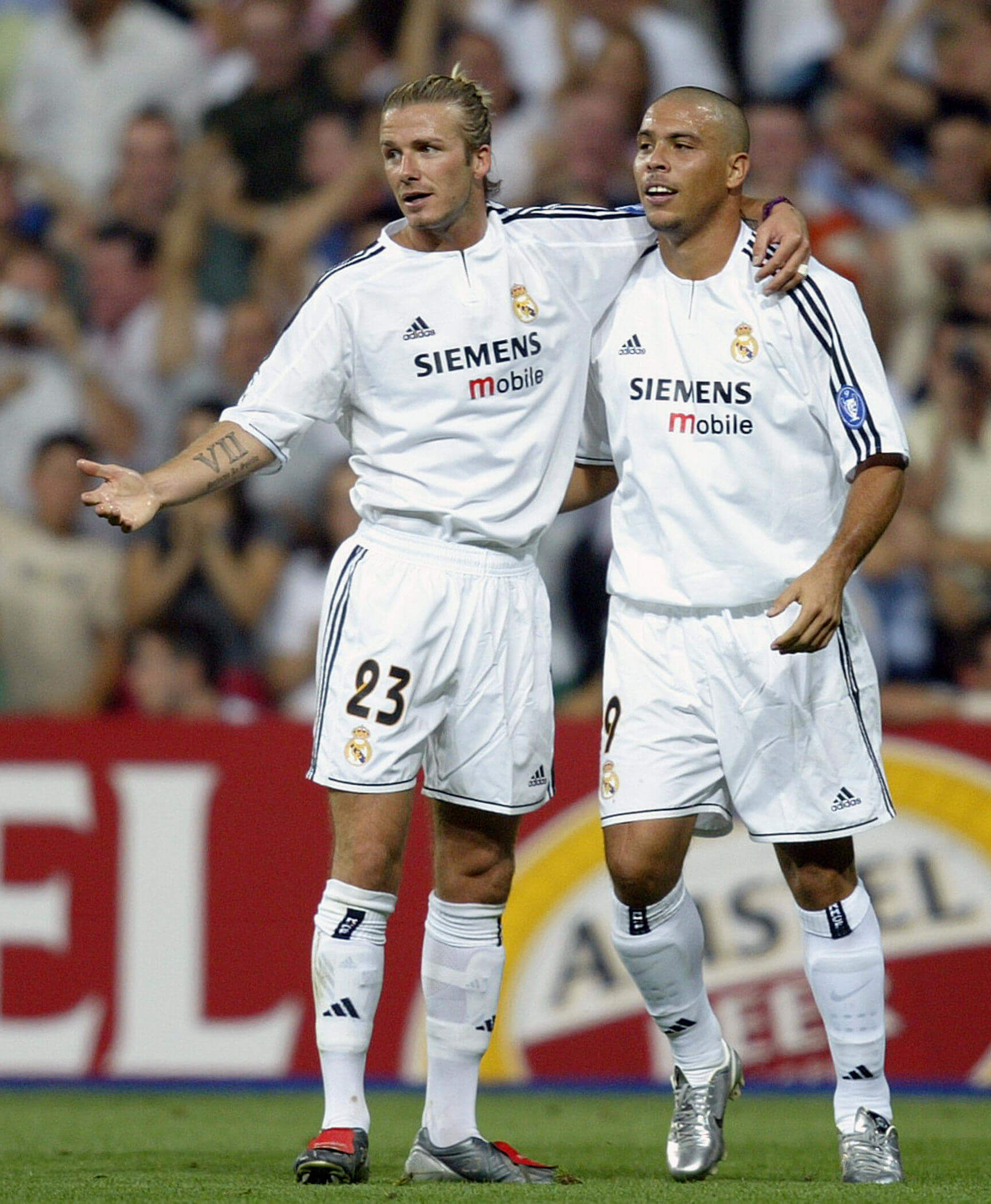
Perhaps all are true. Celebrities and influencers have also had an impact, turning the retro kits into high fashion. Still, the pitch remains throwback kits’ most important and effective catwalk. It was there where the trend was fortified, thanks to iconic footballers of the past. David Beckham is reborn when an amateur player whips crosses into the box in his Real Madrid jersey. Antonio Conte’s midfield combativeness resurfaces anytime his strip lands atop a tough tackler.
Retro soccer kits blend fashion, nostalgia, and football heritage. They’re emotional time machines for older fans and status symbols for younger ones - making them one of the most authentic expressions of soccer culture.
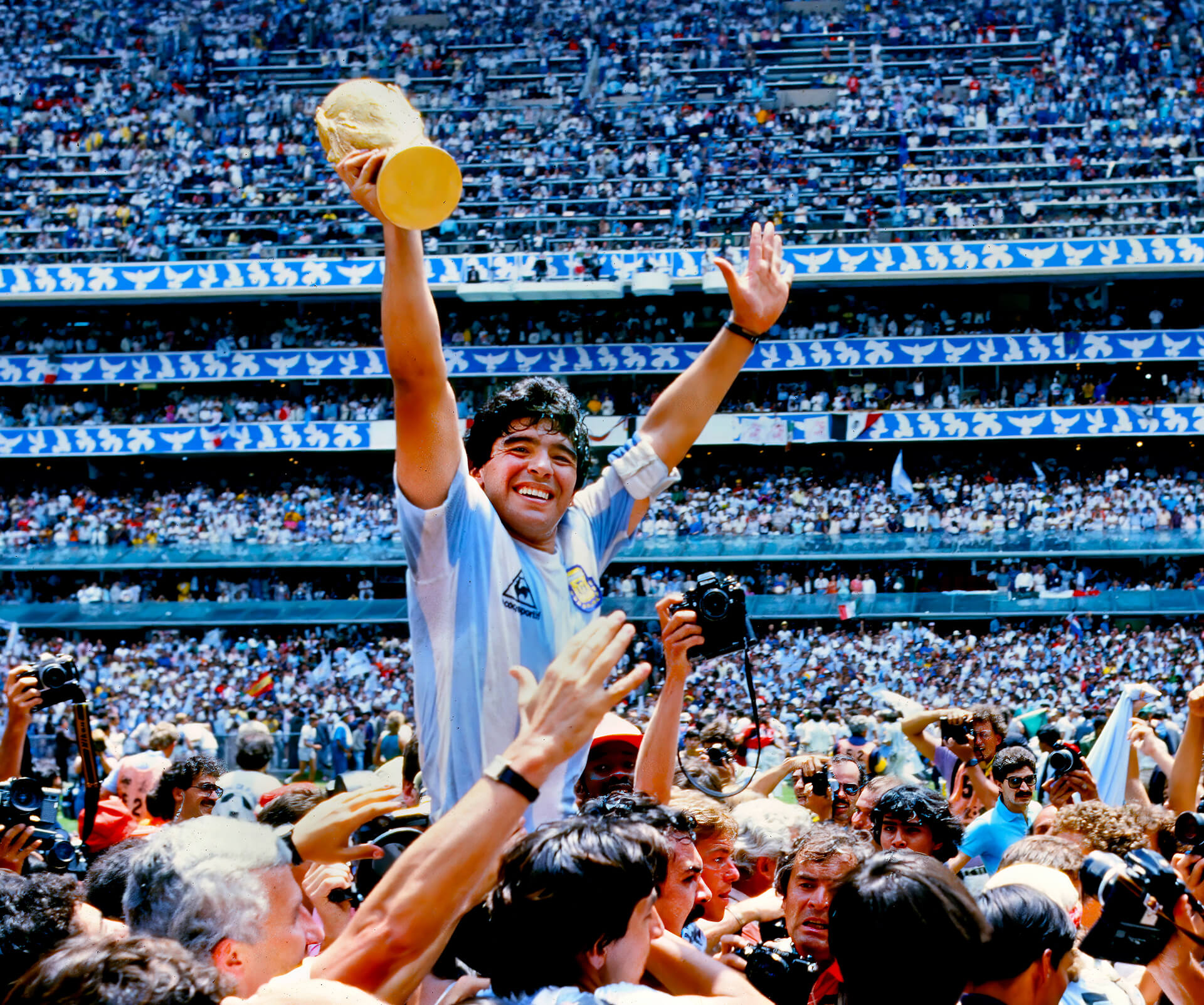
Fans love reliving iconic moments - Maradona in '86, Baggio in '94, Ronaldo in '98. Wearing a retro kit taps into memories, first matches, or legendary players. They often feature cleaner designs, bold colors, or geometric patterns that stand out compared to today's more templated or sponsor-heavy shirts.
Soccer shirts are now lifestyle pieces, worn by musicians, influencers, and designers. Retro kits act as cultural signifiers - wearing Brazil '70 or Nigeria '94 is a way to show appreciation for global football history. Vintage clips and images go viral, highlighting kits from the past as much as the players.
And it’s not just international kits. The domestic leagues in the U.S. are getting in the game. But it’s tricky to find the right target demographic. Do you feed the loyal fans? Do you try to branch out, get random people around the world to wear your colors - even if they've never watched a minute of your team, you know, play football? Or do you just say "forget it" and make something that looks really cool?
With its recent Archive Collection release, MLS attempted to check all of those boxes. And in rare fashion, it works. The league released 10 new retro-ish jerseys, all of which pay homage to the weird and wonderful history of American soccer. Some pay tribute to the early days of MLS. Some, like Seattle Sounders, Minnesota United and Charlotte FC are a little more recent.
From Park View to Piedmont, retro kits are en vogue. They’re quilts, not blankets - each thread connecting to another, telling its own tale. Some trends fizzle after just a few months in the spotlight. Others burn on for years, building in strength as a choir of consumers sing their praises.
The vintage jersey appears to be the latter. From the penalty box to the runway, pitches to pubs, the appeal for these durable, colorful heirlooms is only growing in the United States. For entities such Classic Football Shirts, Saturdays - and others that are sure to follow - that constitutes a boon.
“It’s become cool to wear classics,” Bettinelli said. “Not jerseys that you’re buying on Arsenal.com. Ones that are hard to find, and impossible to replicate.”

Copyright © 2026 Goal All rights reserved. The information contained in Goal may not be published, broadcast, rewritten, or redistributed without the prior written authority of Goal