
interview
Article by
Gill Clark
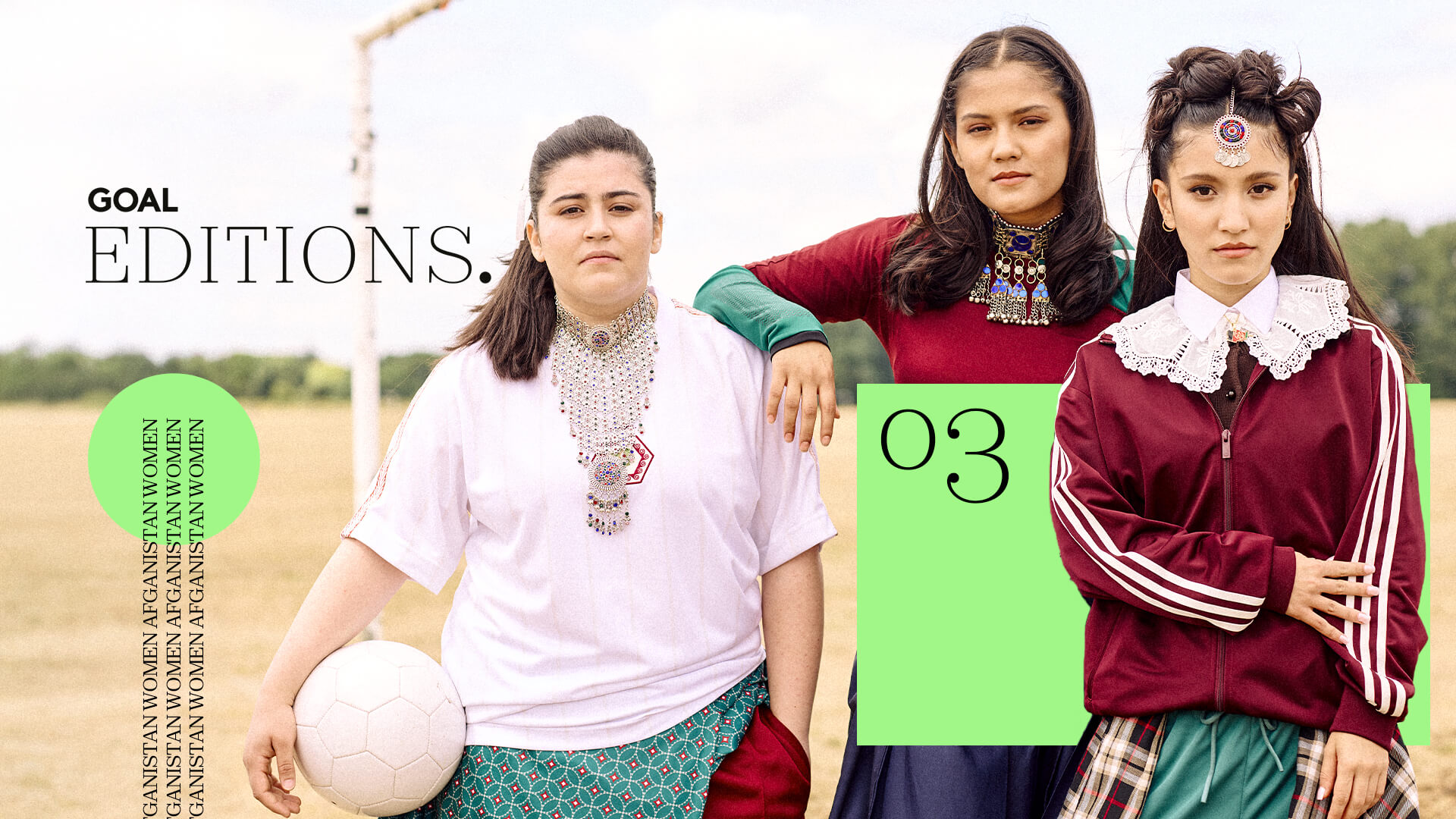
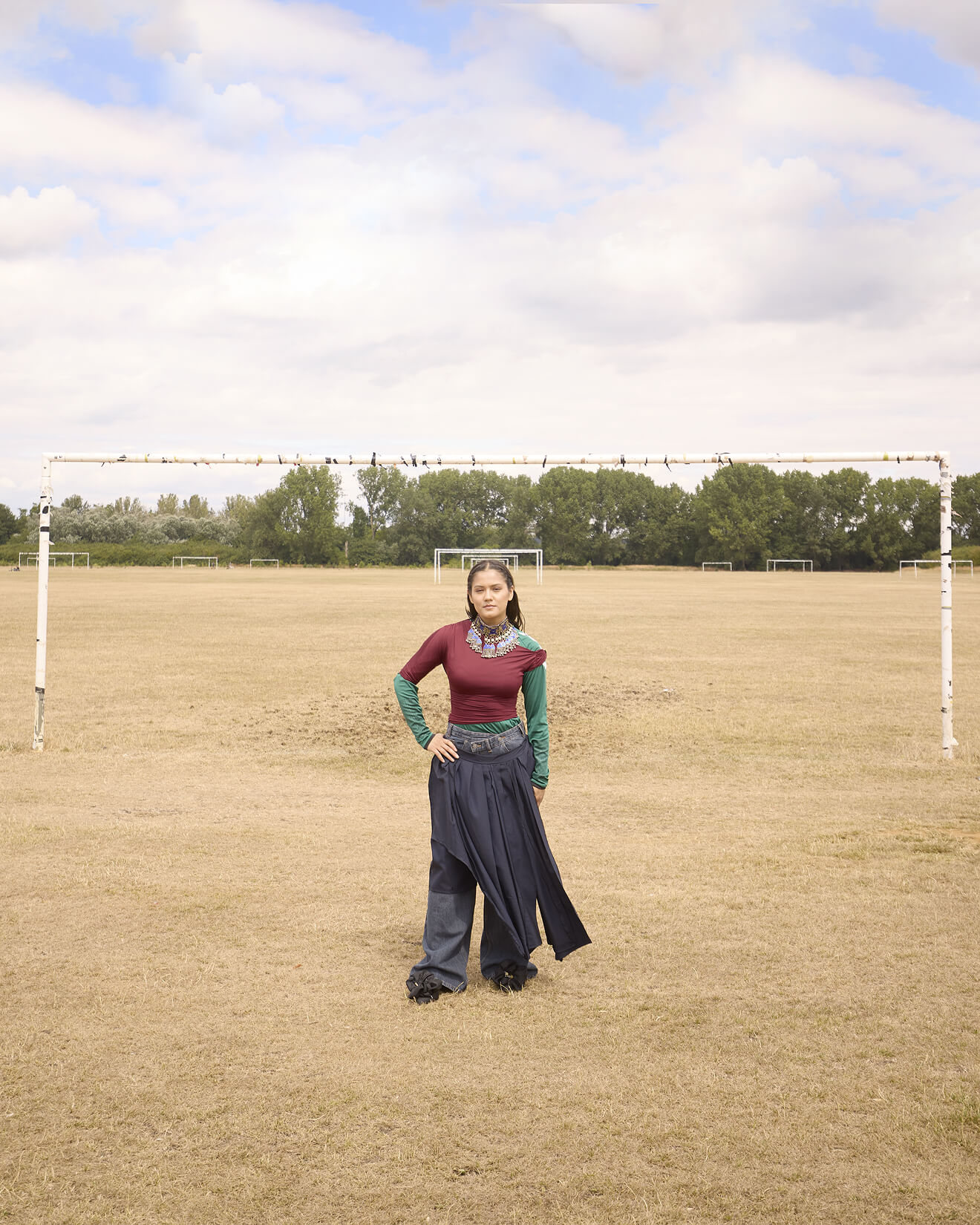
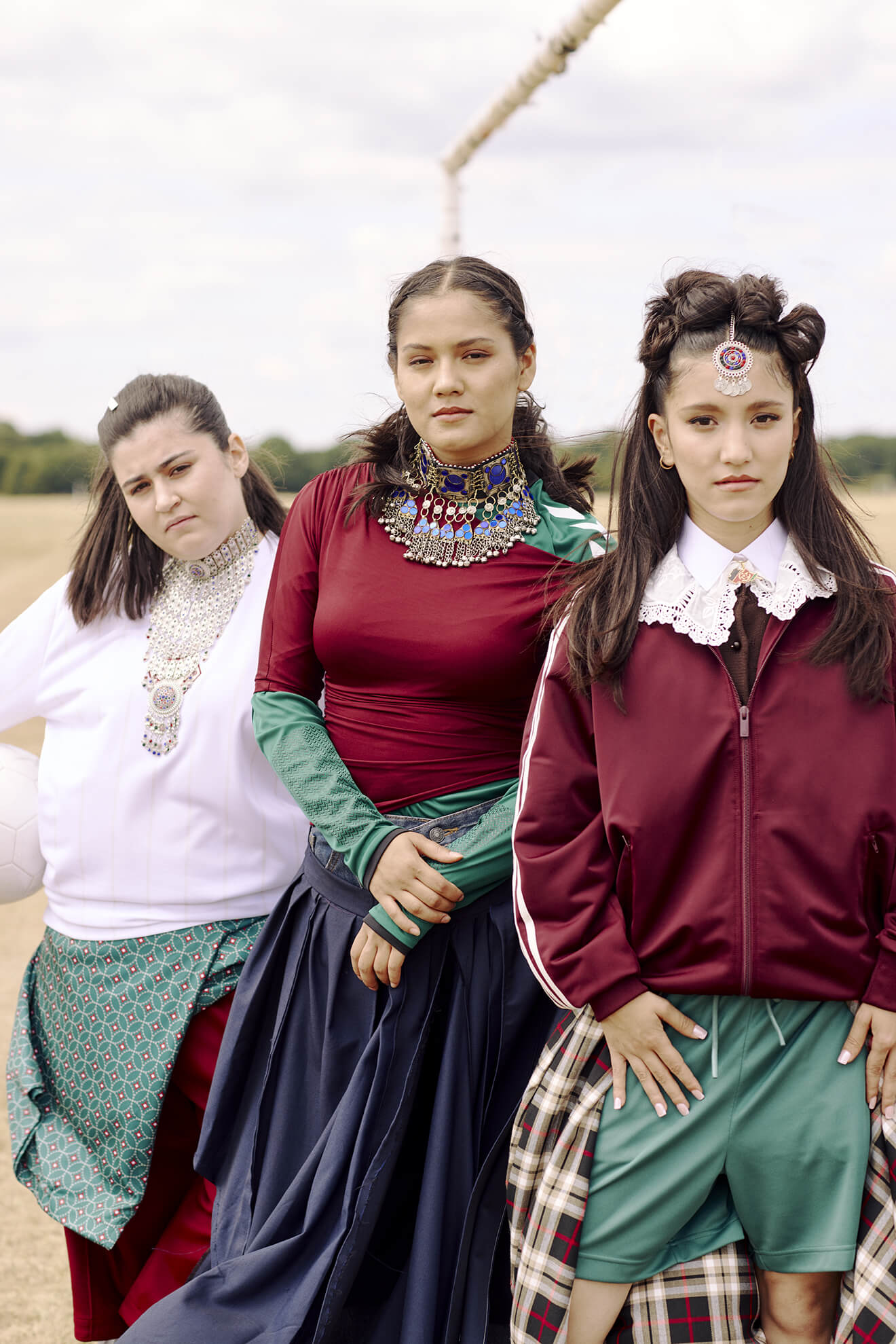
Fatema Baratyan, Elaha Safdari and Sahar Chamran were among dozens of female Afghan players forced to flee the country and scatter across the globe in 2021 when the Taliban returned to power. Women and girls were immediately banned from participating in sports, while other basic rights and freedoms were limited during a truly terrifying time.
“We spent a month in Kabul, trying again and again to escape,” Elaha tells GOAL Editions. “We went to the airport so many times but every time we left empty-handed, broken and terrified. Explosions. Chaos. Crowds. People dying right in front of us. Each time we went to the airport, we didn’t know if we’d come back alive. It felt like a film. But it was real. It was our life.”
The Taliban’s return to power meant the Afghan FA had to align with their rules. The national team has not played a match since and there hasn’t been a single training session, either. The Afghan FA won’t recognise the team officially and many players have had to give up on their dreams of playing the beautiful game ever again.
“Some of my team-mates, because of the situation, they couldn't come with us,” says Sahar. “But when the Taliban took their country, they ran away. They always tell me, ‘I miss the ball, I don't have the chance to play again’. That’s why it gives me passion. I should not only play for myself but for her.”
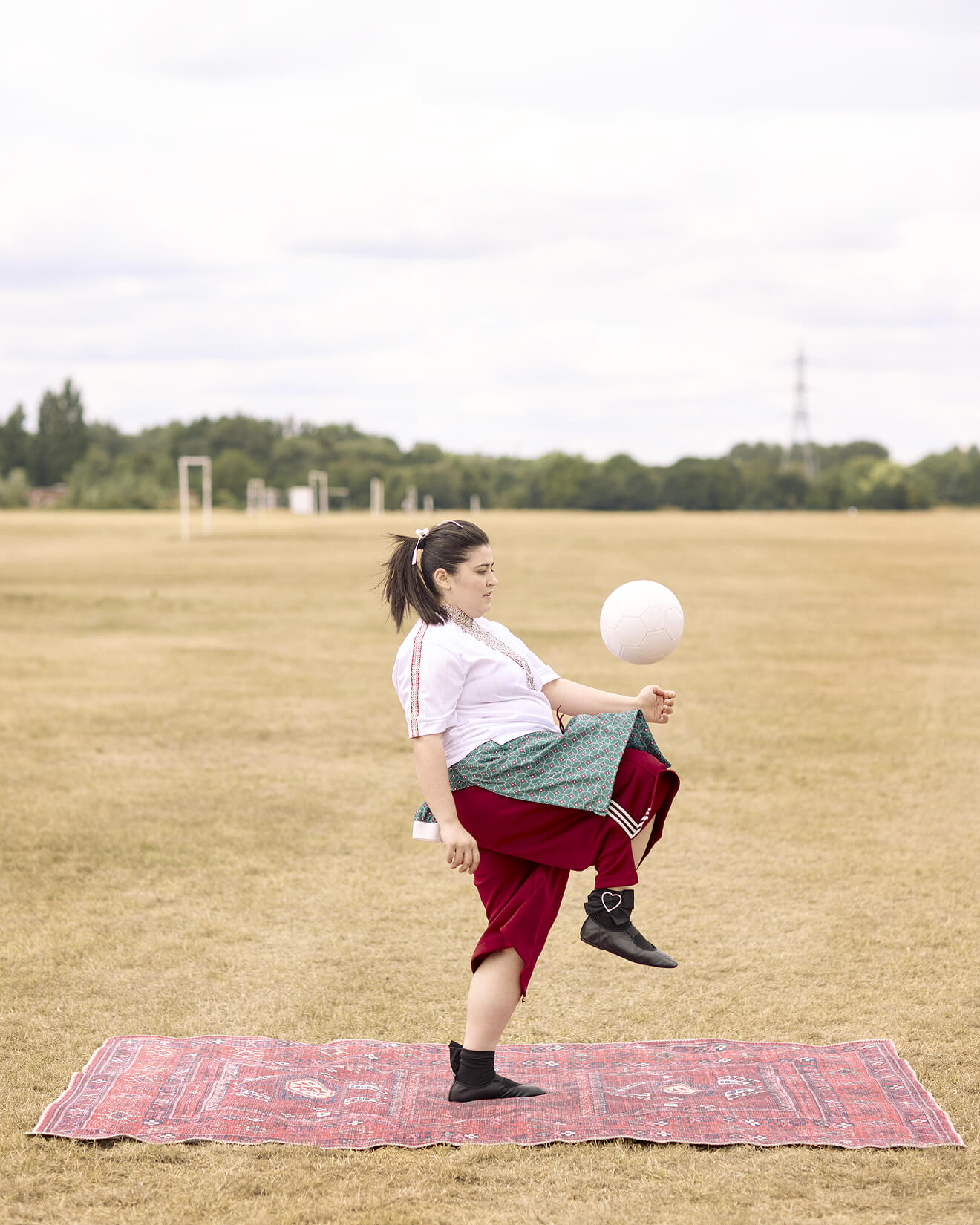
Exiled players now reside in the UK, EU, Australia, the United States and many other countries, but the desire to represent their country in international competition remains as strong as ever. A sport that unites people from all over the world had always been a part of all three players’ lives, and Elaha recalls how she fell in love with the game as a child.
“Football has been part of my life for as long as I can remember,” she says. “As a child I played with my brother kicking the ball around wherever we could. We were big fans of Real Madrid, big passionate about the game. I didn’t even understand what football was at first. I just knew it made me feel alive.”
Four years since the Taliban returned to power, there’s still no Afghanistan women’s team and progress is excruciatingly slow. This is no easy challenge. Players are spread across the world, many have retired and all are uncertain about what the future holds. Yet there’s a refusal to give up hope and, just like the Lionesses, a determination to inspire the next generation.
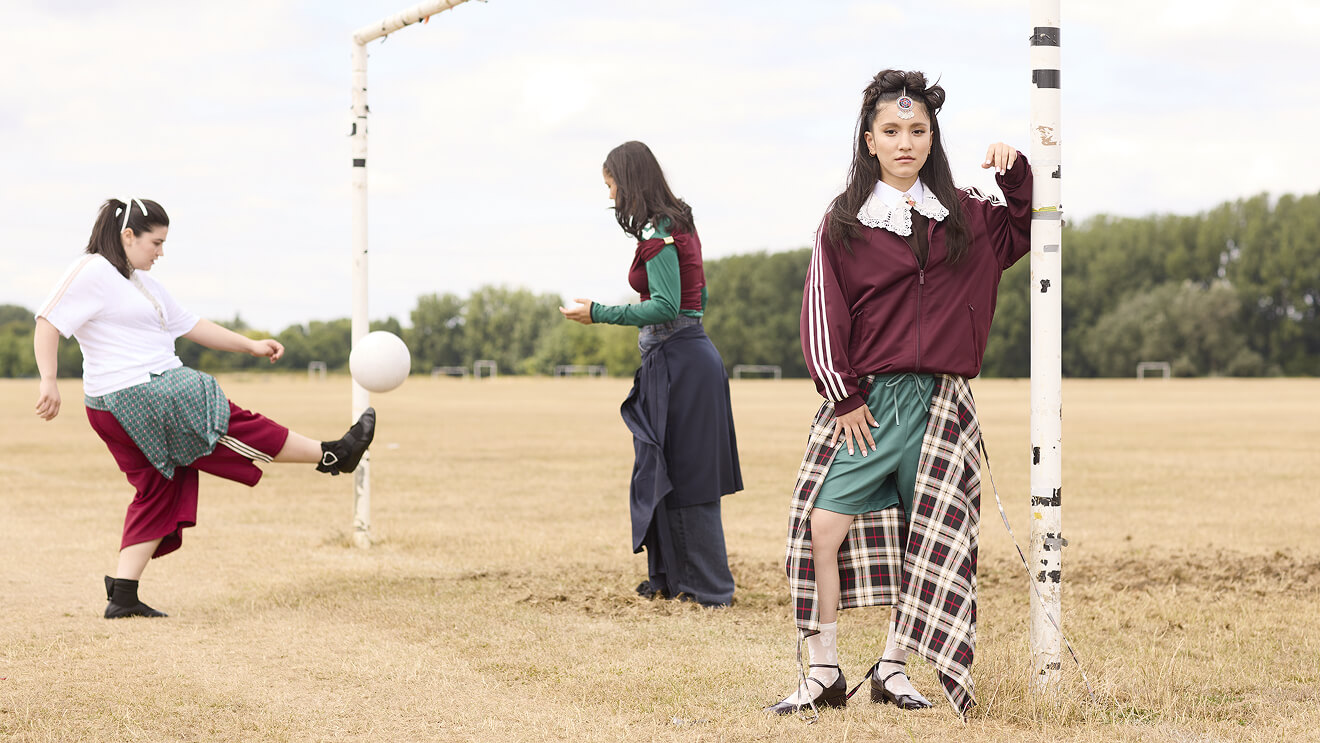
“Football didn't just save our life. It gave us the purpose to raise our voice for all the voiceless,” Fatima and Elaha explain. “In Afghanistan, women can't play football anymore. They can't even go to the gym or park.”
The fight is not only about football, and the women are determined that their voices will be heard. “It's not only about a few girls,” Sahar adds. “It's about millions of girls in Afghanistan who are banned. They can't even go to school.”
“We are also working with Girl Power (an organisation providing mentoring, education and sporting opportunities to refugee women and girls) and playing for the Afghan women development team,” Elaha says. “We are just using and raising our voice.”
Football has brought all three together and Fatema explains why it means “everything” to the trio who have played with and against each other since they were kids.
“We all grew up together when we were very young girls,” she says. “We started to play football in Afghanistan. I'm far from my friends, so when we go there and play I feel like I'm in Afghanistan, in my country. I feel like I can talk my own language.”
For players exiled from their homeland, it also brings back fond memories. “I shout, yeah, Fati come here. Do this, do that. We're shouting to each other, we laugh together, and we remember the memories that we had back in our country,” says Sahar.
Along with the laughter and the memories, football also provides hope to others even during the very darkest times. “I think football gave us the opportunity to be a voice to still keep fighting for all those voiceless,” adds Elaha. “And also, there are so many football players who are still back in Afghanistan. We are still giving them hope.”
A newly-formed Afghan refugee team is emerging, with former Scotland striker Pauline Hamill recently named head coach. Hamill is due to oversee three talent identification camps and will then select a squad to play international friendlies in October.
This is, however, not the official Afghan women’s national team yet, but that is the great aim. It is the world’s first refugee team, is recognised by FIFA but the changes have come too slowly to allow potential participation at the 2027 Women’s World Cup.
The frustration is evident. Women’s football has become a symbol of struggle for women’s rights in Afghanistan and Elahar has plenty of questions for FIFA when it comes to equality.
Sahar also acknowledges that support is needed if young girls are to go on and achieve those dreams long since ripped away by the Taliban. “Also FIFA mention they're doing equal for everyone, but we can't see any equality. There is a country full of girls but they can't play. We need the support and we want FIFA to recognise the Afghan women's national team.”
Hope is growing that FIFA recognition will come this year, and with it allocated financial support, allowing Afghan women and girls the chance to live out their dreams once more and represent their country on the international scene, playing the game they love.
“I always remember where I came from and the challenges I faced just to be able to touch the ball. Every hardship and every moment of struggle reminds me why I love football so much,” says Fatema. “My dream, my family’s support, and the hope to inspire other girls like me keep me going every day. I believe that no matter how hard it gets, if you keep pushing, you can reach your goals. Football is not just a sport for me - it’s a way to show my strength and courage to the world.”
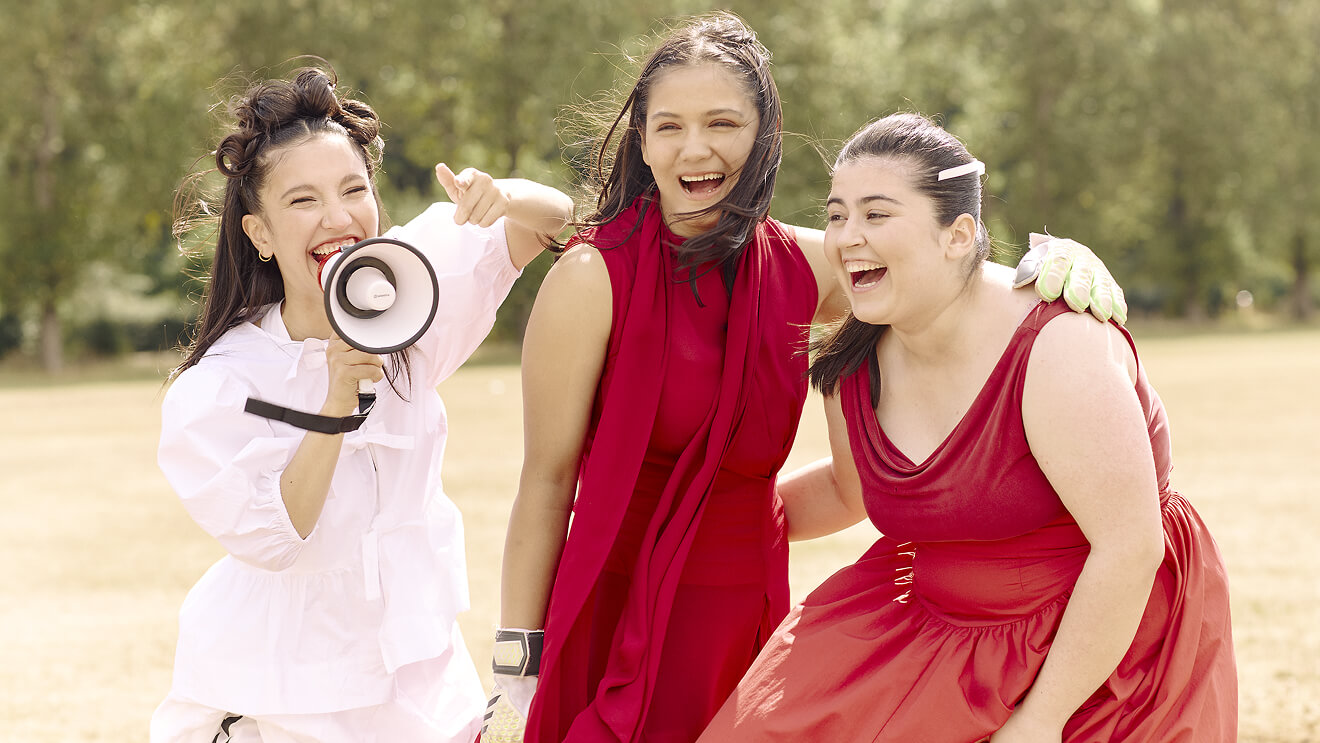
There seems no chance at all that Fatema, Elaha or Sahar will give up on their footballing aspirations, or of inspiring the next generation, having come this far already
It’s been a long and traumatic journey but the dream is still alive, with FIFA saying the new refugee team will offer “every girl and young woman the opportunity to pursue their footballing dreams, regardless of their circumstances.”
That message is taken up again by Elaha, who remains determined to drive change and a brighter future through the power of football.
“I just want to say to all of the women and girls who are banned from human rights, we want to say, we will use football as a tool, to fight for you,” she says. “We will keep fighting for you, we will play, and we will try from our platform, with our skills to be a voice for them.”
The final word goes to Fatema, who remains confident that a brighter future lies ahead for Afghanistan’s women and girls despite all the suffering they have been forced to endure.
“If my story teaches anything, it’s that true power lies in a heart that never gives up. You’re not just fighting for yourself, but for all those girls who don’t have a voice,” she says.
“With every step you take, you show the world that hope, when combined with courage, can fly even from the hardest places. The future you want is exactly what the world needs. Keep going… because the stars you’re chasing are getting closer.”
Chloe Kelly and her triumphant Lionesses team-mates returned home as national heroes last week, basking in the glory of another European triumph, but Fatema, Elaha and Sahar are continuing to chase the biggest prize of all - a better future.

Copyright © 2026 Goal All rights reserved. The information contained in Goal may not be published, broadcast, rewritten, or redistributed without the prior written authority of Goal