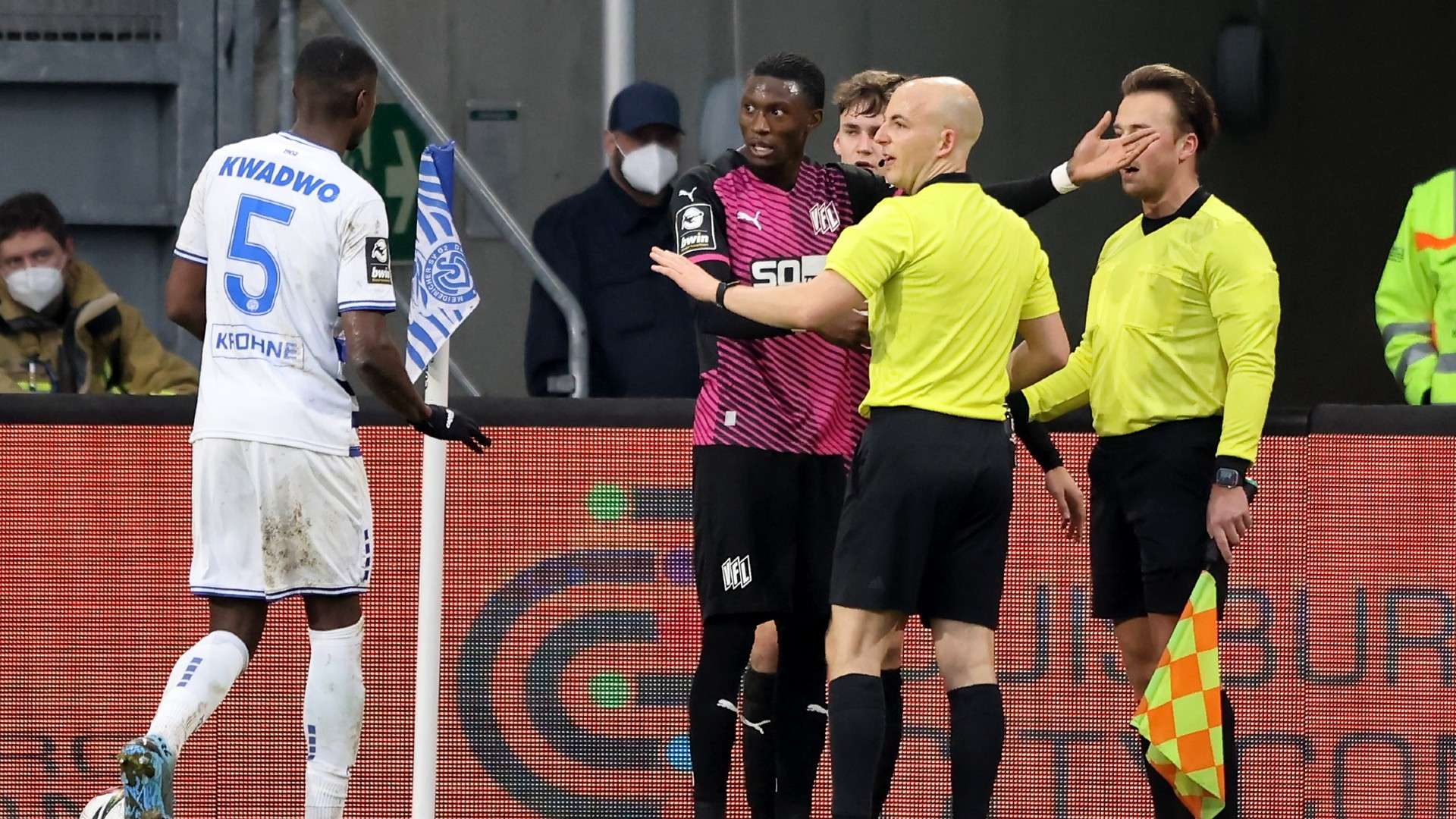
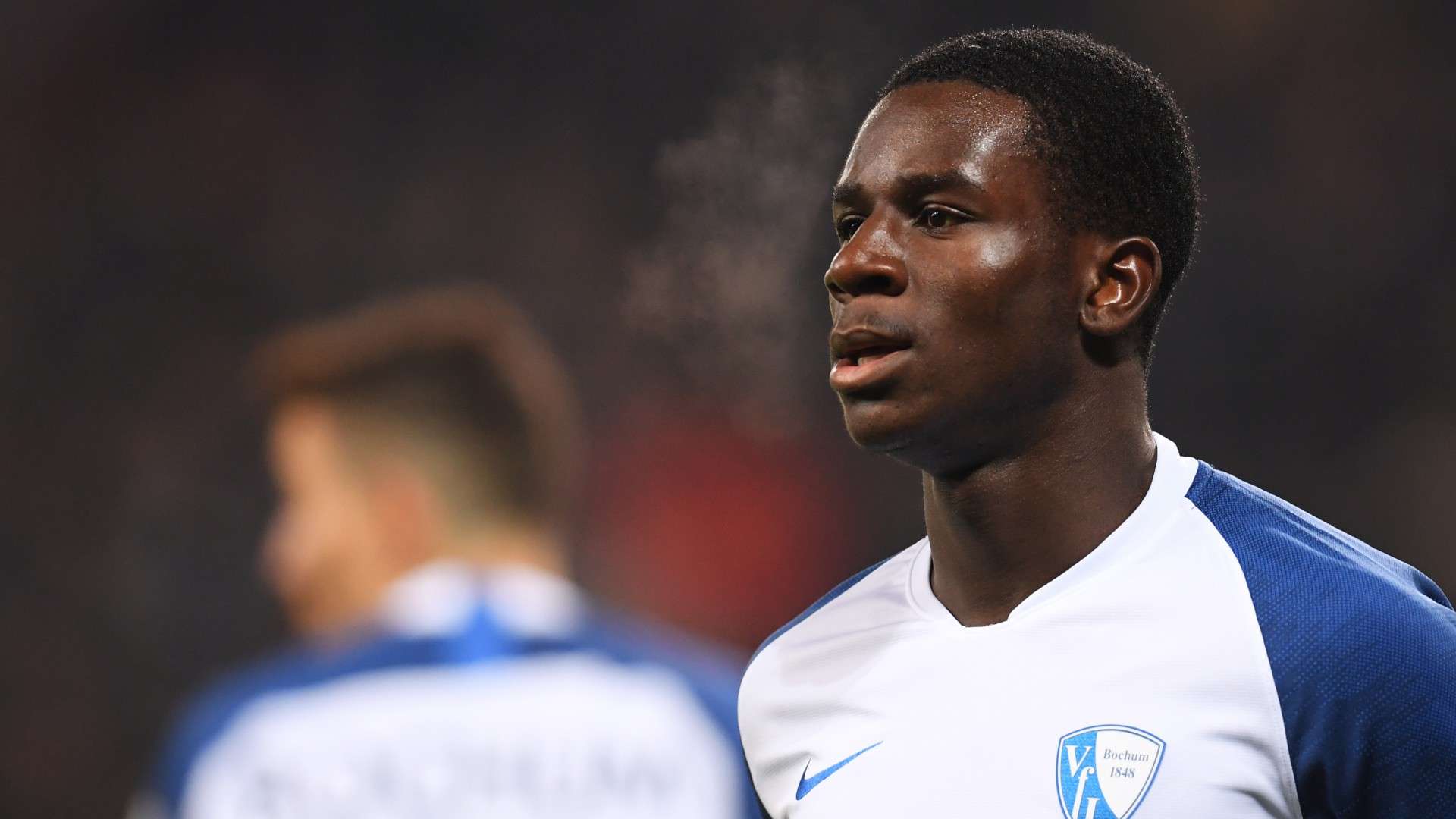
At just 17 years of age, Vasilije Kostov is rewriting the record books at the highest level of Serbian football. The latest jewel to emerge from Red Star Belgrade's famed academy, the attacking midfielder is defying all logic as he puts Europe's elite on red alert with a stellar individual campaign for his country's biggest club.
Arsenal midfielder Declan Rice made a point of telling his team-mates after Sunday's Premier League loss to title rivals Manchester City, "It's not done." And he was right, it's not. The title race is far from finished, as underlined by City's laboured win over Burnley on Wednesday. Pep Guardiola's men may have gone top of the table with their 1-0 victory at Turf Moor - but only on goals scored.
Arsenal forward Gabriel Jesus has provided a candid assessment of his international standing as he fights to secure a place in Brazil's 2026 World Cup squad. The 28-year-old admitted that a lack of regular game time at the Emirates Stadium has complicated his path back into the Selecao setup.
Arsenal hoped that Viktor Gyokeres would be the final piece in their Premier League title-winning puzzle, but Paul Dickov has told GOAL why the Gunners are still in need of an Erling Haaland-esque No.9. A player of that ilk has been sought at Emirates Stadium for some time, with the lack of a prolific striker considered to have contributed significantly to near misses on the domestic coronation front.
Arsenal have reportedly reignited their pursuit of Real Madrid sensation Arda Guler as Mikel Arteta looks to bolster his creative options. The Gunners previously failed with an approach in 2025 but are testing the waters again this summer. However, the North London side face a battle to convince the player to swap Madrid for London.
A group of workers from the Woolwich Arsenal Armanent Factory, who called themselves Dial Square, formed a football team in 1886. They would later rename themselves to Royal Arsenal in the same year. In 1893, the club was renamed to Woolwich Arsenal, before finally being named just Arsenal in 1919, six years after they moved to Highbury.
Who are the owners of Arsenal?
American billionaire Enos Stanley Kroenke is the owner of Arsenal, purchasing the club via Arsenal Holdings Limited, a subsidiary of Kroenke Sports & Entertainment (KSE).
What is Arsenal's stadium called?
The Emirates Stadium is the name of Arsenal's stadium. It has been the team's home ground since 2006, replacing Highbury, which served as Arsenal's home venue from 1913.
What is Emirates Stadium's capacity?
The Emirates Stadium has a capacity of 60,704 and is among the UK's biggest football venues.
How many trophies have Arsenal won?
Arsenal have won 48 trophies till date, including 13 league titles and a record 14 FA Cups.
How many Premier League (top flight) titles have Arsenal won?
Arsenal have 13 English top flight titles to their name, making them the third-most successful team behind Man Utd and Liverpool. They, however, won their last title over two decades ago.
Who has made the most appearances for Arsenal?
London-born Irish defender David O'Leary sits at the top of the list for most Arsenal appearances in history. O'Leary spent 18 years at the club and made 722 appearances in all competitions, ahead of Tony Adams, George Armstrong, and Lee Dixon.
Who is Arsenal's all-time top goalscorer?
Thierry Henry is Arsenal's leading goalscorer of all-time with 228 goals in 377 games. No other Arsenal player has scored over 200 goals for the club, with Ian Wright sitting in second place (185 goals in 288 games).
Which famous players have played for Arsenal?
Thierry Henry, Cesc Fabregas, Dennis Bergkamp, Mesut Ozil, Robert Pires, and Robin van Persie are among the popular footballing names to have played for Arsenal.
Which famous managers have been in charge of Arsenal?
Arsene Wenger, Unai Emery, George Graham, and Herbert Chapman are among the biggest names to have been in charge of Arsenal throughout their notable history.
What is Arsenal's nickname?
Arsenal have a pretty unique nickname, called The Gunners. This nickname is a reference to the club's origins in the late 19th century, when a group of workers from the Royal Arsenal armanent factory in Woolwich formed the club. That's also the reason why the Arsenal badge includes a cannon.