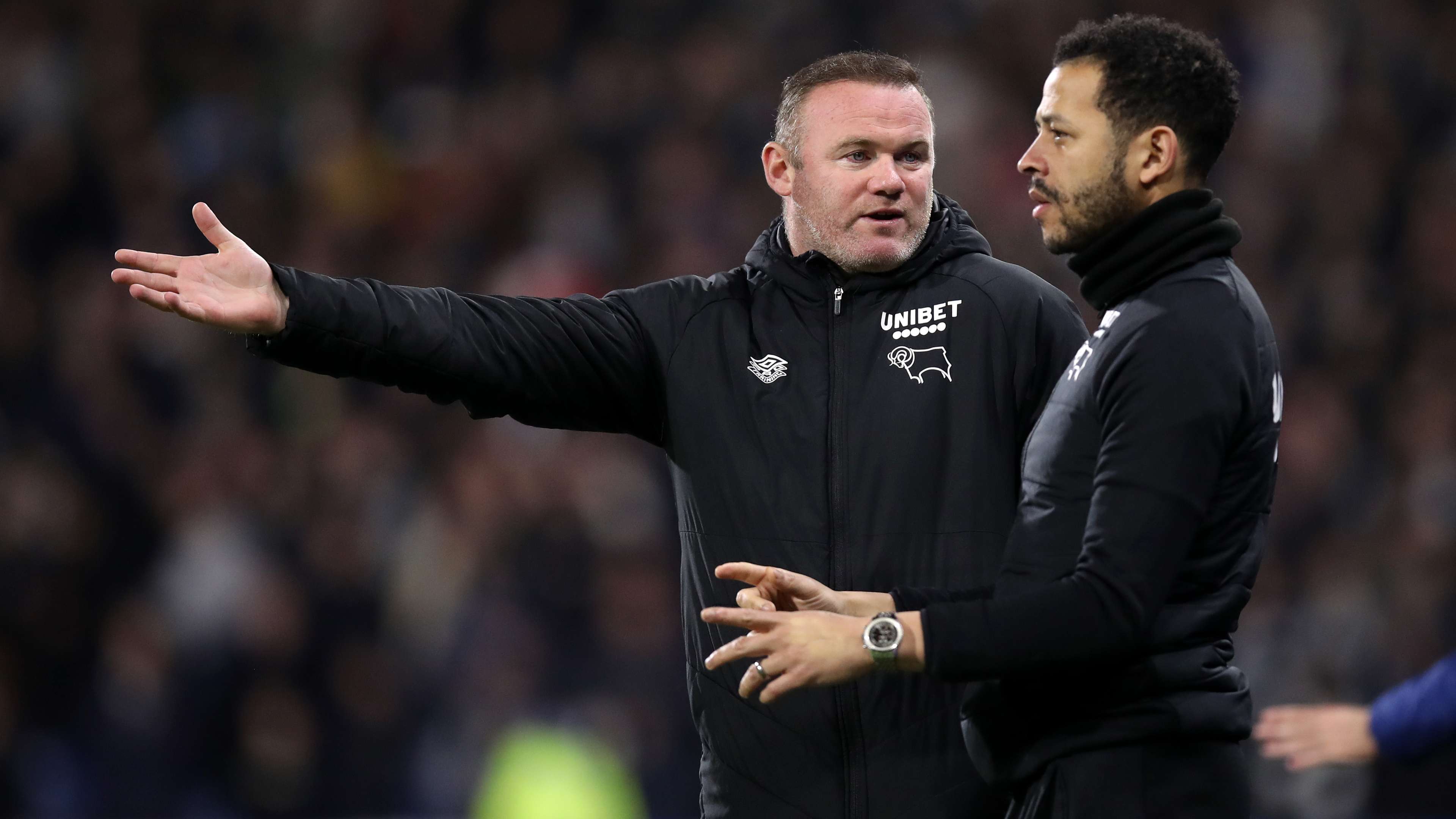
When Rooney returned to England from Major League Soccer in 2020, it was speculated it was with a move into management in mind. He signed a player-coach deal with Derby County in January of that year and was instantly made captain by then-manager Phillip Cocu, and it was immediately speculated Rooney would be the one to succeed the Dutchman on the occasion of his Pride Park departure.
Indeed, Cocu was sacked early on during the 2020-21 season, with Rooney given the opportunity to lead a four-man staff including Liam Rosenior, Shay Given and Justin Walker. The situation was far from ideal though, as the Rams sat bottom of the Championship and were on the brink of financial ruin.
Reports began to swirl that Rooney had been completely consumed by Derby's crisis, that he was sleeping on a sofa at the training ground in order to maximise his time helping them avoid relegation. The Rams survived on the final day of 2020-21, but were handed an impossible task of repeating that feat the following year, chalking up 21 points of deductions as a result of financial mismanagement. Rooney continued to fight for Derby, though could not stave off such an inevitable relegation this time around. Without those deductions, bare-bones Derby would have comfortably survived, and he resigned shortly after their drop into League One was confirmed.
Rooney's next venture saw him return to MLS with D.C. United, who were struggling to achieve playoff status. In one-and-a-half years back in the American capital, he failed to edge them any closer to that dream and again walked away.
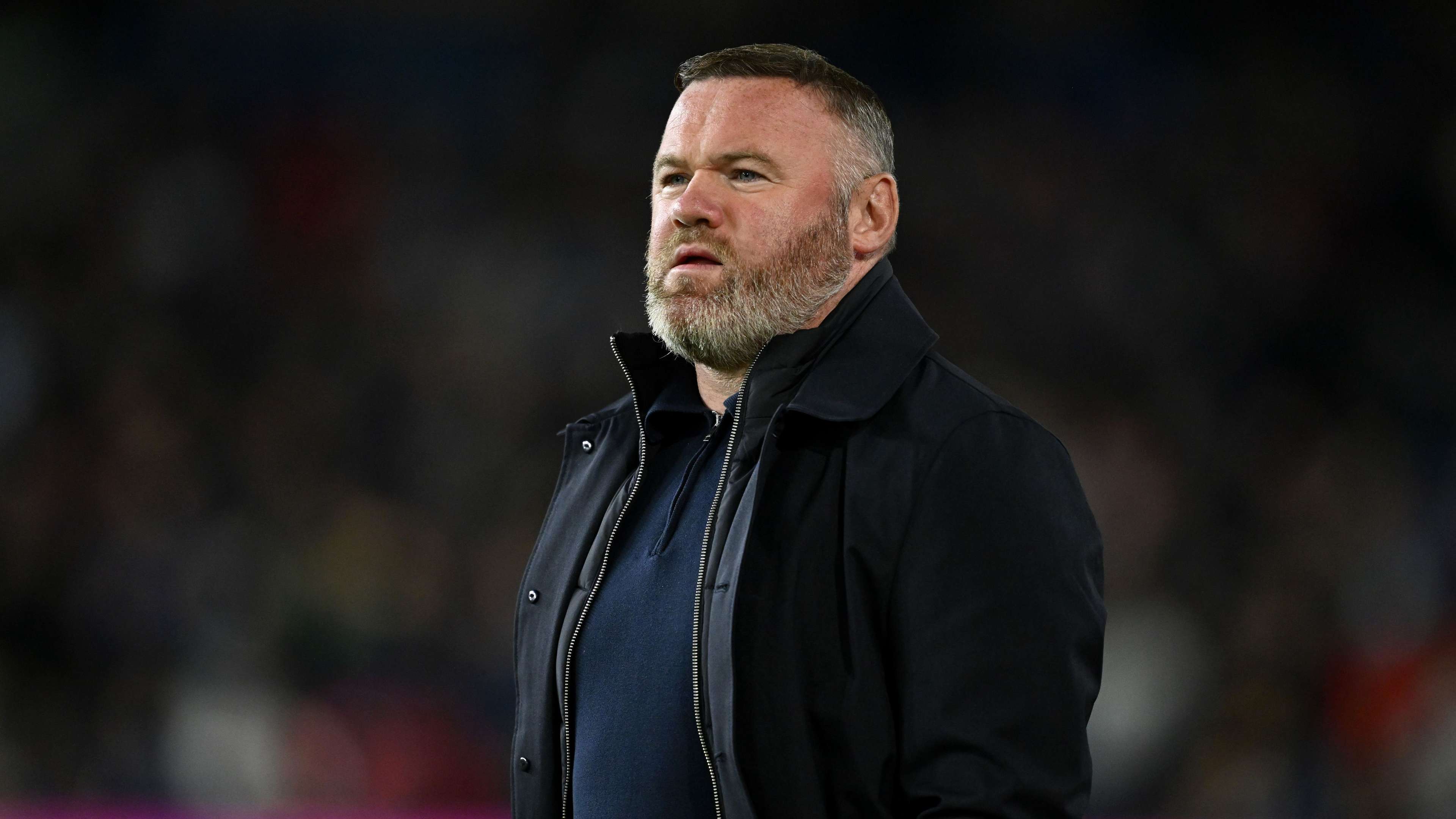
And then his career began to spiral. He was named the unpopular replacement for John Eustace at Birmingham City in October 2023 under their new American ownership, headlined by minority investment from NFL legend Tom Brady. Rooney signed for the Blues amid an unlikely push for the Premier League, only to be fired 15 games later with the club on a one-way train to League One.
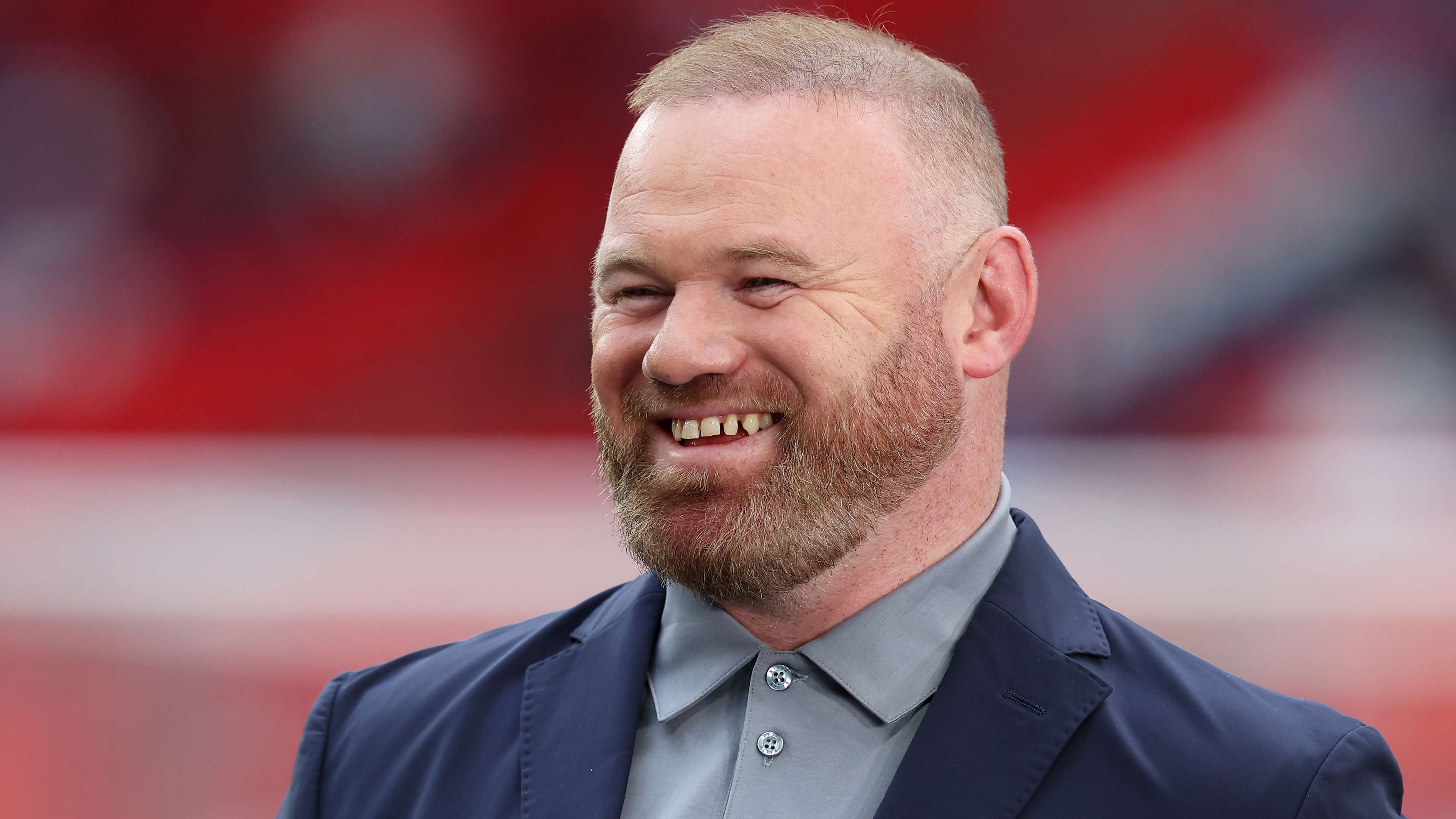
That's why it was such a shock Plymouth took a punt on him so quickly after bursting into the flames of the St Andrews inferno. Barely six months had passed from leaving Birmingham to taking the reins down at Home Park. That's why it wasn't such a shock when everything went up in smoke again.