.png?auto=webp&format=pjpg&width=3840&quality=60)
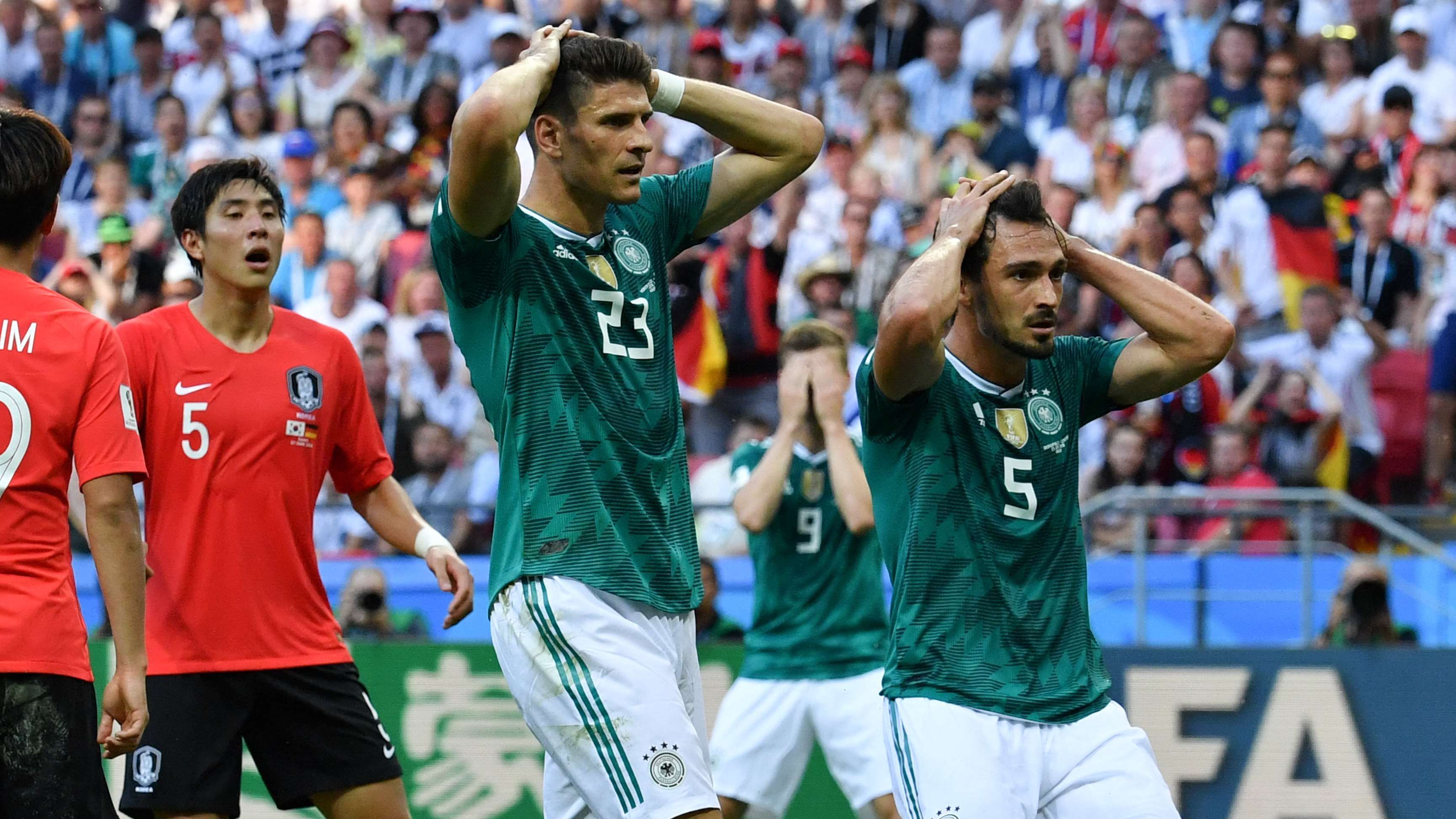
Looking through German-tinted glasses, it is clear that the national team's greatest success this millennium also marked the beginning of a rather fundamental crisis. At least, that is easy to say with the benefit of hindsight.
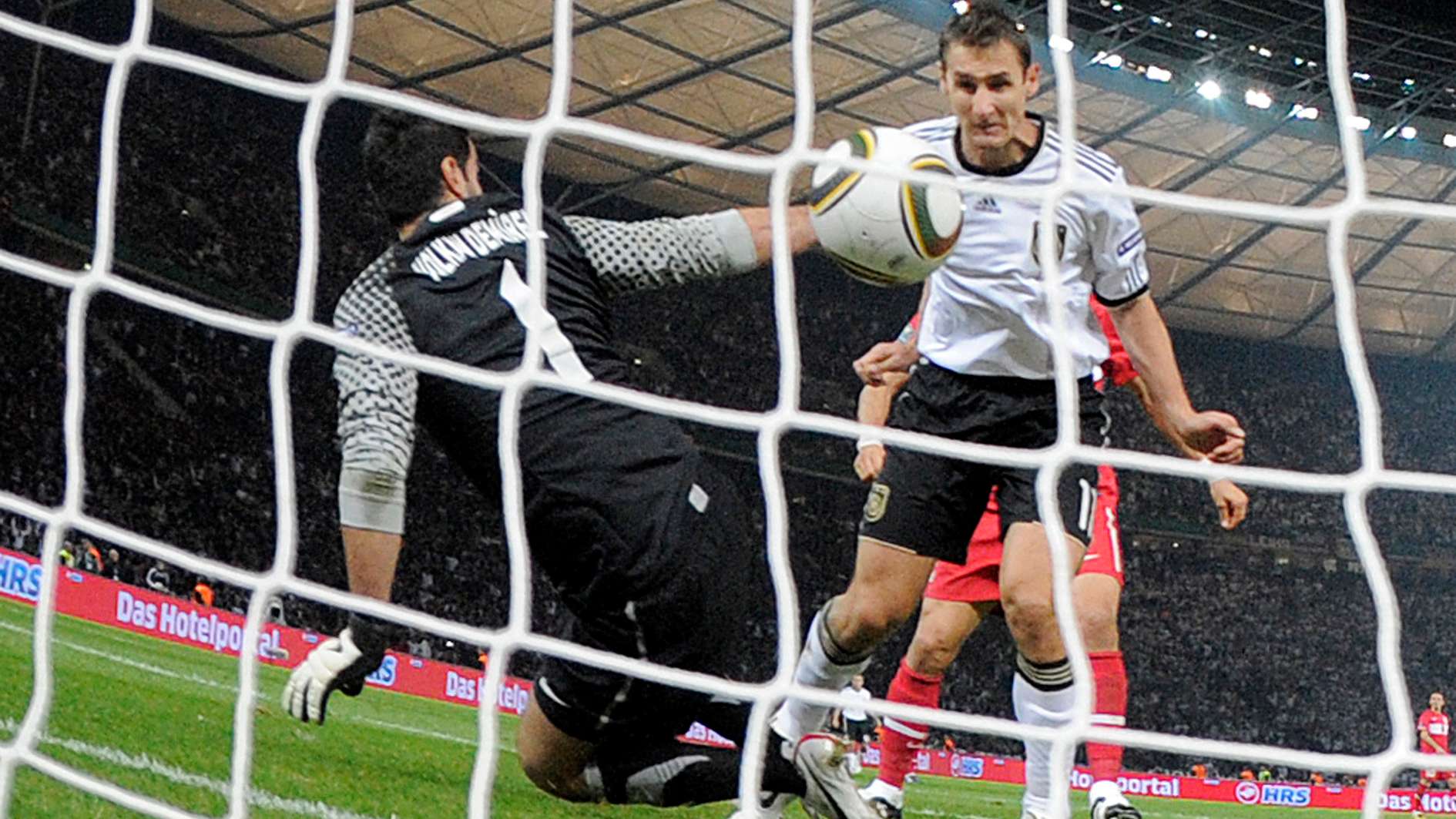
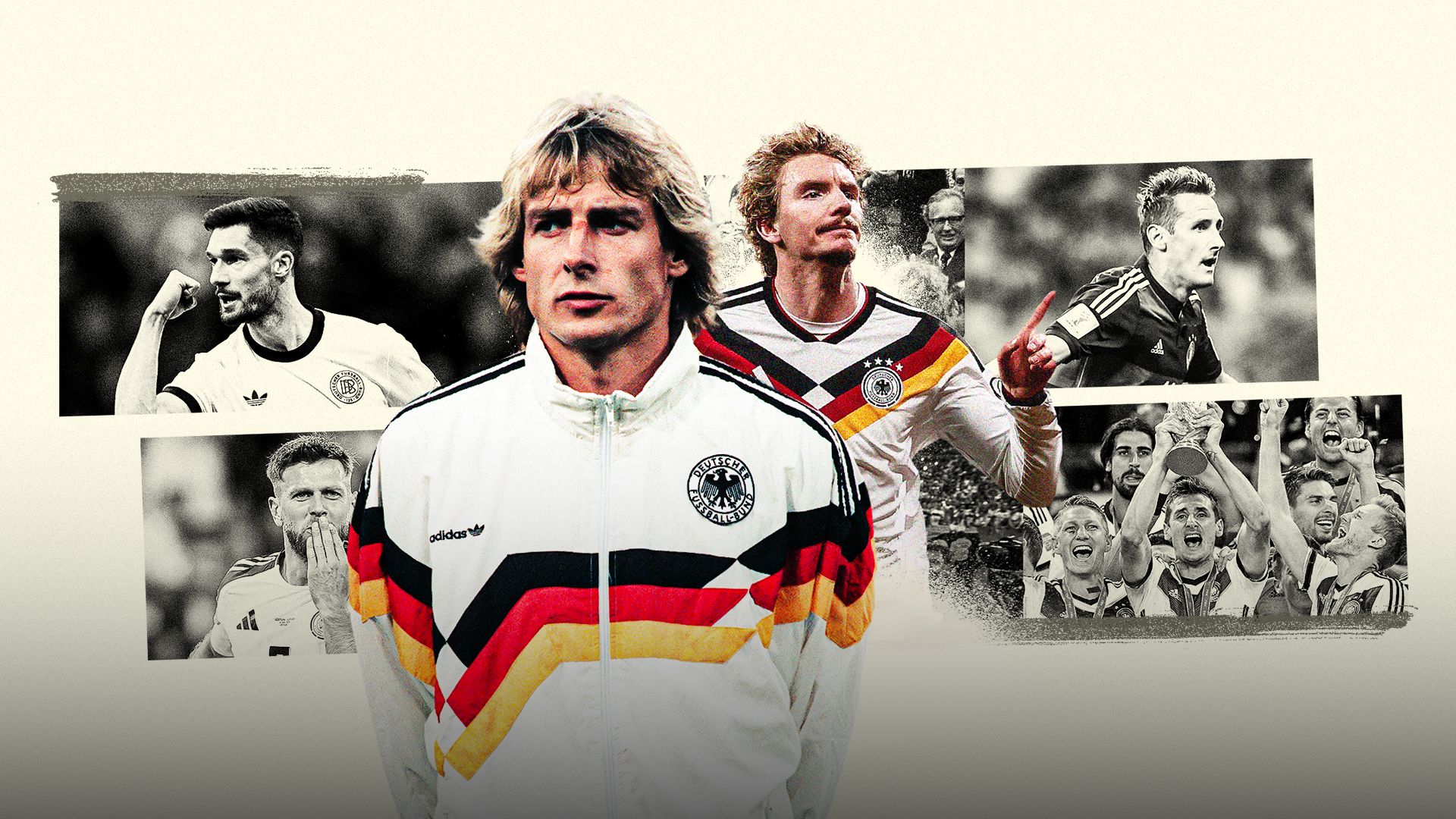
When Miroslav Klose scored his 16th World Cup goal in the memorable 7-1 victory over Brazil in the semi-final in Belo Horizonte in 2014, becoming the tournament's all-time leading scorer, a record that remains unbroken to this day, he not only ended his personal international career, but he also put an end to the era of the so-called ‘classic German centre-forward’, among whom Uwe Seeler, Gerd Müller, Klaus Fischer, Horst Hrubesch, Rudi Völler, Jürgen Klinsmann and Oliver Bierhoff are just the most famous names.
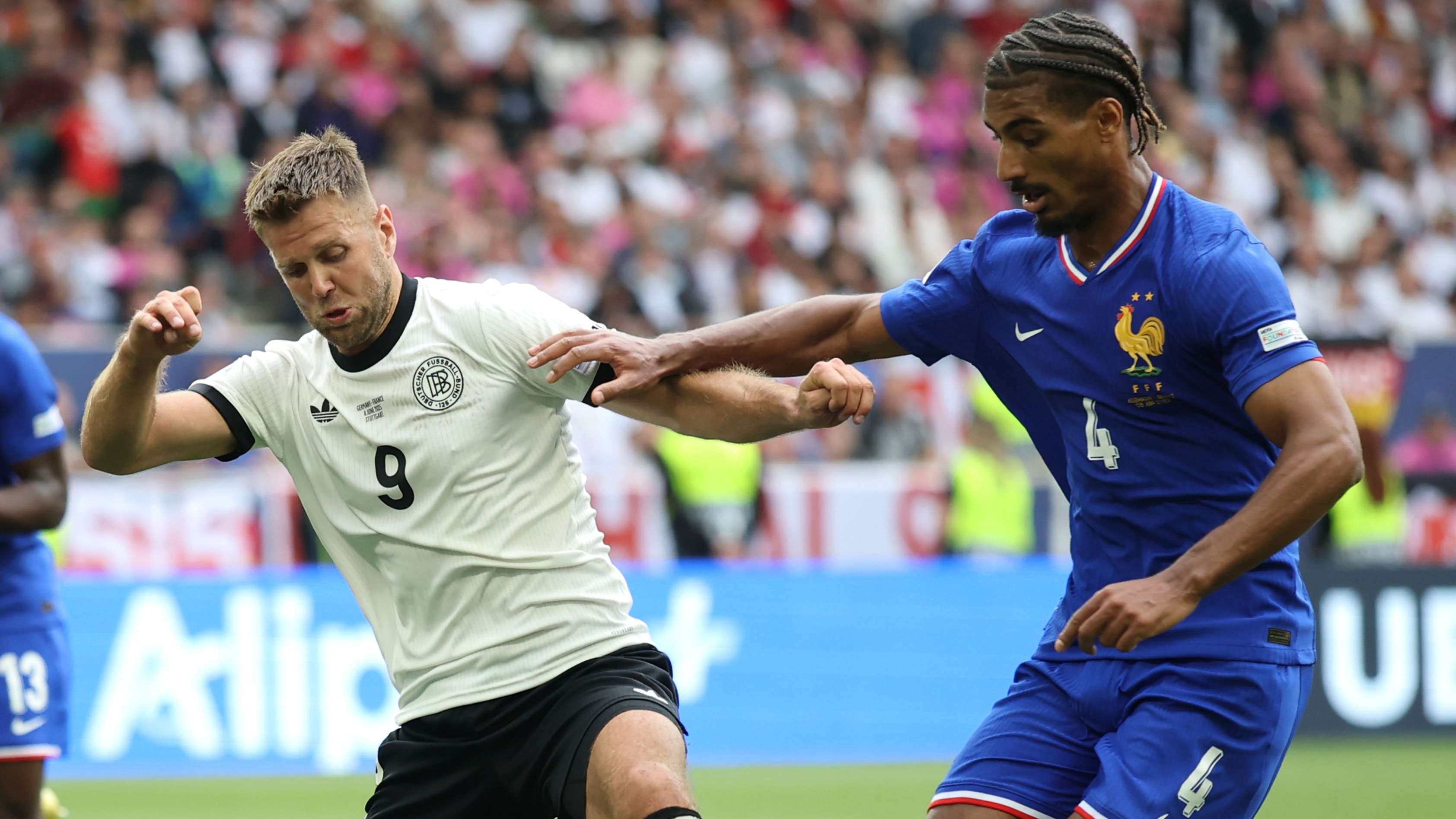
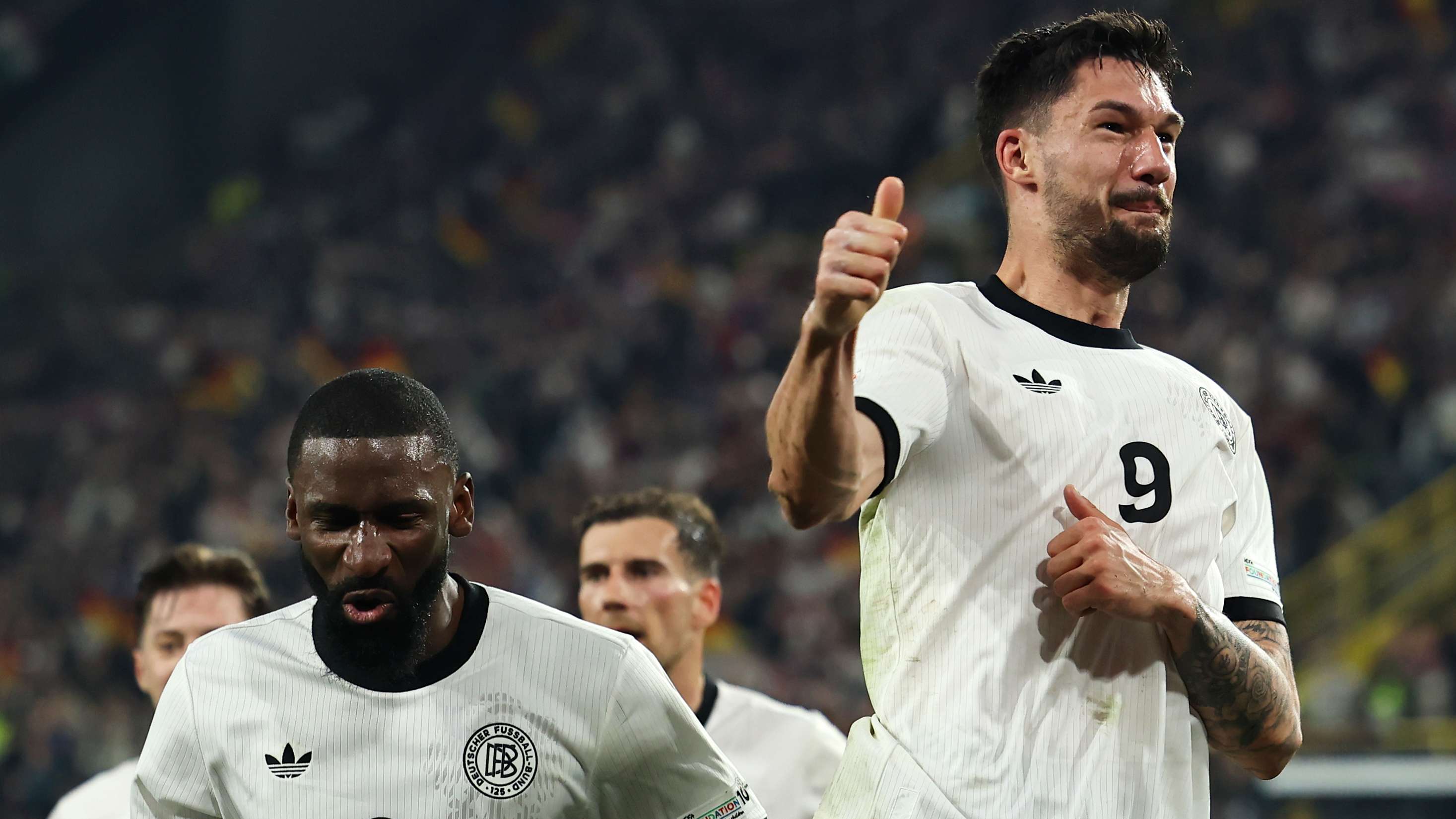
For over 13 years – or 137 international matches and 71 goals – Klose was considered the epitome of ruthless efficiency and instinctive goal-scoring. Klose, whose star rose internationally with his five goals at the 2002 World Cup, was Germany's last world-class striker. His departure from the national team after the triumph of 2014 meant the loss of a clear identity in the front line. From then on, the role of the German No.9 was mostly vacant, replaced by many tactical experiments and the search for a suitable successor.