Gary Lineker BBC Tim Davie GFXGetty

The BBC are lucky Gary Lineker loves Match of the Day - nobody would've blamed him for walking away for good

In his own Twitter profile, Gary Lineker describes himself as someone who "once kicked a ball about" – but now talks "about kicking a ball about". The BBC has long been happy to pay Lineker quite a lot of money to do the latter.

What has upset the broadcaster, though, is the Match of the Day presenter’s willingness to talk about other, more important things. Like immigration.

The BBC, you see, likes to view itself as impartial, and so it felt compelled to suspend Lineker last week after he refused to apologise for comparing the language used in laying out the government's new plan on asylum-seekers to "that used by Germany in the 30s".

Did everyone agree with Lineker? Not at all. Did some feel his comparison was over the top? Absolutely. But both questions are utterly irrelevant, really.

The only question is whether Lineker and other BBC employees and freelancers should be free to express their own private opinions on human rights issues their own social media accounts.

And the answer is obviously yes.
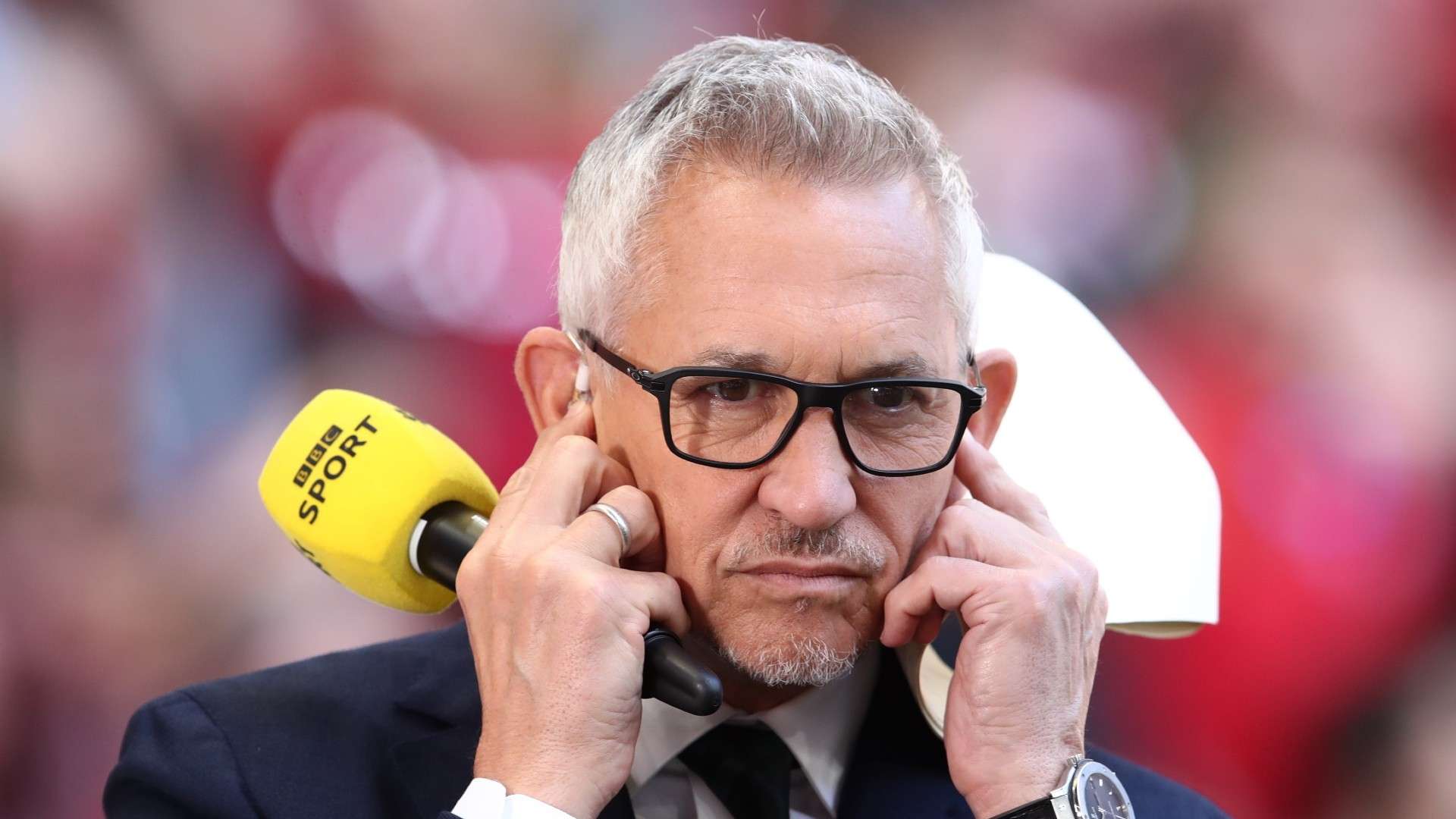
  • Gary LinekerGetty

    'A surreal few days'

    Make no mistake about it: Lineker didn't cause this controversy by expressing his concern for the welfare of asylum seekers.

    The BBC did, by trying to censor him; adding insult to injury by demanding an apology for a show of sympathy for those less fortunate than himself.

    As countless people pointed out during what Lineker labelled "a surreal few days", if you are upset by allegations that the UK government is pushing through policies that would not have looked out of place in Nazi Germany, then censorship of journalists is probably not the best way to go about disproving the point.

    The irony of their approach appeared utterly lost on the BBC, but then that is hardly surprising of an organisation that has been repeatedly accused of having a cosy relationship with the Conservative party.

    Indeed, BBC Director General Tim Davie even refused to be drawn on whether Lineker would have been suspended if the former striker had tweeted in favour of the government's new plan.

    "I'm not going to go through all the hypotheticals of the past," he said. Presumably because to do so would have reflected horribly on the BBC.

  • Advertisement
  • The BBC made to look weak

    What's most remarkable about this whole affair is we're not talking about an extremely controversial issue here. Lineker wasn't espousing some crackpot conspiracy theory. He wasn't fanning the flames of hatred. He was talking about taking care of people forced to flee their homes because of war or persecution.

    One cannot really be impartial on human rights. You either believe in them or you don't. And Lineker has been very consistent in this regard. He spoke out against Qatar at the start of the 2022 World Cup, and the BBC had no issue with that.

    Why, then, was he suddenly told to focus on football as soon as he turned his attention to his own government's policies?

    The answer is obvious, or at least it will be now to everyone that has been following this story – even those that were more interested in whether Lineker would host Match of the Day on Saturday night, than what it all means for the BBC and its role in UK politics.

    There is clearly something wrong when a national broadcaster is more concerned with upsetting the government than providing a platform for free-thinking journalists.

    The BBC made a colossal error in judgement in infringing upon Lineker's right to free speech and it rightly resulted in utter humiliation, with many of his colleagues effectively going on strike in support of their suspended colleague.

    An attempted show of strength made the broadcaster look desperately weak.

  • Gary Lineker 2023Getty

    The BBC's calamitous own goal

    Ultimately, the BBC is very, very lucky that Lineker clearly loves his job and his colleagues so much that he has agreed to return to work after a weekend of tough negotiations.

    He could easily have made life even more difficult for the BBC by walking away – and potentially taking several supportive colleagues with him.

    However, by convincing Lineker to come back, and crucially promising to review its social media guidelines for employees and freelancers, the BBC might now be able to save some face. Davie may even avoid having to resign over a mess all of his own making.

    However, it's hard to shake the feeling that the damage is already done as far as the BBC is concerned. Its reputation has taken a battering. In attempting to portray itself as impartial, it has come off as anything but.

    Indeed, it's hard not to view this as one of the biggest own goals in history.

0