Club World Cup Draw PreviewGetty Images

Accessibility, competitiveness and Europe's biggest stars: Why American soccer fans should care about the 2025 Club World Cup

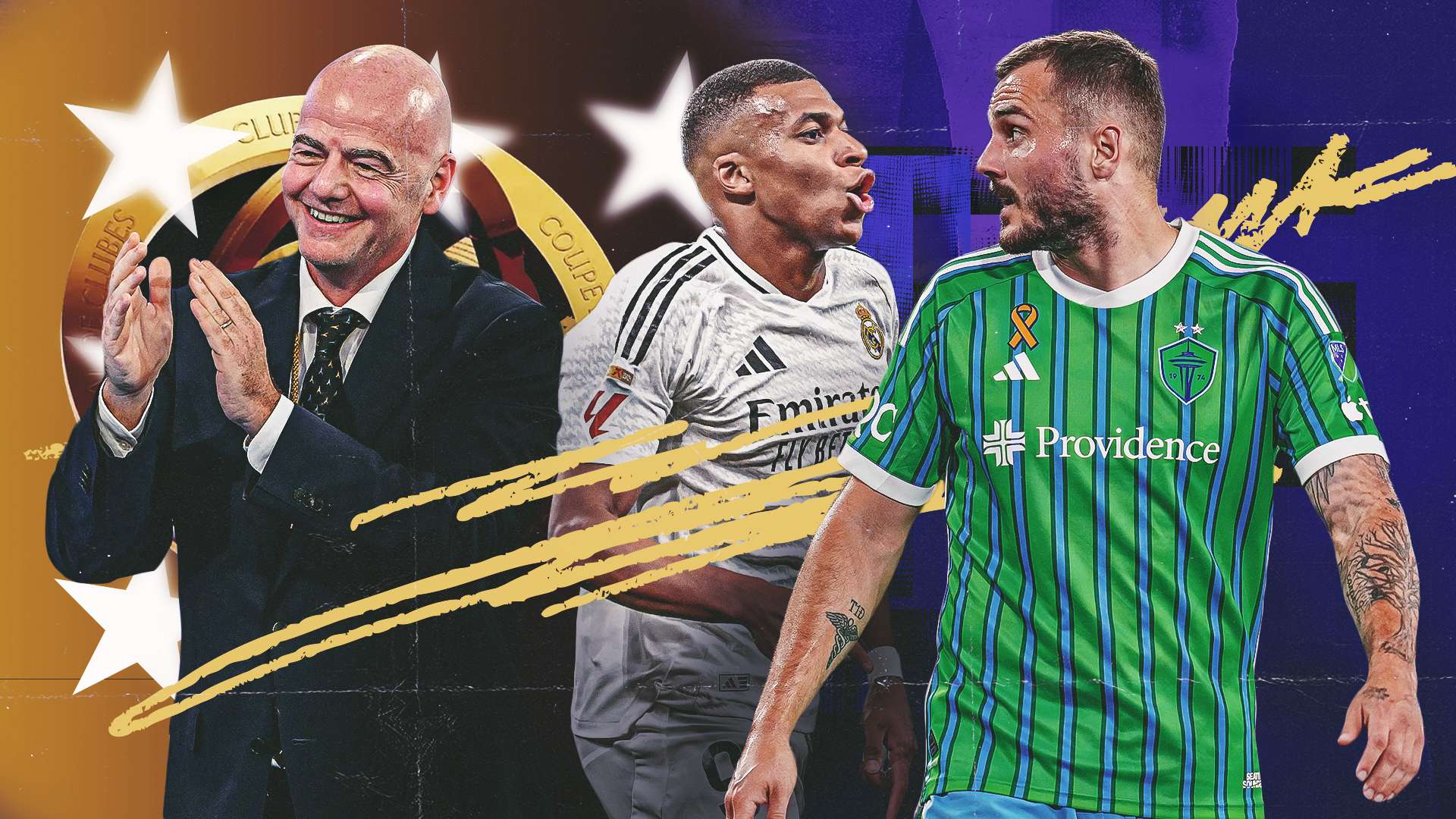
There was bemused bafflement when FIFA president Gianni Infantino stepped onto the stage at the Global Citizen Music Festival in Central Park at the end of September. After all, 60,000 people in a field were waiting to see Post Malone. What was this business-suited global soccer executive doing at a music event that was dedicated to climate change awareness?

Infantino's appearance was brief, and he spent exactly 84 seconds of it - alongside a seemingly confused DJ Khaled - announcing the venues for the 2025 Club World Cup - 11 cities, 12 stadiums, 32 teams, one month of soccer, all in the United States.

It was a strange venue to reveal this thing, among a field full of drunk partygoers in New York City. But maybe that's the point.

Those who already know about soccer, and its impact and zealous following around the world, are going to get all of this information organically. Part of the strategy of this Club World Cup, and the country that hosts it, is about spreading awareness. America is the next frontier, the unsaturated soccer market, in relative terms.

And that's the broader point. The Club World Cup has, and will continue to have, its critics in some circles. But now the draw is complete. And in the global landscape of soccer, with the interest of the growth of the game - and make no mistake, the financial opportunities that come with that - at the forefront, it is the kind of event that Americans should absolutely care about.

  • Club World Cup announcementGetty Images

    Accessibility to the game

    First, the diehards. Soccer fans exist everywhere. In America, it seems that they multiply by the day. But the accessibility of the sport remains frighteningly limited. Whether it be the financial constraints on youth soccer, or the literal geographic distance from the highest level of the game, consuming quality soccer isn't easy. MLS, of course, is always improving.

    But NFL, MLB, NHL and the NBA - not to mention the biggest conferences in American college football and basketball - are all the marquee leagues in the global landscape of their respective sports. To find the most watchable professional game, for example, a New York resident simply has to go a Yankees or Knicks game (it's probably best to avoid the Jets and Giants, at the moment.)

    But for soccer, that isn't the case. The Red Bulls may be playing in MLS Cup this weekend, but European leagues simply have better talent and competition (Opta's relative quality index, released in October, had MLS as the 9th best competition in the world.) So, if that same fan, casual or avid, has a similar desire for soccer, it's a much harder assignment. There are flights, hotels and expenses involved. The best level of the game worldwide is thousands of miles away.

    Not for a month in the middle of the summer in 2025, however. The Club World Cup will transplant those players in the United States. Real Madrid, Manchester City, Chelsea, Juventus, Bayern Munich, and many, many others will be participating in the Club World Cup. Top level men's soccer hasn't been this accessible in the U.S. since the 1994 World Cup - and even then interest was relatively limited.

  • Advertisement
  • Real Madrid v FC Barcelona - Pre-Season FriendlyGetty Images Sport

    More than just friendlies

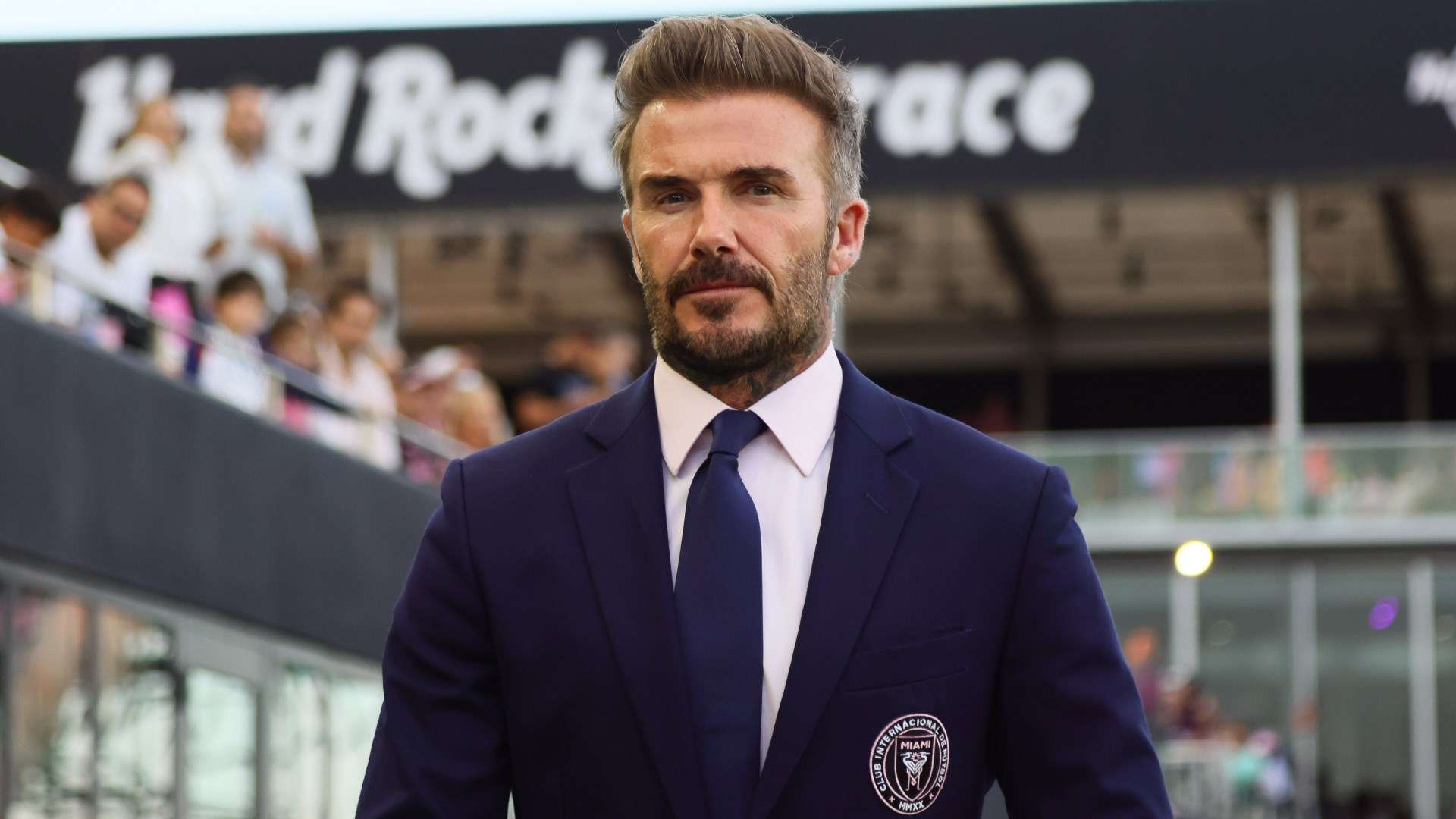
    Live iterations the sport's best have existed in America before, of course. David Beckham's move to MLS in 2007 started a trickle of stars to the States - albeit most past their prime years. European clubs have embarked on preseason tours of the U.S. for almost 20 years, realizing the potential for revenue opportunities and building fan bases in a lucrative market. The last two summers have featured Clasicos played in sold out NFL stadiums. Go to those, and the atmosphere feels as authentic as any European stadium might.

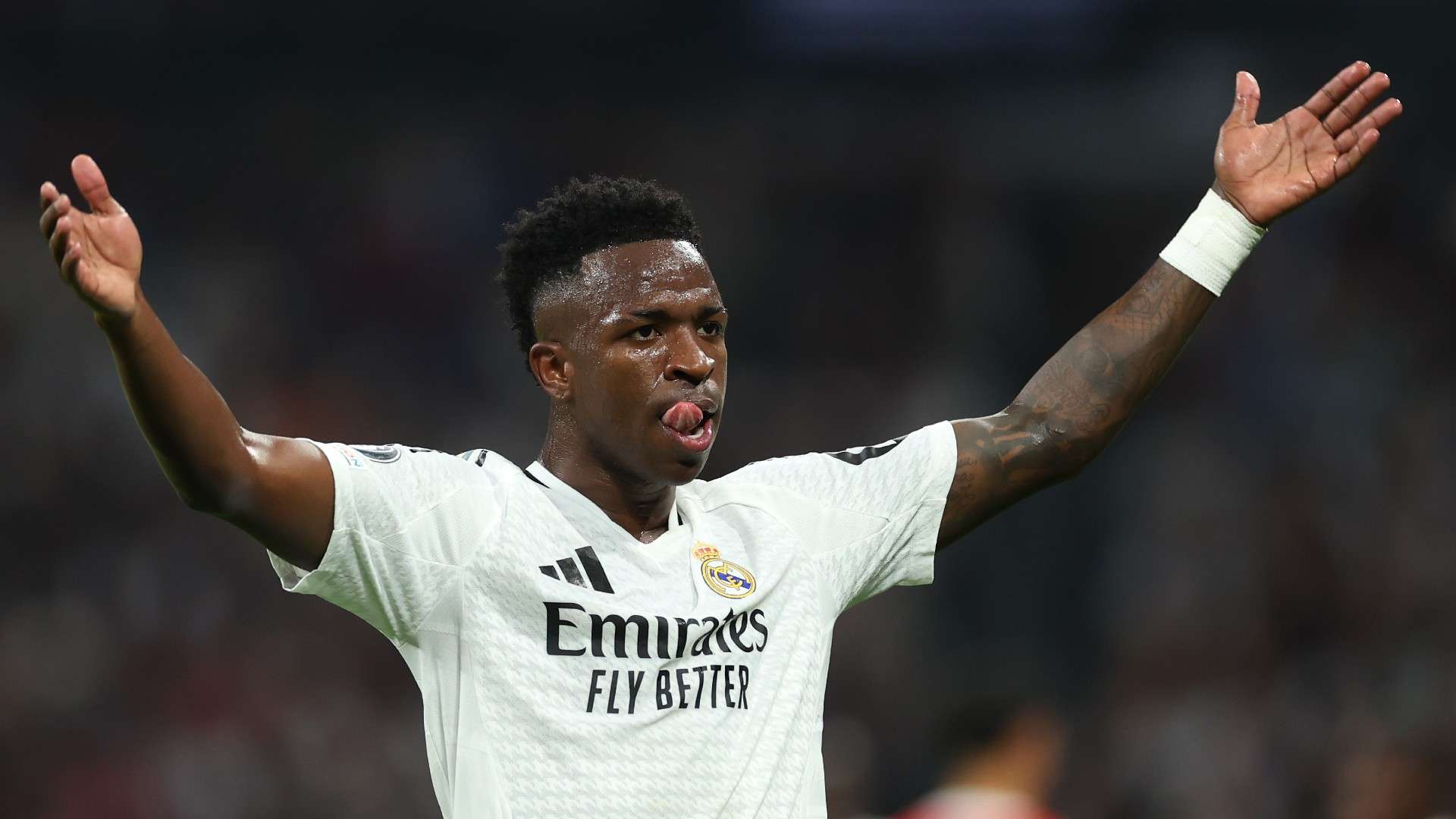
    But the difference is what happens on the pitch. Those games are essentially exhibition matches, and despite the drinking before the first whistle, noise during the game, and mass exodus after, the buzz of competitive sport is missing. Sure, the top players are present - Vinicius Jr lit up MetLife Stadium in 20 scintillating minutes last July - yet there is a sense that the whole thing is about stretching some legs, signing autographs and increasing followers.

    There is nothing wrong with good press and new fans. But if competitive soccer is the goal, then summer friendlies are inherently limited; there's nothing on the line. Now, though, the Club World Cup offers something different. There are incentives, financial and material. A cool trophy will be presented to the winner, while FIFA has promised handsome rewards for doing so. Take the normal revenue of a preseason tour, and all of its trimmings, throw in a trophy that counts, and there's a reason to be fired up.

  • Vinicius Junior of Real Madrid celebrates Getty Images

    Global stars

    Last June, Madrid manager Carlo Ancelotti alluded to the idea that his team might not play in the Club World Cup. It was quickly rescinded, Ancelotti praising the competition as a good opportunity for world football. It was subsequently reported that clubs would be fined if they refused to feature the biggest names. Now, it may not be the ideal circumstance to bring about extra competition - especially if it comes from a place of the desire to avoid serious punishment.

    But the result remains the same. These will not be friendlies in which the likes of Vinicius, Jude Bellingham, Erling Haaland and Kylian Mbappe get brief run outs - or so we are told. Rather, from minute one, or at least for significant chunks of the game, the guys that sell the shirts and make end of year awards lists will be expected to play. That can only be considered a good thing - especially for fans of clubs who otherwise wouldn't see their favorites.

    Even MLS fans will have touchpoints here. There is more to this league than just Lionel Messi - though he and Inter Miami will be competing. The Seattle Sounders, for example, have a wonderful following - and could make an impact.

  • Inter Miami David BeckhamUSA Today Sports

    Growth and authenticity

    That's the broader fight within American soccer in the States. MLS has existed for less than 30 years. Genuine interest in the game - in the broader sporting consciousness - is an even more recent commodity. Soccer uniquely values the specific culture around it. There is an outwardly European snobbery about this thing, at least outside this country. As a sporting culture, it is very reluctant to change.

    There is outward vitriol around sponsorship money, rising ticket prices and corporate investment. In a sense, they're right. Top European clubs are all built from small beginnings and have histories that stretch back more than 100 years. Alienating core fans is bad PR. But it's what the kids call "gatekeeping."

    Soccer simply cannot exist in the same way in every country. America cannot replicate or mimic the European game, including its deep-rooted history. What it needs, more than anything, is time, and its own touchpoints and landmark events to grow. The 1994 World Cup is the perfect example - the real genesis of the sport in the country. The women's team winning the World Cup in 1999 is the second. The arrival of Beckham at MLS's LA Galaxy in 2007 is another. Messi's transfer to Inter Miami last year is another.

    And, of course, the 2026 World Cup will be the biggest - making this Club World Cup the valuable bit in the middle.

    The European eye might see this whole thing as a betrayal of some of the fundamentals of the game. But for the U.S., it could be a valuable, authentic touchpoint - even if it can seem revenue-focused, and runs counter to some of the fundamental principles at play.

  • Pablo Solari River Boca Superclasico Copa Liga Profesional 25022024Getty Images

    The other clubs

    Perhaps an overlooked part of the tournament is the small subsections of fans that are typically underserved in the U.S.. Yes, there is the appeal of European stars. Yes, the big clubs will sell tickets. But there are also lesser - but at times louder - contingents that will get behind their clubs. There are, remember, 32 teams playing here. Only seven are from Europe.

    And some of the others have massive fanbases in the States. Take Argentine teams Boca Juniors and River Plate, for example. The Superclasico, played between those two sides, is routinely the most well-attended - and at times dangerous - sporting event in South America. Historically, it has been the forum for Diego Maradona, Juan Roman Riquelme, Hernan Crespo and Javier Mascherano to strut their stuff.

    These days, stars are in shorter supply, but the extent of the rivalry, and spread of their fanbases cannot be understated. The best atmospheres at last year's Copa America, in fact, were at Argentina games. The same will go for Brazilian teams who participate in the Club World Cup. This is not just a tournament for the nerds and chronically online teenagers.

  • New England Revolution v Inter Miami CFGetty Images Sport

    The casuals, and the bigger picture

    So, this is where the sporting landscape in America is heading. The NFL and NBA seem nearly saturated. NFL games are now being played in Brazil and Germany - such is the extent to which the American game has grown. They might make more money from sponsors, or obtain more lucrative TV deals, but the sport, in terms of growth, needs to expand beyond U.S. borders.

    The same can be said for the NBA. Games are now routinely played abroad, even with a regular season that goes on for far too long.

    Soccer, meanwhile, has room to grow. MLS, starting next year, will have 30 teams. More Europeans are arriving in the league, while the teams themselves are generating additional money from transfer fees and other transactions. Meanwhile, every year, interest in the game - both at home and abroad - grows, from attendance to ratings.

    The World Cup is of course the landmark event, and should be treated as such. But the Club World Cup is the perfect appetizer, a valuable precursor in which soccer can only continue to become more relevant in the United States. Even 60,000 kids at a music festival could tell you that.