
 Getty Images Sport
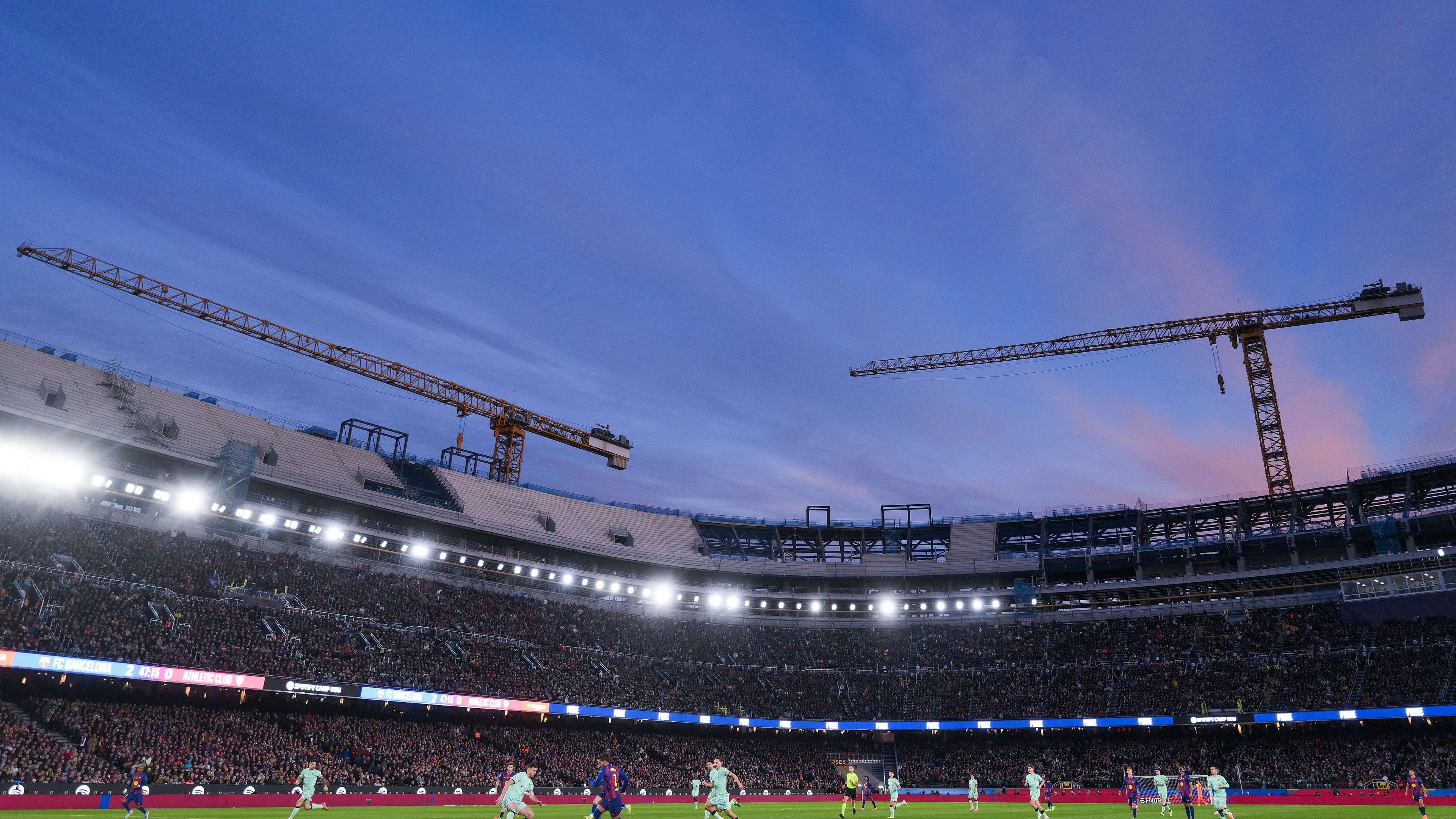
Barcelona won't demand €1m daily fines from Camp Nou construction company despite year-long delay to renovation
 AFP
AFPWhy Barcelona refuses to demand the fines
Barcelona argue that many of the delays arose from factors that no contractor could have fully prevented - bureaucratic bottlenecks, permitting challenges, and labour inspections that caused repeated stoppages. The City Council’s prolonged approvals forced work to halt for weeks at a time, while EU safety requirements and municipal restrictions on continuous construction shrank operational hours.
Beyond the red tape, the site itself produced new complications, according to various reports. Construction teams discovered high-voltage cables requiring a full rewiring, hazardous materials that mandated specialised removal, and significant drainage issues in the pitch area that pushed the turf regrowth back by months. Meanwhile, global disruptions, from a major steel supplier’s bankruptcy to shipping delays linked to geopolitical tensions, further slowed progress.
Extreme heat waves in Catalonia brought mandatory labour stoppages under new Spanish regulations, and noise-control laws blocked the possibility of 24-hour shifts that could have accelerated work. Subcontracting delays in the VIP zones, still incomplete and without final facades or luxury seating, extended the timeline further. The enormous roof which required 1,400 tons of steel cabling remains one of the biggest components now pushed into 2026.
Laporta insists these conditions make litigation unwinnable, and that pursuing over €200 million in fines would damage the relationship with Limak and jeopardise completion. The club argues that its priority must be guaranteeing the stadium’s full 105,000-seat reopening by mid-2026, not entering a lengthy legal battle that could stall progress.
Adding to the controversy, the Catalan Labour Inspectorate recently fined an Extreme Works subcontractor €1m for employing 79 undocumented workers on site, an incident that has sparked further scrutiny of oversight standards and casts another shadow over the project’s execution.
Looking for smarter football bets? Get expert previews, data-driven predictions & winning insights with GOAL Tips on Telegram. Join our growing community now!
 Getty Images Sport
Financial consequences for Barca and the road ahead
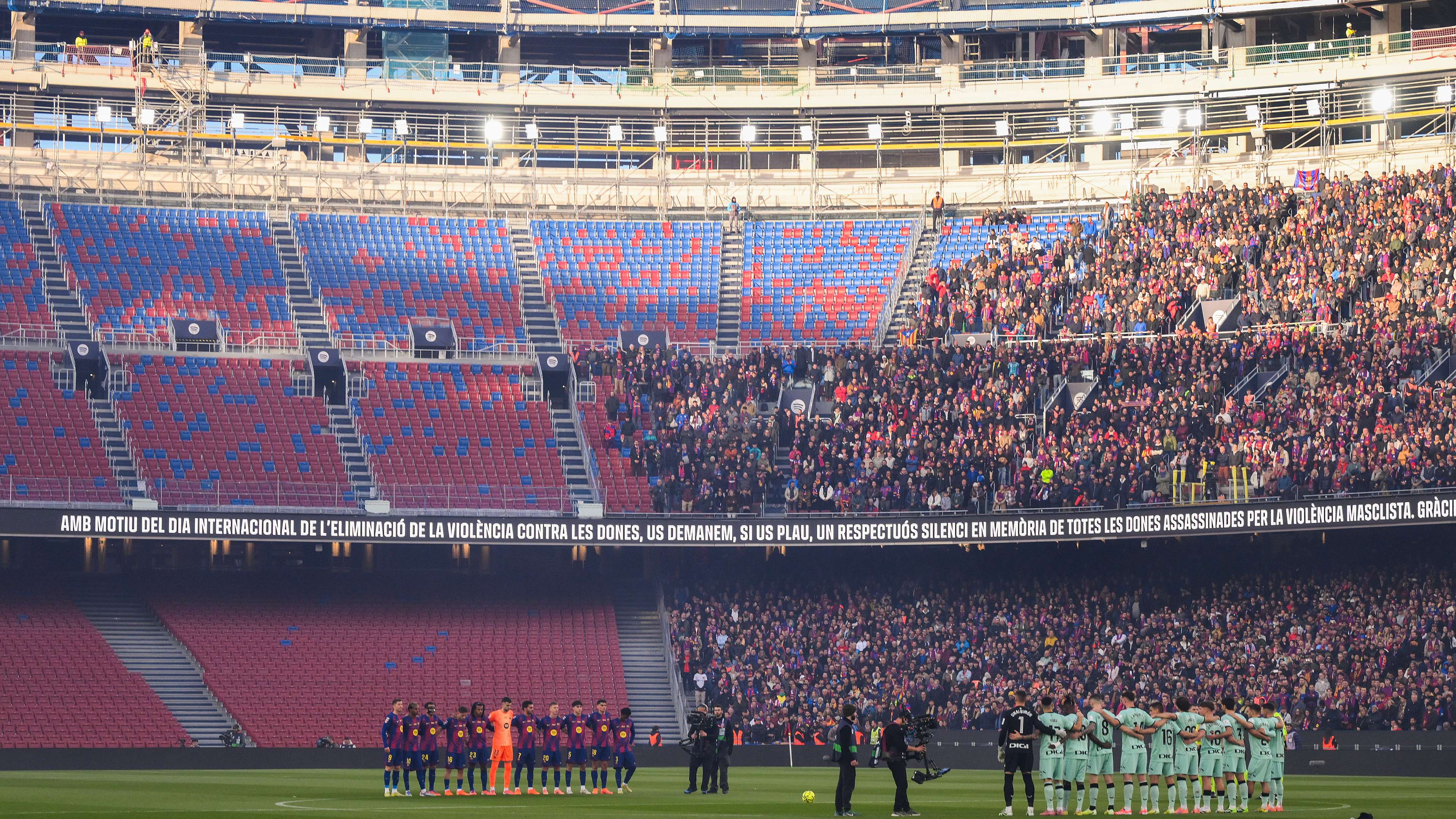
Reduced capacity at Montjuic has cost Barcelona tens of millions annually in lost matchday revenue - money desperately needed amid ongoing debt and salary-cap constraints. Delays also erased potential earnings from events such as Champions League openers and commercial activations tied to the stadium’s reopening. Overrunning material and labour costs have inflated the renovation budget well beyond initial projections, intensifying the strain on a club already navigating a €1.3 billion debt.
By waiving over €200 million in possible penalties from Limak, Barcelona has sacrificed a potential revenue buffer. Meanwhile, the €1m government fine over undocumented workers added yet another financial burden to a project already plagued by unforeseen expenses.
Yet the Espai Barca renovation is not without progress. Partial reopening has allowed Barcelona to host select La Liga and Champions League matches at Camp Nou once more, and an open training session earlier this month offered a glimpse of life after the cranes are gone. Sustainability objectives, such as 18,000 square metres of solar panels, large-scale material recycling, and water-reuse systems, remain on track despite delays to their installation. Still, the road to full completion stretches into 2026.
ENJOYED THIS STORY?
Add GOAL.com as a preferred source on Google to see more of our reporting

