Spain's devastation after defeat in last summer's European Championship final was palpable. There is perhaps no crueller way to lose than on penalties and that theory was backed up by the heartbreak on show by La Roja's players and staff after England fought back to take the game in Basel to extra time and then defeat the world champions 3-1 via spot-kicks. "Very cruel," was how Aitana Bonmati, the three-time Ballon d'Or winner, put it. "It will hurt for some time."
The US President is seeking to strengthen his influence in the world of football.
This strategic push, though light on specifics so far, is being watched closely by stakeholders across the sport. From domestic leagues to international governing bodies, officials are weighing how the White House might leverage diplomatic, economic, and cultural levers to expand American interests on and off the pitch.
In recent years, football—or soccer, as it is known in the United States—has emerged as a powerful soft-power tool for nations seeking to project influence, attract investment, and build global partnerships. The world’s most popular sport commands billions of fans, making it an attractive arena for political leaders aiming to amplify their messages and forge new alliances.
While the details of the President’s plan remain unclear, several potential avenues are under consideration. These include hosting high-profile tournaments, investing in youth development programs, and using the sport as
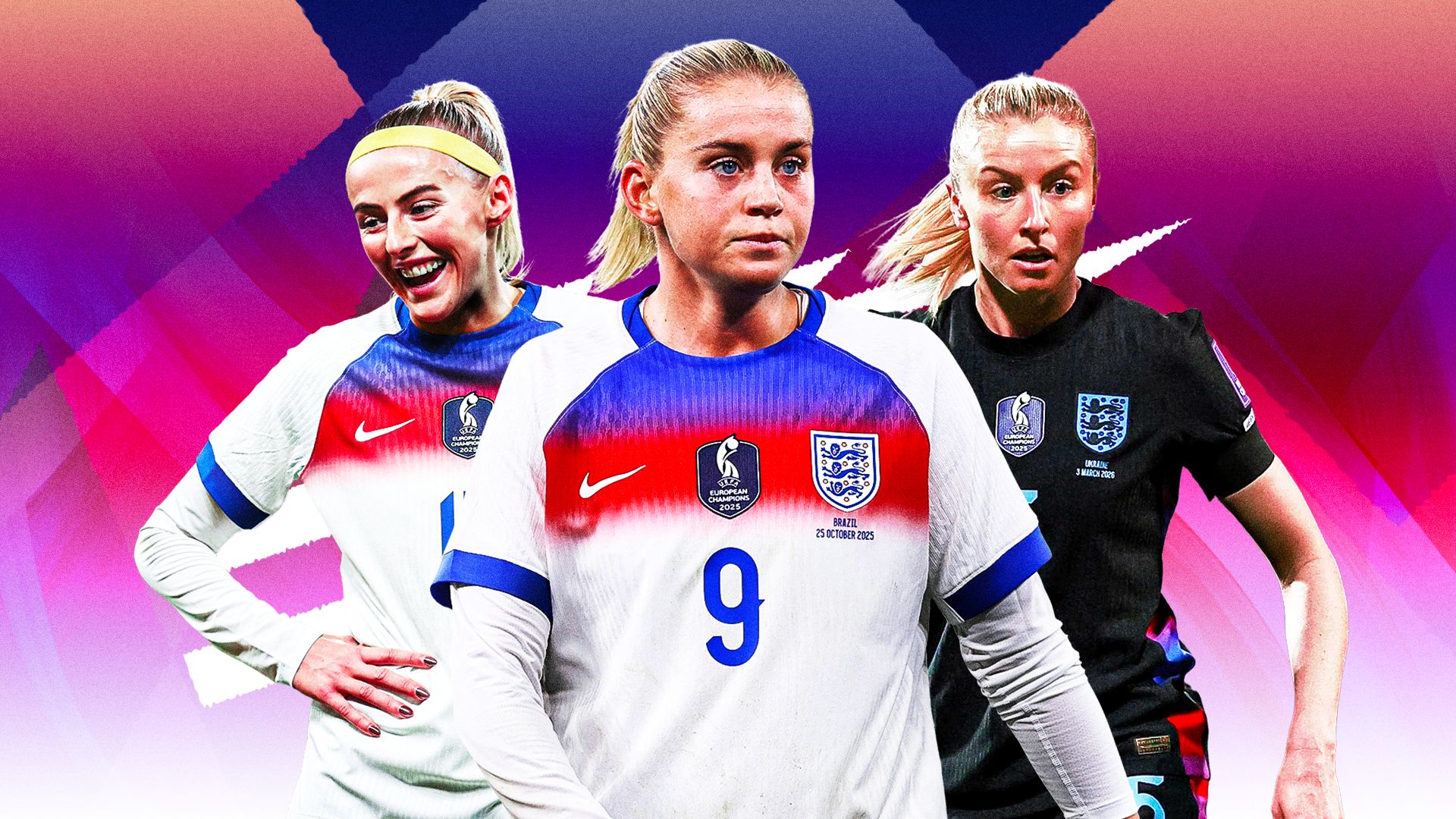
England's qualifying campaign for the 2027 Women's World Cup is officially underway. The Lionesses started it with a 6-1 win over Ukraine on Tuesday and will continue their quest to secure a place in Brazil when hosting Iceland on Saturday. As runners-up in 2023, few would not expect Sarina Wiegman's side to achieve as much, but who the manager will choose to represent the European champions in South America is a little less certain.
With little over a year to go until the 2027 Women's World Cup kicks-off, some of the front-runners for the trophy are obvious. Spain, the reigning champions, and England, the 2023 runners-up, who beat La Roja in the European Championship final last summer, are right up there. The United States' Olympic triumph in 2024 saw them reinstate themselves at the top of the international game while Brazil, as hosts and South American champions, will fancy their chances, too. This month's Asian Cup, though, has served as a reminder that Japan should also be considered as being right in that mix.
Columbus Crew, Cruz Azul, Leon, and Inter Miami are the most successful sides in the Leagues Cup, having won one title each.
How many teams are in the Leagues Cup?
As of 2024, there are 45 teams in the Leagues Cup, from both the MLS and the Liga MX. They are divided into 15 groups of three teams each. The inaugural edition in 2019, in contrast, featured just 16 teams.
Who has made the most Leagues Cup appearances ever?
Andre Blake, Jack Elliott, Jacob Glesnes, Kai Wagner, and Mikael Uhre – all of them players of Philadelphia Union – share the record for most appearances in Leagues Cup, making 14 appearances each.
Who is the all-time top scorer of the Leagues Cup?
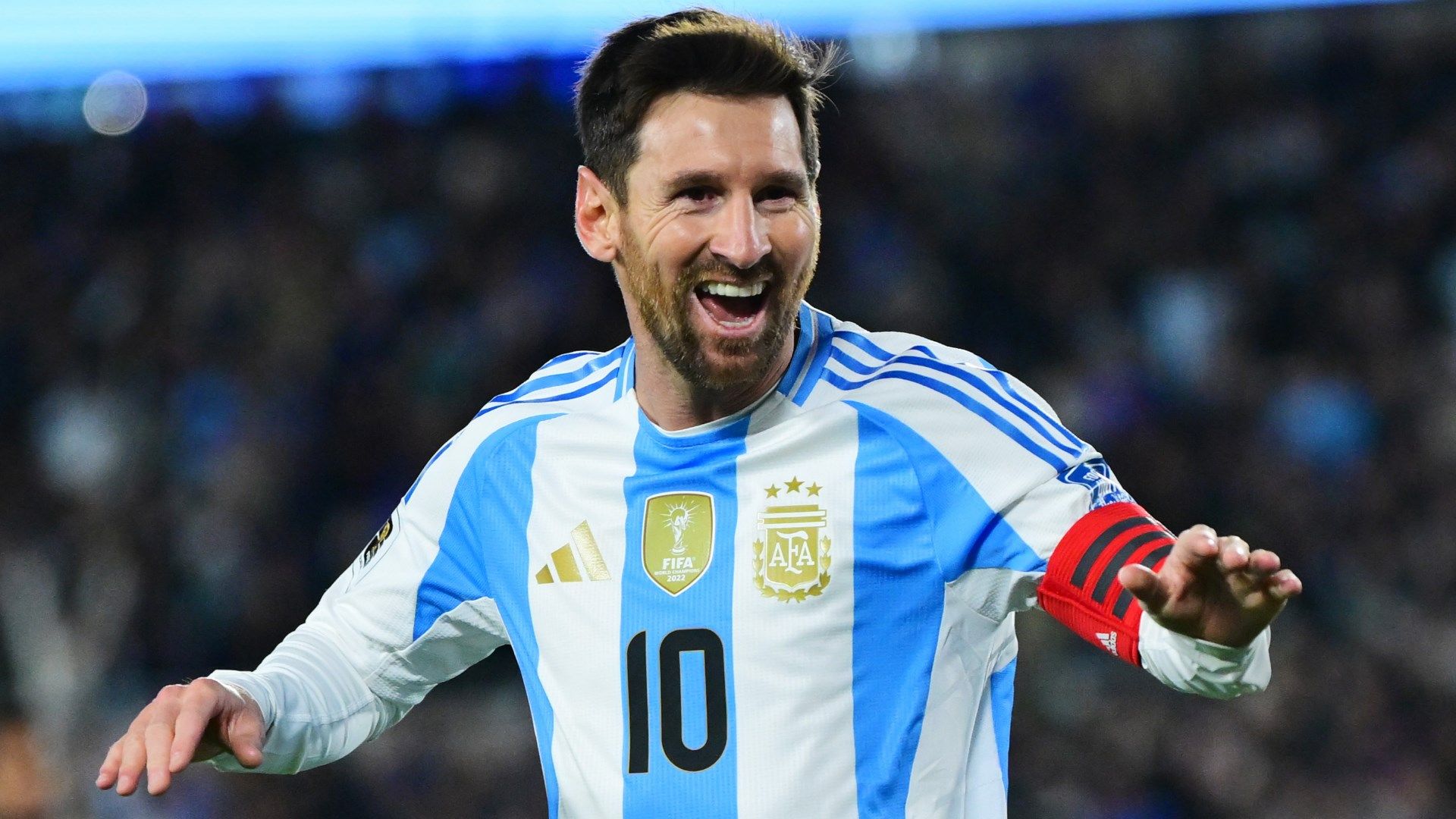
Gabonese forward Denis Bouanga is the all-time topscorer in Leagues Cup history, scoring 12 goals in 10 games for Los Angeles FC. Lionel Messi is close in second place with 10 goals.
Who is the oldest player ever in the Leagues Cup and how old was he?
Tijuana goalkeeper Jesus Corona is the oldest player to ever feature in a Leagues Cup game. Corona was 43 years and 191 days old when he played against Vancouver Whitecaps in August 2024.
Who is the youngest player ever in the Leagues Cup and how old was he?
Axel Kei is the youngest player to feature in Leagues Cup. Kei was just 14 years and 267 days when he achieved the feat during Real Salt Lake City's 2-1 loss against Atlas Guadalajara in 2022.
Which famous players have played in the Leagues Cup?
Lionel Messi, Jordi Alba, Sergio Busquets, Andre-Pierre Gignac, and Hector Herrera are among the most famous players to have featured in the Leagues Cup.
Which famous managers have managed in the Leagues Cup?
Caleb Porter, Tata Martino, Phil Neville, Martin Demichelis, and Fernando Gago are among the most famous managers in Leagues Cup history.