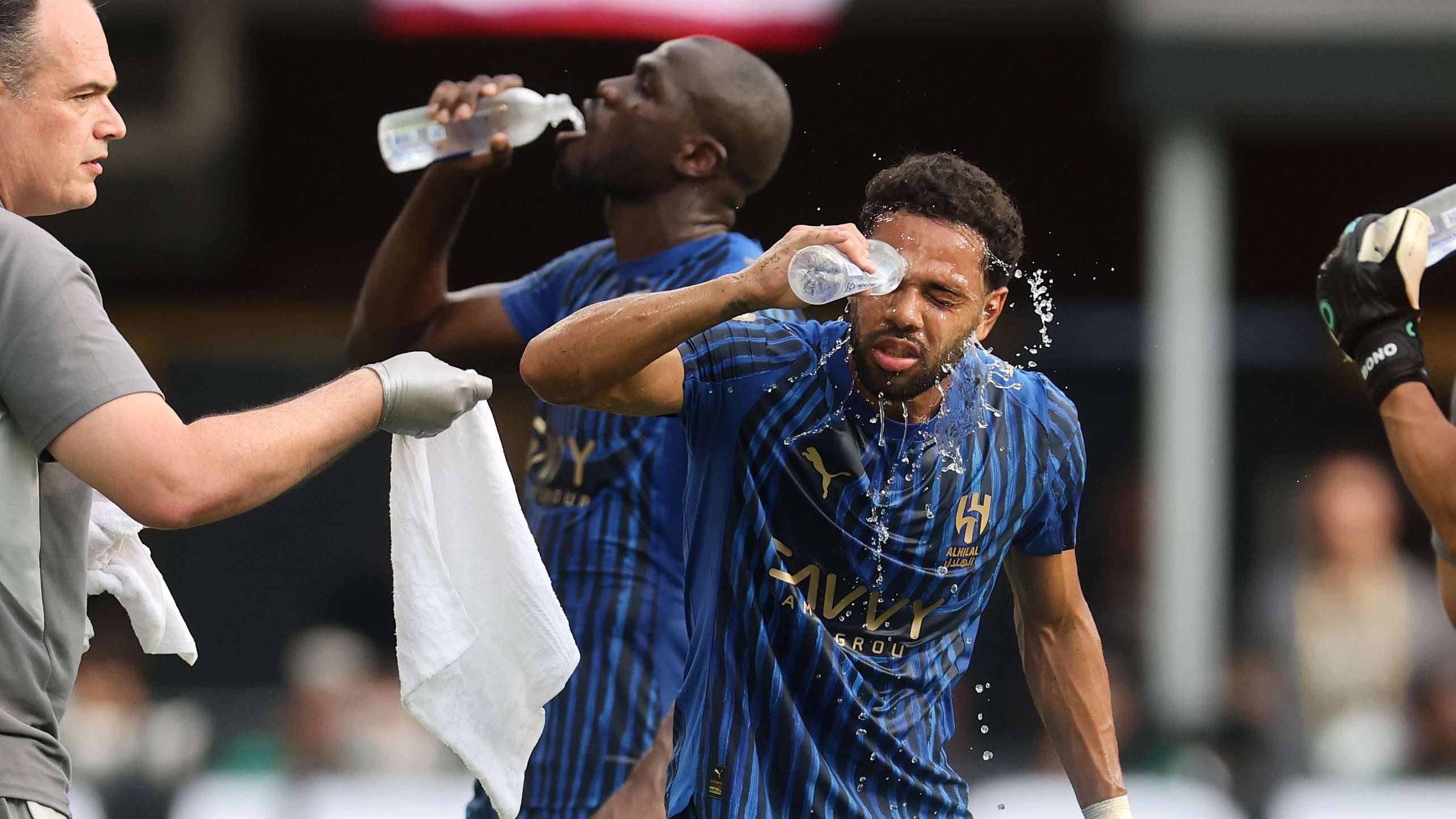
The CWC reinforced that there are controllable challenges - and some uncontrollable. No. 1 on that list is the climate. Summer World Cups are going to be increasingly difficult to play, given extreme temperatures and disruptive weather events. It’s why the 2022 World Cup in Qatar was pushed back to November in a significant departure from the normal June-July timeframe.
This probably should have been recognized by FIFA. There are professors, climatologists, NGOs who have written extensively about the impact climate change can have on soccer.
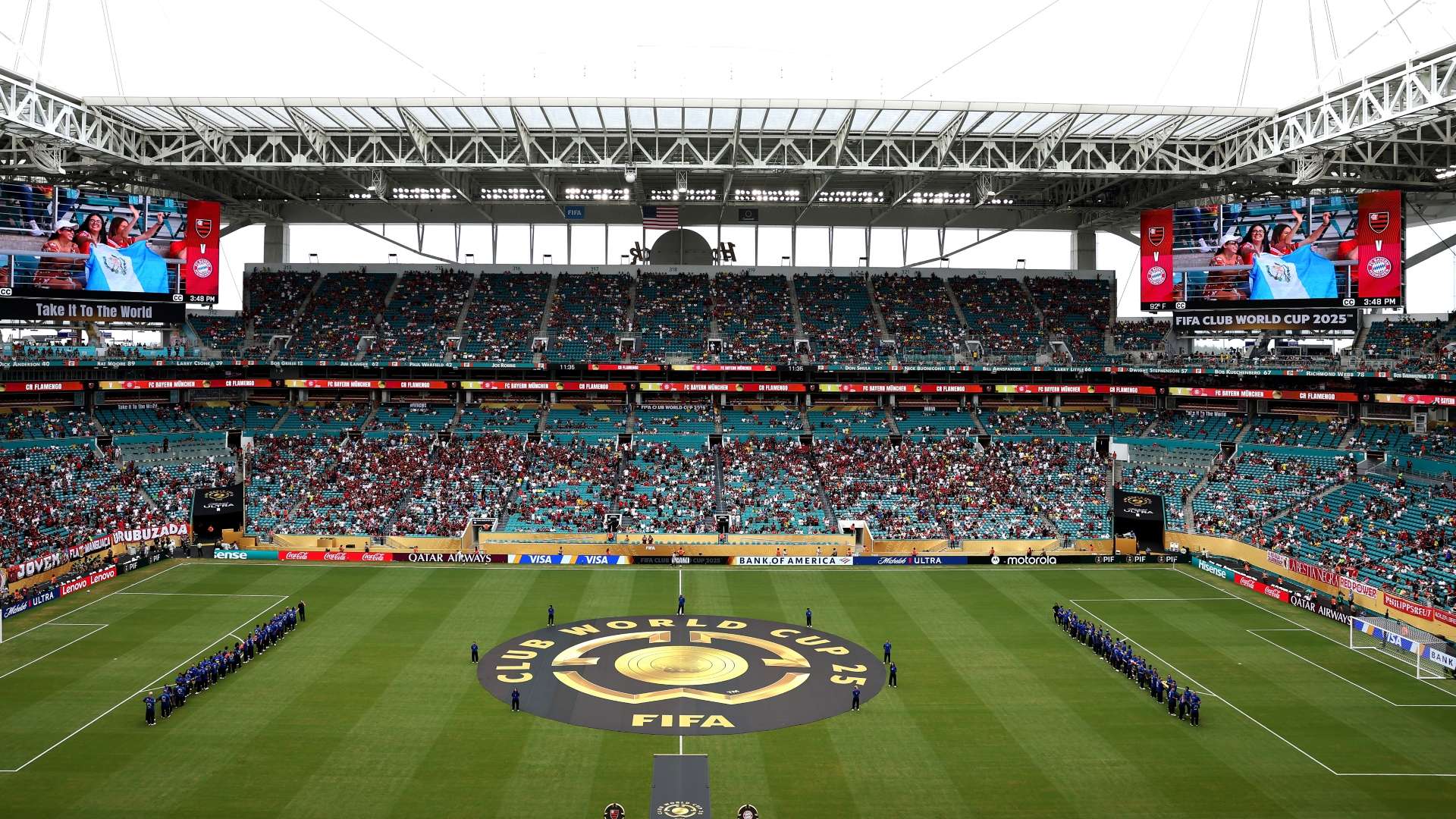
But even stripping that away, there remains one fundamental fact: America gets hot during the summer. Very hot. This is not a new phenomenon. Severe weather, including thunderstorms and lightning, also delayed or suspended matches for long periods. But European teams, in particular, seemed surprised by the blistering heat.
PSG coach Luis Enrique admitted that the temperatures had an impact on his team’s 4-0 battering of Atletico Madrid in their group stage opener. Chelsea’s Enzo Maresca was left furious after his team could barely train due to temperatures that exceeded 100 degrees in Philadelphia.
“It is almost impossible to train or to make a session because of the weather. Now we are trying just to save energy for the game,” Maresca said.
Chelsea’s Enzo Fernandez, who spent a good chunk of his career playing in the humidity of South America - and routinely takes part in sweltering friendlies for Argentina - remarked that he felt dizzy due to the weather.
Borussia Dortmund were ridiculed for the fact that their substitutes watched some of their game against Mamelodi Sundowns from the dressing rooms. That image becomes far more understandable when you consider it was north of 90 degrees.
There have been dissenting voices. Brazilian, Saudi and African teams all said that the weather was pretty standard for them. Bayern Munich striker Harry Kane, raised in the stifling heat of North London, admitted that it was just “part of football.”
Either way, it has started a dialogue on weather implications for the World Cup. FIFPro, the worldwide footballer’s union, said that a handful of CWC games should have been canceled due to unsafe weather conditions. Nine of next year’s 16 host cities often reach average summer temperatures that can cause “high risk” of heat-related injuries.
FIFPro director of Global Policy Alexander Bielefeld summed it up:
"What we have seen in the Club World Cup has to be a wake-up call for FIFA,” he said. “It’s clear that certain areas in the USA, especially in Florida, where there is a higher risk and a need to avoid midday kickoffs - so games scheduled in these cities should be moved to a later time. The health and safety of players must take priority over commercial interests, including the broadcasters."
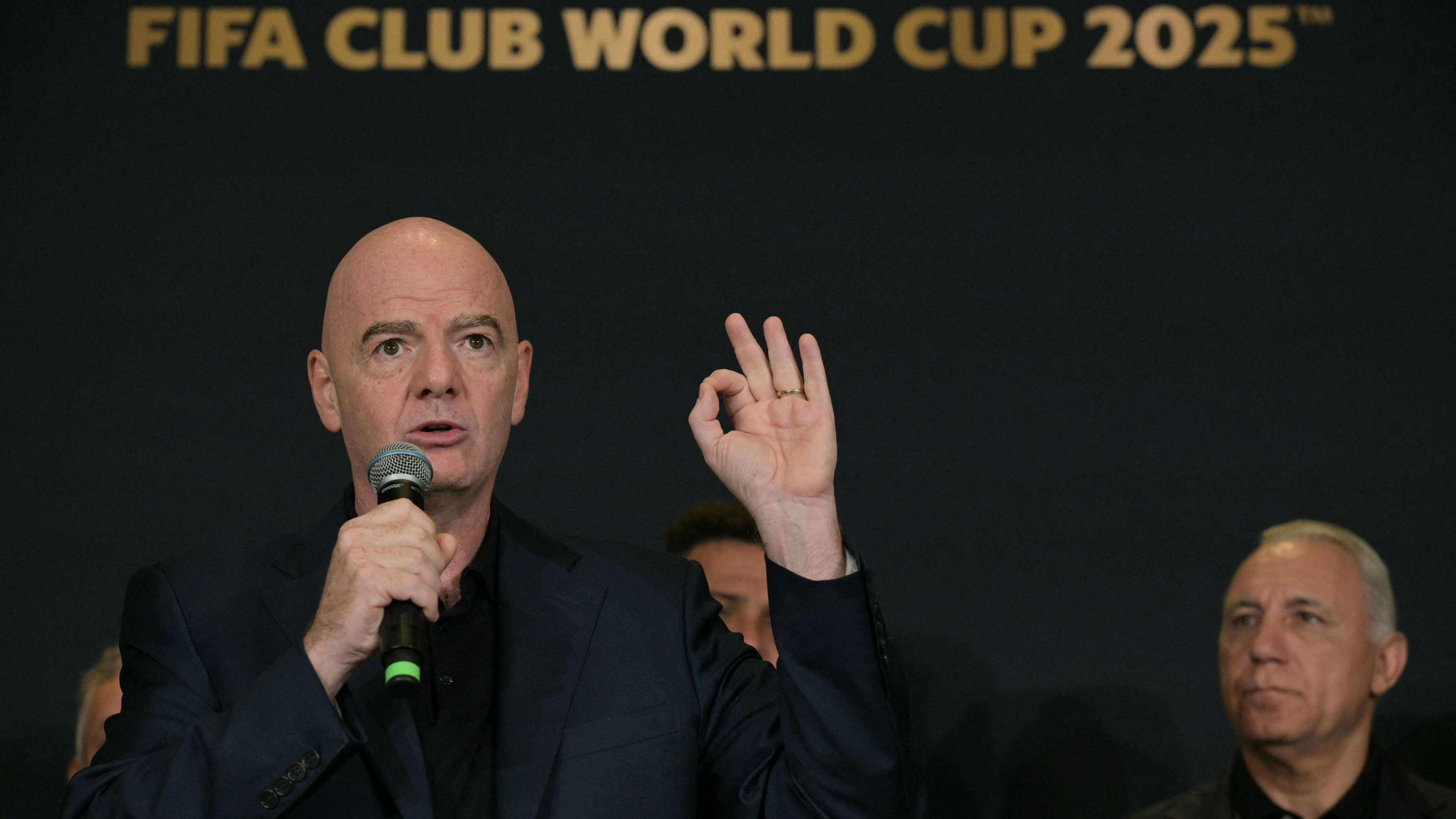
Infantino admitted that “the health of players is important.” He insisted that mandatory cooling breaks made a difference. But FIFA will face a real decision here. Some have suggested that early morning kickoffs could be a solution. Afternoon start times, in many cities, seem unreasonable.
"Every criticism we receive is a source for us to study and analyze what we can do better," Infantino said at a news conference in New York. "Of course, the heat is an issue. Last year, at the Olympic Games in Paris, games during the day, in all sports, took place in very hot conditions. Cooling breaks are very important, and we will see what we can do, but we have stadiums with roofs, and we will definitely use these stadiums during the day next year."
There are, indeed, some stadiums with roofs. But only four of the 16 earmarked for 2026 have coverage - Mercedes-Benz Stadium in Atlanta, AT&T Stadium in Dallas, NRG Stadium in Texas, and BC Place in Vancouver.