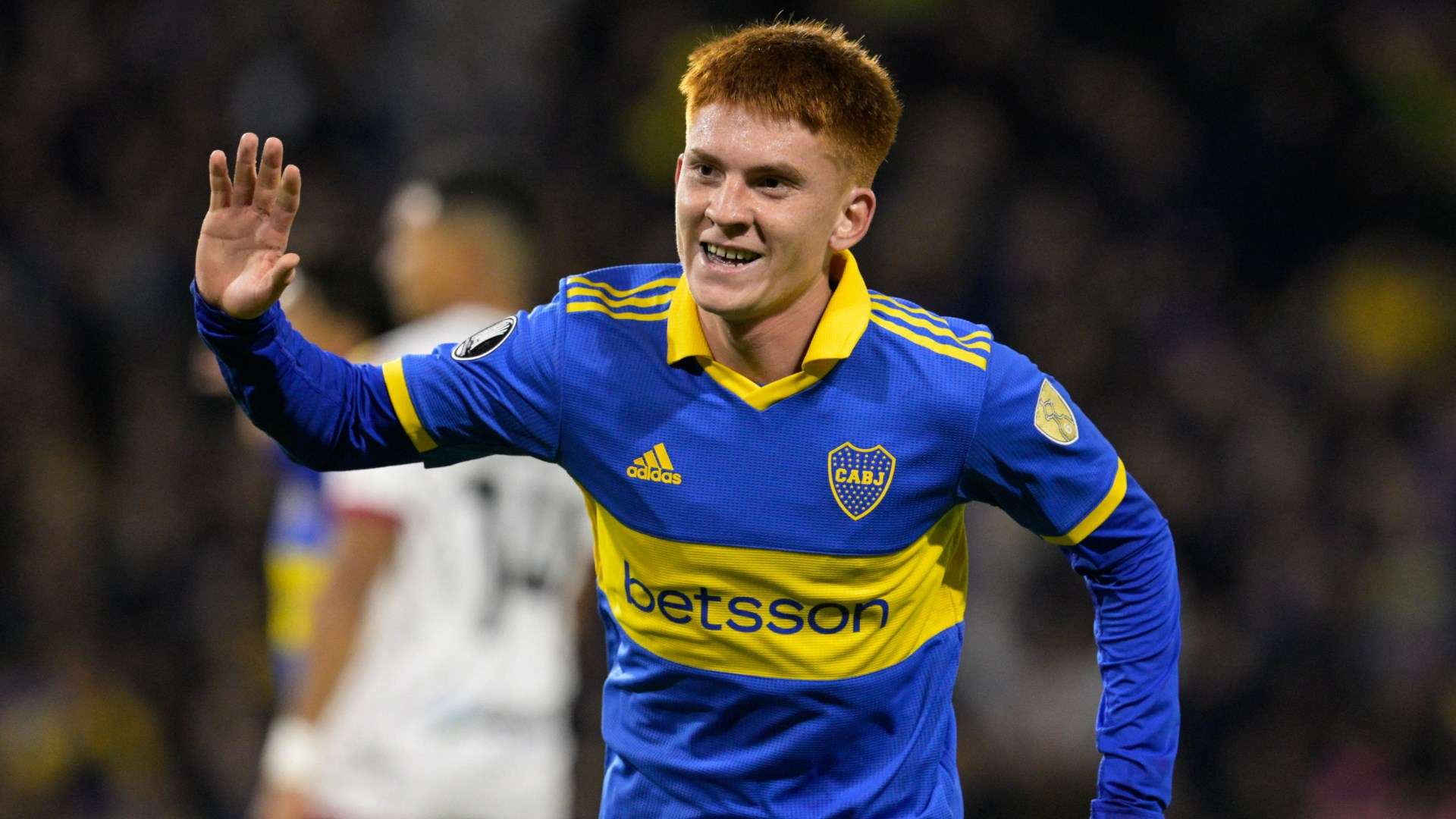
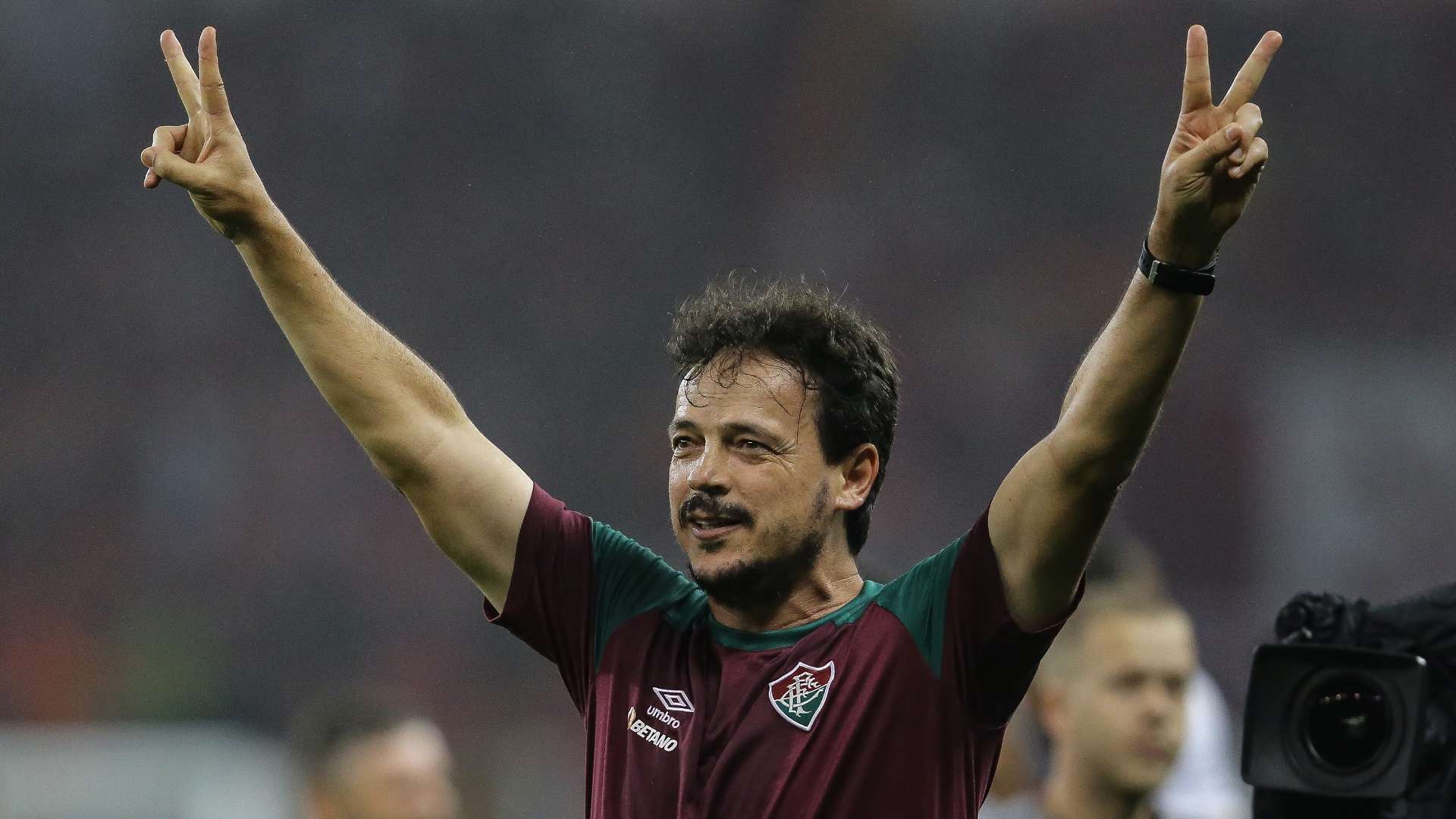
It's rare that a manager is simultaneously under pressure and on the verge of achieving legendary status - but that is the position both Diniz and Jorge Almiron find themselves in this weekend.
Why? Because despite their respective progressions to the Copa Libertadores final, neither Fluminense nor Boca Juniors are performing well in their local leagues. Flu's 1-0 loss at Bahia has left them eighth in the Brasileirao Serie A standings, while Boca are 10th in the Argentine Primera Division Group B, having taken just 11 points from 11 games.
Their exhausting exploits in the Libertadores have obviously had an adverse affect on their respective domestic performances. However, it's worth noting that while Fluminense have been flying in the Copa - no side has scored more goals than Diniz's free-flowing side (22) - Boca are heavily reliant on a backline that has been breached just five times.
Consequently, Almiron, who only took over in April, has been taking plenty of flak for his side's dour brand of football and somewhat fortuitous run to the Copa final, and there is no guarantee that he will be allowed to continue at La Bombonera if Boca are beaten in Brazil.
Diniz is also coming under scrutiny, too, not least because his spell as Brazil's caretaker coach is not going particularly well, with the Selecao held at home by Venezuela last month before being beaten in Uruguay.
However, the 49-year-old has a little more credit in the bank than Almiron. What's more, if he were to lead Fluminense to a first Copa triumph, it wouldn't just mean relief - or glory - it would also represent validation.
Right now, there is a debate raging among footballing tacticians over the respective merits of 'positionism' and 'relationism'. And if Guardiola is considered the finest exponent of the former, Diniz is, by his own admission, his philosophical antithesis.
That is not to say that the two coaches are polar opposites. Both champion the importance of possession and pressing; the difference lies in the approach to keeping a hold of the ball. Whereas Guardiola believes in creating space by deploying players in set positions - particularly out wide - Diniz's game plan is all about congesting certain areas of the field.
The goal is to play through teams with overloads and one-twos. It is high-risk, Futsal-style football and it can be punished by teams that specialise in rapid transitions. But it is truly beautiful to behold, a style of play that taps into the traditional, technical strengths of Brazilian players by encouraging constant interchanging of positions, and has thus evoked talk of a return of 'joga bonito'.
Which is why some supporters and pundits, like Romario, believe the Brazilian Football Federation (CBF) should ditch their plan to appoint Carlo Ancelotti as coach next year and give Diniz the job on a full-time basis, so that he has sufficient time to successfully implement what is a complex tactical strategy.
So, the final really isn't just about Fluminense or Boca Juniors. It's also about Diniz and a potentially pivotal moment in football history in terms of how the game is perceived - and played.



.jpg?auto=webp&format=pjpg&width=3840&quality=60)