Historically, Barcelona and Real Madrid have been much more than clubs; they are the heart of Spanish football. They have always provided the majority of players to the national team, and their performances directly influence the quality of La Roja.
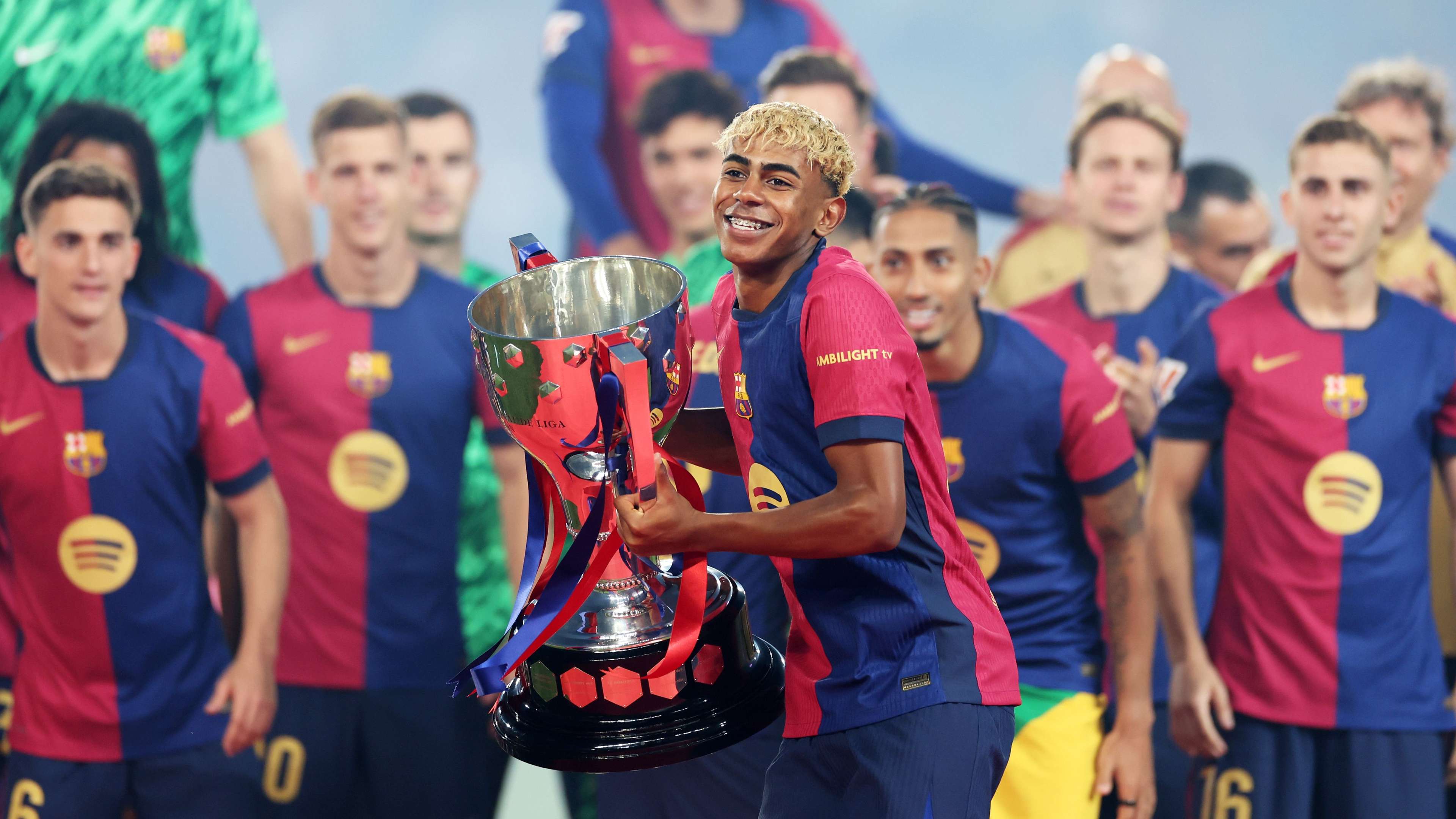
This mutual dependence creates a delicate balance; the competition between both clubs ensures player standards remain high, and the success of one strengthens the national team. If either Barcelona or Real Madrid experiences a sporting or institutional crisis, Spain feels it on the international stage. That is why Barcelona’s rebirth under Flick has a positive effect not only on the club, but also on La Roja’s aspirations towards 2026
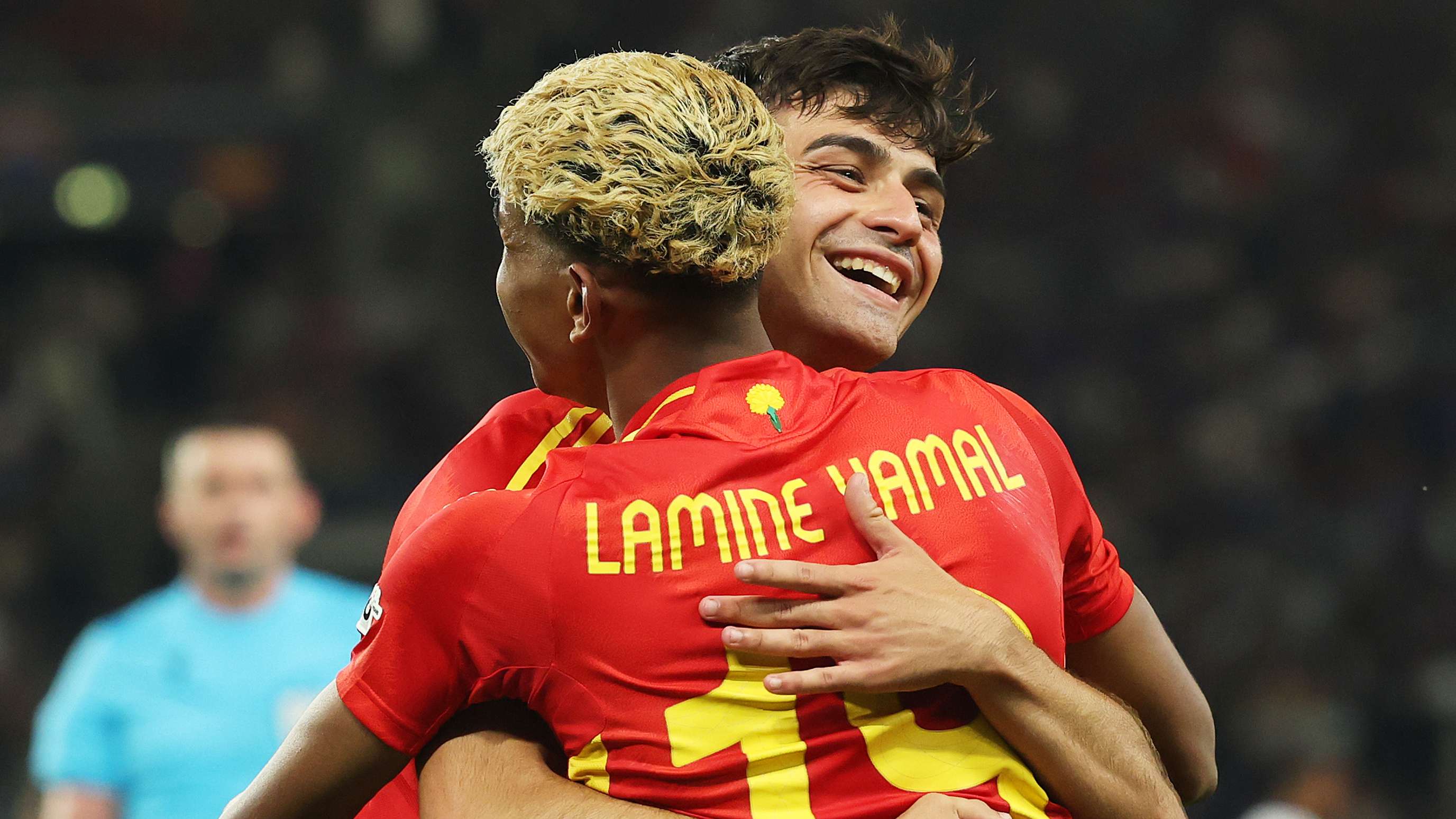
Just as in 2010, Barcelona seeks to be Spain’s backbone. The combination of young talent and a clear playing philosophy could provide Spain with a solid core for the 2026 World Cup, led by Pedri and Gavi, who are responsible for controlling the midfield, maintaining possession, and driving the attack; Dani Olmo, a creative player who is capable of arriving from the second line; Ferran Torres and Lamine Yamal, providing attacking imbalance and goal-scoring ability; and Joan Garcia, who has become secure between the posts and a leader from the back.
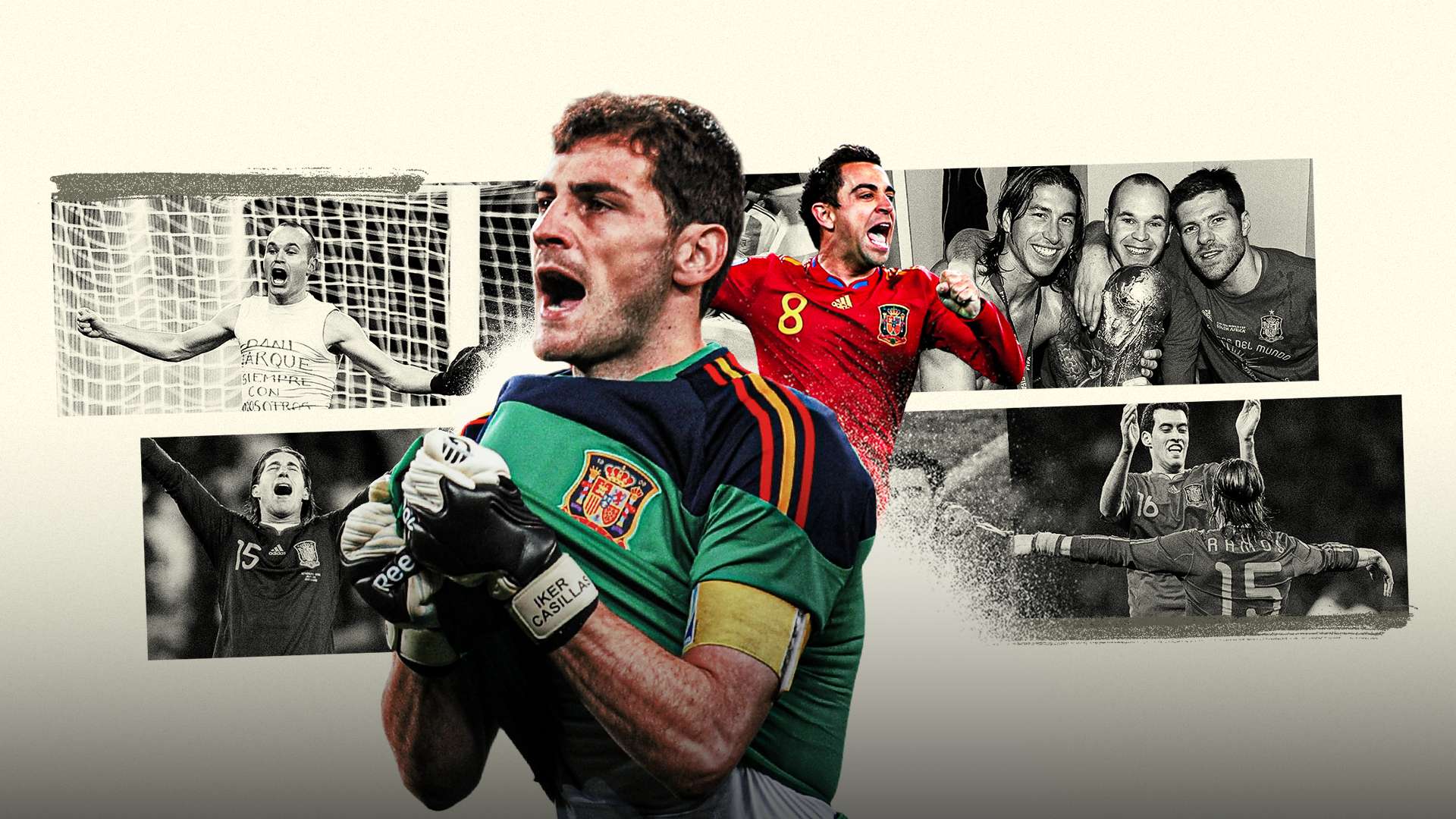
From the three Barcelona players who were part of the Euro 2008 squad, Del Bosque raised the number to eight in South Africa two years later, seven of them starters in the final against the Netherlands. It was Barcelona’s two central defenders, one pivot, two midfielders, and two forwards under Guardiola who started the most important match in Spain’s football history, playing Tiki-Taka as they did every weekend.
Xavi and Busquets revolutionised the midfield, shining with remarkable passing efficiency, complemented by Puyol’s forward surges, and Iniesta and Pique’s presence. La Roja had an unmistakable identity, where ball possession and quick transitions were paramount throughout the World Cup, strengthened by absolute technical quality. Spain took the initiative and displayed wonderful football led by Iniesta.
The goal is clear: To replicate the 2010 formula with Barcelona players, ensuring chemistry, tactical understanding, and a strong collective identity that allows Spain to compete at the highest level.