Icons Copa do Mundo 1994GOAL

ICONS: The steamy summer of 1994 and the World Cup that made America believe in the beautiful game

Before 1994, the World Cup had always been held in 'football nations', places that truly knew the game, embraced it, lived it and loved it. This was a sport that had been reluctant to push beyond its familiar boundaries, and seldom wandered into areas that weren't traditionally its own. 

Choosing the United States as the hosts changed all that. The rest of the world might have questioned it, while some of those in Europe actively raged against it on principle. There were, apparently, so many things 'wrong' with an American World Cup. But, looking back through the decades, with the next World Cup in the U.S. just a few months away, the 1994 tournament got so, so much right.

USA '94 was, with over 30 years of hindsight, the first truly modern World Cup. It was an inflection point at which 'football' embraced 'soccer' and two separate cultures merged in full. It remains, to this day, the best-attended World Cup in the competition's history. At the time, it was also the most financially successful.

It spawned a professional league in the U.S. and cultivated a generation of soccer fans - millions of whom have since come to love the game. There would be no Major League Soccer or National Women's Soccer League, or any of the other domestic leagues in the U.S., without the 1994 tournament. 

There would certainly be less of an established soccer culture in North America. There would not be a North American World Cup in 2026 - to be co-hosted by Canada, Mexico and the U.S., with the majority of the matches to be held in 11 American cities - without it. This was a tournament as much about impact as entertainment. And, as they so often do, Brazil won.
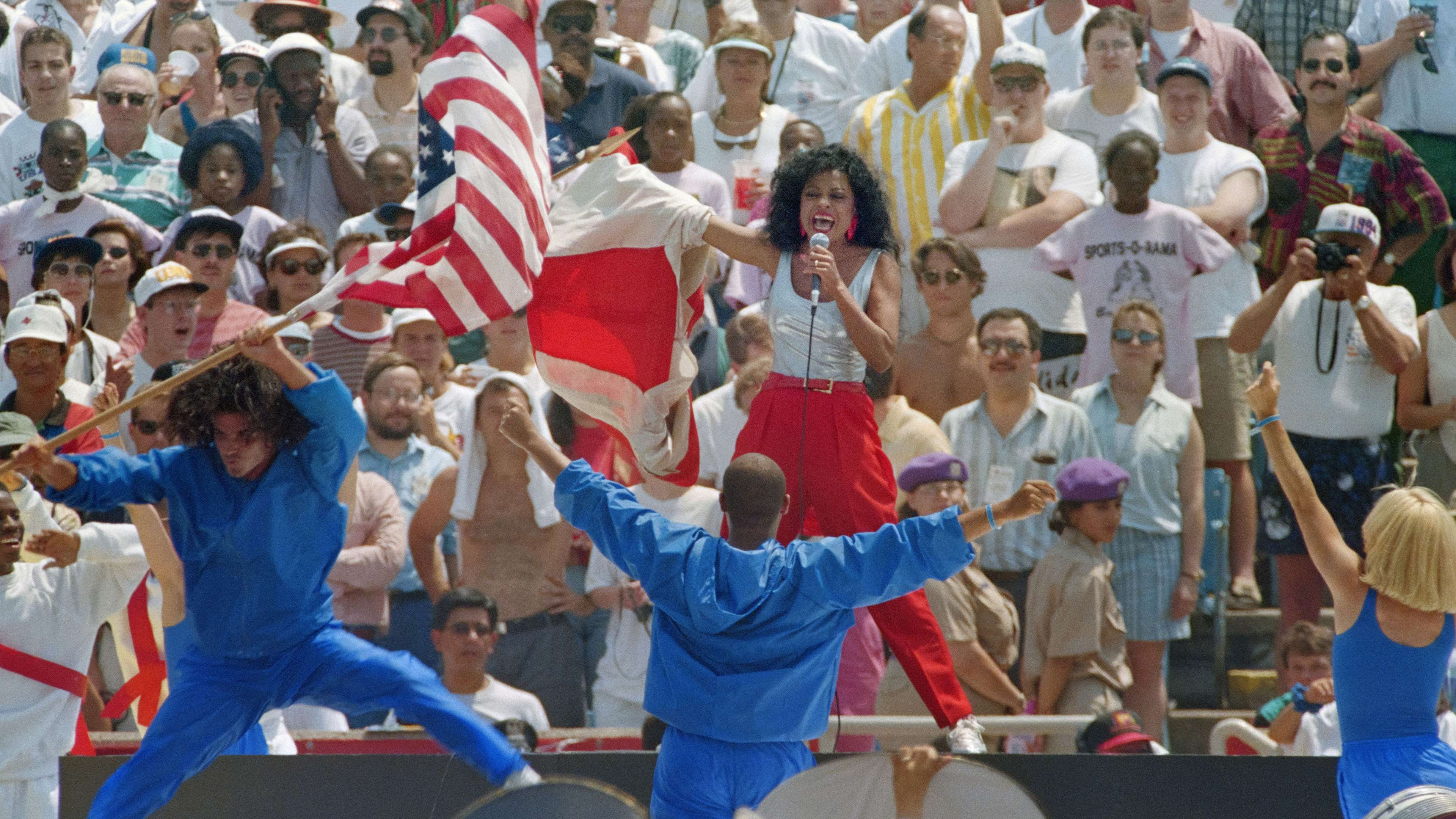
  • FBL-USA-WC1994-OPENING CEREMONYAFP

    Bidding process

    The prospect of a World Cup in America wasn't necessarily a new thing. The U.S. originally bid to host the 1986 World Cup, which included an elaborate pitch to ensure its arrival. Tapping into the influence of the NASL - the first professional soccer league in the U.S., which existed in various states from 1968-84 - U.S. Soccer put together a panel of legends to bring the World Cup to America.

    Pele and Franz Beckenbauer were there on stage in 1982, lobbying for the tournament, making a late play after Colombia dropped out. Their pitch, though, was perhaps a bit too radical. It was suggested, for example, that the tournament could feature larger goals, or even split games into quarters to keep advertising-hungry U.S. executives happy. That was a bridge too far, and was ultimately rejected, with Mexico instead hosting the 1986 tournament.

    Six years later, though, America was back, and far better equipped. The decision, appropriately, came on July 4, 1988, and needed just one round of voting from the FIFA executive committee. They did, however, have a few stipulations. USA '94, they decided, had to come with a commitment to the growth of the game.

    That meant a professional soccer league in the U.S., fully backed and organised, to replace the defunct NASL. Soccer had to be big in the States, not just before and during, but after the tournament ended. This was supposed to be the starting point of something massive. The U.S. dutifully agreed and committed to founding MLS, which was scheduled to begin following the conclusion of the tournament.

    "The development of the national team and the creation of Major League Soccer wouldn’t have happened without the World Cup,” Alan Rothenberg, then-president of U.S. Soccer, said in 2014. “The whole sport got elevated from what was essentially a hand-to-mouth grassroots operation to a well-funded, well-run professional organisation."

    It helped, too, that the U.S. had enough of a reliable infrastructure. Brazil and Morocco also made intriguing bids, but they faced some clear disadvantages, mostly around venues. Brazil, FIFA determined, would need to refurbish some of its grounds, while Morocco had to build nine new stadiums. The U.S., with existing NFL stadiums dotted across the country, needed just $500 million to straighten everything out.

    Add in the fact that the 1984 Summer Olympics in Los Angeles had drawn 1.4 million satisfied spectators, and there was ample evidence that America could put on a massive event.

  • Advertisement
  • 1994 WORLD CUP FINALGetty Images Sport

    Venues and weather

    There were some complications, of course. Previous host nations had plenty of soccer stadiums to choose from. It was incredibly rare, in fact, for other venues to be converted into soccer-watching ones for the World Cup - there was literally no need.

    The U.S. had the opposite problem. All nine host cities proved capable of supporting the influx of fans, but none of them featured soccer-specific venues. They were all, in fact, home to either NFL or college football teams.

    This did offer some advantages. It meant, for example, that the venues were massive. All stadiums had a capacity north of 50,000, and plenty of history to boot. It meant that everyone wanted to get involved - 23 cities were rumoured to be interested in hosting games. Most were ruled out due to conflicts with the Major League Baseball season, while others were disregarded due to their lack of convenience - New Haven, Connecticut, home of Yale University, was deemed too isolated, for example.

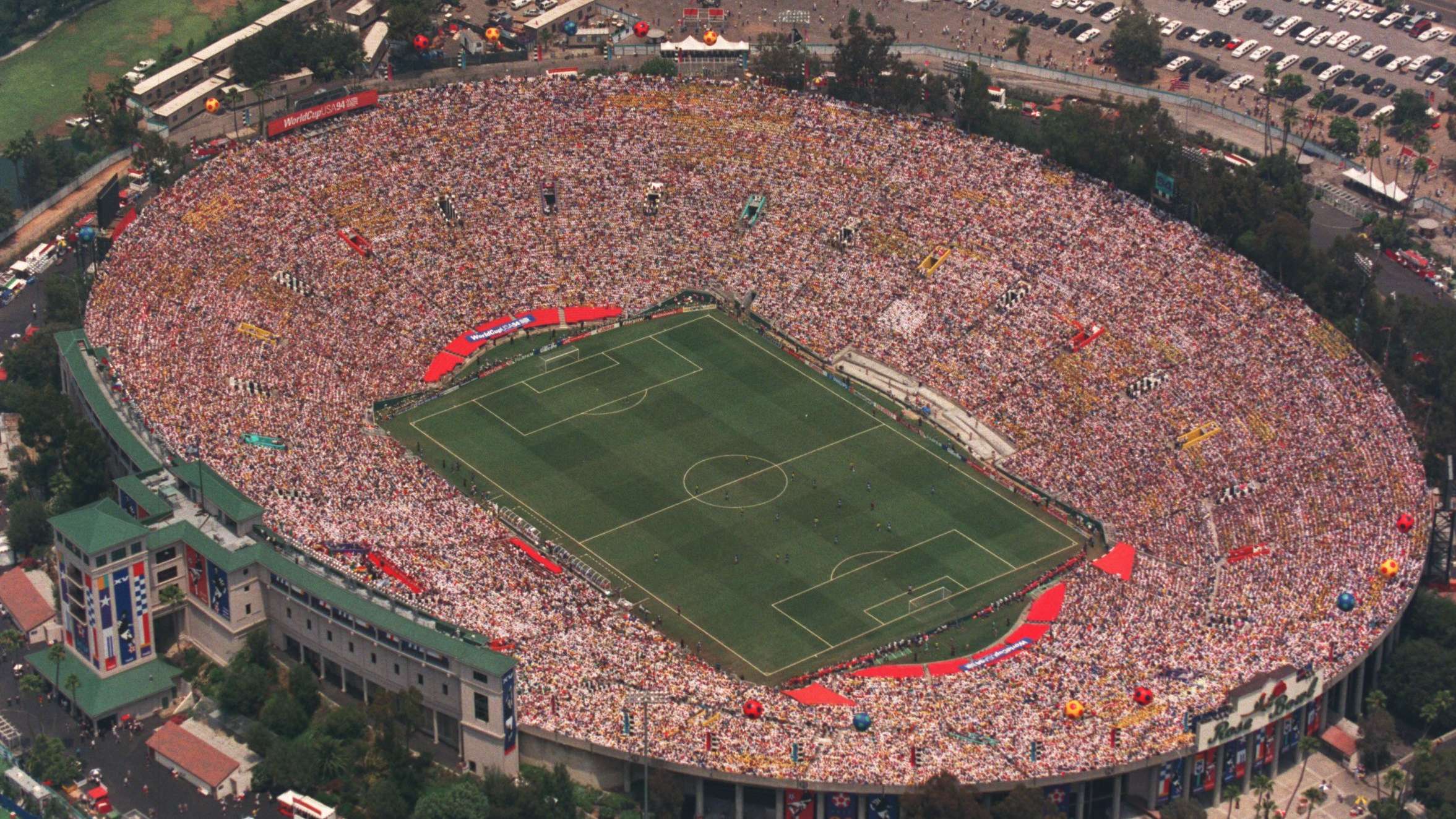
    The Rose Bowl was to be the central hub. The iconic stadium in Pasadena, California, hosted eight matches, including the final. New Jersey's Giants Stadium - located on the same grounds as what is now MetLife Stadium, which will host the 2026 final - hosted seven games.

    There were also concerns over the weather conditions, namely the intense heat. There were real fears that searing hot American summers and turf fields would lead to some serious discomfort for fans and players alike. However, in order to appease European broadcasters, most games started around midday U.S. time. As a result, some of the group-stage fixtures kicked-off amid 100-degree-plus temperatures.

    "To give 100 percent effort in this weather, you'd have to be a robot," Brazil coach Carlos Alberto Parreira said at the time.

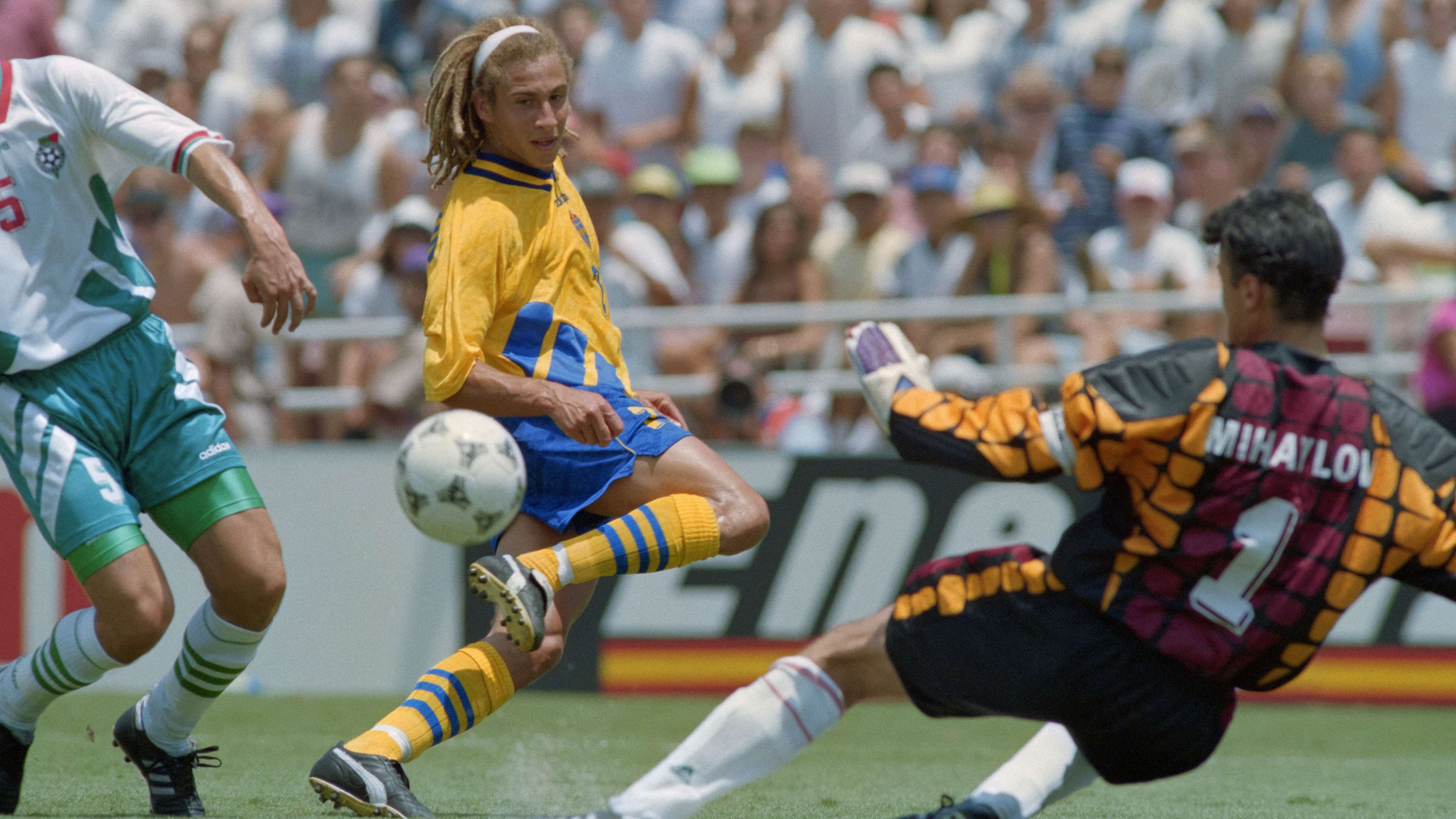
  • FBL-USA-WC1994-SWEDEN-BULGARIAAFP

    New rules, new traditions

    Every World Cup comes with changes. For example, 2018 was the first tournament to implement VAR. And USA '94 instituted some new facets of the game, which changed things radically. 

    The back-pass rule wasn't new to football in 1994, but this was the first World Cup in which goalkeepers were not allowed to use their hands when a ball was played back to them by a team-mate. The idea was, of course, that the game would flow more, and teams would be forced to attack. As expected, goals per game went up as a result.

    FIFA made other changes, though. The '94 World Cup was the first to award three points for winning a game - it was previously two - encouraging teams to push for a victory and therefore guarantee easier progression to the knockouts. The result wasn't quite the free-flowing football some had hoped for - Brazil scored just 11 goals in seven games en route to winning the tournament - but it did add jeopardy to the group stage, especially with select third-place finishers going through.

    Perhaps the sneakiest change, though, was yellow card accumulation. Previously, two bookings across the entirety of the tournament led to a one-game suspension. That rule was met with controversy in 1990 when England's Paul Gascoigne would have been banned for the final after picking up two bookings (he was saved that embarrassment by England losing in the semis). Yellows were now wiped clean after the group stage.

    There were some other firsts, too. The '94 World Cup was the first time that the FIFA anthem was played as the players walked on to the pitch, while it also marked the first time that referees wore black shirts. And in a win for broadcasters, players had their names printed on the back of their jerseys for the first time in World Cup competition.

  • ENJOYED THIS STORY?

    Add GOAL.com as a preferred source on Google to see more of our reporting

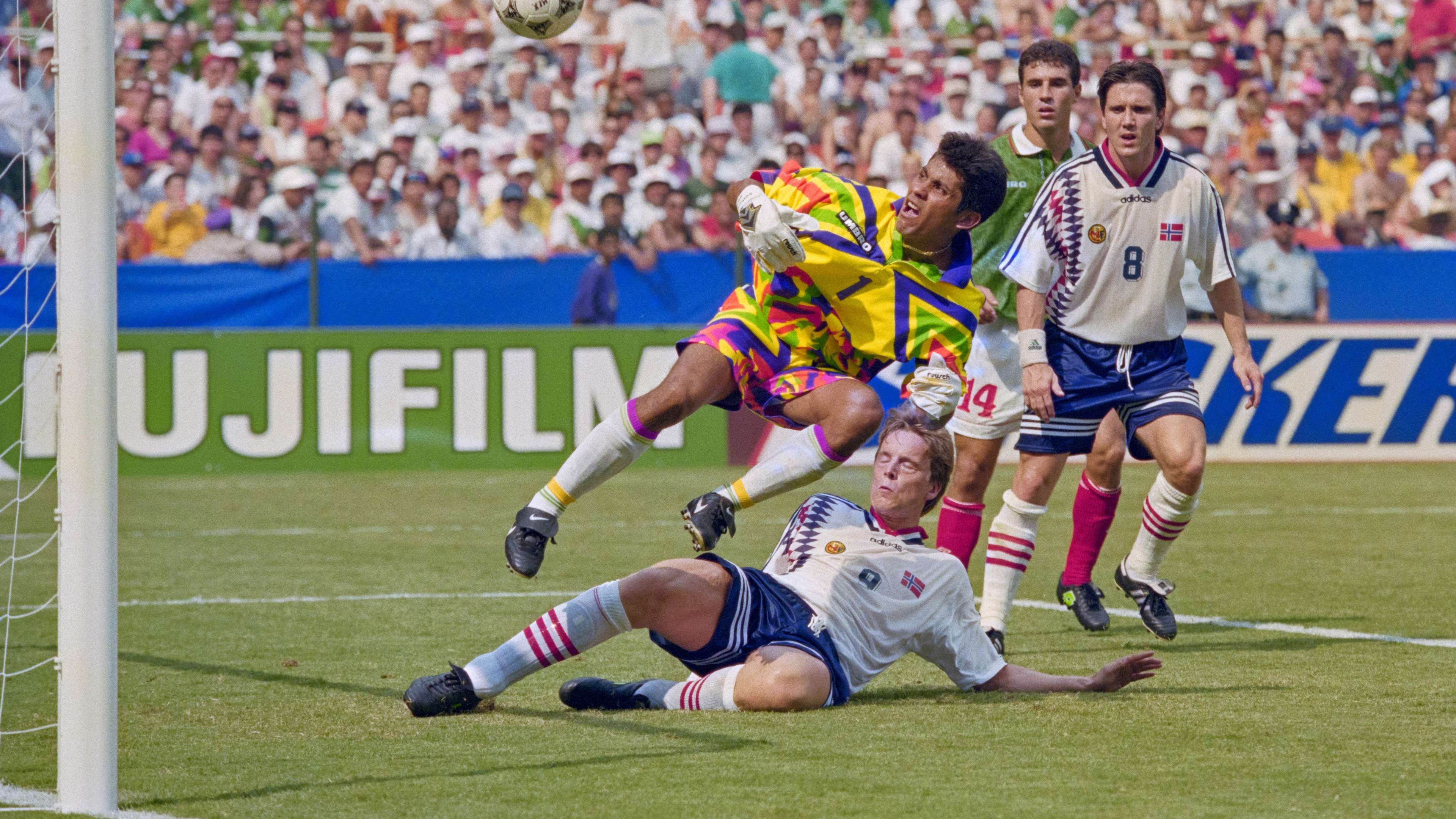
  • FBL-USA-WC1994-NORWAY-MEXICOAFP

    Iconic style

    Football nostalgia is a dangerous thing. Such is the world of modern sports that we tend to glorify the old stuff: jerseys, shorts, hairstyles, even boots. Everything feels like a throwback these days, a touchstone in reference to something else.

    Of course, there has to be an original iteration, and the 1994 World Cup had that with its kits. This was a tournament of freedom of design and subsequent expression on the pitch. It has led to a number of classic looks.

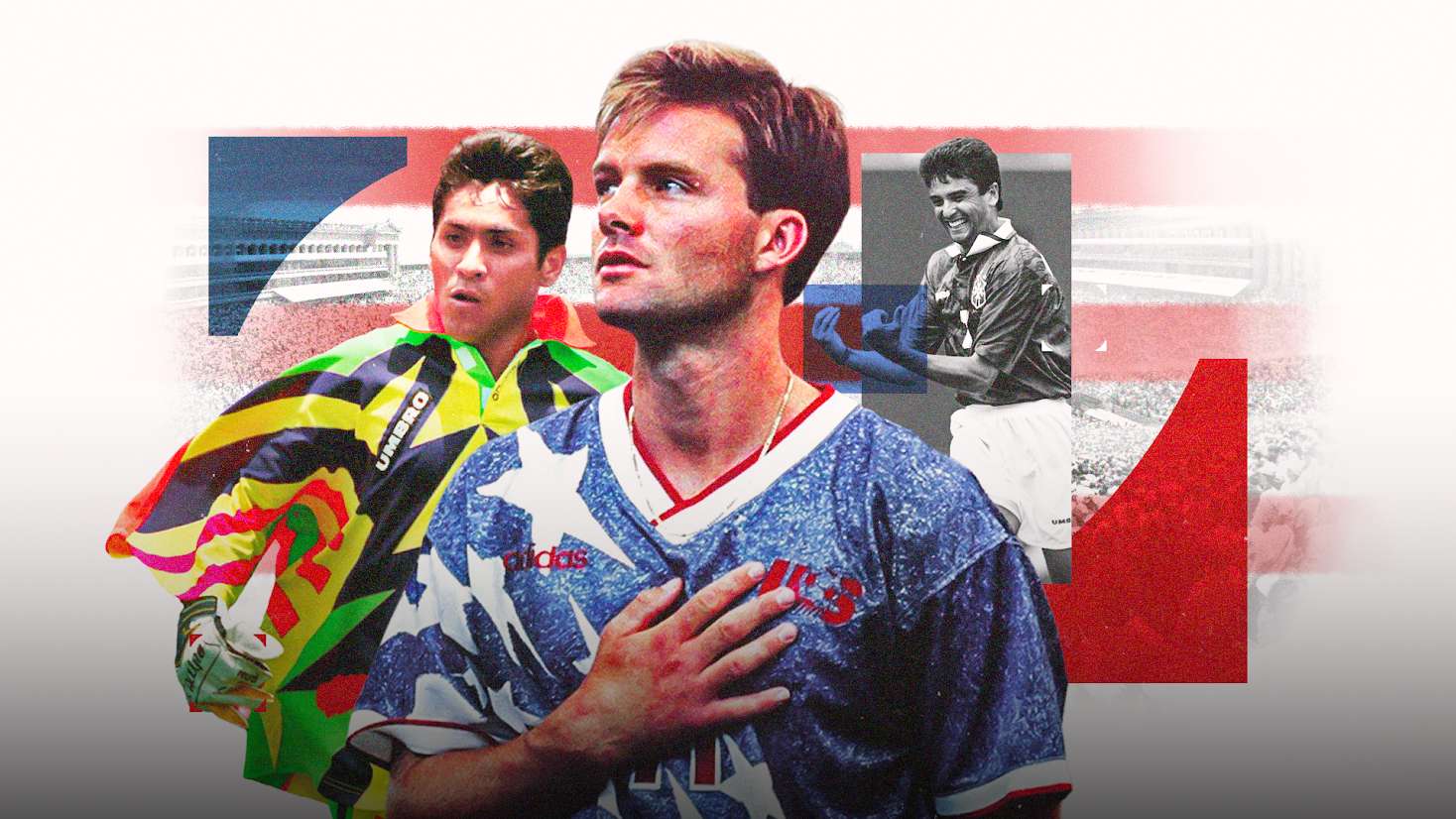
    It started with the goalkeeper jerseys, made up of all sorts of insane colours and weird combinations that have aged well over the years. And other templates have survived, too.

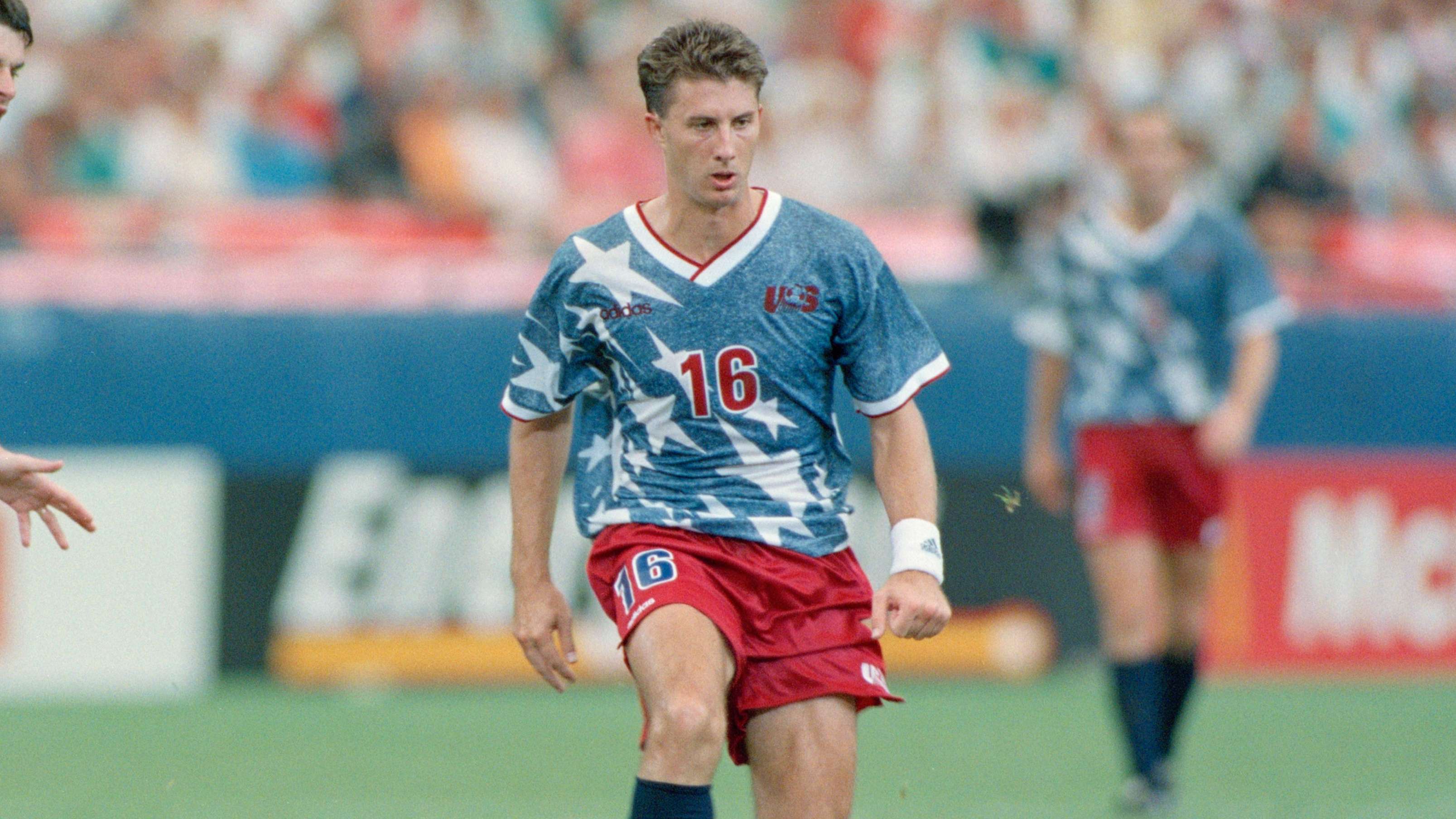
    The USA's famous 'denim kit', often associated with the red-headed Alexi Lalas, is considered a cult classic - even if some had a dissenting opinion, such as Tab Ramos, who told The Athletic, "We wanted the world to see us as a soccer nation. And here we come with these uniforms that were just ridiculous.”

    And what about Lalas? He remains all-in on the look.

    "Everything that I desire and everything I want from a jersey is the 1994 home," Lalas said on his State of the Union podcast. "I don't think there has ever been a more inspired type of American jersey regardless of what sport you're talking about. It was Stars and Stripes, red, white and blue, and you knew exactly who was on the field. It has grown into something bigger than it even was at the time."

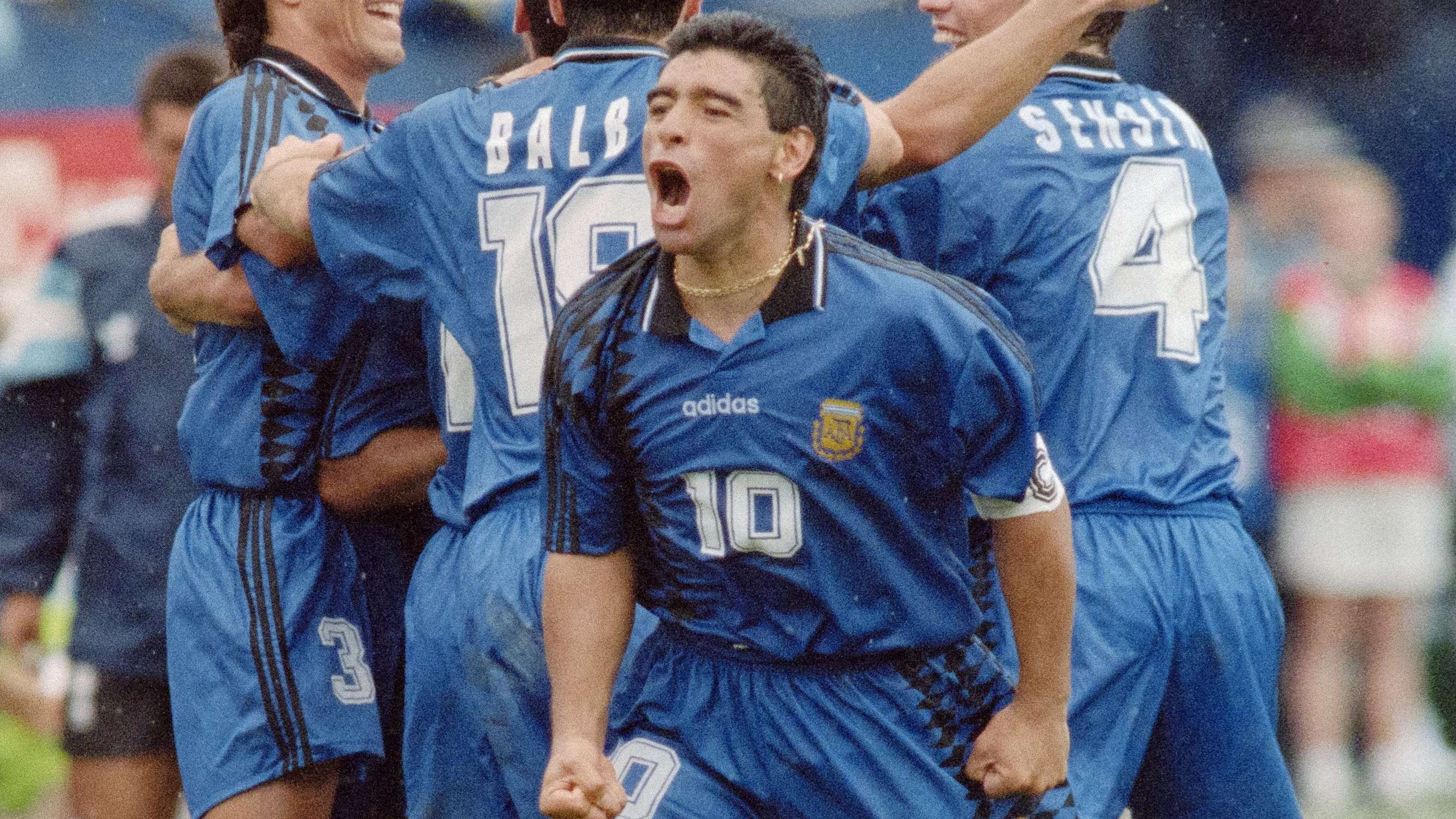
    Italy's deep blue has been repurposed over and over while the Argentina away strip, complete with three lines on the right shoulder, has endured (not least for its association with an iconic picture of Diego Maradona). Brazil did well, too, putting out one of the better versions of their iconic samba colourway in team history. Nigeria, meanwhile, won Group D, and looked so stylish in doing so.

  • FBL-US-WC 1994-ARGENTINA-GREECEAFP

    Farewell, El Diego

    Argentina were in a strange spot heading into the 1994 World Cup. They simply had to be considered among the favourites, because they were Argentina. But it was a strange era for the Albiceleste.

    Maradona had led them to glory in 1986, and helped drag them to the final again 1990, where he famously blamed the referee for his side's 1-0 loss to Germany in the final. But ahead of the '94 tournaent, he had been out of the national team for nearly three years.

    There was a pretty good case, in fact, that his career should have been over by 1992. Maradona was banned for 15 months in 1991 after a positive drug test. At that point, he was 32, overweight, and considered done.

    A stint with Newell's Old Boys in Argentina provided enough evidence to show that he could still kick a ball, and the Argentine public clamoured for his inclusion in the national side. By 1993, the noise grew too loud for the FA to ignore. Argentina needed to advance through a play-off round to even qualify, and Maradona was instrumental in their two-legged win over Australia.

    By 1994, he was ready to go - even if there were serious concerns about his fitness. However, other problems mounted. Maradona was 'randomly' selected for a drug test after the second game of the group stage, and failed. FIFA banished him from the tournament, and he never played top-level football again, famously saying that the governing body "have sawed off my legs."

    Argentina went on to lose to Romania in the last 16.

  • USA V COLOMBIAGetty Images Sport

    Tragic tale of two Escobars

    Colombia's appearance at the 1994 World Cup came under controversial circumstances, to say the least. Their arrival in the U.S. came amid rumours that drug cartels were pulling the strings behind the scenes, placing bets on games, and even dictating team selection. And when a player was dropped from the squad late on, the conspiracy theorists came out in full.

    It's unclear how much of that can be associated with their performance, but the tragic tale that followed certainly helps piece together the puzzle. Colombia were beaten 3-1 in their opening game by Romania in a quite remarkable upset at the Rose Bowl. That meant they needed to get at least a result against the U.S. - ideally a win - to advance to the knockouts, but they were met with fierce American resistance.

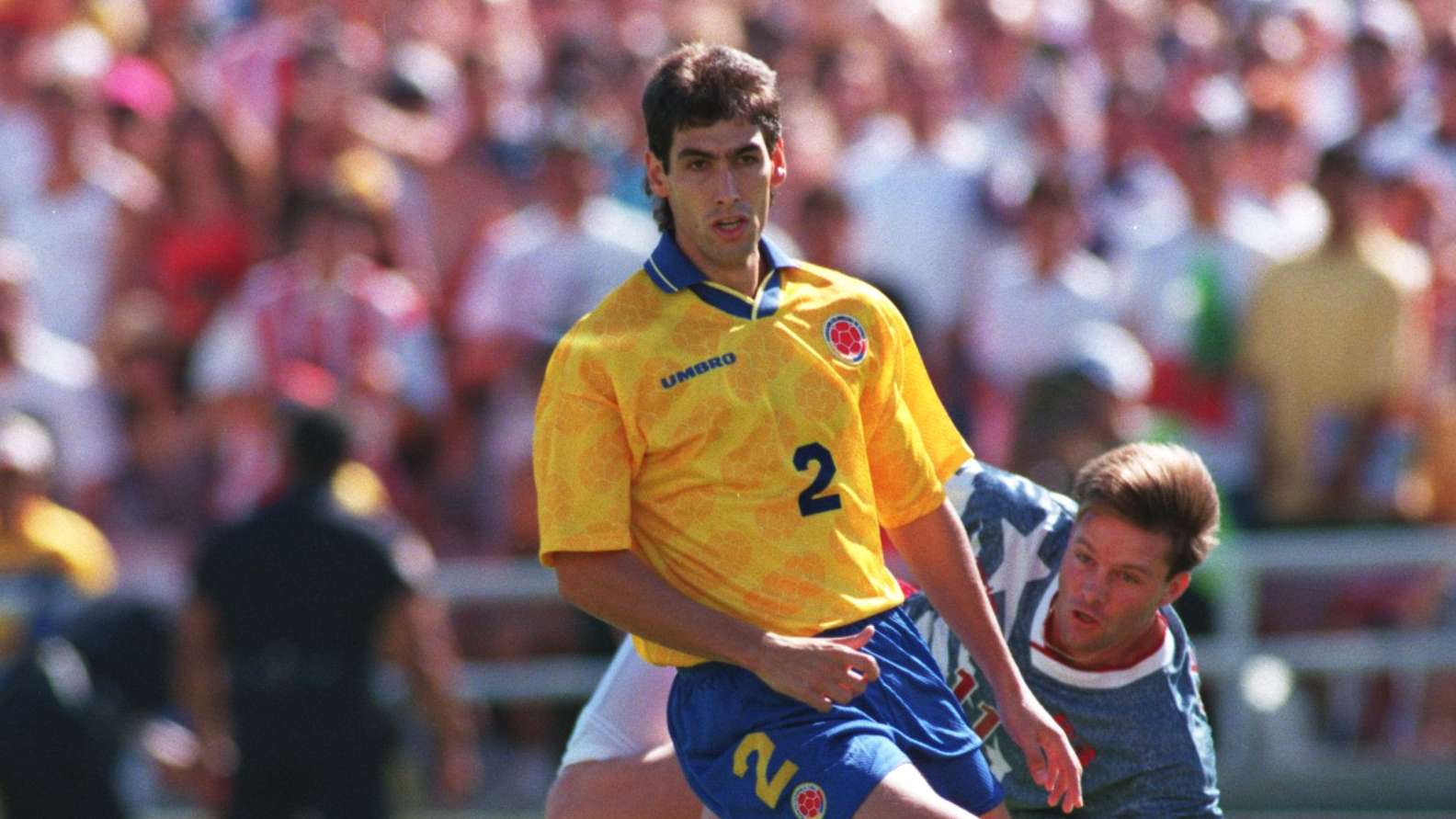
    The hosts won the game 2-1, with Andres Escobar scoring a devastating own goal to hand the Americans the victory. Colombia did win their third game, but results elsewhere prevented their qualification.

    "We must be gallant in victory, but much more so in defeat... But please, let the respect remain," Escobar said in an interview after the loss. "A big hug for everyone and to tell them that it was a phenomenal, rare opportunity and experience that I had never felt in my life. See you soon, because life doesn't end here."

    What happened next was tragic. Escobar was warned that he shouldn't return home due to anger of the Medellin Cartel, run by Pablo Escobar. He ignored that advice, and five days after returning, he was murdered outside a nightclub in Medellin in what became one of the more infamous incidents in football history.

  • John HarkesGetty Images Sport

    The hosts

    It is perhaps the duty of every home nation to perform at the World Cup. And in 1994, the U.S. did their part.

    They were coming off the back of a rough tournament in 1990, where they qualified for the fourth time in the nation's history, but were thoroughly outclassed in the group stage - fielding a mixture of indoor and college players en route to three straight losses. But in front of home fans four years later, with a far better squad, they were much improved.

    They opened the tournament with a hard fought 1-1 draw against Switzerland, Eric Wynalda scoring the equalising goal. They followed that up with the 2-1 win over Colombia, before losing 1-0 to group-winners Romania to advance as one of the best third-place finishers in an awkward 24-team format.

    "We knew we were going to be underdogs, whomever we were picked to play," Lalas said, and they were fiercely outmatched in the knockouts. The U.S.'s results against Switzerland and Colombia couldn't be undervalued, but a last-16 date with Brazil was always going to be tough.

    That game has since gone down in U.S. soccer lore as a glorious failure, of sorts. It helped, of course, that it was played out on Independence Day, but the reality was the Selecao more or less cruised to a composed victory.

    It wasn't without drama, though. Brazil's Leonardo was sent off for elbowing Ramos in the head, giving the U.S., in theory, a chance to take the game to the Selecao. But the South Americans were simply fitter and smarter, and happy to be pragmatic to ease to a 1-0 win.

    Lalas later admitted it wasn't much of a contest: "Even with 10, they were just better than us. They had the experience of playing professionally, playing at a high level. They were smart and athletic, and still very skilled."

    But that American team still does carry a fine legacy. They weren't the most technically skilled, and they lacked experience playing at a high level, but they possessed a real toughness about them, and are, in some ways, the model of grit and aggression that served as a blueprint for some of the great U.S. sides that followed them.

    Successful hosts? Not necessarily. But they were wonderfully rugged.

  • FBL-US-WC 1994-ARGENTINA-ROMANIAAFP

    Knockout classics

    The other knockout games were far more entertaining, as both the round of 16 and quarter-finals yielded classics.

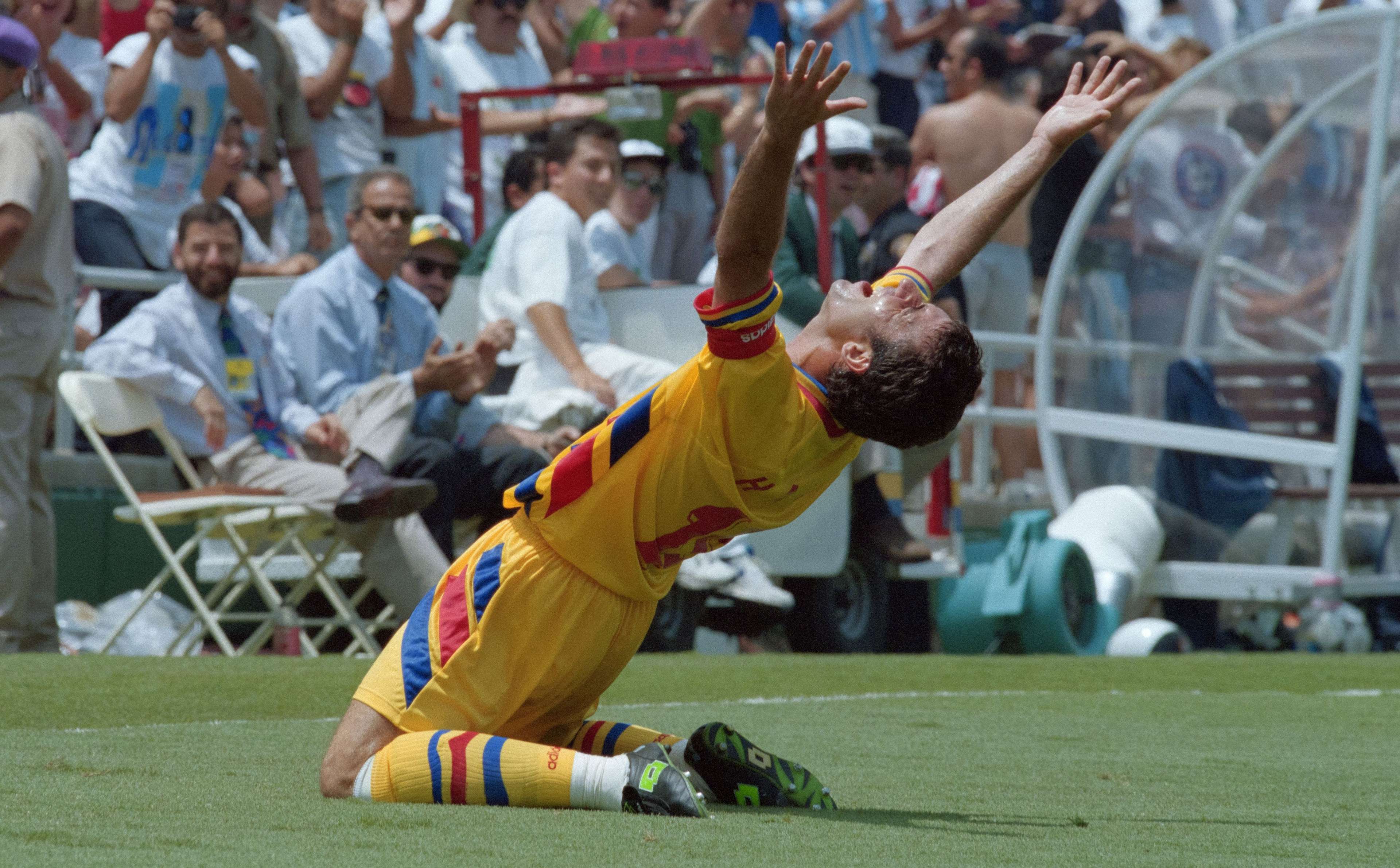
    It started with Argentina-Romania in the last 16. In any normal circumstance, Argentina would have been favourites by some distance. Yet this was an Albiceleste figuring out how to play without Maradona on the fly. They had lost their final group game, and headed into the knockouts in a real rut. Romania, meanwhile, were excellent. They had never won a World Cup knockout game, but after topping Group A thanks in large part to the excellent performances of Gheorghe Hagi, were at least in with a shout.

    They took the lead in the first half, and Argentina responded five minutes later. But then the Romanians turned it on and added two more, with Hagi bagging the decisive third just before the hour mark. And even though Argentina threatened late on, Romania held on for an iconic 3-2 win.

    "This is the greatest event celebrated by our people since the revolution. It’s also the greatest moment in our soccer history," head coach Anghel Iordanescu said.

    There were other memorable games, too. Eventual finalists Italy nearly went out - they were losing 1-0 to Nigeria after 87 minutes - before Roberto Baggio, the star of the tournament, scored a late leveller. He bagged a second in extra-time to avoid what would have been a monumental upset. Brazil needed an 81st-minute winner in the quarters to beat the Netherlands after throwing away a 2-0 lead while Bulgaria's 'golden generation', led by Hristo Stoichkov, beat Germany in the last eight.

    Everything, then, seemed poised for a memorable final.

  • SOCCER-WORLD CUP-1994-BRAZIL-JOYAFP

    Anti-climatic conclusion

    So much for that. Brazil may have built their reputation on samba style, but their 1994 side was far more content to be smart in their play. Their squad was full of technically-gifted players, but had no issues digging in and getting results. The final against Italy became a midfield drudge of a game, but Brazil were fine with that.

    "We had mature players, experienced players, and they were under a lot of pressure," coach Parreira later said. "It had been three years of great pressure. Together we learned how to win both on and off the field. It was important to know how to manage the press, to deal with the supporters’ expectations and be able to distance yourself."

    Italy, in classic style, were built on their defence, despite insistence from manager Arrigo Sacchi that they try to be more expressive going forward. Both sides were excellent in central midfield, and it showed in 100-degree heat at the Rose Bowl as neither team wanted to give too much away, while Italy's excellent defensive pairing of Paolo Maldini and Franco Baresi kept things tidy at the back.

    The initial 90 minutes weren't enough to determine a winner, and things did open up a little in extra-time. Brazil started to have their moments, with Romario causing problems, and the Selecao should have won it in the dying moments after Cafu cut the ball back to Romario, who dragged his shot wide from six yards out despite having the whole goal to aim at.

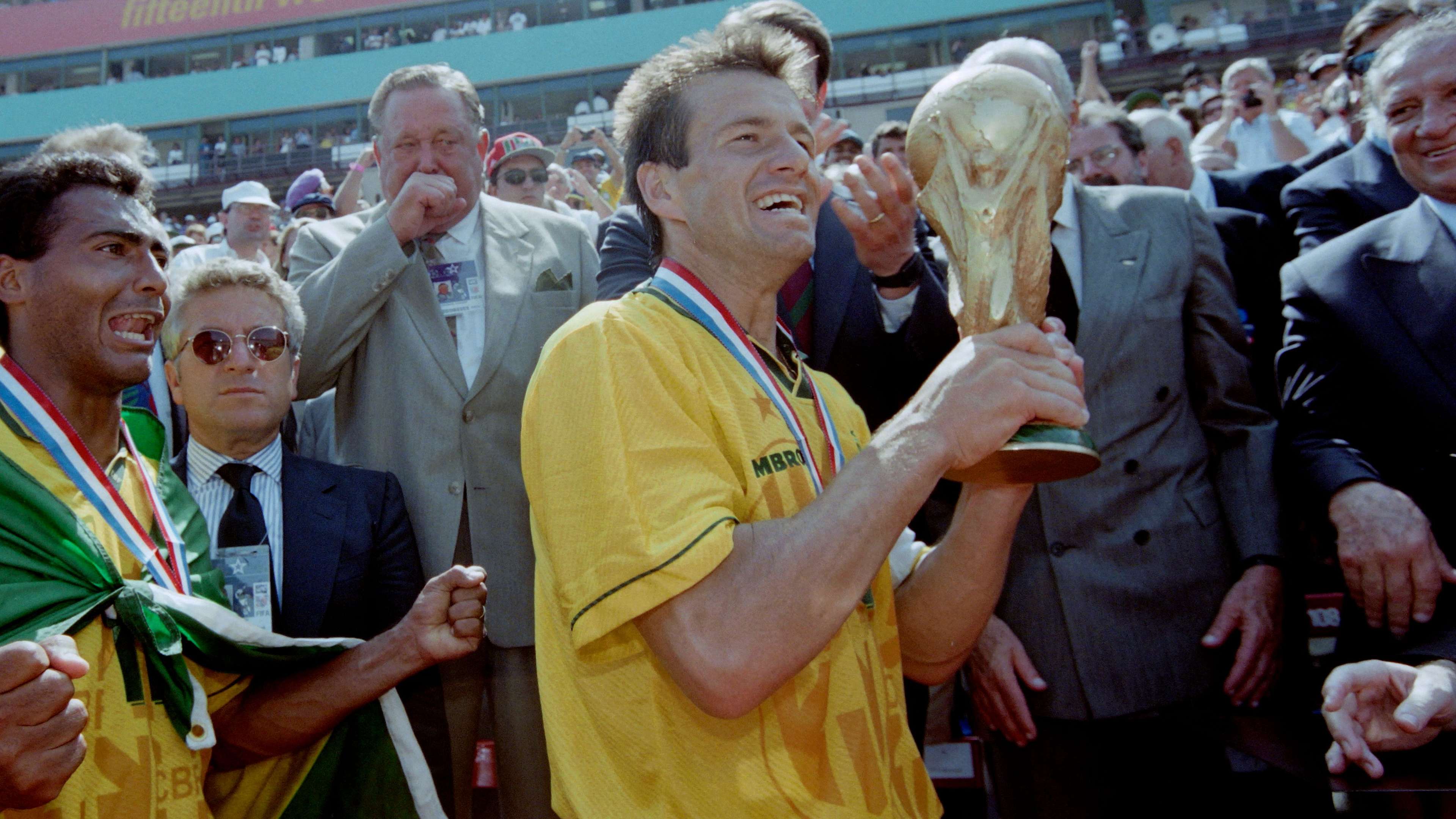
    Eventually, it came down to penalties. Italy missed their first, which set the tone for what came next, as the weight of the world fell on the shoulders of the talismanic Baggio. The Player of the Tournament had to make up for two Azzurri misses to keep his side in it, but instead he skied the ball, handing Brazil their fourth World Cup - and ending a largely forgettable final.

    "I missed," Baggio said after, "but I would take it again."

  • 1996 MLS New England RevolutionHulton Archive

    Birth of MLS

    Critics balked at the U.S. winning the bid to host 1994 World Cup, in part, because there was no professional league in the country. And they had a point. How could a nation without a recognised soccer set-up host a World Cup? The NASL had disintegrated, and there wasn't much movement in the country when it came to building a successor.

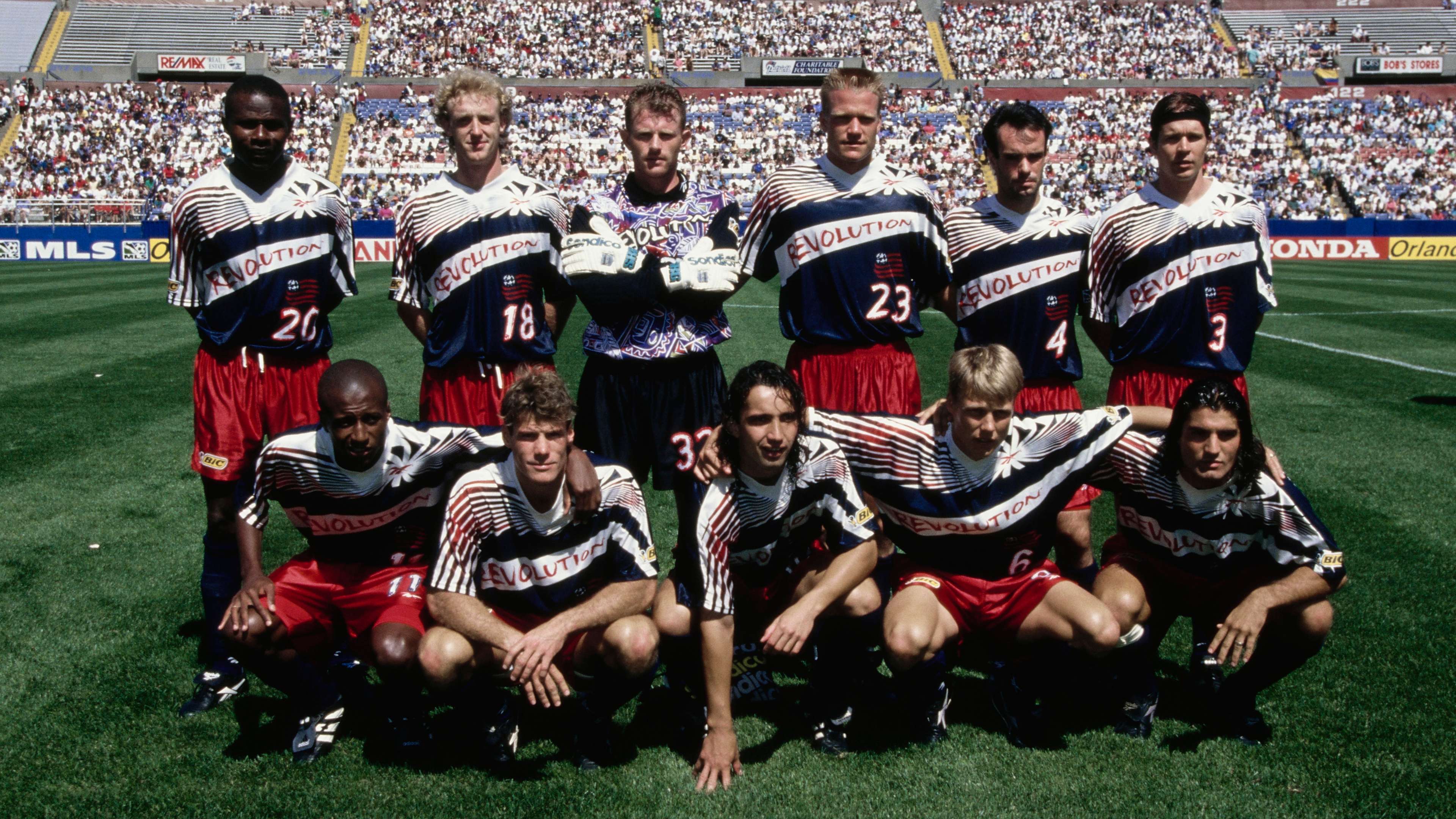
    FIFA capitalised on that, stipulating that the World Cup bid come with a guarantee that the U.S. would launch a domestic men's league. In 1993, plans went into place, as U.S. Soccer approved 'Major League Professional Soccer' as a division one league (it was later shortened to Major League Soccer).

    The league did well in its early months by encouraging plenty of the U.S.'s World Cup stars to stay at home. Ramos was the first player signed, and he was 'assigned' to the MetroStars. He was followed by team-mates Lalas, Tony Meola and Wynalda, as well as international icons Jorge Campos and Carlos Valderrama.

    MLS delayed its launch from 1995 to 1996 due to various issues, including insufficient investor capital and operational challenges related to team locations and stadium deals. Eventually, the first match was played on April 6, 1996.

    "We knew about Major League Soccer starting before the World Cup started. That was the plan. We would use the '94 World Cup to sort of be the launching pad," Meola told GOAL. "We always joke about the fact that we had two jobs, right? We had to play. You had to get ready for the game and get ready for trying to make a World Cup team. But then you had to promote the sport. Because the sport clearly wasn't at the level that it is now."

    Whether MLS was an immediate success is up for debate. Attendance was strong in the first season, while all 10 teams were competitive. The arrival of two expansion franchises within the first five years also helped. But there were some struggles as the league found its feet, with teams folding and top talent looking elsewhere. A decade in, however, when David Beckham signed for the LA Galaxy, the now-30-team league took off - and has never truly looked back.

  • FBL-US-WC 1994-BRAZIL-USAAFP

    The legacy

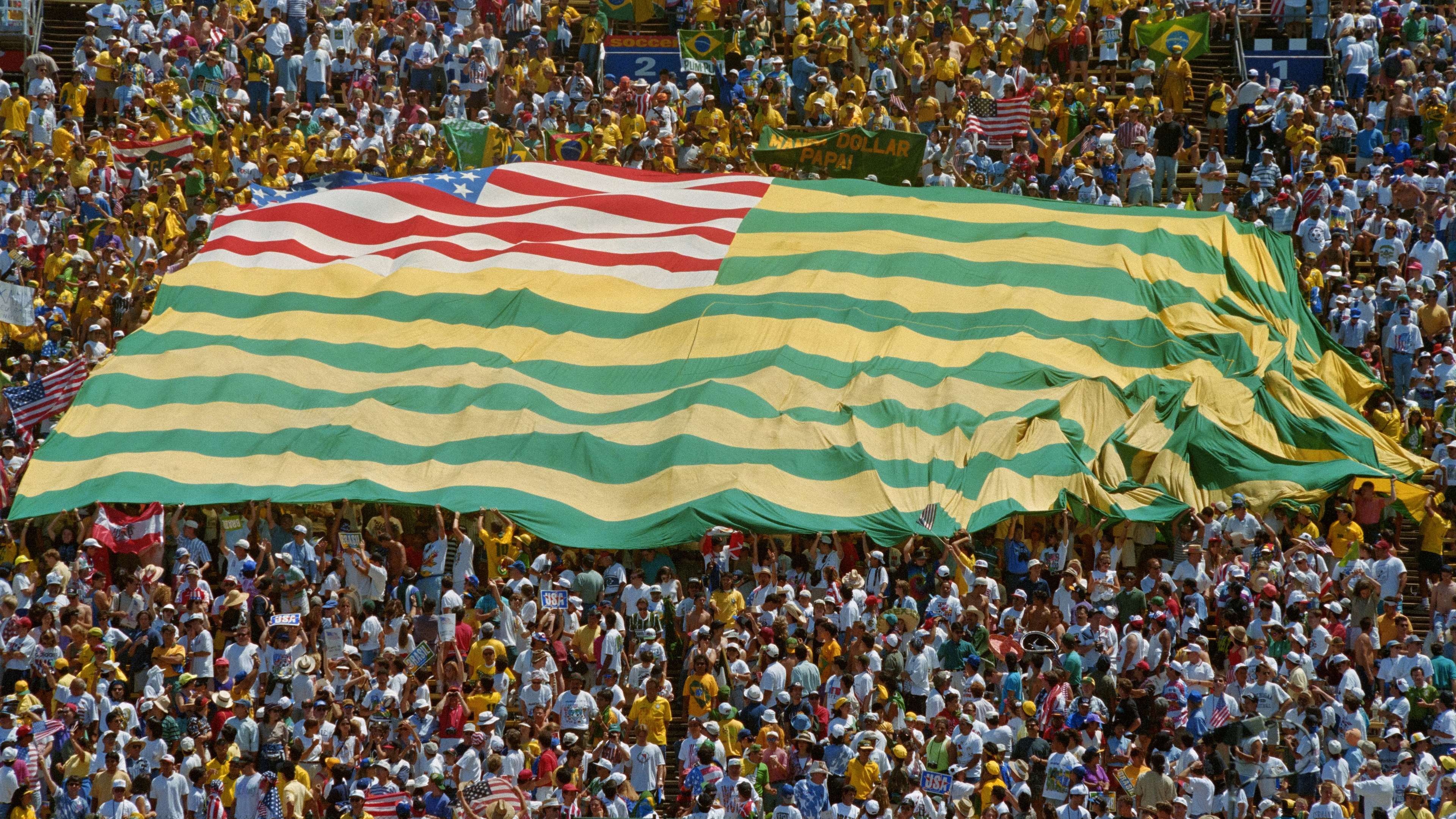
    And so soccer in the U.S. was legitimised. The numbers from the '94 World Cup, to this day, remain remarkable. The overall attendance of 3,587,538 has never been eclipsed, despite the fact that the tournament expanded from 24 to 32 teams four years later. The average attendance of nearly 69,000 also stands as a record.

    Commercial success was also immense, thanks to lucrative sponsorship deals. But perhaps more broadly, it is remembered as the summer in which much of the U.S. fell in love with soccer, even if few expected that to be the case.

    There are those, of course, who will claim that there was already a soccer culture in America before the World Cup arrived. But in 1994, the game forced its way into the U.S. mainstream for the first time, and is poised to rocket to another level when the 2026 tournament kicks-off next June.

    "If the 1994 World Cup, which is still the most successful World Cup yet, is anything to go by, this will change the dynamic," ESPN FC analyst and former U.S. star Herculez Gomez told GOAL. "That resulted in the birth of a domestic league and basically everything we have now is because of the '94 World Cup. This can take it even further. It could be the rocket fuel."

    The 1994 World Cup slogan was, "Making Soccer History." And, 32 years on, it is safe to say that the United States more than delivered on that promise.

0