

Tackling The Problem
From women receiving unwanted comments at the match, to harassment travelling to or from games - we need to talk about sexism and abuse in football, and what needs to change
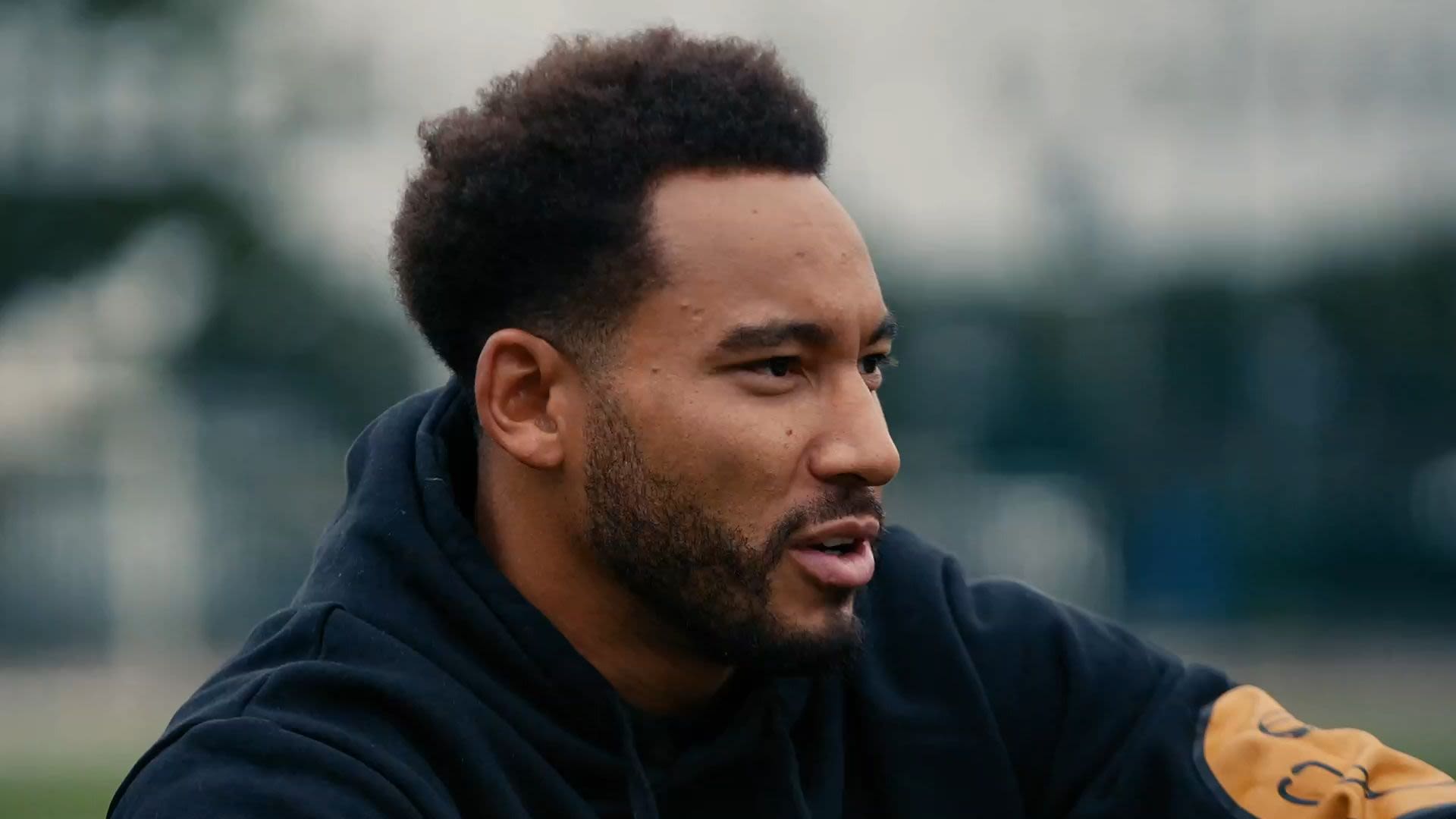
The reason football is so popular is brilliantly simple.
Whether it’s 11-a-side in an elite league, five v five in a cage, or even 30 v 25 outside the place you live - whatever the format, the game at its best provides wholesome entertainment and brings people together.
All you need is a ball, some players, and the spectacle creates itself. Something so loved should be a safe space for all.
But that isn’t always true.
Football is loved by people from all parts of society, and so problems found outside of the game are often visible in or around the game itself.
Unfortunately one of those problems is to do with the way that some men act towards women.
I want you to stop for a moment and think about when you may have witnessed unacceptable behaviour in and around football.
Have you heard sexist comments made to women when they’ve been playing football?
Witnessed aggressive actions or unwanted touching when watching football at a stadium, in the pub, or on the sidelines on a Sunday morning? What about shouting at women who are just going to the game?
Have you heard stories of your friends or someone you know acting aggressively towards their female partners after their side has lost?
Recognise any of these examples?
It’s incredible how common those experiences might be, really, and talking to a lot of people recently has made me realise we all can do more about this issue.
World Cups and big international tournaments are always seen as festivals of football. Occasions that give the opportunity for everyone to come together as one, even providing times for people to forget some of the more serious things faced in daily life.
Friends and family gathered around televisions in the back garden and strangers coming together in pubs and grounds. These should be the good times that we all share together, win together, lose together.
And yet, data shows that there is a 38% increase in domestic violence when England lose a football match.
Some men are taking out physical frustrations from football on their partners or family members.
There is no excuse for abuse, change needs to happen, and change happens first and foremost by challenging these situations when we see them and making clear it is not acceptable.
The type of behaviour we’re talking about here doesn’t have to be violent, either. Abuse can be following someone home, harassing them online, manipulating or controlling a partner or touching someone without consent.
You might feel that what I’m trying to say is accusatory or stereotyping of all men. But that’s the opposite of what I’m trying to say. What I’m trying to say is that there are some men who feel they can be abusive towards women. But we can all put a stop to it. If we all step up and step in when we see it.
What does that have to do with you? And me? And our friends?
Well, it means addressing these issues when we see them happen. There are obvious and understandable barriers in terms of calling out your friends. It can be awkward. It can be hard. But, it’s these small actions that can really change long-term behaviours. And when the message comes from someone you know, it can make all the difference.
Having spoken to people recently about their own experiences, several stood out.
The first was regarding a woman travelling to football matches on public transport wearing football kits. She talked about how she kept getting inappropriate and creepy comments about having her legs out. She said she now avoids travelling in her kit so she won’t get those comments from men any more. And this type of experience correlates with the data, too.
One in two women aged 16-34 have experienced at least one form of harassment in the last year.
That’s eight out of every ten women that you know. It means your family, your friends, your partners, your colleagues. It means that women you know have been victims, and it’s likely that men that you know have behaved inappropriately.
It also means that you can do something about it.
I also spoke to some football fans about what they’d seen at or around football matches. They’d all seen sexist football chants and comments or inappropriate behaviour towards women on the way to games. Some men think it’s acceptable, when we all know it isn’t.
You know what it’s like in these environments. Everyone hyped up to watch the game, to be with their mates, the atmosphere in the place is buzzing. You may want to let it slide because they’re your mate.
But it’s important to let them know. Tell them to listen to you and forget the noise for a moment. Be the positive influence not just on the person doing it, or the person on the receiving end, but for the whole culture that surrounds it.
If you see a mate of yours being abusive or doing something that is making someone else feel uncomfortable, tell them. Pull them to one side. Have a word. It doesn’t have to be in the moment, maybe catch them at the bar or after the game. Tell them that what they’re doing is wrong.
It doesn’t have to be confrontational, just make them know that you don’t find what they’re doing funny, or impressive, or cool. It might be a difficult thing to do, but it’s the right thing to do. It could mean that no more women will have to be affected by their actions.
If it’s not someone you know, or you feel uncomfortable or unsafe challenging directly, you can still do something. You can tell the stewards at the game or staff in the pub. You can do something to diffuse the situation, ask for directions or interrupt and start a new conversation. You could show that you’ve noticed and check if she’s ok, ask if she wants help or to report it.
There’s not just one way to intervene. There are lots of things you can do to help stop abuse.
When this type of behaviour goes unchallenged, if you go along with it or accept it as banter instead of telling your mate that what he’s doing isn’t right, then you are effectively supporting his behaviour and telling him it’s normal.
And when behaviour becomes normalised in this type of situation it can lead to a dangerous type of culture. One that we’ve got to work together to change.
As football fans, and as men, some simple changes to our behaviour and how we act if we think something’s wrong can make a world of difference. We can make the game that we love even better, for everyone.
HOW TO HELP STOP ABUSE


SAY SOMETHING
You could say something to the abuser, like ‘I don’t think that’s funny’. Or you could be more direct and tell them to stop.

TELL SOMEONE
You could tell someone in charge, like the bar staff if you’re in a pub, HR if you’re at work or the bus driver if you’re on public transport.

OFFER SUPPORT
You could give support to both the victim and to others who are already intervening.

PROVIDE A DIVERSION
You could create a distraction to interrupt what’s happening and give the person being targeted a chance to move away.
 Built with Shorthand