

Raheem Sterling


Round the world and back again. West London’s child is back where it all began.



Raheem Shaquille Sterling has been on a classic hero’s journey. Tumultuous events came thick and fast at the very start of the young Raheem’s life, not least leaving his native Jamaica for Northwest London at the age of five. The sort of events that can make or break a person before life has even begun.
If there’s one thing we know about Raheem Sterling, though, it’s that you might knock him down, but you’ll never break him. Raheem grew up beneath the looming arch of the national stadium. He watched it rise from the ground up. He could see it from home as he helped his mum with the housework, he could see it from school, squinting at it through a translucent plastic protractor, doodling that big arch with a pencil and compass (those last little details might not be true but that’s how we picture it). An ever-present mountain begging to be climbed.


Everyday after school, he’d knock on the doors of his friends’ houses, ball under his arm, asking them to come and play with him. If they didn’t join him, he’d head to a wall near his house, and play with the wall, practicing his first touch, his balletic turns, strengthening his weaker foot. Playing and playing and playing and practicing until his mum called him in for dinner.

We should talk about Raheem’s mum, actually. Nadine Clark is her name. She was an athlete in her own right, competing for Jamaica’s national athletics team. It’s to his mum that Raheem attributes his unique running style. And it is unique. You could watch a match with all the players in silhouette, silly nose and glasses to disguise their identity, and you’d instantly pick out Raheem Sterling for his signature gait. Backside protruding, lower back arched, one arm slightly raised, probing the air for the minute movements of the defender facing him, like a snake tasting the air with a flick of its forked tongue. Perfectly balanced and ready to change direction at a millisecond’s notice. It’s unorthodox, but then all the greats are unorthodox, aren’t they? You don’t teach them, they just do what comes naturally and the world watches, and the world tries to emulate them. The greats teach you.






Raheem Shaquille Sterling has been on a classic hero’s journey. Tumultuous events came thick and fast at the very start of the young Raheem’s life, not least leaving his native Jamaica for Northwest London at the age of five. The sort of events that can make or break a person before life has even begun.
If there’s one thing we know about Raheem Sterling, though, it’s that you might knock him down, but you’ll never break him. Raheem grew up beneath the looming arch of the national stadium. He watched it rise from the ground up. He could see it from home as he helped his mum with the housework, he could see it from school, squinting at it through a translucent plastic protractor, doodling that big arch with a pencil and compass (those last little details might not be true but that’s how we picture it). An ever-present mountain begging to be climbed.
Everyday after school, he’d knock on the doors of his friends’ houses, ball under his arm, asking them to come and play with him. If they didn’t join him, he’d head to a wall near his house, and play with the wall, practicing his first touch, his balletic turns, strengthening his weaker foot. Playing and playing and playing and practicing until his mum called him in for dinner.
We should talk about Raheem’s mum, actually. Nadine Clark is her name. She was an athlete in her own right, competing for Jamaica’s national athletics team. It’s to his mum that Raheem attributes his unique running style. And it is unique. You could watch a match with all the players in silhouette, silly nose and glasses to disguise their identity, and you’d instantly pick out Raheem Sterling for his signature gait. Backside protruding, lower back arched, one arm slightly raised, probing the air for the minute movements of the defender facing him, like a snake tasting the air with a flick of its forked tongue. Perfectly balanced and ready to change direction at a millisecond’s notice. It’s unorthodox, but then all the greats are unorthodox, aren’t they? You don’t teach them, they just do what comes naturally and the world watches, and the world tries to emulate them. The greats teach you.



A true British hero, all the way from Kingston, Jamaica.



Raheem joined a West London team aged ten and excelled to the point that he acquired the nickname Raheem Park Rangers, winning games all by himself. Naturally, the the academies of London’s big boys kept a close watch on his development, but Mrs. Clark had a different plan for her little boy. She deterred him from signing for London teams, as she feared the gang culture she perceived as prevalent in the area at the time, and so when a team further afield came knocking in 2010, fifteen-year-old Raheem Sterling set off for Merseyside to begin what would be a pivotal chapter in his young life.
It was the springboard. In Liverpool, Raheem entered into the public consciousness, breaking into the first team aged just 17. Still a child, not old enough to vote. It was in Liverpool that we all became accustomed to his freakish pace. It is frankly weird how fast he is. For the majority of his career in Liverpool, he was a red blur on our TV screens, as the cameras strained to keep up with him, and ankle after Premier League defender’s ankle was turned into a fine powder by his breakneck changes of direction. Full-backs were terrified of him, centre-backs were back-peddling for their lives, and Raheem Sterling was turning heads.It wasn’t just fans’ heads he was putting on a swivel. By the summer of 2015, the decision makers in the North West had seen enough and coughed up the money to bring Raheem in as part of their ambitious project to bring heaps of trophies to the blue half of Manchester. You know what happened then - four Premier Leagues, five League Cups, an FA Cup, a domestic treble, and 131 for our hero. Pep Guardiola once described Raheem’s understanding of football as, and we quote, ‘global’. That’s about as high as praise gets.

Raheem’s defining moments, however, have come in an England shirt. We don’t need to tell you that Raheem Sterling has endured more than any person ever should from the tabloid press, keyboard warriors, and plenty of people who should, quite frankly, know better. Nobody would have begrudged Raheem if he’d turned his back on international football. Regularly being a standout player on the international stages, some would shy away from the spotlight. That’s not what heroes do, though. And that’s not what Raheem did.



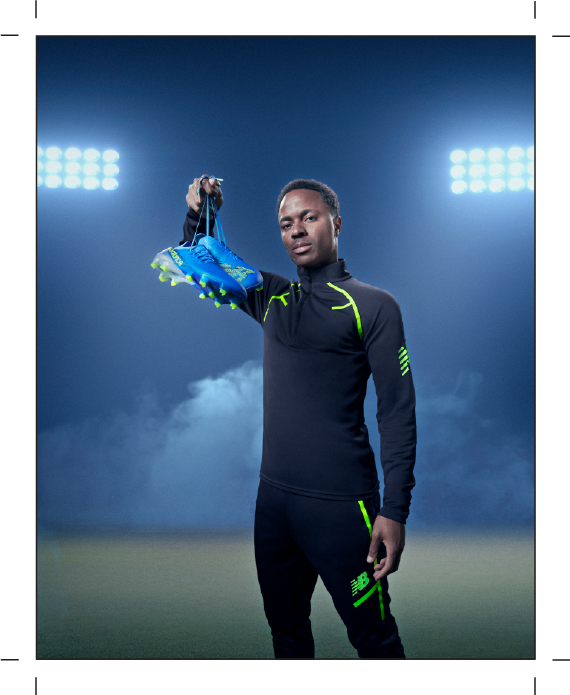
Raheem joined a West London team aged ten and excelled to the point that he acquired the nickname Raheem Park Rangers, winning games all by himself. Naturally, the the academies of London’s big boys kept a close watch on his development, but Mrs. Clark had a different plan for her little boy. She deterred him from signing for London teams, as she feared the gang culture she perceived as prevalent in the area at the time, and so when a team further afield came knocking in 2010, fifteen-year-old Raheem Sterling set off for Merseyside to begin what would be a pivotal chapter in his young life.
It was the springboard. In Liverpool, Raheem entered into the public consciousness, breaking into the first team aged just 17. Still a child, not old enough to vote. It was in Liverpool that we all became accustomed to his freakish pace. It is frankly weird how fast he is. For the majority of his career in Liverpool, he was a red blur on our TV screens, as the cameras strained to keep up with him, and ankle after Premier League defender’s ankle was turned into a fine powder by his breakneck changes of direction. Full-backs were terrified of him, centre-backs were back-peddling for their lives, and Raheem Sterling was turning heads.It wasn’t just fans’ heads he was putting on a swivel. By the summer of 2015, the decision makers in the North West had seen enough and coughed up the money to bring Raheem in as part of their ambitious project to bring heaps of trophies to the blue half of Manchester. You know what happened then - four Premier Leagues, five League Cups, an FA Cup, a domestic treble, and 131 for our hero. Pep Guardiola once described Raheem’s understanding of football as, and we quote, ‘global’. That’s about as high as praise gets.

Raheem’s defining moments, however, have come in an England shirt. We don’t need to tell you that Raheem Sterling has endured more than any person ever should from the tabloid press, keyboard warriors, and plenty of people who should, quite frankly, know better. Nobody would have begrudged Raheem if he’d turned his back on international football. Regularly being a standout player on the international stages, some would shy away from the spotlight. That’s not what heroes do, though. And that’s not what Raheem did.




Instead, Raheem Shaquille Sterling headed to the Euros last year, a senior member of the squad aged just 26, and shouldered the responsibility, and footballing hopes and expectations of an entire nation. Three goals, an assist, a man of the match performance vs Croatia, and a centre of gravity somewhere near the Earth’s core, he played an integral part in England’s journey to the Final in Wembley. Back where it all started. No longer outside, looking in, but right in the belly of the beast. Right at the top of the mountain, looking over the streets on which he was raised, his old school, his mum’s old house, the doors he knocked on everyday.
In November last year, the Raheem Sterling Foundation was launched, based at his old school in Wembley. It aims to educate, empower and inspire young people to become better prepared for the future and to embrace opportunities to achieve greater social mobility. That’s what heroes do, you see. They’re called to action, by circumstance or by necessity or by an abundance of talent, they leave, they battle, they return, and they give back to the place they left behind.
Raheem’s back in West London now, just beginning his journey again. He’s still only 27 years old. A limitless 27-year-old. A true British hero, all the way from Kingston, Jamaica.



Instead, Raheem Shaquille Sterling headed to the Euros last year, a senior member of the squad aged just 26, and shouldered the responsibility, and footballing hopes and expectations of an entire nation. Three goals, an assist, a man of the match performance vs Croatia, and a centre of gravity somewhere near the Earth’s core, he played an integral part in England’s journey to the Final in Wembley. Back where it all started. No longer outside, looking in, but right in the belly of the beast. Right at the top of the mountain, looking over the streets on which he was raised, his old school, his mum’s old house, the doors he knocked on everyday.
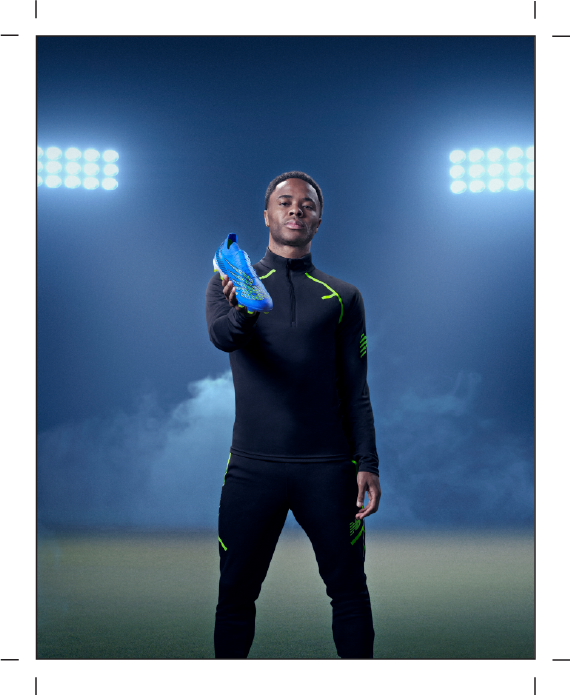
In November last year, the Raheem Sterling Foundation was launched, based at his old school in Wembley. It aims to educate, empower and inspire young people to become better prepared for the future and to embrace opportunities to achieve greater social mobility. That’s what heroes do, you see. They’re called to action, by circumstance or by necessity or by an abundance of talent, they leave, they battle, they return, and they give back to the place they left behind.
Raheem’s back in West London now, just beginning his journey again. He’s still only 27 years old. A limitless 27-year-old. A true British hero, all the way from Kingston, Jamaica.



Bukayo Saka


The teenage winger from Ealing grabbed his opportunity, pinned it down, and didn’t let it go until everyone who was anyone in English football knew the name Bukayo Saka.



Reddit can be a strange place. But type Bukayo Saka’s name into the search bar of a north London football thread and find a negative comment about England’s star boy if you can. We challenge you. If you succeed, you might want to consider putting the lottery on or moving to the New World and prospecting for gold.
Saka is the absolute darling of North London. Half of it, anyway. The academy prospect propelled to the senior squad, the first team, the starting lineup by sheer force of brilliance. A regular international in an unusually stacked squad, and a level of maturity beyond what any 21-year-old should ever possess. Yes, twenty-one. Do not adjust your glasses. Twenty-one. Just.

Bukayo was born in Ealing on 5th September 2001 to Nigerian parents. They chose a fitting name for their second son—Bukayo means ‘adds to happiness’ in Yoruba, the language native to the area of Southern Nigeria that Bukayo’s mum called home. Nominative determinism at its best. Like the runner named Aaron Farr (true story - google it).
As a child, he played for Greenford Celtic FC in Ealing, and had a brief spell in a Watford youth team before joining North London’s most prodigious academy… at the age of seven. By fifteen he was noticeably head and shoulders above his peers, at sixteen he nutmegged his GCSEs and left them wondering what happened, by seventeen Freddie Ljungberg—the club’s Under-23s coach—fought to have him fast-tracked from the U18s to the U23s. Freddie cited teenage Bukayo’s decision-making, his strength, his ability to pick out a teammate and to cross at the right time as being at a level well beyond his years. Generally speaking, if Freddie Ljungberg thinks you’re an exceptionally talented winger, you are indeed an exceptionally talented winger.
Saka loved watching Thierry Henry. To be fair, most of the football-supporting world loved watching Thierry Henry. But his biggest influence as in North London was El Niño Maravilla Alexis Sánchez. You can see it, can’t you? The close control, the precise dribbling, the perfect balance, the snapshots, the goals and the assists and the assists and the assists.

Bukayo broke into the first team in 2018, making his mark as a makeshift left-back. He’s not a left-back. He’s a natural right-winger, but when faced with a full-back injury crisis, Mikel Arteta put his faith in the teenage winger from Ealing, and the teenage winger from Ealing grabbed his opportunity, pinned it down, and didn’t let it go until everyone who was anyone in English football knew the name Bukayo Saka. The first footballer born in the 21st Century to play in the Premier League was going to be more than just the answer to a quiz question.
Other, more experienced players, jostled for that left back slot but could not get back into the first team. Bukayo was flying and he wasn’t about to be grounded. When they did eventually return to the starting lineup, Bukayo was moved forward to left-wing, and eventually right-wing, where we see him today, going inside, going outside, going straight through defenders, both feet, crossing, shooting. Mr. Ljungberg was onto something.



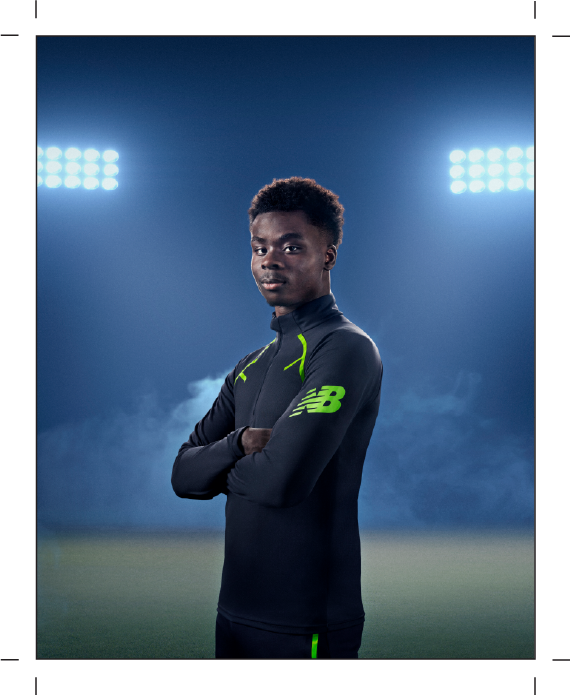
Reddit can be a strange place. But type Bukayo Saka’s name into the search bar of a north London football thread and find a negative comment about England’s star boy if you can. We challenge you. If you succeed, you might want to consider putting the lottery on or moving to the New World and prospecting for gold.
Saka is the absolute darling of North London. Half of it, anyway. The academy prospect propelled to the senior squad, the first team, the starting lineup by sheer force of brilliance. A regular international in an unusually stacked squad, and a level of maturity beyond what any 21-year-old should ever possess. Yes, twenty-one. Do not adjust your glasses. Twenty-one. Just.
Bukayo was born in Ealing on 5th September 2001 to Nigerian parents. They chose a fitting name for their second son—Bukayo means ‘adds to happiness’ in Yoruba, the language native to the area of Southern Nigeria that Bukayo’s mum called home. Nominative determinism at its best. Like the runner named Aaron Farr (true story - google it).
As a child, he played for Greenford Celtic FC in Ealing, and had a brief spell in a Watford youth team before joining North London’s most prodigious academy… at the age of seven. By fifteen he was noticeably head and shoulders above his peers, at sixteen he nutmegged his GCSEs and left them wondering what happened, by seventeen Freddie Ljungberg—the club’s Under-23s coach—fought to have him fast-tracked from the U18s to the U23s. Freddie cited teenage Bukayo’s decision-making, his strength, his ability to pick out a teammate and to cross at the right time as being at a level well beyond his years. Generally speaking, if Freddie Ljungberg thinks you’re an exceptionally talented winger, you are indeed an exceptionally talented winger.

Saka loved watching Thierry Henry. To be fair, most of the football-supporting world loved watching Thierry Henry. But his biggest influence as in North London was El Niño Maravilla Alexis Sánchez. You can see it, can’t you? The close control, the precise dribbling, the perfect balance, the snapshots, the goals and the assists and the assists and the assists.

Bukayo broke into the first team in 2018, making his mark as a makeshift left-back. He’s not a left-back. He’s a natural right-winger, but when faced with a full-back injury crisis, Mikel Arteta put his faith in the teenage winger from Ealing, and the teenage winger from Ealing grabbed his opportunity, pinned it down, and didn’t let it go until everyone who was anyone in English football knew the name Bukayo Saka. The first footballer born in the 21st Century to play in the Premier League was going to be more than just the answer to a quiz question.
Other, more experienced players, jostled for that left back slot but could not get back into the first team. Bukayo was flying and he wasn’t about to be grounded. When they did eventually return to the starting lineup, Bukayo was moved forward to left-wing, and eventually right-wing, where we see him today, going inside, going outside, going straight through defenders, both feet, crossing, shooting. Mr. Ljungberg was onto something.

“Watching Bukayo Saka star for England all by himself is the closest thing I’ve ever had to a proud mum moment.”



Saka was unignorable. He made his England debut on 9th October 2020 in a 3–0 win over Wales, when the entire country, and most of the world for that matter, was stuck indoors with nothing to do but watch the football. Suddenly the eyes of the world were turned toward the only-just-nineteen-year-old Bukayo, and once again Bukayo shone. He’s the perfect international player in a lot of ways. Apart from the genius and the tricks and the end-product and the stats, he is capable of playing in pretty much every position on the pitch. In tournament football, when versatility is king, that’s an invaluable trait to possess.
The delayed Euro 2020 tournament saw Bukayo elevated to national treasure status. The unicorn inflatable, the dazzling performances, the shared national suffering, that contagious smile. It’s the smile. That’s what it is. That’s why he’s so easy to love. Amid all the noise, finding himself in the eye of a storm of public fascination, Bukayo Saka has stayed humble. After he scored his first goal for his boyhood club he didn’t lose his head, he Facetimed his dad. “I couldn’t speak to him because the coaches wanted me to get in the ice bath to recover quickly after the game. We just put our thumbs up to each other.”


First goal for your team. Little thumbs up to your dad. Ice bath. Lovely. At the tender age of twenty-one, Saka has been his team’s Player of the Year two years running, and has just been named England Player of the Year 2022. He’s baby-faced, but he knows his importance to the teams he plays for, and he embraces that. When his team lost 2–0 at the sharp end of last season, all but dooming their chances of qualifying for the Champions League, Saka took personal responsibility. He criticised his own performance despite having been one of the driving forces that dragged his team to the brink of qualification in the first place. Saka’s shoulders are broad, and the neck above those shoulders is already adorned with winner’s medals for the FA Cup and the Community Shield. The list of trophies and personal accolades seems destined to grow long. Very, very long. Extremely long.

For now, just enjoy him. Enjoy watching defenders doubling-up on him, eyes enlarged with fear. Enjoy the goals and the stepovers and the first touches and the passes nobody thought were on. Enjoy him telling journalists he’d have been a basketballer if he wasn’t a footballer, despite being 5ft10in tall. Enjoy him taking on the World Cup - the perfect stage for the future King of North London to ascend the throne. Enjoy murmuring to yourself as you watch him exorcize the souls of international full-backs, just like that anonymous person on the Reddit threads, “I’m practically old enough to be his mum and... And I just love that kid, y’know?”


Saka was unignorable. He made his England debut on 9th October 2020 in a 3–0 win over Wales, when the entire country, and most of the world for that matter, was stuck indoors with nothing to do but watch the football. Suddenly the eyes of the world were turned toward the only-just-nineteen-year-old Bukayo, and once again Bukayo shone. He’s the perfect international player in a lot of ways. Apart from the genius and the tricks and the end-product and the stats, he is capable of playing in pretty much every position on the pitch. In tournament football, when versatility is king, that’s an invaluable trait to possess.
The delayed Euro 2020 tournament saw Bukayo elevated to national treasure status. The unicorn inflatable, the dazzling performances, the shared national suffering, that contagious smile. It’s the smile. That’s what it is. That’s why he’s so easy to love. Amid all the noise, finding himself in the eye of a storm of public fascination, Bukayo Saka has stayed humble. After he scored his first goal for his boyhood club he didn’t lose his head, he Facetimed his dad. “I couldn’t speak to him because the coaches wanted me to get in the ice bath to recover quickly after the game. We just put our thumbs up to each other.”
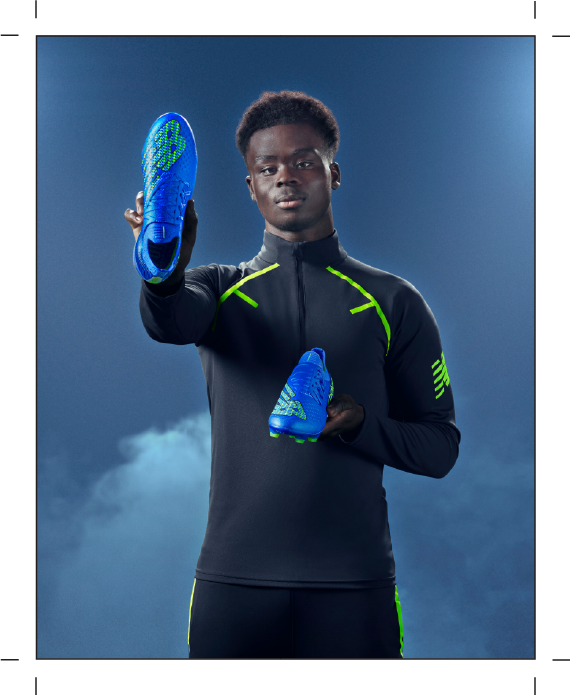

First goal for your team. Little thumbs up to your dad. Ice bath. Lovely. At the tender age of twenty-one, Saka has been his team’s Player of the Year two years running, and has just been named England Player of the Year 2022. He’s baby-faced, but he knows his importance to the teams he plays for, and he embraces that. When his team lost 2–0 at the sharp end of last season, all but dooming their chances of qualifying for the Champions League, Saka took personal responsibility. He criticised his own performance despite having been one of the driving forces that dragged his team to the brink of qualification in the first place. Saka’s shoulders are broad, and the neck above those shoulders is already adorned with winner’s medals for the FA Cup and the Community Shield. The list of trophies and personal accolades seems destined to grow long. Very, very long. Extremely long.
For now, just enjoy him. Enjoy watching defenders doubling-up on him, eyes enlarged with fear. Enjoy the goals and the stepovers and the first touches and the passes nobody thought were on. Enjoy him telling journalists he’d have been a basketballer if he wasn’t a footballer, despite being 5ft10in tall. Enjoy him taking on the World Cup - the perfect stage for the future King of North London to ascend the throne. Enjoy murmuring to yourself as you watch him exorcize the souls of international full-backs, just like that anonymous person on the Reddit threads, “I’m practically old enough to be his mum and... And I just love that kid, y’know?”

Sadio Mané
Barefoot football, move to Dakar, and conquering the world all by himself. The movie-script story of Senegal’s rebel king.
There’s the cloth that the majority of people are cut from, and then there’s a different cloth from which Sadio Mané is cut. He’s just… so fast. Super-effective, clinical, intelligent, technical, and it’s all at a million miles-per-hour. Speed can be a hindrance, unless you’re a genius. You see it all the time—in pub teams, at five-a-side, and in the very highest echelons of the game—players who are too quick for their own good. Players whose brains can’t keep up with their scurrying legs. That’s not the case with Mané, though. The only thing faster than Sadio Mane’s feet is his mind.

He came from poverty. Real poverty. Working in the fields, lack of education, struggling for food, playing football in his bare feet in a village of 2000 people in Southwest Senegal. If you’re thinking, “I’ve heard this story before — footballer’s parents give up everything they have to send them to a fancy academy after a passing scout spotted them scoring a hat trick in the local park.” Well, you’re mistaken. Sadio Mané’s parents thought he was foolish to pursue football and they wouldn’t support the idea. Mané’s father was the imam at his local mosque, and so that was that. End of the matter. Case closed. Not happening. And it shouldn’t have. But Mané wasn’t ready to let his dream go just yet. He and a friend masterminded his escape, and at fifteen years old, Sadio Mané ran away from home without telling another soul, and under the pretence of catching the school bus, escaped to Dakar with a vague plan of playing football on the streets, in the hope of being noticed by a team.
He got caught. Slap on the wrist from his mum and, a few months later, returned to Dakar—this time with her blessing—to try out at the Académie Génération Foot, Senegal’s football academy. He was no longer barefoot, but his boots were held together with tape and wire. He was incredible. He was faster than the other boys. Much faster. He was more skillful. He was just better, and pretty soon he would be wearing the best football boots money could buy.

Mané often speaks of how he tried to copy his hero, Ronaldinho, as a youngster. It’s interesting that he tried to emulate Ronaldinho because, in many ways, Mané and Ronaldinho are completely different footballers. Despite playing in similar positions, they’re almost the antithesis of each other. Ronaldinho was an artist, full of trickery and flamboyance. Sadio Mané is a killer. He’s an assassin. He’s an absolute nightmare to play against. He scores with both feet, with his head, from range, in the box, he can dribble, he can pass, he’s got eyes in the back of his head. Defenders know that if they make one tiny mistake, he’ll punish it, and he’ll punish it before they even realise they’ve made a mistake, and that is a horrible thought to have in your head when you’re trying to do your job. Manuel Neuer—arguably the greatest goalkeeper of the 21st Century Manuel Neuer—got too close to Mané in a Champions League Round of 16 match in 2019. That was a mistake. Mané shifted his weight in a way that’s genuinely difficult to perceive with the naked eye, left Neuer trying to figure out where the ball had gone, and chipped it into the open goal over a mystified Rafinha and Niklas Süle. Punishment. It all happened in about a second-and-a-half.
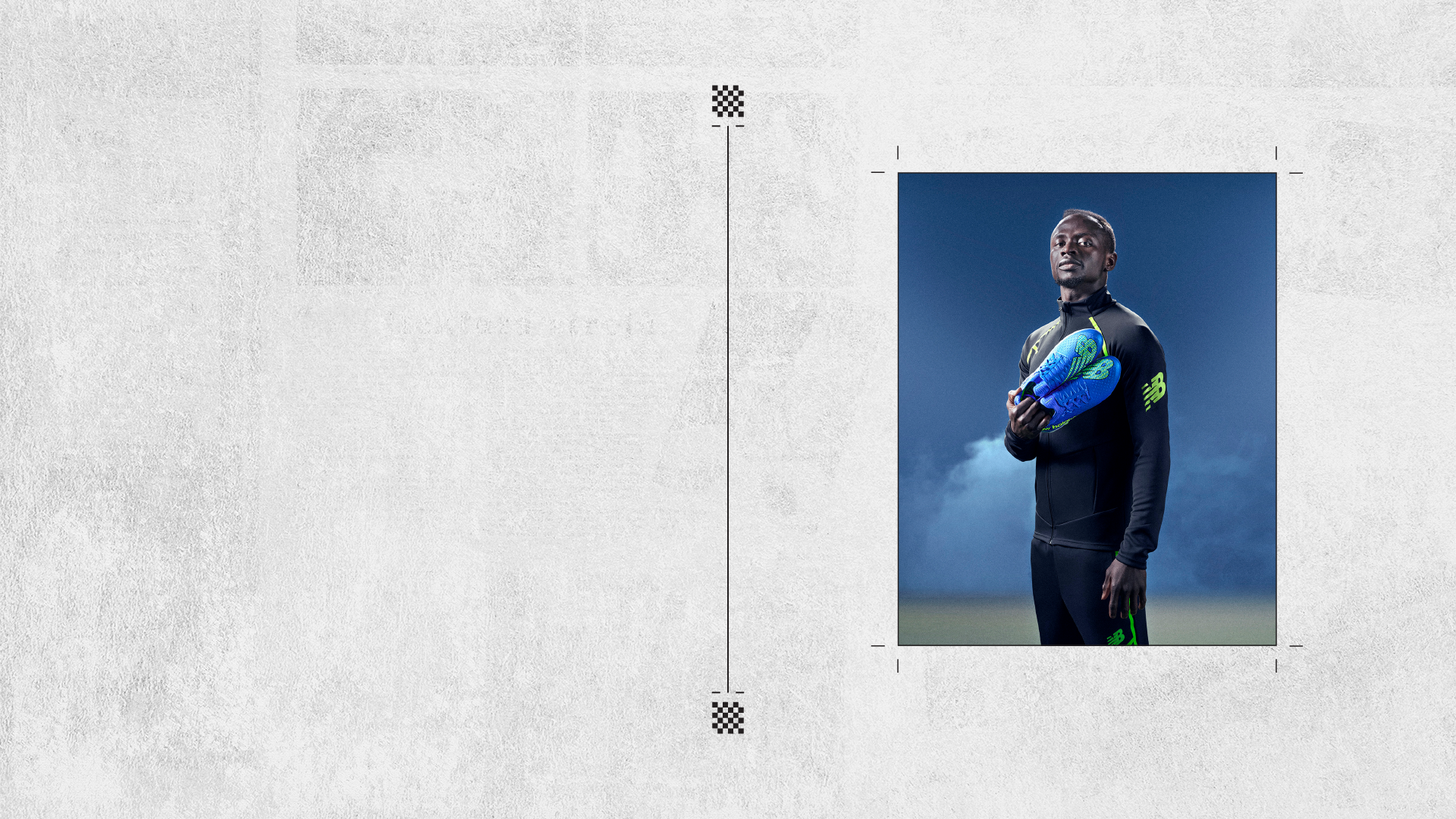



There’s the cloth that the majority of people are cut from, and then there’s a different cloth from which Sadio Mané is cut. He’s just… so fast. Super-effective, clinical, intelligent, technical, and it’s all at a million miles-per-hour. Speed can be a hindrance, unless you’re a genius. You see it all the time—in pub teams, at five-a-side, and in the very highest echelons of the game—players who are too quick for their own good. Players whose brains can’t keep up with their scurrying legs. That’s not the case with Mané, though. The only thing faster than Sadio Mane’s feet is his mind.

He came from poverty. Real poverty. Working in the fields, lack of education, struggling for food, playing football in his bare feet in a village of 2000 people in Southwest Senegal. If you’re thinking, “I’ve heard this story before — footballer’s parents give up everything they have to send them to a fancy academy after a passing scout spotted them scoring a hat trick in the local park.” Well, you’re mistaken. Sadio Mané’s parents thought he was foolish to pursue football and they wouldn’t support the idea. Mané’s father was the imam at his local mosque, and so that was that. End of the matter. Case closed. Not happening. And it shouldn’t have. But Mané wasn’t ready to let his dream go just yet. He and a friend masterminded his escape, and at fifteen years old, Sadio Mané ran away from home without telling another soul, and under the pretence of catching the school bus, escaped to Dakar with a vague plan of playing football on the streets, in the hope of being noticed by a team.
He got caught. Slap on the wrist from his mum and, a few months later, returned to Dakar—this time with her blessing—to try out at the Académie Génération Foot, Senegal’s football academy. He was no longer barefoot, but his boots were held together with tape and wire. He was incredible. He was faster than the other boys. Much faster. He was more skillful. He was just better, and pretty soon he would be wearing the best football boots money could buy.

Mané often speaks of how he tried to copy his hero, Ronaldinho, as a youngster. It’s interesting that he tried to emulate Ronaldinho because, in many ways, Mané and Ronaldinho are completely different footballers. Despite playing in similar positions, they’re almost the antithesis of each other. Ronaldinho was an artist, full of trickery and flamboyance. Sadio Mané is a killer. He’s an assassin. He’s an absolute nightmare to play against. He scores with both feet, with his head, from range, in the box, he can dribble, he can pass, he’s got eyes in the back of his head. Defenders know that if they make one tiny mistake, he’ll punish it, and he’ll punish it before they even realise they’ve made a mistake, and that is a horrible thought to have in your head when you’re trying to do your job. Manuel Neuer—arguably the greatest goalkeeper of the 21st Century Manuel Neuer—got too close to Mané in a Champions League Round of 16 match in 2019. That was a mistake. Mané shifted his weight in a way that’s genuinely difficult to perceive with the naked eye, left Neuer trying to figure out where the ball had gone, and chipped it into the open goal over a mystified Rafinha and Niklas Süle. Punishment. It all happened in about a second-and-a-half.

"You’d tell the people of Liverpool how you’d just witnessed a miracle, and they’d go,“Yeah? Good, isn’t he?”

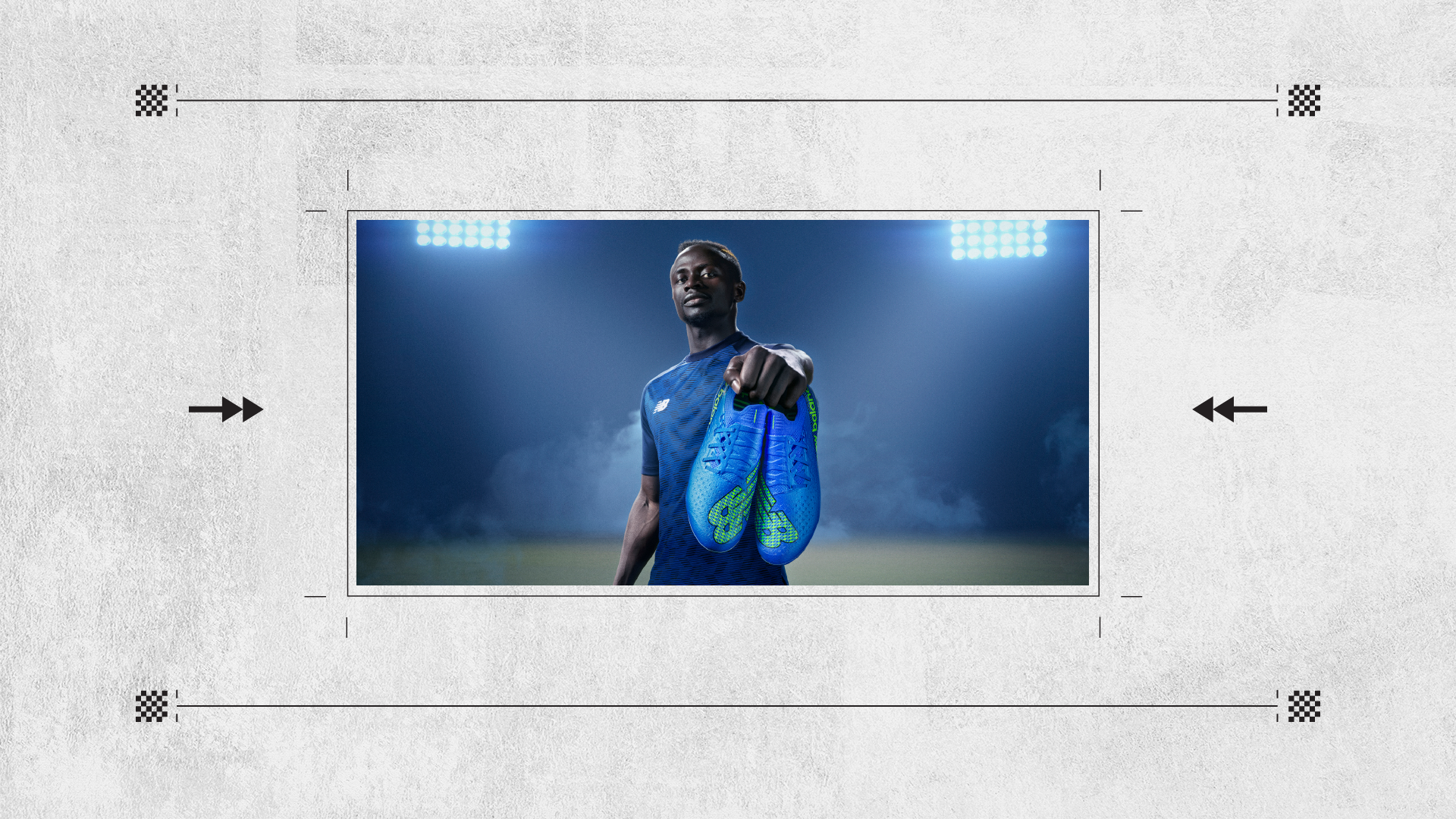

There were stepping stones on the way to becoming the truly great player we know today. The one the history books and the internet forums will remember when we’re all long gone and they’re playing non-gravity football on Mars. First there was France, then a brief but prolific stint in Austria during which he scored 45 goals in 87 games playing on the wing (terrifying), then two years on the South coast in England, but it was in Liverpool he became truly special. On Merseyside, he won everything. Everything. Part of one of the greatest front-three’s ever assembled—and it’s not up for discussion—alongside Mohamed Salah and Roberto Firmino, Sadio Mané could’ve walked on water, over the Mersey to the Wirral and back again, and you’d tell the people of Liverpool how you’d just witnessed a miracle, and they’d go, “Yeah? Good, isn’t he?”
Last year, having completed English football, Mané led Senegal as they became AFCON champions for the first time in their history. They won on penalties against Mohamed Salah’s Egypt. Guess who scored the winning penalty. It was Sadio Mané. Of course it was Sadio Mané. That’s all of the English domestic trophies, Austrian Bundesliga and Cup, Club World Cup, Champions League, AFCON… all done. Won them all. There’s a World Cup in December. Just saying.
He’s in Bavaria now, taking on a new challenge and probably giving Manuel Neuer palpitations in training. Mané hasn’t forgotten his journey, though. You could forgive him for living a life of excess, having carved his own path almost entirely without help from others, reaping the benefits of his extremely hard work. But he doesn’t. He remembers how difficult it was for him to forge the career and life he’s led so far and he doesn’t want others to have to do what he did in order to be happy. He paid for the construction of a secondary school, and a hospital in his home village of Bambali, as well as paying for food, shoes, clothes, and a regular pension-type payment for the 2000 inhabitants so that they can live their lives without having to worry about where their next meal is coming from. He might be ruthless on the pitch, but off it he’s compassionate. He’s one of the good guys. Who knows what the future holds for Sadio, but whatever it is, you can be sure it will be great, and it will be very, very, very, very, very fast.



There were stepping stones on the way to becoming the truly great player we know today. The one the history books and the internet forums will remember when we’re all long gone and they’re playing non-gravity football on Mars. First there was France, then a brief but prolific stint in Austria during which he scored 45 goals in 87 games playing on the wing (terrifying), then two years on the South coast in England, but it was in Liverpool he became truly special. On Merseyside, he won everything. Everything. Part of one of the greatest front-three’s ever assembled—and it’s not up for discussion—alongside Mohamed Salah and Roberto Firmino, Sadio Mané could’ve walked on water, over the Mersey to the Wirral and back again, and you’d tell the people of Liverpool how you’d just witnessed a miracle, and they’d go, “Yeah? Good, isn’t he?”
Last year, having completed English football, Mané led Senegal as they became AFCON champions for the first time in their history. They won on penalties against Mohamed Salah’s Egypt. Guess who scored the winning penalty. It was Sadio Mané. Of course it was Sadio Mané. That’s all of the English domestic trophies, Austrian Bundesliga and Cup, Club World Cup, Champions League, AFCON… all done. Won them all. There’s a World Cup in December. Just saying.
He’s in Bavaria now, taking on a new challenge and probably giving Manuel Neuer palpitations in training. Mané hasn’t forgotten his journey, though. You could forgive him for living a life of excess, having carved his own path almost entirely without help from others, reaping the benefits of his extremely hard work. But he doesn’t. He remembers how difficult it was for him to forge the career and life he’s led so far and he doesn’t want others to have to do what he did in order to be happy. He paid for the construction of a secondary school, and a hospital in his home village of Bambali, as well as paying for food, shoes, clothes, and a regular pension-type payment for the 2000 inhabitants so that they can live their lives without having to worry about where their next meal is coming from. He might be ruthless on the pitch, but off it he’s compassionate. He’s one of the good guys. Who knows what the future holds for Sadio, but whatever it is, you can be sure it will be great, and it will be very, very, very, very, very fast.

Timothy Weah
The all-American 21st Century footballer determined to make history.
What is the ultimate 21st Century footballer? How do you define a 21st Century footballer? They’re engaged with the world around them, they’re probably an ultra-focused master of mentality, they’re socially aware, and they’ve usually got healthy passions and interests outside of the game. The USA is churning out a lot of very, very talented 21st Century footballers these days. Footballers making super-sized, 21st Century American waves in the European game - Christian Pulisic, Tyler Adams, Brenden Aaronson, Sergiño Dest, Weston McKennie, Gio Reyna, Gianluca Busio - all preparing to face England and Wales at this winter’s World Cup. Tim Weah is the most exciting of the lot, though. He’s got it all - the drive, the talent, the mindset, the maturity beyond his years. He’s also got the name. A name that means a lot to many. A name that is set to be redefined for a new era of football fans.
He grew up in Queens, New York, inseparable from his cousin, close friend, and now fellow professional footballer Kyle Duncan. Tim and Kyle basically lived in each other’s respective homes, they spent family time in Miami together, trained together at athletics, and spent hours and hours and hours playing pick-up football in New York’s burgeoning football scene, always on opposite teams, always competing. Always learning.
Tim’s dad, well, you know who Tim’s dad is. It’s easy to imagine childhood training sessions in the back garden. “No, not like that. Like this. Use this part of your foot.” That’s not how it was though. Tim was trained and taught by his mum and his sister. Tim Weah plays football because he loves it. Because he was allowed to love it. And it shows.


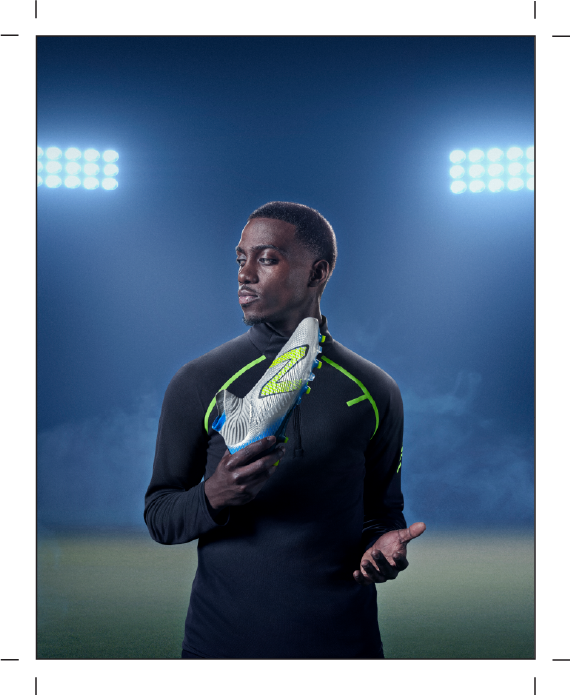
What is the ultimate 21st Century footballer? How do you define a 21st Century footballer? They’re engaged with the world around them, they’re probably an ultra-focused master of mentality, they’re socially aware, and they’ve usually got healthy passions and interests outside of the game. The USA is churning out a lot of very, very talented 21st Century footballers these days. Footballers making super-sized, 21st Century American waves in the European game - Christian Pulisic, Tyler Adams, Brenden Aaronson, Sergiño Dest, Weston McKennie, Gio Reyna, Gianluca Busio - all preparing to face England and Wales at this winter’s World Cup. Tim Weah is the most exciting of the lot, though. He’s got it all - the drive, the talent, the mindset, the maturity beyond his years. He’s also got the name. A name that means a lot to many. A name that is set to be redefined for a new era of football fans.
He grew up in Queens, New York, inseparable from his cousin, close friend, and now fellow professional footballer Kyle Duncan. Tim and Kyle basically lived in each other’s respective homes, they spent family time in Miami together, trained together at athletics, and spent hours and hours and hours playing pick-up football in New York’s burgeoning football scene, always on opposite teams, always competing. Always learning.
Tim’s dad, well, you know who Tim’s dad is. It’s easy to imagine childhood training sessions in the back garden. “No, not like that. Like this. Use this part of your foot.” That’s not how it was though. Tim was trained and taught by his mum and his sister. Tim Weah plays football because he loves it. Because he was allowed to love it. And it shows.
He played at youth level for West Pines United, Blau-Weiss Gotschee, and a team in the MLS before travelling to Europe for a trial with a club in the French Ligue 1. It was their that he played in a game against a team from Paris who promptly scouted him and signed him up to their own youth team. He scored a hat trick on his full debut. By the time he was 18, he was playing for the first team alongside the likes of Neymar, Marco Veratti, Angel Di Maria, and Thiago Silva. Players Tim had idolised as a child.
The fairytale debuts and learning from legends was just one part of a multi-faceted Parisian experience for Tim Weah, though. Paris is a great place to satiate a lifelong passion for music and fashion, and so when he wasn’t training, he split his time between the boutiques of the Champs-Élysées, and the home studio he designed with his best friend, working on original hip-hop tracks every single day. Broad horizons and a many stringed bow would almost certainly help him get through some of the struggles he was set to face.
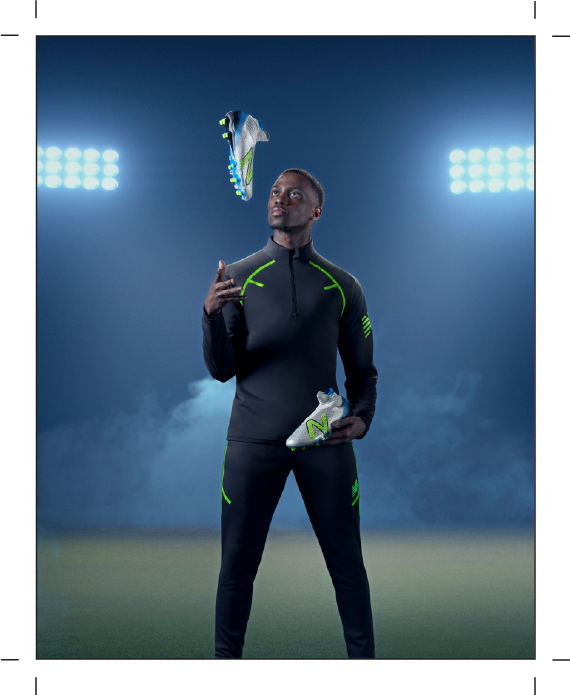
After a loan year in Glasgow, during which he fell in love with the club and won the Scottish Premiership, Tim signed a five-year deal with a team on the river Deûle, hoping for more playing time than he was getting in Paris. Almost immediately, he tore his hamstring, which kept him out for six months. Ten minutes into his return to action, he tore that same hamstring, meaning he spent almost an entire season away from the pitch. That sort of injury regularly breaks young footballers. Halts their momentum, destroys their confidence. Weah isn’t an ordinary young footballer, though. When The Athletic asked him about how he fared during his time on the sidelines, he told them, “I had the chance to take time to myself, to really reevaluate everything and focus on myself, and focus on just general happiness. For me, my mental state has been great.” Where most would see struggle, Weah saw an opportunity.
He’s an example for young people to follow. It’s important to have passions in life, and it’s important to embrace all of them, even if you’re an elite-level footballer. It’s just healthy. After a year of recovery, non-contact training sessions, gently being eased back into sprinting, Tim returned to the first team and told everyone who would listen that they’d win Ligue 1 that year. Nobody listened, obviously. His old club were a scary monster stacked with Monstars. But Tim Weah, having barely touched a football for an entire year, was convinced he and his teammates had what it took to dethrone his former team. That sort of thing just doesn’t happen. And yet it did.
He played at youth level for West Pines United, Blau-Weiss Gotschee, and a team in the MLS before travelling to Europe for a trial with a club in the French Ligue 1. It was their that he played in a game against a team from Paris who promptly scouted him and signed him up to their own youth team. He scored a hat trick on his full debut. By the time he was 18, he was playing for the first team alongside the likes of Neymar, Marco Veratti, Angel Di Maria, and Thiago Silva. Players Tim had idolised as a child.
The fairytale debuts and learning from legends was just one part of a multi-faceted Parisian experience for Tim Weah, though. Paris is a great place to satiate a lifelong passion for music and fashion, and so when he wasn’t training, he split his time between the boutiques of the Champs-Élysées, and the home studio he designed with his best friend, working on original hip-hop tracks every single day. Broad horizons and a many stringed bow would almost certainly help him get through some of the struggles he was set to face.
After a loan year in Glasgow, during which he fell in love with the club and won the Scottish Premiership, Tim signed a five-year deal with a team on the river Deûle, hoping for more playing time than he was getting in Paris. Almost immediately, he tore his hamstring, which kept him out for six months. Ten minutes into his return to action, he tore that same hamstring, meaning he spent almost an entire season away from the pitch. That sort of injury regularly breaks young footballers. Halts their momentum, destroys their confidence. Weah isn’t an ordinary young footballer, though. When The Athletic asked him about how he fared during his time on the sidelines, he told them, “I had the chance to take time to myself, to really reevaluate everything and focus on myself, and focus on just general happiness. For me, my mental state has been great.” Where most would see struggle, Weah saw an opportunity.
He’s an example for young people to follow. It’s important to have passions in life, and it’s important to embrace all of them, even if you’re an elite-level footballer. It’s just healthy. After a year of recovery, non-contact training sessions, gently being eased back into sprinting, Tim returned to the first team and told everyone who would listen that they’d win Ligue 1 that year. Nobody listened, obviously. His old club were a scary monster stacked with Monstars. But Tim Weah, having barely touched a football for an entire year, was convinced he and his teammates had what it took to dethrone his former team. That sort of thing just doesn’t happen. And yet it did.
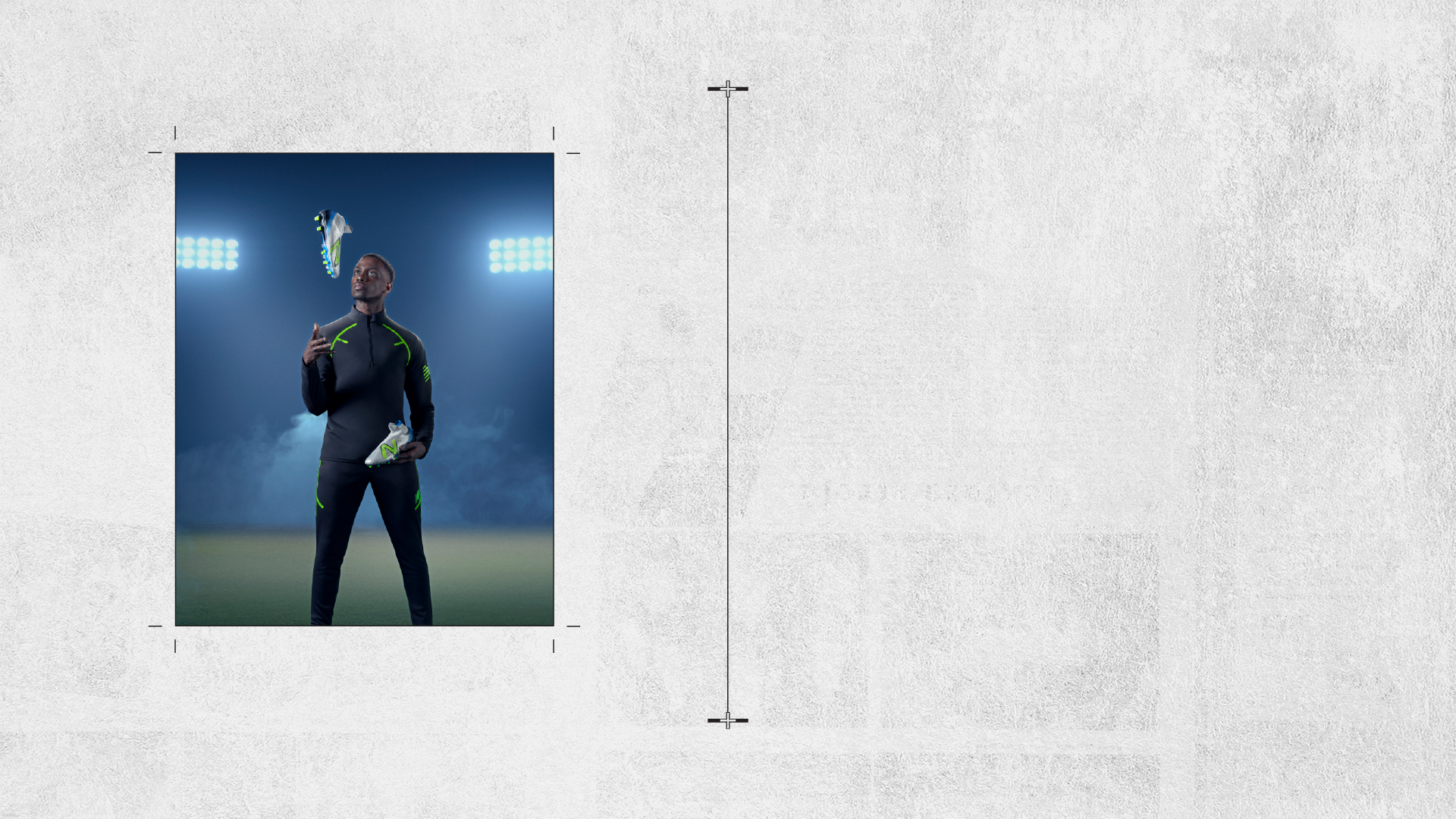
Weah was convinced he and his teammates had what it took to dethrone the champions, his former team. That sort of thing just doesn’t happen. And yet it did.

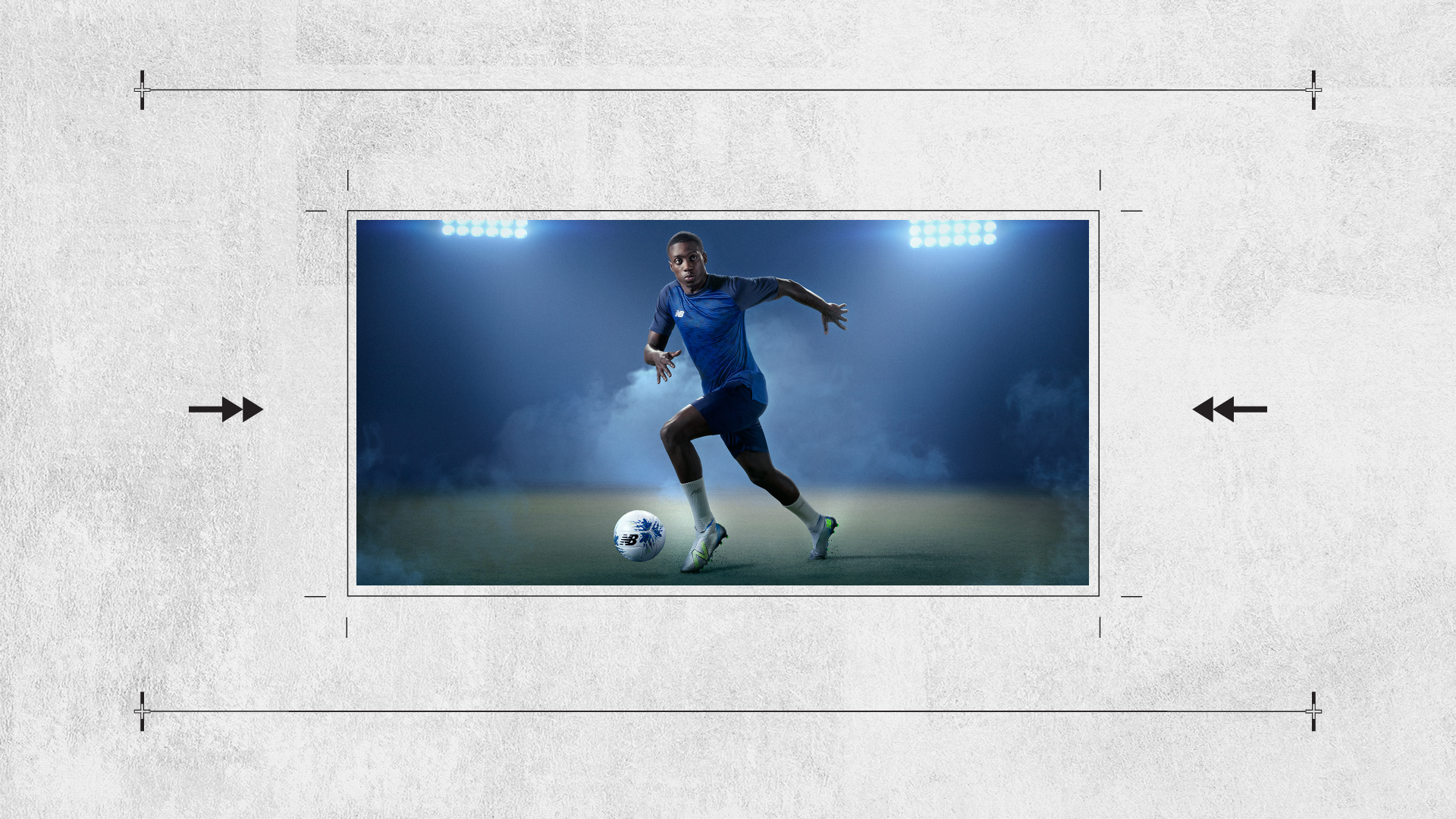

Tim could’ve played for the national teams of Jamaica, Liberia, and France - in fact, France tried to persuade him to join their youth program, but Weah sees himself as American through-and-through. He loves New York, and he loves playing football with his mates. He committed himself to USMNT, and became the only male player to score a hat-trick in a FIFA tournament — vs Paraguay in the Under-17 World Cup — the first goal of which… well, just look it up. He recognises what the USA system has done for him, and he looks to give back to it whenever he can.
In 2022, he and cousin Kyle organised a Pop-Out event, at which people of all ages and genders in the New York area were invited to come along, play in a 3v3 tournament, and celebrate football. There was a DJ, photographers, fireworks, and in Tim’s words, it was “all about the culture.” He gets it. He truly understands football and what it means to the people playing it at all levels. He understands what it means to young people today, and he’s at the forefront of making sure the public stays connected with the game, especially in his homeland.
In a post-match interview following a USMNT game vs Mexico, in which he was the player of the match, Weah told the reporter, “It’s a new era now. Before the game, Mexico was talking a lot of smack. Beating them just shuts them up. We have to continue to win games, continue to beat them. That’s the only way we’re going to earn respect. I think we’re on a great path right now and the future is bright.”
The future is very bright, and Tim Weah isn’t done shutting people up just yet.



Tim could’ve played for the national teams of Jamaica, Liberia, and France - in fact, France tried to persuade him to join their youth program, but Weah sees himself as American through-and-through. He loves New York, and he loves playing football with his mates. He committed himself to USMNT, and became the only male player to score a hat-trick in a FIFA tournament — vs Paraguay in the Under-17 World Cup — the first goal of which… well, just look it up. He recognises what the USA system has done for him, and he looks to give back to it whenever he can.
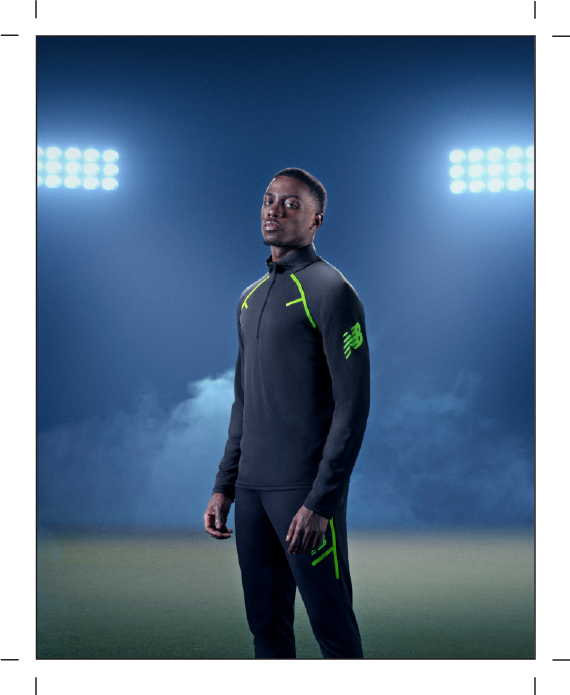
In 2022, he and cousin Kyle organised a Pop-Out event, at which people of all ages and genders in the New York area were invited to come along, play in a 3v3 tournament, and celebrate football. There was a DJ, photographers, fireworks, and in Tim’s words, it was “all about the culture.” He gets it. He truly understands football and what it means to the people playing it at all levels. He understands what it means to young people today, and he’s at the forefront of making sure the public stays connected with the game, especially in his homeland.
In a post-match interview following a USMNT game vs Mexico, in which he was the player of the match, Weah told the reporter, “It’s a new era now. Before the game, Mexico was talking a lot of smack. Beating them just shuts them up. We have to continue to win games, continue to beat them. That’s the only way we’re going to earn respect. I think we’re on a great path right now and the future is bright.”
The future is very bright, and Tim Weah isn’t done shutting people up just yet.





Tekela V3+ Pro FG soccer cleats provide an amplified sensation, ideal for elite players who want dynamic feedback about what is happening underfoot. For constant attacking, these soccer cleats are driven by technology, boasting multifunctional zonal support and stability. With a laceless, re-engineered full-foot stretch knit upper that includes integrated Hypoknit and redesigned Kinetic Stitch technologies, these cleats help provide ultimate control and accuracy for match-winning moves. A multi-directional stud configuration on a lightweight nylon outsole finishes the shoe with an incredible feel on firm ground surfaces.


Explode down the pitch in our Furon V7 Pro FG soccer cleats, designed for the elite-level player who craves simplicity and direct contact with the ground and ball. Boasting a Hypoknit upper with mesh lining, plus off-set lacing with a cored-out canopy for lockdown and increased strike zone, this cleat delivers impressive support and comfort. Stay focused on firm ground with the lightweight nylon outsole, which offers dynamic feel and feedback.

 Built with Shorthand