


John Motson tells us about a life spent talking about football, and the eleven players he enjoyed commentating on most…
“It was like being in a film,” John Motson says while putting down his fork, looking outside the window, and running his hand through his hair. We’re sat in his local pub talking about football. Because that’s what John does, and has done, all of his life: he’s talked about football to people. And right now, John is talking about the first football match he ever went to. Charlton v Chelsea. 26th April 1952.
“Something special happened in that game. There was a band at Charlton, they played at kick-off and then put their instruments down at the side ready for half-time. At one point, the Charlton captain Benny Fenton made a clearance from his own penalty area and the ball slammed into the drum on the side of the pitch. I never forgot that. The biggest resounding bang I’ve ever heard. It’s one of my first ever memories.”
Like being in a film.
“The atmosphere, the cheering, the feeling of being one person amongst so many others,” John continues about that first game. “As a boy, I just got carried away by it, to be perfectly honest. It was a thrill to go to a football match. And, thanks to my dad, I went to many games.”
John’s father was a Methodist vicar and, of course, was busy on Sundays. So, Saturdays were their time to go to football matches. Father and son would travel up and down the country to take in the game’s most illustrious names together. They’d go to the North to watch players like Tom Finney play at Preston, they’d head across to Stoke to watch Stanley Matthews, they once saw Jimmy Greaves score four goals for Chelsea in a 7-4 win on Christmas day. The names, goals, dates, scorers, attendances, sounds, memories pour out of John’s mouth like he’s putting a scrapbook of stats and photos and notes and scribbles and cut outs and tickets together using his voice. And when other people in the pub hear it, they freeze like they’ve just looked across the bar and seen their best friend from school for the first time in 50 years.


It’s a voice that makes you remember things you thought you’d forgotten about.
John’s obsession with the game and everything that surrounds it continued after being sent to a boarding school in Suffolk. His father moved around a lot for work, and didn’t want John’s education impeded by continually changing schools. The only problem? The school, criminally, played rugby, hockey, cricket, but no football. John had to work harder to keep up to date with his infatuation.
He started collecting cigarette cards, cutting out match reports and photos to make scrapbooks, listening to Sports Report at 5 o’clock on Saturdays using one of the other boy’s transistor radios. This love of the way that the game was reported resulted in John setting up his own newspaper called The Phoenix.


“By the time I got to the GCE O-level, I realised that I wanted to be a journalist. So I thought the best thing to do would be to practice when I was at school. I got other people to write things and submit them to the paper, and it was a great grounding for me and led, in the end, to me starting reporting on the Barnet Press weekly newspaper in Hertfordshire, which I went to in 1963.”
And, after moving to The Sheffield Daily Telegraph in 1968 to report on football, John got his first job commentating on BBC Radio 2. He remembers that first game well. Unsurprisingly.
Everton v Derby County at Goodison Park. And a man in white boots.
“In those days, Radio 2 did the second half live, but not the whole game. I went up with Maurice Eddlestone, an ex-footballer who was BBC Radio 2's main commentator then. England were off to Mexico for the World Cup that summer, and Alan Ball was playing for Everton in white boots. It was the first time I’d ever seen a player in sponsored boots, and he scored the winning goal. I went back to Euston by train and as I got off, there were two guys in front of me having a conversation about it.”
“I listened in as I walked behind them, and I heard one of them say ‘the commentary was really quite good today, I could understand exactly where the ball was’. It was then that I realised one of the boys was blind. And I thought, well, I might have a career here. There's room for a commentator who brings the game to life for a lad who can't see. And that was the start of my career as a commentator.”
“I did another handful of games for Radio 2, and then, in 1971, the BBC Television were looking for a junior commentator. They had David Coleman doing the big games and Barry Davis was already there, and they sent me off to Leeds to do a trial television commentary on a European game. However good or bad I was, they decided that I had promise, and Match of the Day took me on in September 1971. That was the start of fifty years of pure pleasure.”

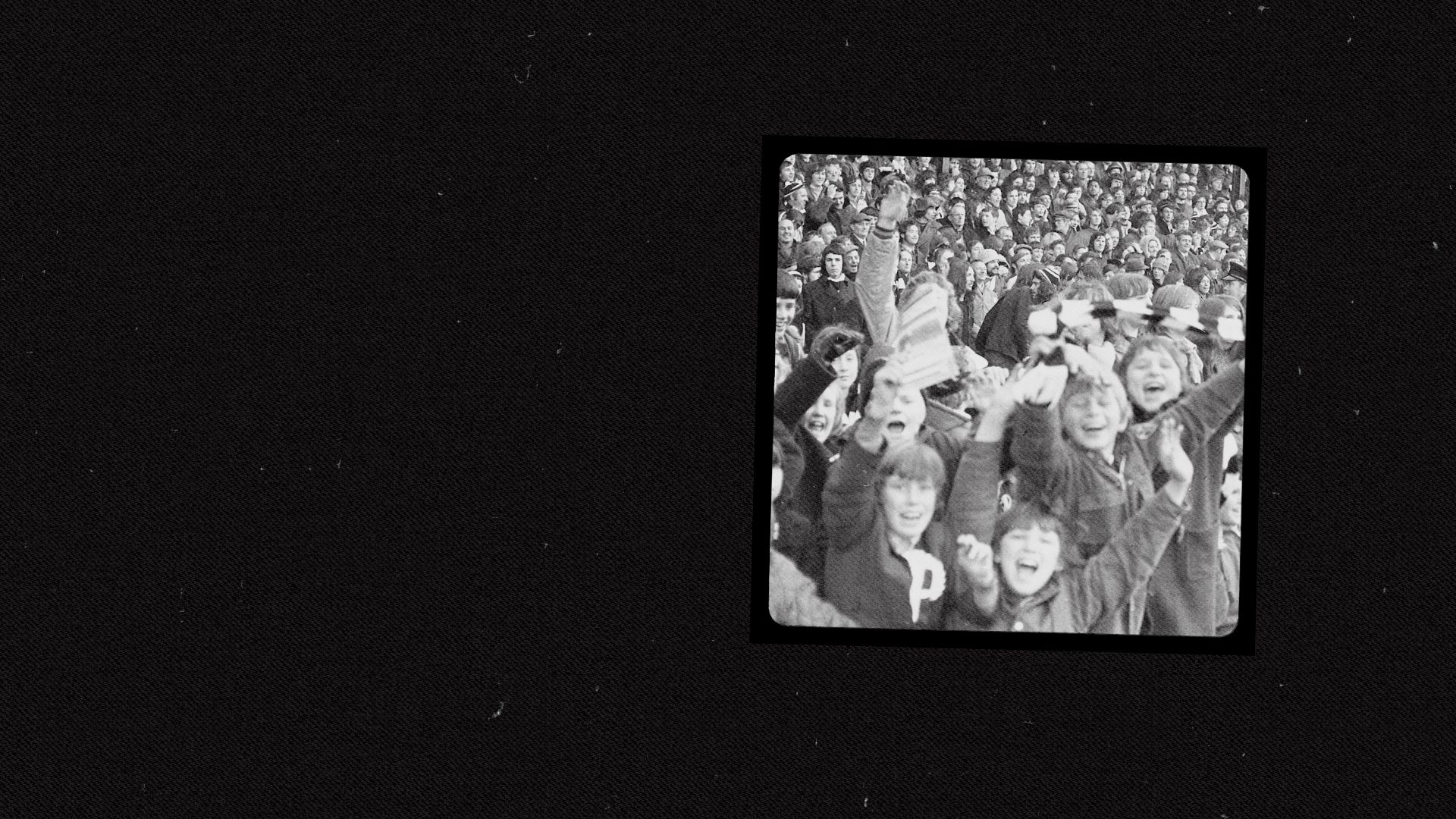
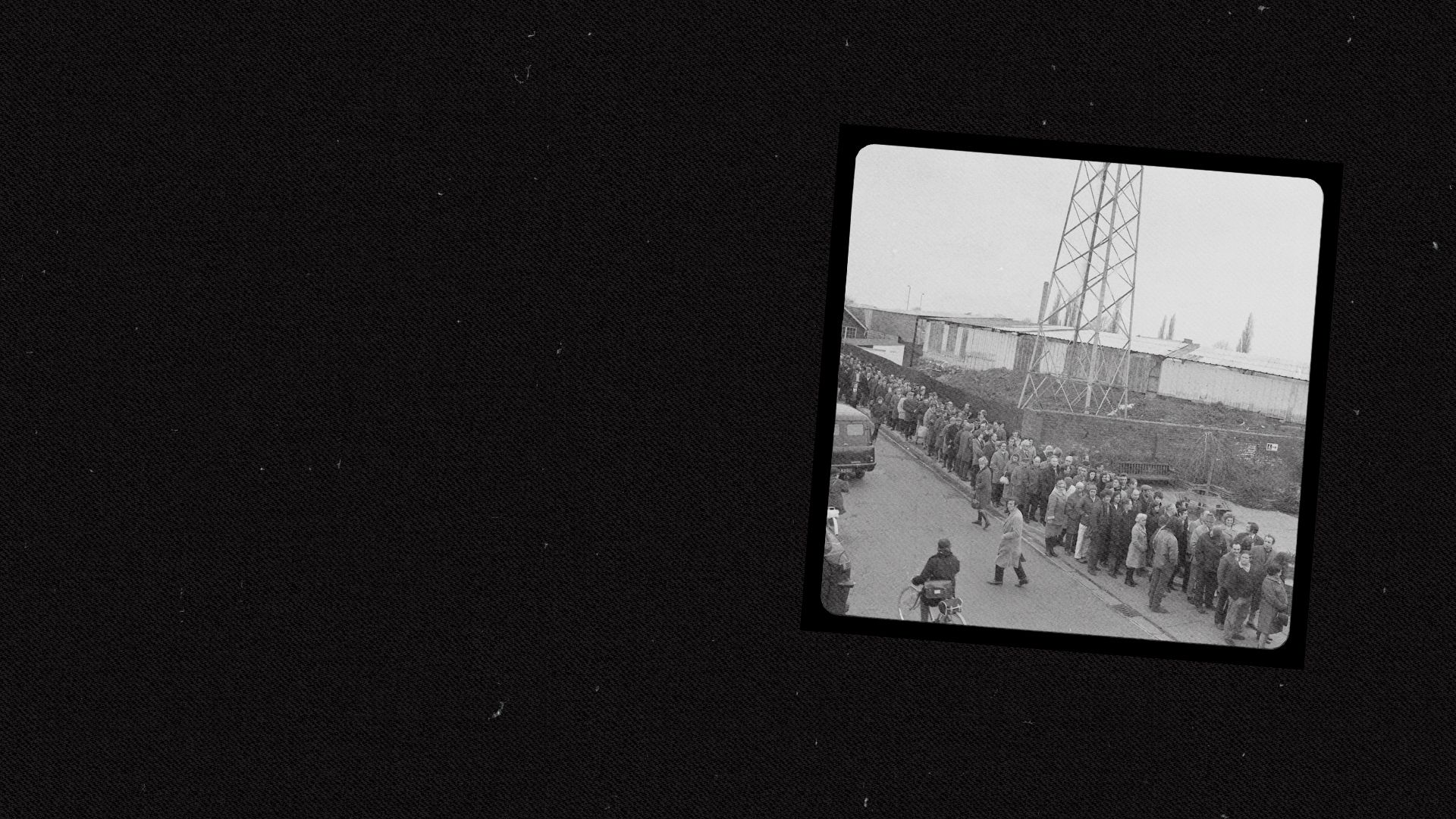
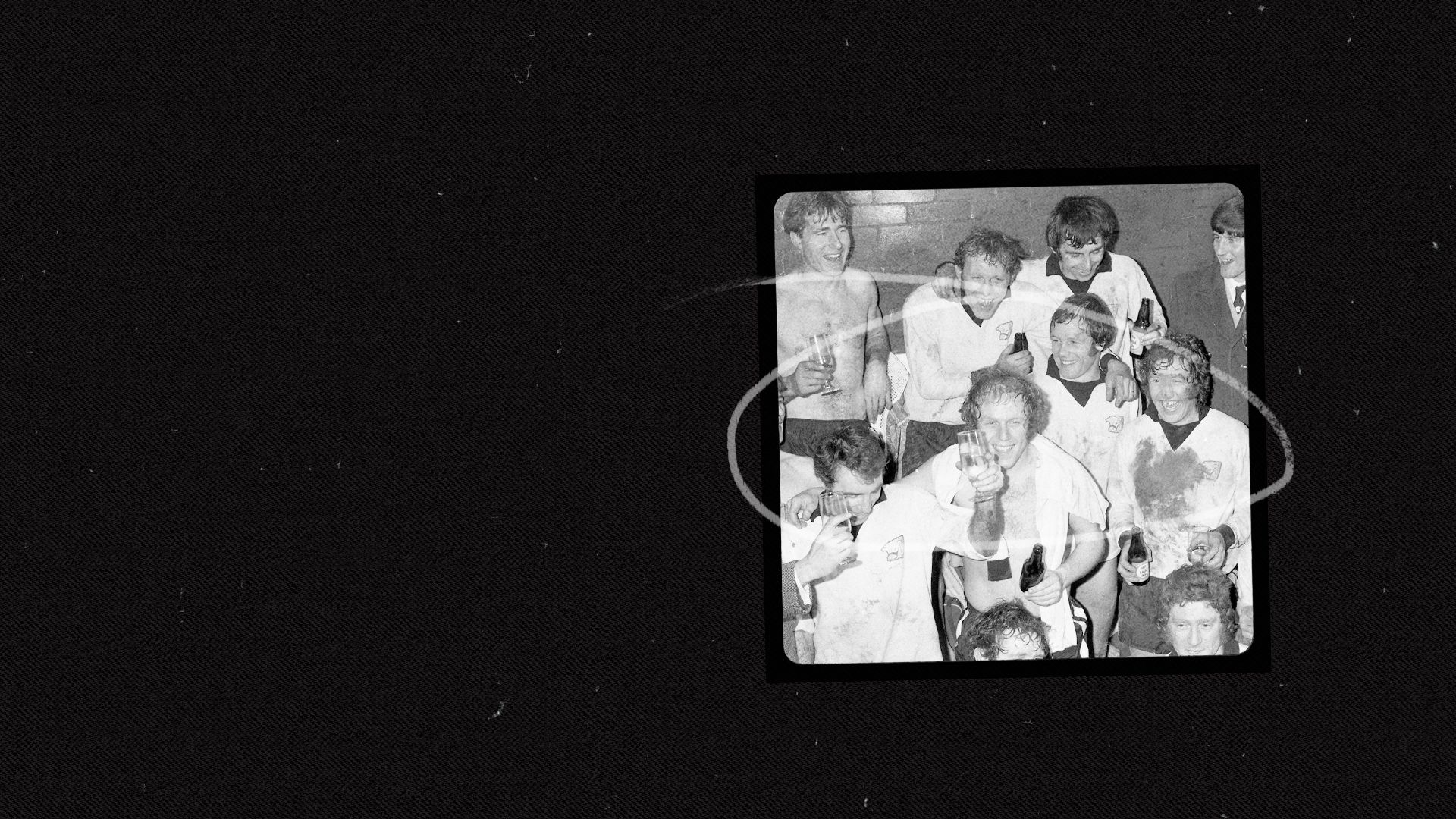
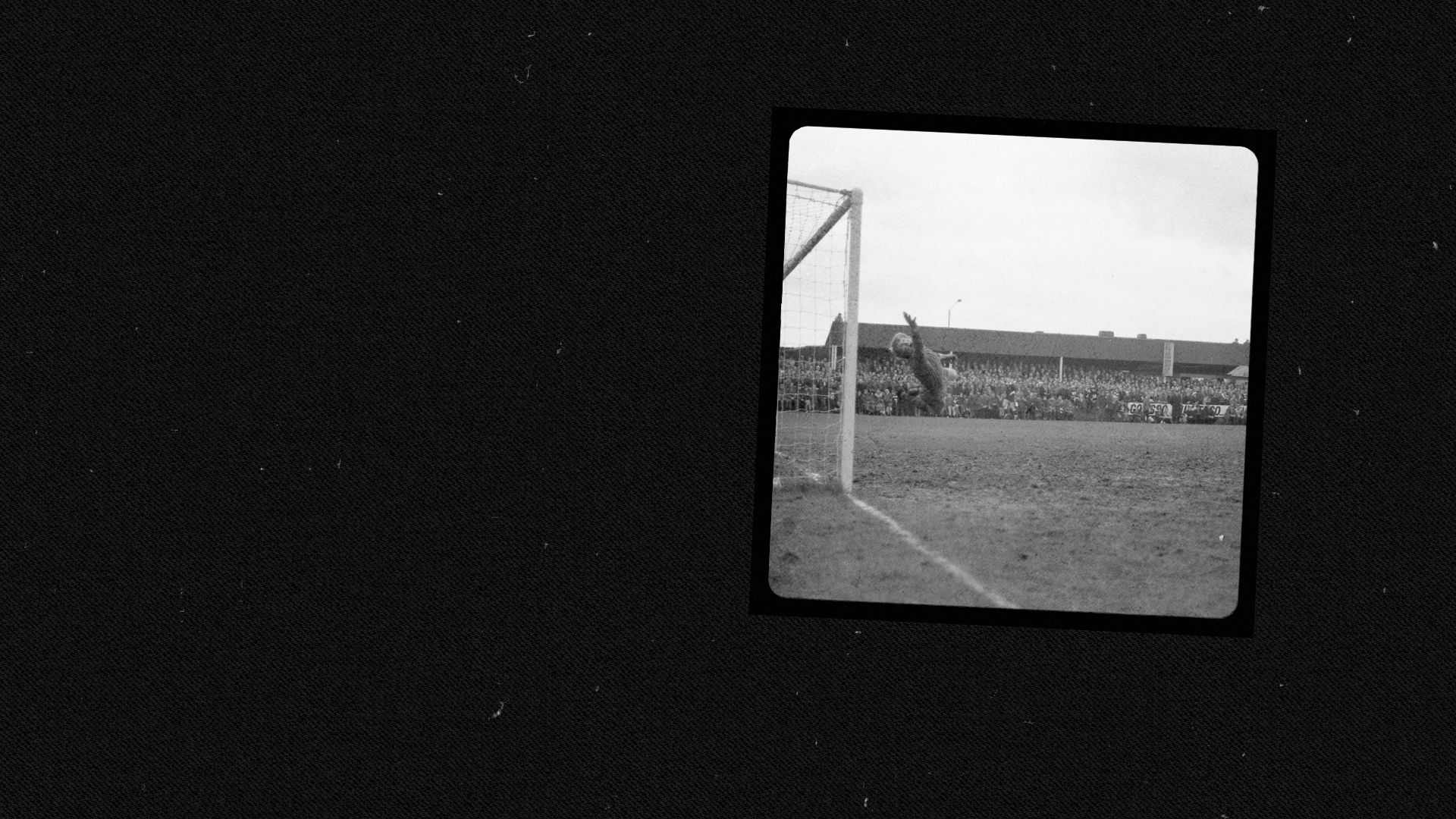
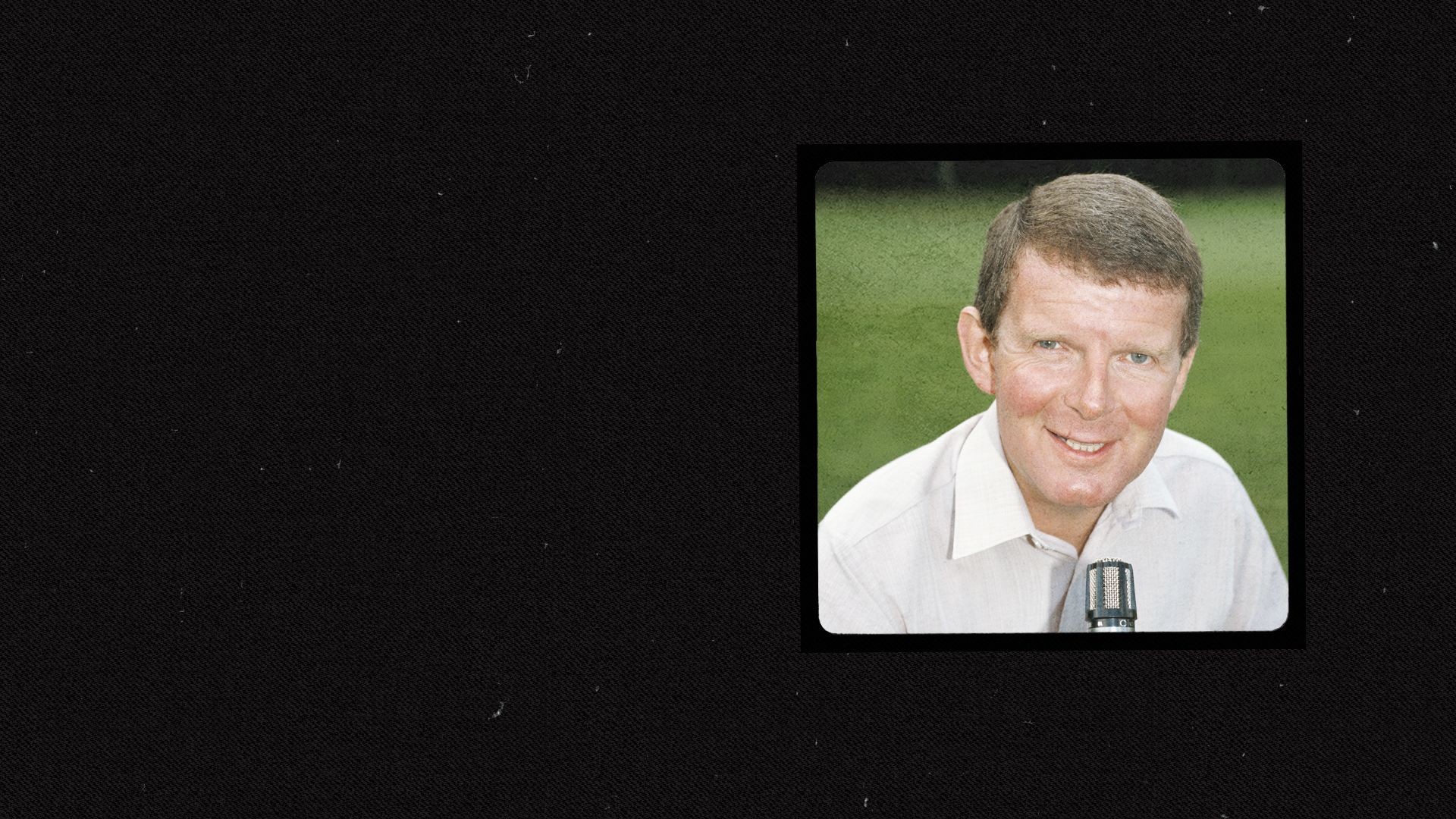
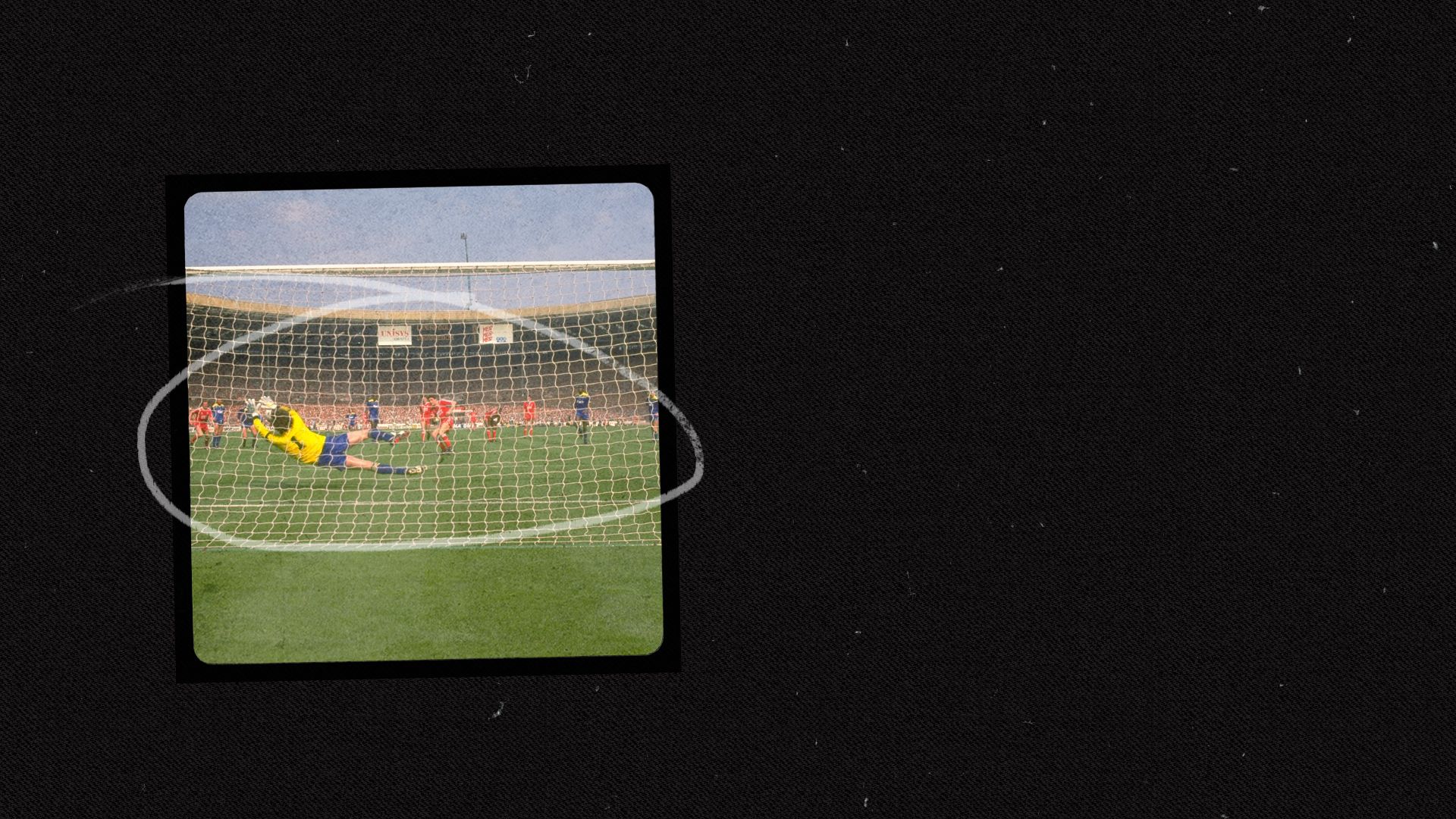
That fifty years of pleasure has involved commentating on 29 FA Cup finals, 10 World Cups, 10 Euros. Some of the most iconic football matches to have ever taken place have had John telling people what was happening in them. Ronnie Radford’s goal in the FA Cup’s greatest giantkilling. Dave Beasant’s save leading the Crazy Gang to beat the Culture Club. The ups and downs and ins and outs of Sir Bobby Robson’s Italia 90 team. Owen’s hat-trick against Germany. Becks doing it all on his own against Greece.
We’d seen lots of articles about John’s favourite matches. There’s lists of them everywhere on the internet. So, with forks down on the table, a second round of drinks in, and the sun dipping in and out of fast moving clouds outside, we got John to tell us about the players he enjoyed commentating on most. Not necessarily who he thought was the best, but who he loved to watch, who kept him guessing, who made him think about what he’d have to say next.
And look, nobody ever said an All Time XI needed a goalkeeper. Or any defenders…

Eric Cantona
“Eric Cantona changed the history of Manchester United. Ferguson first won the Cup in 1990, but they weren’t really going anywhere then. And then suddenly one Saturday morning, I read that Eric Cantona had signed from Leeds United. What a player. Eric transformed Manchester United. His ability to change the point of the attack, to score goals, to make the telling pass. He was involved in everything, and led Manchester United to success: titles, cups, doubles. Eric Cantona, for me, was an idol, an icon, and the United fans adopted him as such. To see him in that red shirt for four or five years - that would be the moment that I would want to recreate over and over again."

Ian Wright

"All action, and always phenomenally involved in the game. I loved watching Ian play. I thought he was one of the most prolific footballers I ever saw, in terms of the amount of effort and energy he put into the game.”
Didier Drogba
“Drogba was so brave and clever that the opposition, whoever he was playing against, had to be aware of him all the time. He was formidable, strong and quick, sure, but he was also crucial in the build up play to that Chelsea team. The way he fed off crosses from Chelsea’s wingers then, players like Arjen Robben and Damien Duff, was magnificent.”
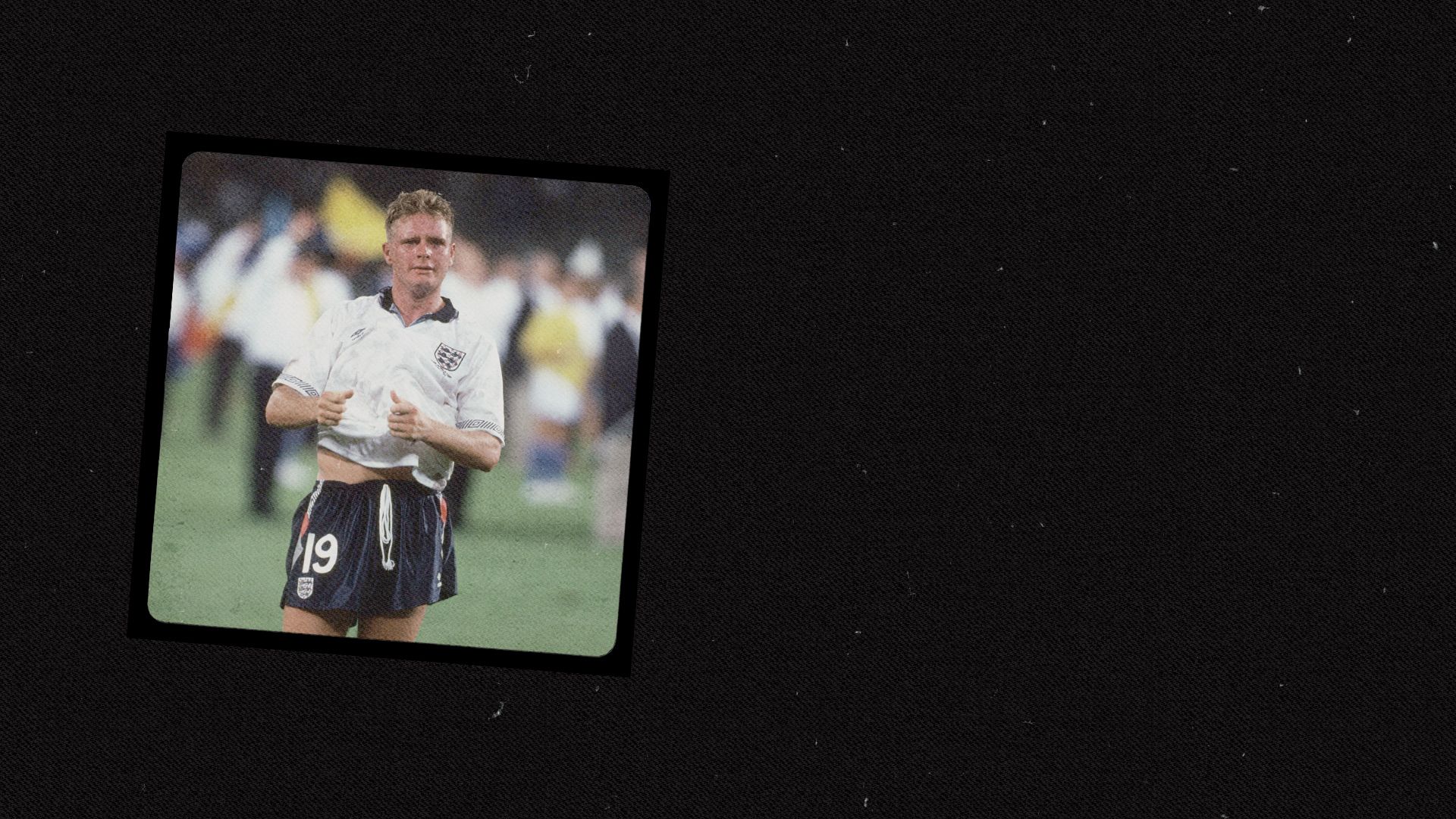
Paul Gascoigne
“The best English-born footballer I ever saw was Gazza. When Paul Gascoigne was sixteen, Jackie Milburn came across to me and said ‘You wait until you see this boy, he’s going to be the best you’ve ever seen.’ And you know what? He was the best English player I ever saw. He could do everything. Beat players, run past players, get in the box, head the ball, score with both feet. Go to Euro 96, pick any game you like in which he played, watch it, and you’ll see he was outstanding. And of course, so entertaining at the same time.”
Wayne Rooney
“My goodness, we were made to remember the name. Wayne was combative, had a pretty short fuse and could get involved with the opposition and mix it the way you wanted him to, which meant it wasn’t always easy to commentate on him. But, his impact was incredible and he was brilliant in front of goal. I spoke about Cantona, you've got to mention Rooney in the same breath: a Manchester United hero.”
David Silva
“I'm coming onto Manchester City's time, now, in the ascendancy of British football. I've picked out David Silva because of the ten years he spent at City under, first of all, Mancini, then Pep Guardiola. He earned a testimonial almost as soon as he got there. His perfect passing skills and his ability to read a game were just so phenomenal. He almost created City's initial possession game, which Guardiola of course went on to develop further later on. A wonderful player.”
Raheem Sterling
“Raheem Sterling has had to prove himself over and over again in his career. He still sometimes gets left out of the team, and people still sometimes have doubts about him, but he’s got a great gift, Sterling. Pace and tricks to beat defenders, clever movement, I think he was England’s best player in the 2021 European Championships. He's also very much a leading figure in the movements regarding racial equality, and takes that side of himself very seriously. Frankly, I can’t speak too highly of him.”
Kenny Dalglish
“Absolutely majestic in the build up, wonderful skills, great touch with both feet, his movement was astonishing, and his combination with Ian Rush was an education in itself. Liverpool retained the European Cup with him scoring the winning goal at Wembley, against Brugge, in '78, and scored the winning goal in 1986 at Stamford Bridge, which gave Liverpool the title. And they did the double, of course, winning at Wembley against Everton a week later. The complete footballer. He had all the technique, all the skills, all the appreciation of the game, wonderful link-up with his colleagues. He was Mr. Liverpool for a few years, and went from being a player to being a manager in the flick of a wrist.”
Alan Shearer
“The leading goalscorer in Premier League history. Of course, when he left Southampton and everyone thought he was going to go to Manchester United, he went to his hometown club Newcastle, and took them very close to the championship, my word, he did take them close, didn't he? In that '96 season, he was phenomenal. Great in the air, terrific in the box, a Tyneside hero in the shape of one man."
Thierry Henry
“What a striker, the person to overtake Ian Wright’s goalscoring record for Arsenal and a person with magic in both feet. Really. Henry could change a game in a second with his ability. For me, he surpassed anything else that was around at the time. In a way, he was the embodiment of what Arsène Wenger achieved at Arsenal, with his FA Cups, particularly, as well as his doubles. Thierry Henry was a man apart. His application to the game, and what he did on the pitch, and how he moved the ball around, the goals he scored were phenomenal. I can't speak highly enough of him.”
Mo Salah
"The centre piece of Liverpool's success under Jürgen Klopp, with their first championship for thirty years, and the Champions' League, Salah has been unbelievable. He can score with both feet, a terrific eye for goal, knew where to go in the box naturally and how to position himself to take crosses. Superb."
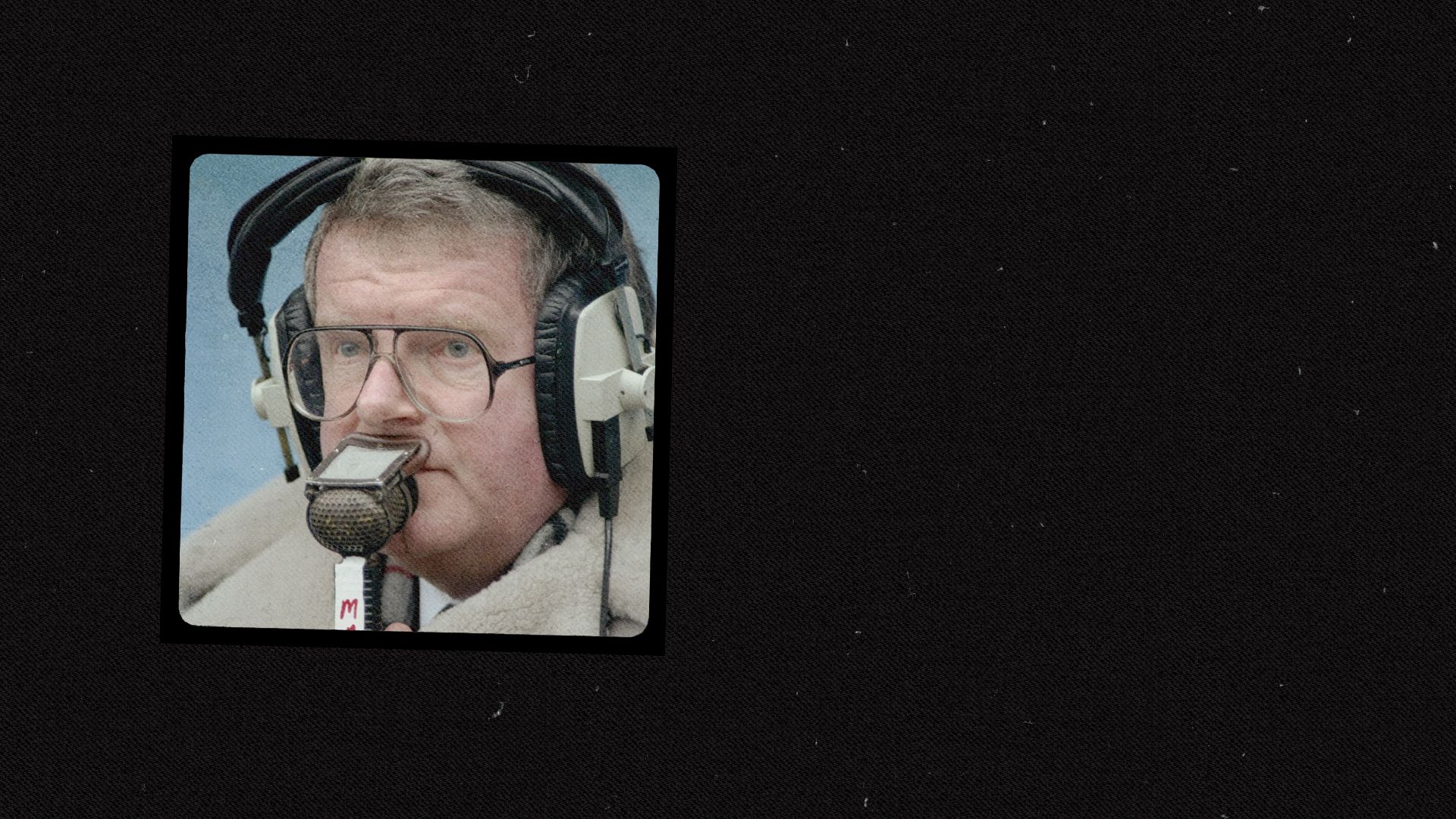
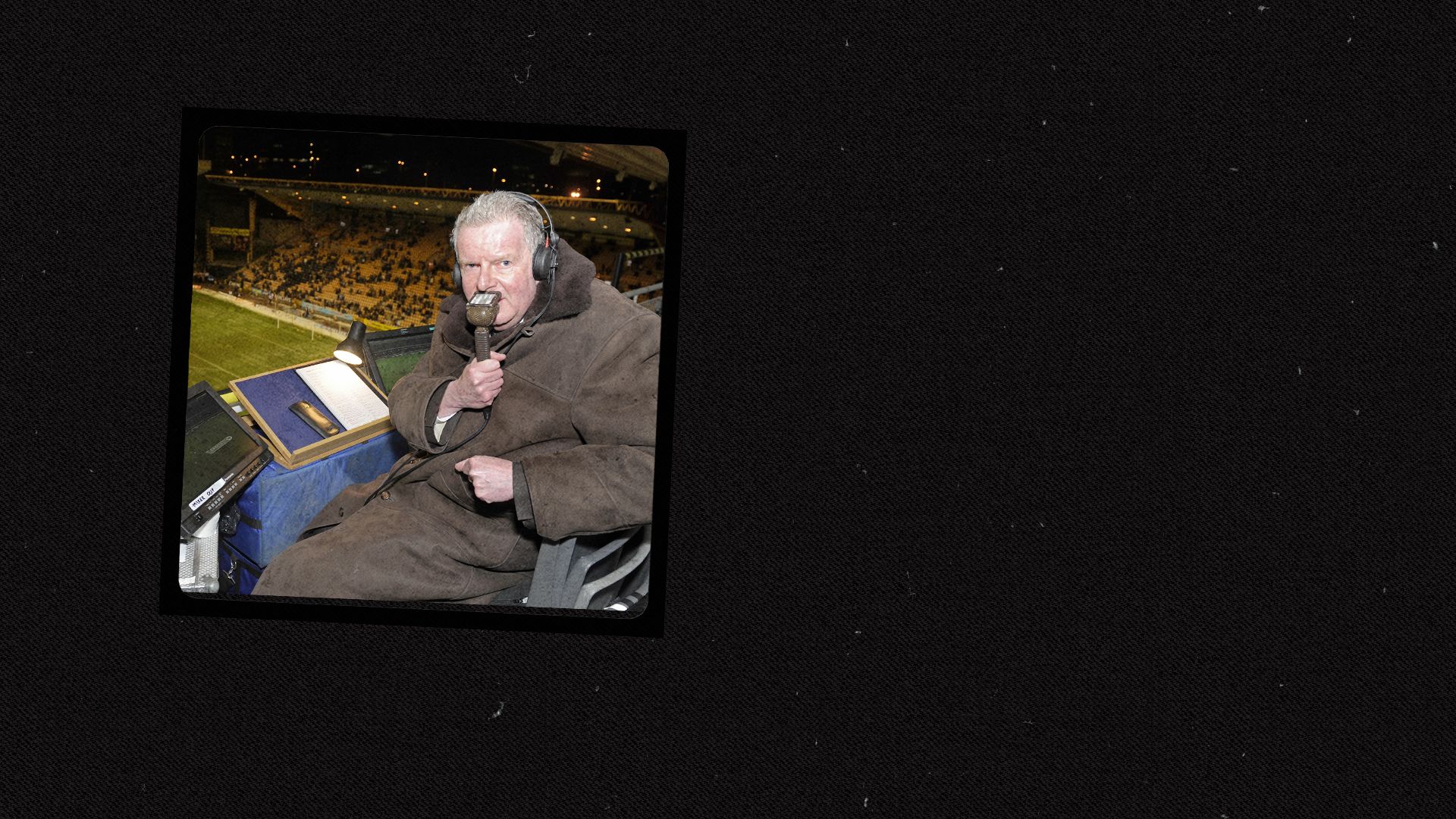
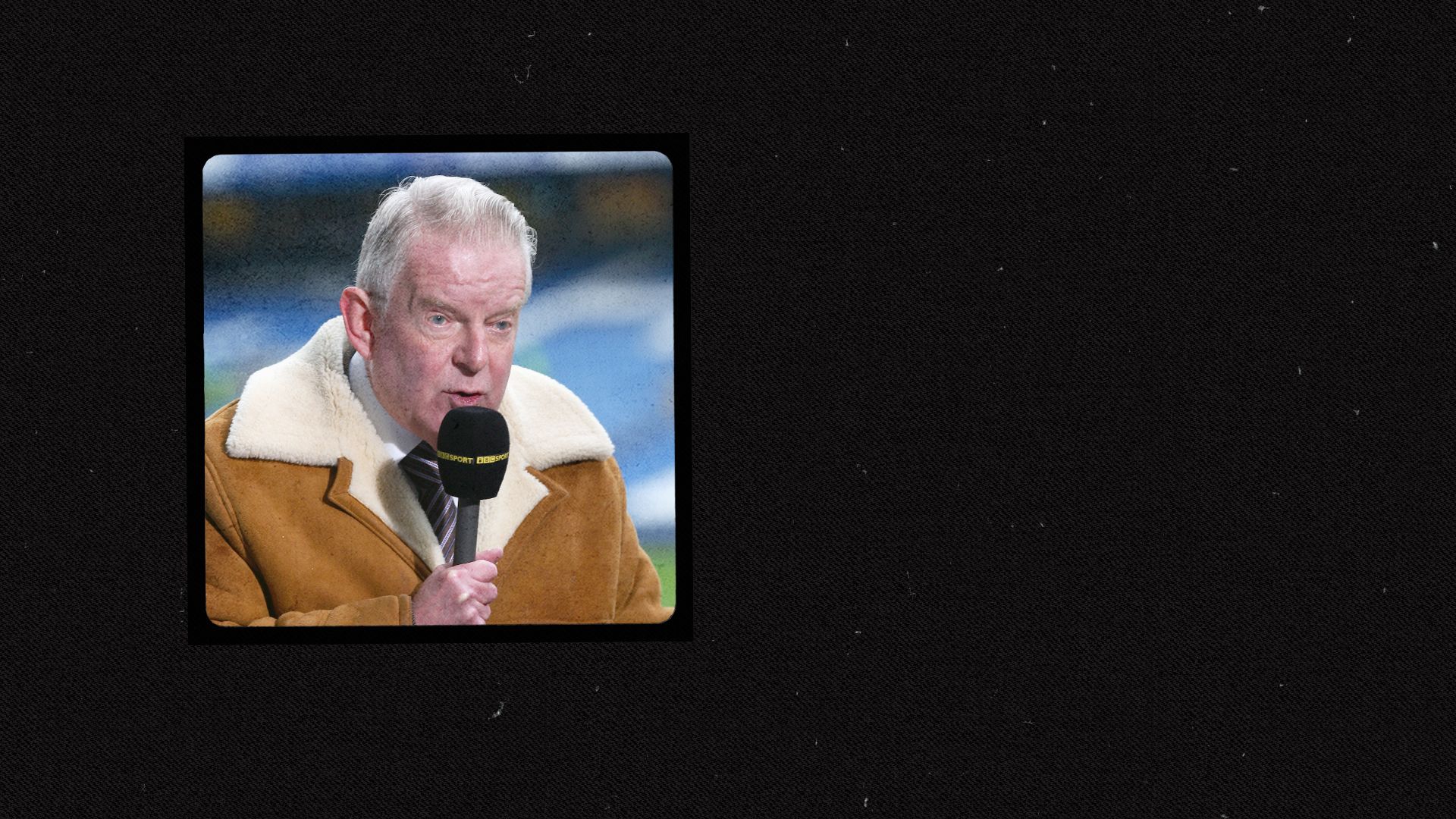
Off the cuff, without rehearsal, John spoke about the players above in one long list, one after another like he was commentating on them ahead of a match they were all about to play in. We’ve had to cut a lot of it, but the individual stats, trophies, transfers, stories all appeared without prompt. Years spent preparing, writing out commentary cards with notes on both sides, different colours for both teams, numbers and codes for each player—means that he can just reel it all off. In fact, I interrupted him twice - between Wrighty and Rooney, and Sterling and Dalglish - and it was like breaking a spell. He told me off. Both times.
Before we leave the pub, we ask John about how things have changed regarding commentary now. Young and old people are forging their own paths involving football broadcasting through live streaming games from their bedroom and commentating on them in different ways to millions via Twitch or YouTube or Snapchat. This part of the game has become more democratic: anyone with the internet and a computer can find the game, say what they think about it, and if listeners and watchers like it - they’ll come back for more.
“I think it's a terrific pathway and route for young commentators to develop. Marvellous,” John tells us. “They used to write to me saying, How do I get started? And I used to say well, try hospital radio or local radio if you can get in. And many of them did. But now many of them are building their careers around the time of the internet and computers and Twitter and Youtube, and I think it's only right that times change. Technology changes. I was in at the grassroots, if you like, and they're in at the second wave or the second generation.”
“I was only 26 when I did my first my first Match of the Day game, Liverpool vs Chelsea, 0-0, forgettable game, forgettable commentator. But I did improve, and I was lucky enough to become the youngest person to do the FA Cup final. And I did ten World Cups and ten European Championships. So that goes down on my CV."

We spoke to John Motson for the release of his NFT range exclusively available with FANZ.


 Built with Shorthand