Mike Dean Premier League refereeGetty

'I don't go out much now' - Wednesday Convo with former Premier League referee Mike Dean on VAR, abuse towards officials, how to deal with the star players

Mike Dean has experienced the unpleasant side of refereeing. He has "taken the stick" on the streets of England, seen his daughter get death threats on social media, and watched on as his colleagues get harassed and abused at airports. To this day, he doesn't go out with his family much - at least not in the U.K.

But refereeing, those 30 years of his life officiating? Not a single regret.

"I enjoyed refereeing, believe it or not, even though people think, 'How can you enjoy being a referee? It's going to be the worst job!' But it's not. It's just a good job. And I just loved it," Dean tells GOAL.

But he doesn't miss it - not anymore, at least. Dean retired in 2022, stepping away from the game right as digital technology - the dreaded VAR - was becoming a crucial part of the game. He didn't like it at the time, he admits. And he dislikes it even more now.

"I'd refereed in the Premier League for probably 15 years, and I've got someone in my ear telling me I've made a mistake, which I found hard. I didn't like it, and everyone knew. I couldn't get my head around it. I think the players didn't like it at first. Some still don't like it now," Dean said.

These days, when he watches from home, or does punditry work for Sky Sports, Dean sees officials not enjoying the game, former colleagues hesitating before making big decisions, hoping that technology will 'bail them out.'

But VAR is here to stay - Dean knows that. And other technologies will come into the game. Automated offsides is on the way to the Premier League, after a successful trial in the Champions League. And beyond that FIFA and UEFA will always find reasons to tweak things, Dean claimed.

More than anything, though, Dean is just grateful that he can speak his mind - and criticize the things he couldn't talk about when he was in charge.

The former Premier League referee, who spent over 20 years officiating at the highest level, spoke to GOAL USA for the Wednesday Convo - a weekly Q&A with key figures in soccer - about the challenges of being the man in the middle, the role of technology in football, and whether assistant referees will be necessary in the future.

NOTE: This interview has been lightly edited for brevity and clarity

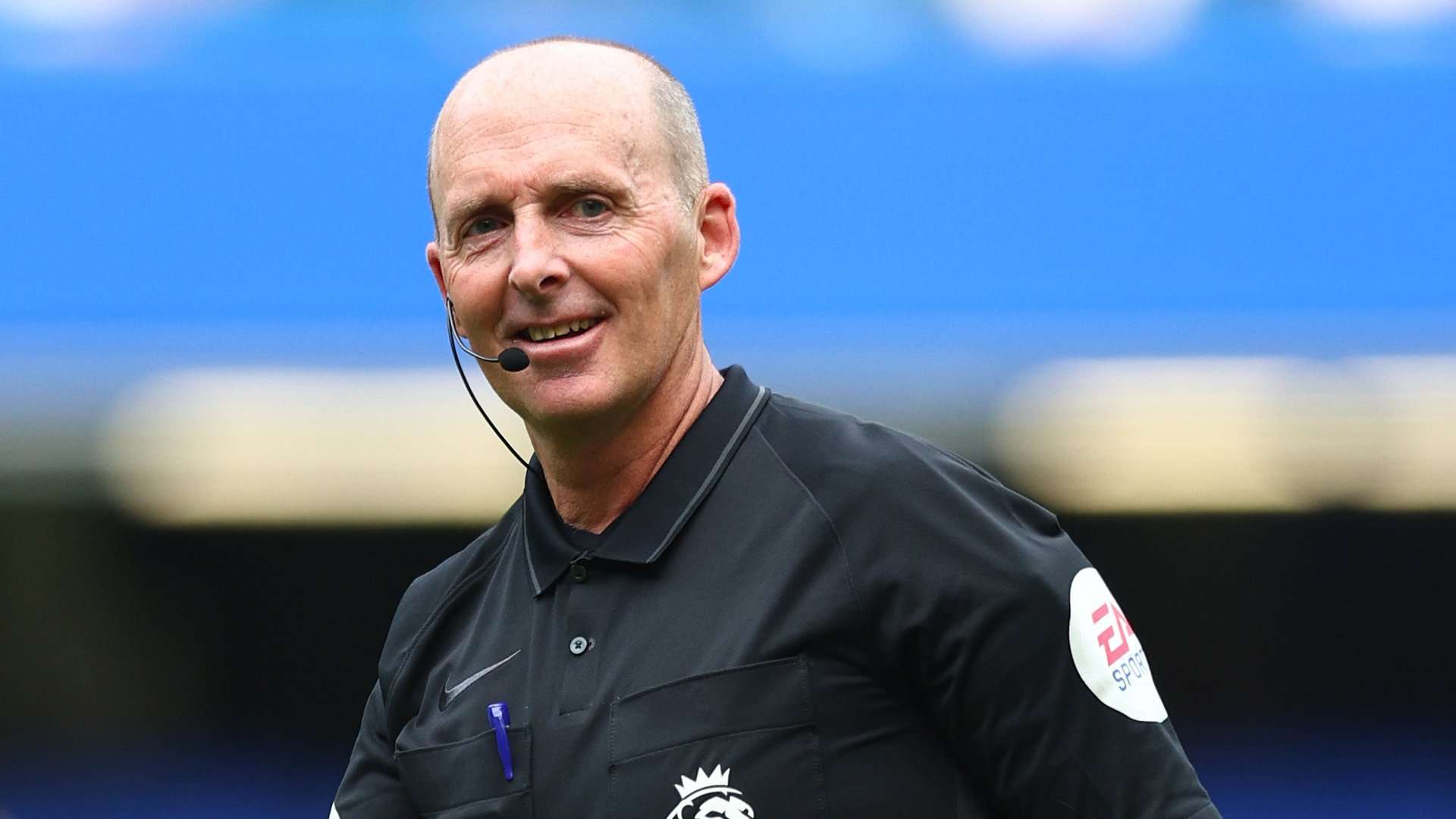
  • Mike Dean refereeGetty

    On refereeing and how it's changed

    GOAL: Let's get right into refereeing. How did it change over the course of your career?

    DEAN: Well, when I first started, it was mainly just put your kit on, go out and start refereeing. But when you move on to the higher level, nonleague, and then into the Football League, we had the introduction of buzzer flags, communication systems, people carriers to stadiums.

    You train on your own previous to moving up the refereeing ladder. Whereas now every single level in the UK you meet as groups at least, probably once every six to eight weeks and train as a group as well. Obviously, the Premier League lads and the Championship guys meet every two to three weeks, and train as a group for two or three days and go over previous stuff. Whereas you go back 20-25, years, there wasn't even any laptops that we were given to look at clips and things like that. But there are loads of things to access now on portals, where you look at team setups and refereeing setups, previous, clashes between the two teams. Whereas, 25-30 years ago, there's nothing like that at all. It was a case of watching a little bit of Match of the Day on TV and then just reading stuff in the newspaper.

    So it's moved on massively. And I think you speak to me again, another 10 years time, it will probably have moved on even further than that. So I think we'll end up having a lot more digital stuff going on in football. The automated, offside opportunity and at certain levels... whether they'll have assistant referees moving forward in 10 or 15 years time, who knows?

    Because if technology can cover all that kind of stuff, what do you need anybody there for? FIFA and UEFA, they always want to try and do something different, to try and improve it. Sometimes it's a good thing, and sometimes people are saying "Why have they messed around with stuff yet again?" Every June, there's always some little niche within the laws that they try and tinker with to try and score more goals, or try to make the game better, where sometimes if it's not broken, then don't fix it.

  • Advertisement
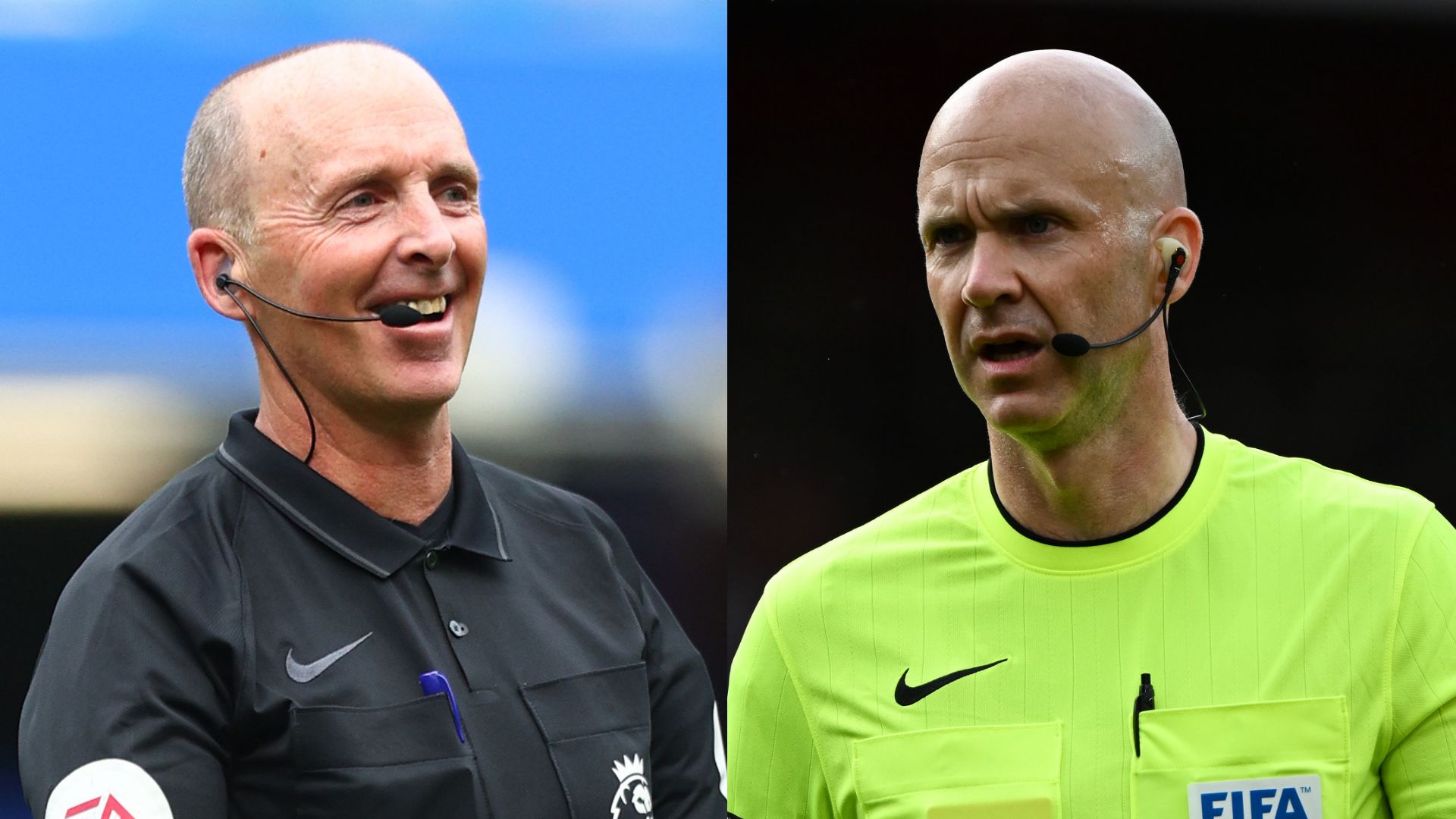
  • GFX Info Mike Dean Anthony Taylor Getty/GOAL

    On training

    GOAL: What was training like for you at first?

    DEAN: You have to work, and then you have to go and do your stuff after work. So, if you work a normal day job, we used to just run on the street. That's all it was: do five miles here, 10 miles here. There were no pitch sessions you could do, even though you could probably make some yourself. Everybody all thought, as a referee, especially going back 20-25 years you just ran at night time after work, five or six miles a night, or two or three mile jog every night, and that probably takes you over the weekend. And to be fair, 30 years ago, that probably would have done you. It would probably would have done players as well!

    Refereeing has moved forward now. We've done our own thing. We didn't have to download any data whatsoever, because there's no such things then, as heart rate monitors and GPS trackers and stuff. When I went full time in 2000 we all got a training plan every week, and we have to cover that strictly every week. Now, after every session that they were given to us, you have to download on your watches, downloads your iPads and computers. And people keep track of what you were doing. So it's moved on massively compared to what it was.

  • Arsene Wenger Mike DeanLaurence Griffiths/Getty Images

    On refereeing decisions

    GOAL: You must get asked about decisions all the time. And I am curious, what's the best refereeing decision you've ever made? Does one stick out? Or do you ever think 'yeah, I've definitely got that right there?'

    DEAN: There's not many bad decisions you make in a game. There's only major ones that really stick out, where you think "I should have done that, and should have done this." And there's nothing that sticks out. I think every decision you make is probably a good one in your mind. So there's not one sticks out where I've said "yeah I'm made up with that, because it led to that," you know?

    I've played some advantages in my time and goals have been scored, and you're talking on the earpiece to the lads on the line. 'This could do with going in because it looks good from our point of view.' I know referees will get some good publicity. I've had some over the years, both as the ref and the VAR, unfortunately. But nothing sticks out as "that was my best decision."

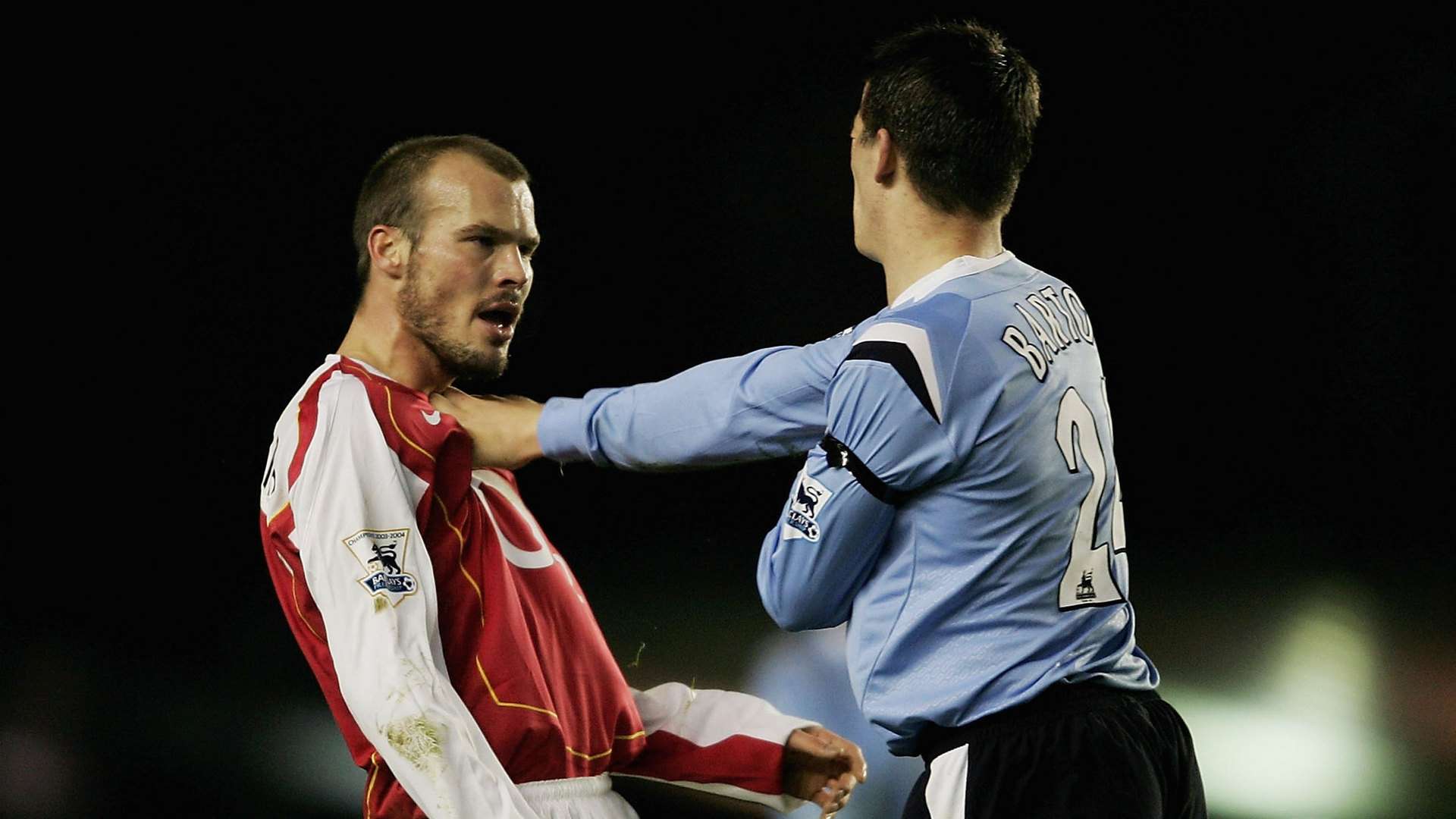
  • joey barton Getty Images

    On controlling big names

    GOAL: You've talked a bit in the past about players who are a nightmare to referee. I think Joey Barton was one you always said was hard...

    DEAN: Joey was the kind of guy that if he was going to do something, he'd stick out like a sore thumb. He couldn't do nothing discreetly, because everybody was kind of like looking for him in a roundabout way. The players would be watching him, coaches, the fourth official may well keep an eye on. But that's the kind of player you want sometimes, and obviously the way the game has moved forward in the last 15 years, people like Joey, Robbie Savage, I have mentioned Craig Bellamy as well, and Craig was always hard work on his day.

    But you can't really have players like that playing anymore because you because they can't they can't afford to lose them. So, somebody gets sent off two or three times a season, they'd be out at least 10 games a season. You've only got 38 games, so you lose a quarter of the season.

    There's not many players now in football, or in the Premier League who like the older style of football. You look at shin pads, and people are putting on shin pads that are like a piece of tissue paper. It's a contact sport, so people have still got to start wearing the right equipment, even though they are FIFA approved. You go back 20 years, you have to wear shin pads, big, thick ones. Now they're wearing like a playing card with a bit of sponge in the back. I think sometimes players are wearing that because they know people can't really tackle the way they could tackle 15 years ago, because A, they can't get away with it, B, if they do try and get away with it VAR will stamp down. So it's a catch 22 situation for players nowadays.

    GOAL: When you're managing those big personalities, what's your style? Do you have a rapport? Are you talking to them in advance, saying "this is how I'm going to referee this game?"

    DEAN: You can say a lot of things pre-match, you can go in the dressing room. But as soon as the whistle goes, that all goes out of the window. When I was a referee, I was a big communicator on the pitch. I'd talk all the time, nonstop, for 90 minutes. When players are doing one or two things where you think "what's he doing there?" You just have a little word when you go by and try to manage as much as you can. But there's only so much you can do before you start doing the discipline side of things, you know? So I was just a good talker, a good communicator. I think the players kind of understood what I was doing, trying to, get players on my side. You want players on your side, rather than players against you.

  • Mourinho Anthony Taylor Getty Images

    On abuse towards referees

    GOAL: There's a lot of abuse directed towards referees at the moment. I think about the one after the Europa League final in 2023, when Anthony Taylor was basically attacked at an airport, for one. What do you make of all of that? And when you were refereeing, how did you deal with it?

    DEAN: With your first point, that obviously should have never happened. There should have been security people in there or an isolated or a secluded area where you shouldn't go, or a sterile area where the referee can only go... Then he had the thing with his family at the airport. Again, that shouldn't have happened. Things like that unfortunately do happen. It happens all over the world. And everybody says, "oh, it's all English referees that are always getting in trouble." It's all over the world, any kind of referee in any country. Because the Premier League is one of, if not the biggest league in the world. It gets highlighted more when you make a mistake.

    So I think referees in every country throughout the world, that's the same, with abuse from manages and players and things. That was an isolated incident and I don't think it'll happen again. Even though it's an awful thing to say, sometimes you need something like that to happen so that UEFA and security to be like, "that's never, ever going to happen again." They obviously would have had feedback from everybody on the file, feedback from the referee as well. Do your fly out the following day after a final? Or just stay there for a couple of days, let all the supporters go, and then go out yourself after that? Rather than go to the airport 12 hours after you've reffed a European final, which is a very strange decision as well. It's just one of them things.

    GOAL: And then on the second point of that. When you were refereeing, did people on the street have a go at you? Or say anything?

    DEAN: I was a good communicator. I wouldn't try to be in the spotlight, but I always kind of enjoyed my job. I enjoyed refereeing, believe it or not, even though people think, "How can you enjoy being a referee? It's going to be the worst job!" But it's not. It's just a good job. And I just loved it.

    I did miss it when I first finished. But you get a bit of banter off a few players, a few people in the street now and again, which I kind of ignore. I don't go out much now. Even when I was refereeing, when I got home from games, we never used to go out to save any hassle with my wife and family.

    I go abroad quite a bit to Spain. And when I go abroad, people just want to talk to you, they want to talk to you about football. They don't give you any grief. I'm lucky, because I've finished it's dead easy to communicate and say one or two things I can say now than what I couldn't say five years ago when I was active.

    I had one major incident four years ago where I sent off Tomas Soucek for West Ham by the VAR. And I probably should have stuck in the on field decision. My daughter got death threats and things on Instagram and Facebook and stuff. That was the kind of thing where I took a back seat for a couple of weeks and just disappeared and just recharged the batteries. And it's not nice having police come to your house every two or three hours because there's somebody outside.

    But it does happen, as I said before, it's not just in the UK. And you see things that happen abroad that are 10 times worse, especially in certain countries throughout the world, which I won't name. What happens over here is probably headline news on a Monday, and by Tuesday or Wednesday, everybody's moving forward to the following week. It's handled so much better here. I refereed to West Ham probably six weeks after that, and spoke to Soucek, who I sent off, and everything was clear by then. I've refereed West Ham many times since then, before I finished. So it's not a major issue, just one of them isolated incidents. Unfortunately, as a referee you've got to and die by your decisions.

    GOAL: So you could just move on?

    DEAN: Yeah, but I think if you don't move on from it, you just get stuck in a rut. So I took a back seat after that one for a week or two. But if you do make a bad decision on a Saturday, and it's a major, big decision, I'd rather referee the week after to get it out of my system, and then have the following week off. Because as referees, we can ask if we want a weekend off, or we can say I'd rather referee next weekend and get what I've done this weekend out of my system, and then the week after, just give me rest before the fourth official or VAR, or just don't give me a game full stop.

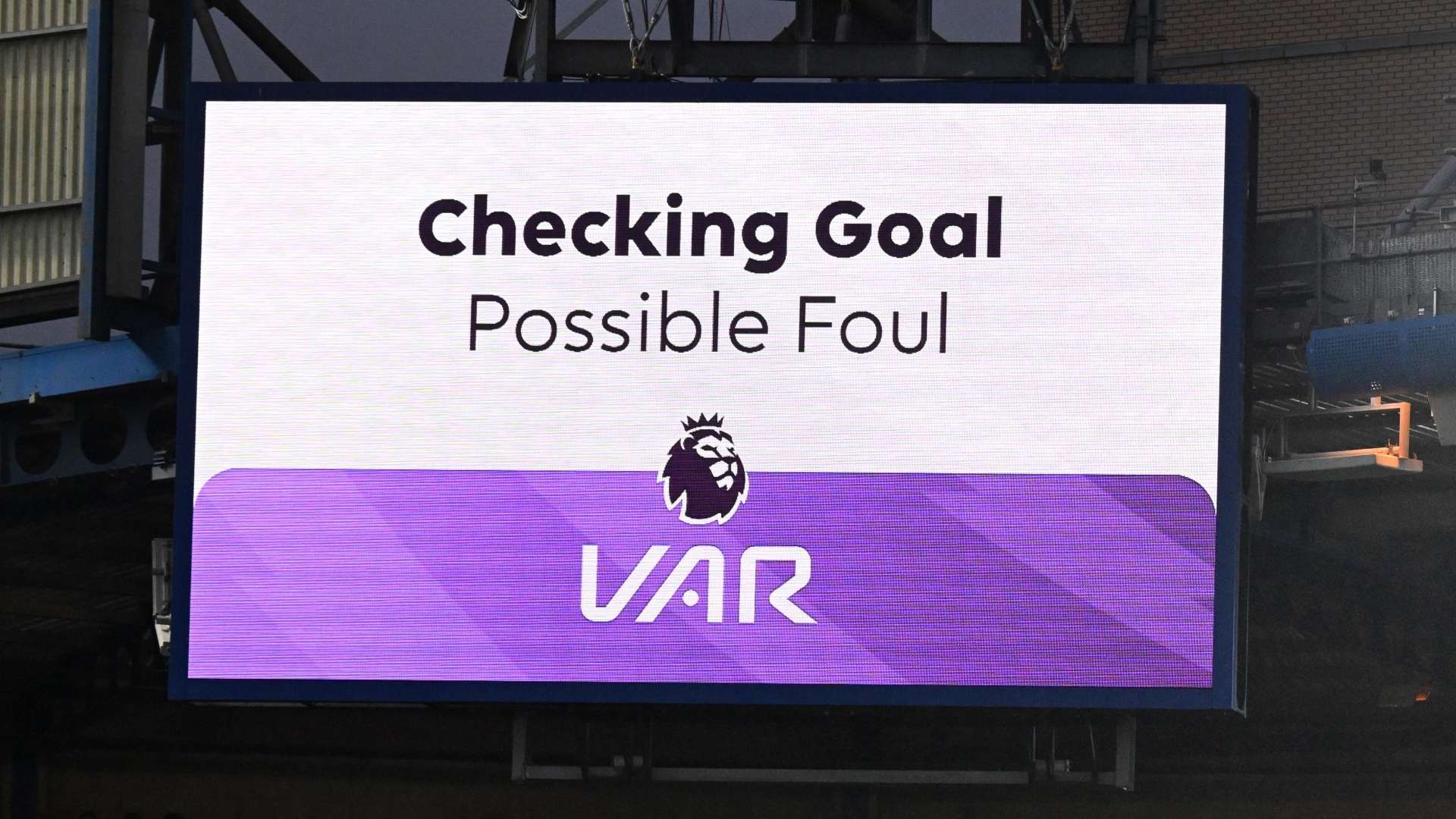
  • VARGetty

    On VAR

    GOAL: On VAR, as a referee, does it make the game harder? Is it as brutal as everyone suggests?

    DEAN: It made it harder to start with. I'd refereed in the Premier League for probably 15 years, and I've got someone in my ear telling me I've made a mistake, which I found hard. I didn't like it, and everyone knew. I couldn't get my head around it. I think the players didn't like it at first. Some still don't like it now. I think some referees don't like it now. But the way the game is, it's never going to go away. It doesn't matter, even if they have a vote in the UK, fans have a forum or manage to say "we don't want anymore," it'll never go. It's here for good.

    If we lose the VAR anywhere in our league, then I think it affects also our referees to go and referee in certain European competitions, because you have to have VAR in their country. So it's never going to go away. The more we use it, it is getting better.

    It will get better when we get the automated offsides. There's people who used to work as referees and assistant referees who are now working with a company to try and get the best system in. I think the clubs have said, "well, if it's not right, we don't want to chuck it in the middle of December and see if it and see if it works." I hope it's going to work.

    I'd be astounded if it wasn't for next season - absolutely astounded. It should have been in by now. You see how quick it is in the Champions League with the automated offside, where you get the replay on the screen with the white line across. We can see the player's body just leaning forward, or the defender's foot just playing them onside by a little bit. Freeze Frame that spot on the screen and stadium, and it does make it a lot easier. There will still be debate about it. People still say the person's not interfering, but that's what football's about. It's all of our opinions sometimes, isn't it?

    GOAL: Does it take the fun out of refereeing?

    DEAN: I don't think I'd enjoy it now, refereeing, because there's a bit more high profile stuff now with VAR. But I think even watching sometimes, I think some of the referees don't enjoy refereeing.

    GOAL: You can tell?

    DEAN: Yeah. I'm watching guys who I know very, very well, and I think they just just feel uncomfortable with it. They'll make a decision, say "That's fine. That's definitely a penalty, 100 percent." And then there'll be a bit of doubt, then they'll be touching their ear, because they'll be asked to just take a look at this or that. You've still got options out when you go to the screen and get to see your own decision. But I just think some guys don't look as though they're enjoying it. Some of the newer guys coming through are still a bit unsure with it. They're not making the big decisions in the stadium, in my opinion, where, if they make a mistake, the VAR will back them up.

    The more decisions they make on the pitch, I think the players will be more happy with that, rather than just waiting for the VAR. But if you make a decision, be firm. Make a decision. If the VAR says "yes," fine. If the VAR says "no," fine. I've seen a few instances where the referee couldn't pick up, and the VAR helped out, made the correct decision, and players accepted, because they knew what's going to happen. But it's getting there slowly.

    But every time we think we're just going to get there, FIFA or UEFA will just come in again, it's all different, with new protocols and things. The only thing I'd like to try is sometimes if you give a corner, and it's clearly not a corner, I'd like to be able to say "it's not a corner." You can give a goal kick, even though it's re-refereeing, because if they score from a corner, it's still a wrong decision, but you can't get involved with restart to play. I'd like stuff like that. If you give a corner, and someone scores, a team wins 1-0, and there's literally no deflection when the ref thinks there is, and there isn't one, and that cost him. I'd like to see maybe the VAR saying to the referee "it's not a corner now, just give a goal kick." And I think players accept that as well.

  • Arsenal FC v Manchester United FC - Premier LeagueGetty Images Sport

    On set pieces

    GOAL: It's funny you bring up set pieces, because this has been such a point of contention. Arsenal have been great at it, putting a man on the keeper and everything. What do you make of that? It seems that some things are not fouls on corners but would be in open play? Is it a loophole?

    DEAN: The challenge you have as a referee is that the difference in consequence to give a foul in midfield versus the consequence to give a foul on a goalkeeper or a penalty is massive. It's huge. You wouldn't give a penalty kick for a tiny little nudge, but, you would do on the halfway line, because you want to manage the game a little bit better.

    I mean, the delivery from Arsenal's corners are unbelievable. Sometimes you just can't defend them. They're that good. They must practice and practice and practice, and they do score that many goals from set pieces, because they are that good. And, you know, if you get two or three people in front of the goalkeeper and don't touch the goalkeeper, there's nothing wrong with it. Players don't have to get out of the way to let the goalkeeper get past. The goalkeepers are trying to get the player to run into him and try and get a free kick, or look for some other way of getting to the ball before the attacker.

  • Mike DeanGetty

    On what's next for him

    GOAL: What's next for you? I've seen you're doing a lot of American stuff...

    DEAN: I'd like to get over there and try and do stuff. Obviously, we've got the Club World Cup next year, which would be a good avenue to try and get into it. I mean, [Major League Soccer] has definitely taken off. Even players, 10 years ago, they were going over 33-34 just to, like, fill the pockets for a couple of years. But now players are going in the mid 20s. Some are saying it's a good decision, some are saying it's a bad decision. But the standard of football has got a lot better now than what it was even 10 years ago, which is good. You've got better coaches over now, over there, now better players. People want to play football now. And 15-20, years ago, they didn't want to play. It's kind of an avenue that people are going into now, and the coverage is a lot better now over in the States, where was probably 15-20, years ago, it wasn't covered as much. I think every game you can watch over there on the TV, which is a good thing for your side.