Arsenal 21st Century rankings GFXGOAL

Thierry Henry, Bukayo Saka and the 25 best Arsenal players of the 21st century - ranked

Arsenal began the 21st century as one of the best two teams in England. Twenty-five years on, they are in the same position. However, the years in between saw the club's fortunes fade considerably.

While the early 2000s represented one of the greatest eras in the Gunners' history, capped off by the iconic 2003-04 Invincibles season, the 2010s were characterised by disappointment as Arsene Wenger struggled to continue to weave his magic in a fast-changing footballing landscape.

At the end of that decade, the arrival of Mikel Arteta kickstarted the process of Arsenal returning to title-contender status, but that journey has been far from painless, with the Spaniard overseeing some of the toughest seasons in living memory.

But even when Arsenal have experienced lean times, there have always been plenty of amazing players to help keep fans entertained. From the mentality monsters who inspired the Premier League title-winning campaigns, to the new heroes who have helped restore the good times under Arteta more recently, GOAL ranks the absolute cream of the crop from the past quarter of a century...

Follow GOAL on WhatsApp! 🟢📱
  • Wiltord Arsenal Getty Images

    25Sylvain Wiltord

    When Sylvain Wiltord latched onto Freddie Ljungberg's strike against Manchester United in May 2002, he ensured he'd never be forgotten by the Arsenal faithful. That scrappy goal secured the Premier League title, and it wouldn't be the last time the Frenchman would make a decisive contribution to his team's success, as he also set up Ray Parlour's stunning goal in the 2002 FA Cup final.

    Although Wiltord would often play second fiddle to Thierry Henry and Dennis Bergkamp, he would always cause problems whenever he was introduced from the bench or started as a right winger. If not for his inflated fee - he would remain Arsenal's club-record signing for eight-and-a-half years until the arrival of Andrey Arshavin - he'd likely be even more fondly remembered in north London.

  • Advertisement
  • Bacary Sagna ArsenalGetty Images

    24Bacary Sagna

    Bacary Sagna is an interesting case. Signed amid relatively little fanfare from French side Auxerre in 2007, he left for Manchester City seven years later with only one piece of silverware, an FA Cup in his final season, to show for his efforts. Yet, although Sagna's trophy cabinet is hardly bulging, he never let Arsenal down at right-back.

    Other defenders of his era offered more offensively, but when it came to stopping his opposite number, he was among the world's elite. Dominant in the air and on the ground, he took plenty of knocks but never stayed down for long. Sagna would eventually appear close to 300 times for the Gunners and only left after becoming frustrated that Arsenal were letting their best players depart.

  • Laurent Koscielny Arsenal Getty Images

    23Laurent Koscielny

    Laurent Koscielny was Arsenal's defensive kingpin for close to a decade. Admittedly, he made a slightly shaky start, but once he established himself, he became impossible to dislodge from the starting XI.

    What made the Frenchman so effective at centre-back was his freakish agility. Even when the Gunners' high line was breached, Koscielny had the legs to get back and mop up the danger. He could pass it too, spraying laser-focused raspers into the Arsenal front line several times a game, while he even had a knack for scoring important goals.

    His career ended in disappointing fashion, with Koscielny refusing to attend the club's pre-season tour of the United States in order to force a move back to his native France. Still, what a player he was in his prime.

  • Aubameyang Arsenal Getty Images

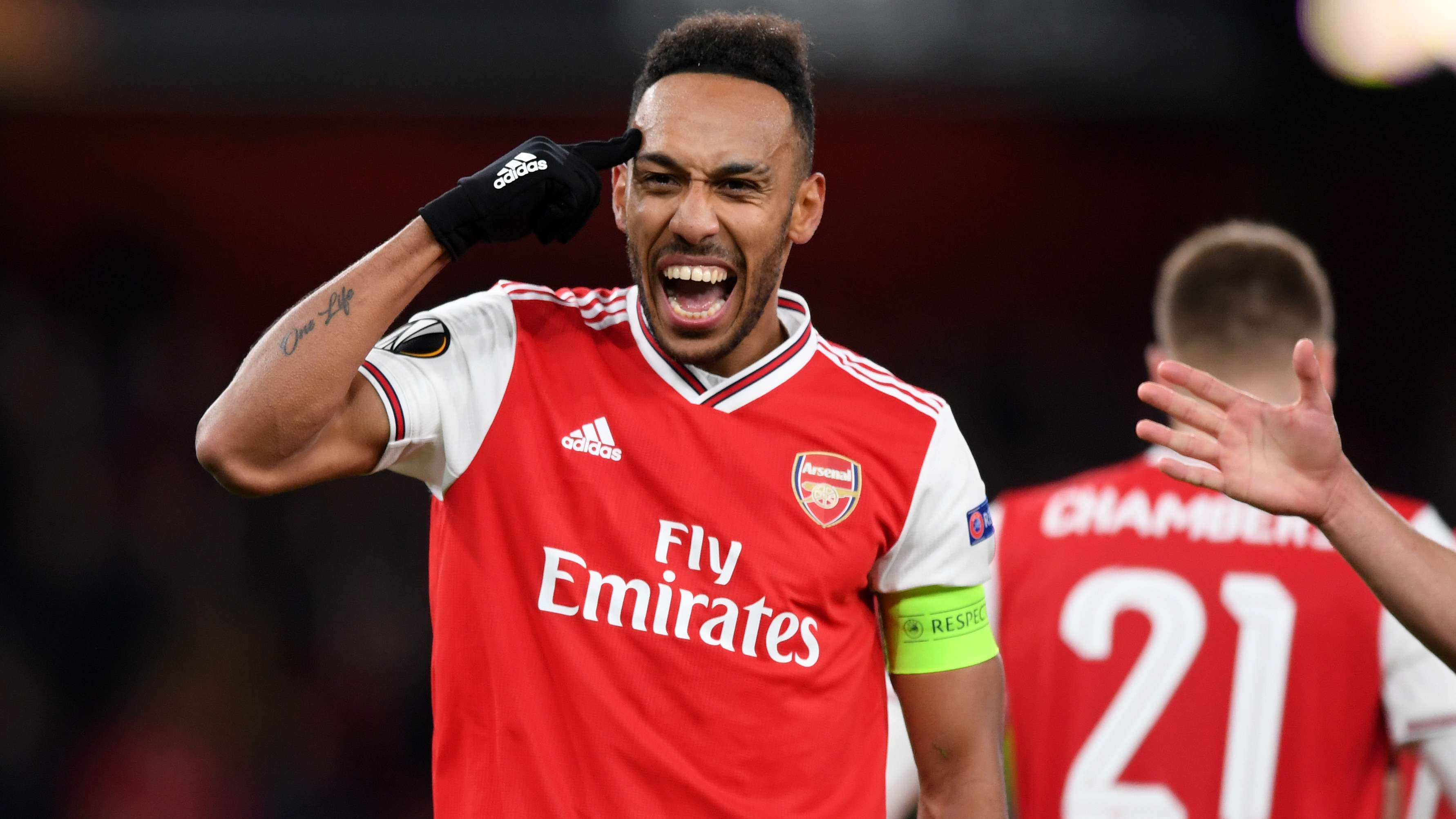
    22Pierre-Emerick Aubameyang

    Forget how it ended, before Pierre-Emerick Aubameyang was sent packing by Mikel Arteta, his time at Arsenal was filled with goals, goals and more goals. In the end, he racked up 92 strikes in just 163 appearances, a strike-rate superior to all but the very best centre-forwards that have graced the Premier League.

    During his first half-season in north London, he registered more goal contributions than appearances (14 in 13 games) and he followed up this incredible start with successive 22-goal league campaigns in 2018-19 and 2019-20. After that, things got more tricky, but without Aubameyang, Arsenal would not have savoured FA Cup success in 2020, with the Gabon international grabbing a brace at an empty Wembley against Chelsea.

  • Ray Parlour Arsenal Getty Images

    21Ray Parlour

    Speak to your average football fan and Ray Parlour's name will not provoke much enthusiasm - unless it's about his hilarious post-football career in talk radio. But to Arsenal fans, the 'Romford Pele' is a living legend.

    He came through the youth academy before diving straight into a first team with an entrenched drinking culture. Arsene Wenger's arrival at the club might have spelled the end of an old-fashioned character like Parlour, but 'Le Professeur' opted to keep him around.

    The midfielder repaid him with a string of tireless performances throughout the late 1990s and early 2000s. Parlour was rarely a player who grabbed your attention, but his industriousness, versatility and character made him the perfect squad member. He would help the Gunners win a double - scoring a sensational goal in the 2002 FA Cup final - and complete their Invincibles season before riding off into the sunset in 2004 as the ultimate Arsenal cult hero.

  • Aaron Ramsey Arsenal Getty Images

    20Aaron Ramsey

    Aaron Ramsey treated Wembley Stadium as his personal playground between 2013 and 2017. During that period, the Welshman played in three FA Cup finals and scored the winner in two of those games, first against Hull City and then against bitter rivals Chelsea.

    This summed up Ramsey's love for the big occasion, with the midfielder also netting three north London derby goals during his spell with the Gunners. Sadly, his Arsenal tenure was also punctuated by lengthy spells on the sidelines due to injury. But the tears on the Emirates turf that greeted his eventual departure on a free transfer in 2019 showed just how much the club had meant to him.

  • Bukayo Saka Arsenal Getty Images

    19Bukayo Saka

    Bukayo Saka is well on his way to becoming an Arsenal legend. Being a graduate of the club's famed Hale End academy is certainly helping his case, but the esteem that the England star is held in does not stem from sentimentality alone. He's also produced the attacking goods with remarkable regularity.

    Arsenal's lowest ebb of the Premier League era coincided with the emergence of Saka as a bonafide starter, and it's hard to overemphasise how important this was in keeping the fans engaged when results were, frankly, pretty terrible. Over the past two years or so, the youngster has continued to develop at remarkable speed, scarcely missing a game as the Gunners push Manchester City for the title. Saka is only getting started, too.

  • Santi Cazorla ArsenalGetty Images

    18Santi Cazorla

    Standing only a shade over five-foot tall and hardly blessed with stature-defying strength, Santi Cazorla was far from your typical Premier League footballer when he arrived at the Emirates in 2012. But what he lacked in size he made up for by possessing one of the most flawless techniques in Premier League history.

    Try as they might, dispossessing the silky Spaniard proved nigh-on impossible for Arsenal's opponents in the 2010s. It was little surprise when he was crowned the Gunners' Player of the Year at the end of his debut season, having contributed 12 goals and 11 assists for Wenger's side. The two-footed phenom would continue to delight Arsenal fans en route to successive FA Cup triumphs in 2014 and 2015, and were it not for injuries, he would have brought even more joy to north London.

  • Martin Keown Arsenal Getty Images

    17Martin Keown

    After failing to make the grade at his boyhood club in the mid-1980s, Martin Keown re-signed for Arsenal in 1993 and would go on to form an important part of one of the most fearsome defences in Europe over the next 11 years. In terms of his post-2000 success, his defensive versatility was vital in the 2001-02 double-winning campaign, and while he did not feature that regularly during the Invincibles era, he still made sure to make his mark.

    Indeed, the defender was the main protagonist of the infamous 'Battle of Old Trafford' in September 2003. With the scores level heading into second-half stoppage-time, Diego Forlan tumbled over in the box following some contact from Keown. Ruud van Nistelrooy stepped up to take the penalty - and missed. Within a flash, Arsenal players surrounded the Dutchman, with Keown leading the charge. The Arsenal icon getting right up in Van Nistelrooy's face has become one of the most iconic images in Premier League history.

  • Martin Odegaard Arsenal Getty Images

    16Martin Odegaard

    Football has produced plenty of child prodigies over the past few decades. Most have faded away, failing to live up to their supposedly limitless potential. Not Martin Odegaard, though, who after breaking into the public consciousness by joining Real Madrid aged 15, has come of age as the creative fulcrum of Mikel Arteta's Arsenal side.

    After a steady start, Odegaard being made captain at the beginning of the 2022-23 season kickstarted his development into one of the best midfielders in the world. He was named Arsenal's Player of the Year two years running (2023, 2024), knitting everything together in the final third as the Gunners went perilously close to toppling Manchester City's unmatched Premier League dominance. If Arteta's side do finally get over their league title hoodoo, Odegaard will be a huge reason why.

  • Lauren ArsenalGetty Images

    15Lauren

    Perhaps the most underappreciated member of the Invincibles side, Lauren sensationally turned down a move to Real Madrid to join Arsenal in 2000. It would prove to be an excellent decision, with the Cameroon international - who was raised in Spain - featuring regularly in two Premier League title-winning campaigns.

    Lauren began life as a forward during his youth-team days, something that was immediately obvious when you saw him play. He adored bombing forward to support attacks, famously netting a pivotal winner in the north London derby in 2002, but was an intense competitor in a defensive sense, too. His relationship with Freddie Ljungberg was particularly strong, with the duo causing havoc to many a left-back down the years.

  • Kanu Arsenal Getty Images

    14Nwankwo Kanu

    Thanks to the presence of Thierry Henry and Dennis Bergkamp, Nwankwo Kanu was never the main man at Arsenal, but that did not stop him becoming an extremely popular figure on the terraces. Known for his outrageous skills, the lanky Nigerian had the grace of a ballerina, tantalising defenders with the ball before dragging it out of their reach in a flash.

    He wasn't immediately adored by the Gunners faithful, however, with his low-intensity style taking some getting used. A string of amazing goals and a hat-trick against Chelsea just before the turn of the millennium soon changed that, though.

    "Chim chimney, chim chimney, chim chim charoo, who needs Anelka, when we’ve got Kanu," the fans sung. By the time he left in 2004 he had two Premier League titles - and a place in Gunners folklore - under his belt.

  • Alexis Sanchez ArsenalGetty Images

    13Alexis Sanchez

    When he joined Arsenal from Barcelona in 2014, Arsene Wenger predicted that Alexis Sanchez would bring "power, creativity and much quality" to his frontline. This prediction proved to be spot on, with the Chilean swiftly emerging as one of the Premier League's top attackers in his first season, scoring 25 goals and racking up 12 assists, including one of each in that year's FA Cup final.

    He continued to thrive in the years that followed, peaking with a 30-goal campaign in 2016-17 which saw him named Arsenal's Player of the Year for the second time, while he also scored in another victorious FA Cup final. Sanchez would join Manchester United the following January, a move that did not work out for any of the parties involved. In fact, he even asked his agent to return to the Emirates after his very first training session.

    "They laughed, I told them there's something that doesn't sit right, it doesn't seem good," he said in 2020. "But I already signed, I was already there. After the first few months I carried on having the same feeling, we weren't united as a team in that moment."

  • Arsenal's German Goalkeeper Jens LehmannAFP

    12Jens Lehmann

    Few players fit the stereotype of goalkeepers being a little bit crazy better than Jens Lehmann. Filling the gloves of legendary shot-stopper David Seaman was never going to be easy, but the German was not fazed by the challenge. Yes, there were a few hairy moments, with Lehmann's aggressive, brave and sometimes stupid style leading to a few mistakes, most notably in the 2006 Champions League final when he recklessly hacked down Samuel Eto'o. Ultimately, though, Lehmann presence was a net-positive during his time with the Gunners.

    The German did not miss a single second during the club's unbeaten Premier League campaign - his first season with Arsenal - while he also holds the record for the most consecutive clean sheets in Champions League history. After receiving rapturous applause on what was supposed to be his final Gunners appearance in 2008, Lehmann would actually come out of retirement to help his side during an injury crisis a few years later - giving the Invincible another chance to take in the adulation of the fans.

  • Kolo Toure Arsenal Getty Images

    11Kolo Toure

    Kolo Toure's route to the top was an interesting one. Signed by Arsenal from Ivorian side ASEC Mimosas in 2002, he was fielded in various positions before an injury to veteran Martin Keown opened the door for him to play his favoured position, centre-back, ahead of the 2003-04 campaign. Toure could not have picked a better place to develop, too, as Keown and Sol Campbell both took the youngster under their wing and he soon established himself as an assertive presence at the back, missing just one Premier League game that season.

    "It meant a lot to me. Martin was coming to the end of his career, but he was a great support, and gave me the platform to express myself," Toure reflected in an interview with the club's website recently. "He never saw me as a threat for him, or a rival, he saw me as a young brother who he could help make the team better."

    Toure would remain a key figure in the Gunners starting XI until his untimely departure in 2010 amid a feud with former centre-back partner William Gallas. "When you play with somebody and you don't even talk to each other on the pitch it's really difficult," he admitted toThe Guardian.

  • Ashley Cole ArsenalGetty Images

    10Ashley Cole

    Ashley Cole is hated by Arsenal fans. But if one ignores the controversial 'tapping-up' allegations that preceded his infamous exit to Chelsea, there's little doubt that he deserves a spot in this list. Before Jose Mourinho dulled his natural instincts to attack, Cole crafted a reputation as a free-spirited and offensively-minded full-back in north London.

    He featured regularly in both of Arsenal's Premier League title wins this century and was voted into three successive PFA Teams of the Year between 2003 and 2005. Arsene Wenger even revealed that letting Cole depart was the biggest regret of his career back in 2018. "[He] left the club and I think it was a misunderstanding for a few thousand pounds," he wrote in his autobiography.

  • Robin van Persie Arsenal Getty Images

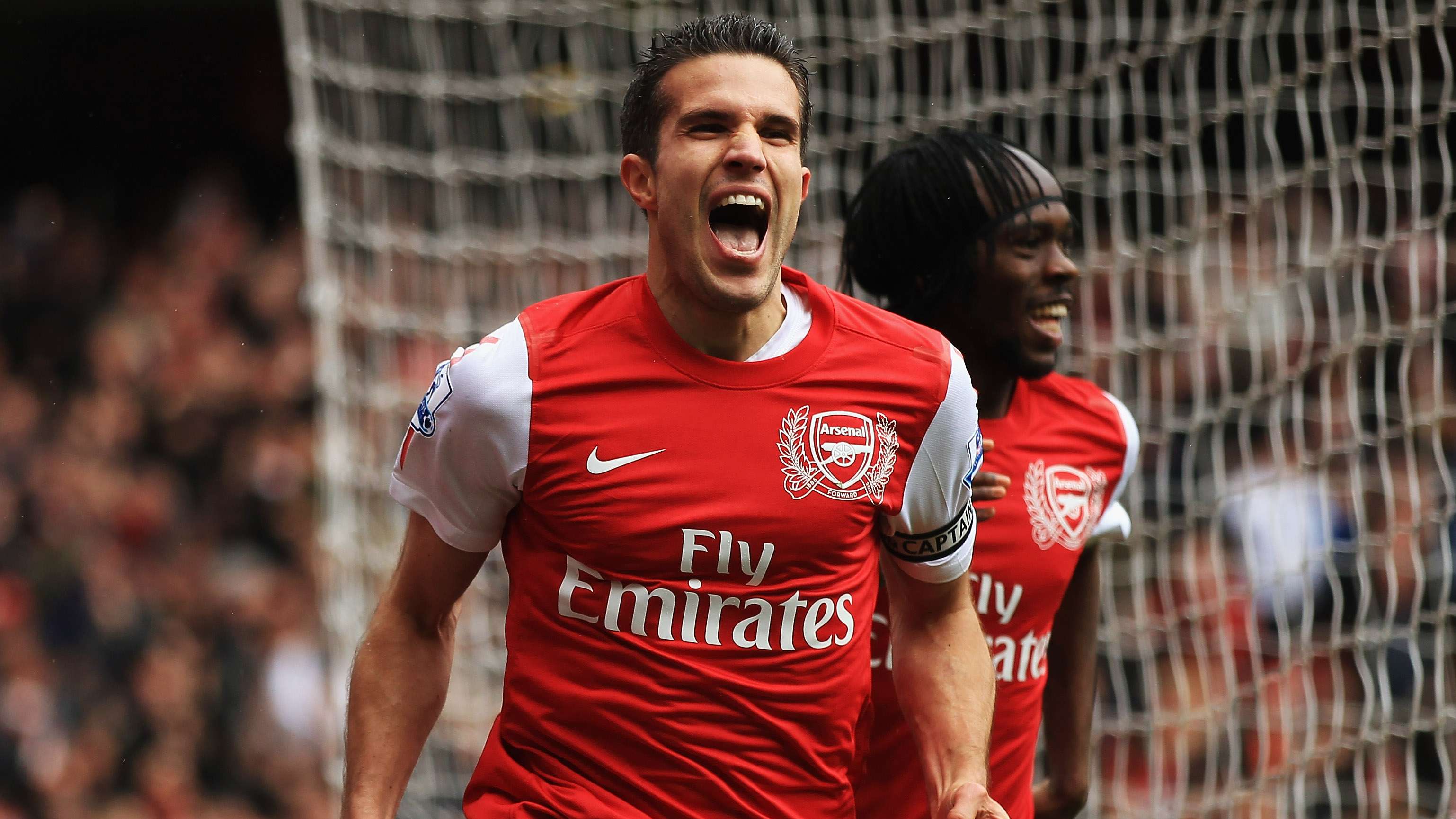
    9Robin van Persie

    It might seem strange to say considering his position in the pantheon of great Premier League strikers, but Robin van Persie could have done so much more if it wasn't for injuries.

    The Dutchman's Arsenal career was somewhat of a slow burn. Arriving at the club as a relative youngster, his spell crescendoed with two world-class seasons in which he returned a combined 48 Premier League goals in only 63 matches.

    Of course, like several others on this list, he would depart in less-than-ideal circumstances when it comes to legacy building, opting to link up with Sir Alex Ferguson at Manchester United after a 2011-12 season which ended with him winning the PFA Players' Player of the Year. In his autobiography, Arsene Wenger revealed that Van Persie asked to come back to the Emirates in 2015, but the Frenchman turned him down, denying him the chance to make amends for a decision that many supporters saw as a betrayal.

  • Gilberto Silva Arsenal Getty Images

    8Gilberto Silva

    Gilberto Silva's nickname, 'The Invisible Wall' nicely encapsulates his contribution to Arsene Wenger's side between 2003 and 2008. Earning his Premier League transfer after an outstanding World Cup for Brazil, Gilberto was the perfect defensive midfielder for how Arsenal wanted to play.

    An excellent reader of the game, his anticipation allowed Patrick Vieira to roam and gave both full-backs license to push higher up the field. Gilberto himself had plenty to offer in possession, too. He contributed four Premier League goals during the Invincibles season, before exploding a few years later, netting 11 times in all competitions during the 2006-07 campaign.

    Gilberto may not be the most eulogised player of this era, but he was key to all the success the Gunners enjoyed.

  • Cesc Fabregas Arsenal Getty Images

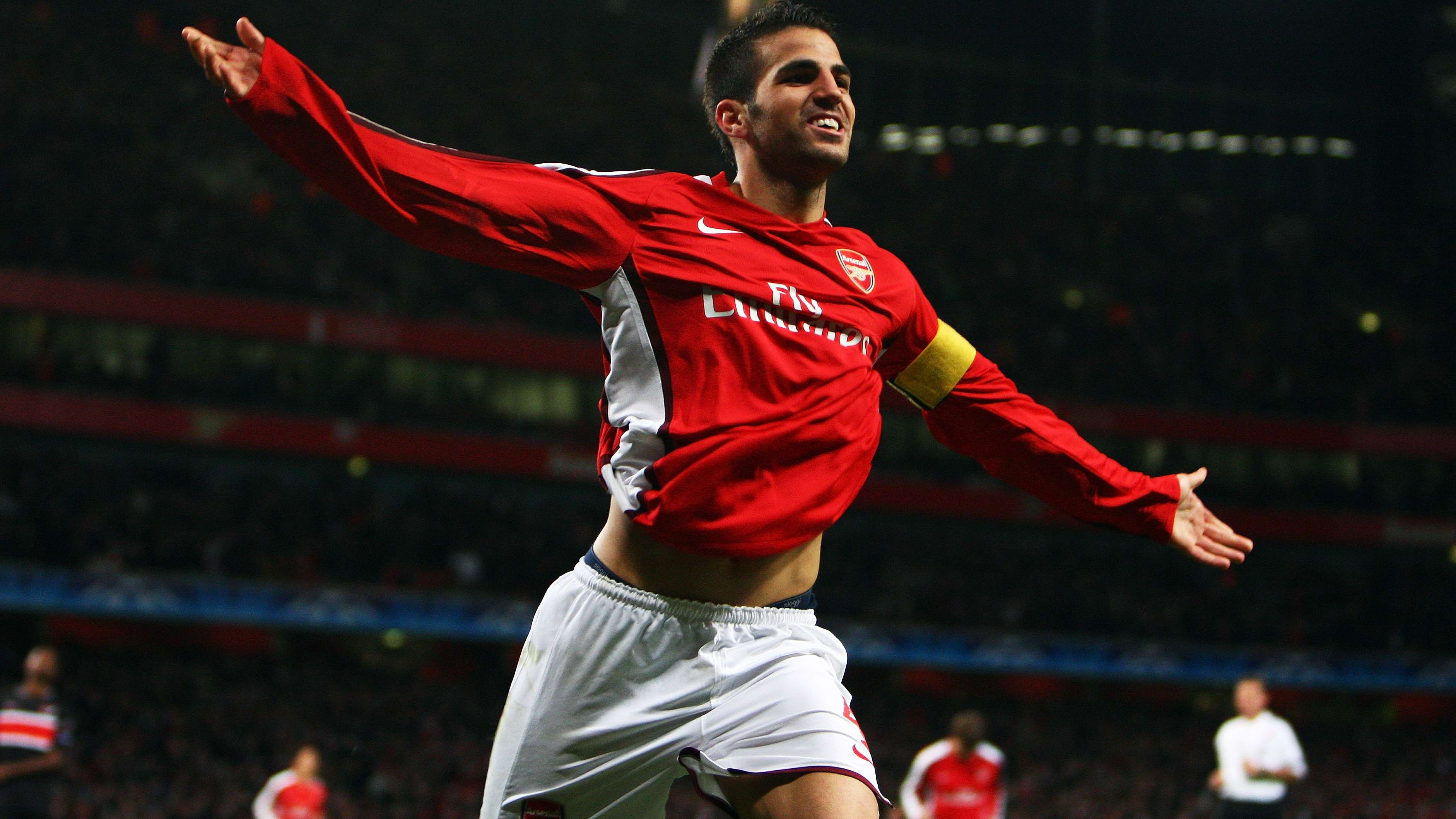
    7Cesc Fabregas

    Even if you were not aware of his footballing backstory, it did not take long to spot that Cesc Fabregas was a product of the famed La Masia academy when he broke into the Arsenal first team as a teenager. Barcelona would eventually realise their mistake, re-signing Fabregas for an exorbitant fee in 2011 after the Spaniard developed into one of the best midfielders on the planet.

    Although he would leave with just one piece of silverware to his name, the enjoyment Fabregas gave the Gunners' faithful was immeasurable. His side's long-term creative fulcrum, he ended the 2007-2008 campaign with 20 assists - still a Premier League record - and racked up a startling 30 goal contributions in 2009-10.

    His decision to join fierce rivals Chelsea when he left Barcelona in 2014 was a bitter pill to swallow, but that does not take away from just how wondrous his displays were during his time at Arsenal.

  • Sol Campbell Arsenal Getty Images

    6Sol Campbell

    Sol Campbell became the most-hated man in Tottenham when he shockingly crossed the north London divide back in 2001. The transfer saw him christened 'Judas' by the Spurs faithful, but in purely footballing terms, the decision turned out to be an inspired one for both Arsenal and Campbell.

    He missed just seven games as the Gunners secured Premier League and FA Cup titles in his first campaign, and his importance would only grow following the retirement of Tony Adams at the end of that season. The imposing centre-back would be voted in the 2002-03 and 2003-04 PFA Teams of the Year, before starring in his side's run to the 2006 Champions League final. He even scored the opener against Barcelona in Paris, but left the club shortly after.

    He'd make a surprise return partway through the 2009-10 season, though, answering the call in the midst of a defensive injury crisis.

  • Freddie Ljungberg Arsenal Getty Images

    5Freddie Ljungberg

    The Premier League did not know what had hit it when Freddie Ljungberg and his red streak of hair burst onto the scene in 1998. Netting on his Arsenal debut - against Manchester United no less - after being introduced as a substitute, his best stuff in a red shirt would come after the turn of the millennium.

    Following an injury to Robert Pires, Ljungberg finished the 2001-02 double-winning season as a starter and made the most of opportunity, scoring six times in his side's final eight Premier League games to help get them over the line in the title race. He also netted in that year's FA Cup final triumph over Chelsea.

    Ljungberg played a similarly important role in the Invincibles season and would leave with over 300 appearance and plenty more iconic moments to his name.

  • Robert Pires Arsenal Getty Images

    4Robert Pires

    Robert Pires was not an instant hit in north London. Tasked with replacing Marc Overmars in 2000, he would not register his first Premier League goal until October. Eventually, though, he very much found his feet. An unstoppable dribbler with a deceptive eye for goal, Pires' box of tricks and feints struck fear into the heart of any full-back tasked with stopping him.

    At the end of his second season at Arsenal - where he scored 13 times and registered 18 assists as the Gunners clinched a famous double - he was named FWA Footballer of the Year despite being struck down by an ACL injury in March. When the Premier League trophy was presented in May, the entire squad even bowed down to him in the ultimate show of respect.

    This was Pires' crowning moment, but he remained just as exciting in the years that followed, before finally moving to Villarreal in 2006 having made close to 300 appearances in all competitions.

  • Patrick Vieira Arsenal Getty Images

    3Patrick Vieira

    Patrick Vieira was so dominant that when he left Arsenal in 2005, the club spent well over a decade struggling to replace him. Really though, filling the void he left was never going to be possible. He was a true one-off.

    Vieira made an instant impact after arriving in 1996, forming a dynamic midfield partnership with compatriot Emmanuel Petit and helping the Gunners win the Premier League in his maiden campaign. Another title followed in 2002, after which he was made Arsenal captain - a role he absolutely relished, particularly when he was squaring off against Manchester United counterpart Roy Keane.

    France team-mate Marcel Desailly probably summed him up best when he said: "Two players in one. He has tremendous physique, but also sophisticated technique." Indeed, Vieira was just as comfortable scrapping for possession as he was fizzing a pass through the lines - and Arsenal supporters adored him for it.

  • Dennis Bergkamp Arsenal Getty Images

    2Dennis Bergkamp

    Dennis Bergkamp made the impossible look effortless during his near-decade long stint in north London. His arrival from Inter in 1995 smashed Arsenal's transfer record and represented the turning point in the club's history as they began to develop their signature, cosmopolitan zeal.

    The late 1990s probably represented Bergkamp at his absolute peak, though he remained virtually unplayable into the early 21st century. His iconic strike against Newcastle in 2002, perhaps the most elegant goal of all time, summed up his genius, but it was his selflessness that made him so important in the 2000s. "He is a dream for a striker," long-time striker partner Thierry Henry has said. "The most important thing is the team. That is why I admire Dennis, and that is what he has been doing for a long time. I have always said he is the best guy that I have played with."

  • FBL-ARSENAL-KEOWN-TESTIMONIALAFP

    1Thierry Henry

    Thierry Henry arrived at Arsenal in the summer of 1999. Tasked with replacing Nicolas Anelka following his blockbuster move to Real Madrid, the early signs were not particularly promising. Introduced as a half-time substitute against Leicester City on the Premier League opening day, the winger spurned several chances. But over the next eight years he would become the most devastating centre-forward in Premier League history.

    Blessed with blistering pace, every finish in the book and otherworldly vision, the Frenchman was the Gunners' undisputed talisman until his departure for Barcelona in 2007, shattering a host of records and winning a string of trophies. The three-time FWA Footballer of the Year would return for an emotional loan spell partway through the 2011-12 campaign, even scoring on his second debut against Leeds in the FA Cup. The noise around the Emirates when the ball hit the back of the net told you everything you needed to know about how much of a god-like figure Henry remained to Arsenal fans.

    No one else comes close to challenging him for top spot in this list.

Frequently asked questions

A group of workers from the Woolwich Arsenal Armanent Factory, who called themselves Dial Square, formed a football team in 1886. They would later rename themselves to Royal Arsenal in the same year. In 1893, the club was renamed to Woolwich Arsenal, before finally being named just Arsenal in 1919, six years after they moved to Highbury.

American billionaire Enos Stanley Kroenke is the owner of Arsenal, purchasing the club via Arsenal Holdings Limited, a subsidiary of Kroenke Sports & Entertainment (KSE).

The Emirates Stadium is the name of Arsenal's stadium. It has been the team's home ground since 2006, replacing Highbury, which served as Arsenal's home venue from 1913.

The Emirates Stadium has a capacity of 60,704 and is among the UK's biggest football venues.

Arsenal have won 48 trophies till date, including 13 league titles and a record 14 FA Cups.

Arsenal have 13 English top flight titles to their name, making them the third-most successful team behind Man Utd and Liverpool. They, however, won their last title over two decades ago.

London-born Irish defender David O'Leary sits at the top of the list for most Arsenal appearances in history. O'Leary spent 18 years at the club and made 722 appearances in all competitions, ahead of Tony Adams, George Armstrong, and Lee Dixon.

Thierry Henry is Arsenal's leading goalscorer of all-time with 228 goals in 377 games. No other Arsenal player has scored over 200 goals for the club, with Ian Wright sitting in second place (185 goals in 288 games).

Thierry Henry, Cesc Fabregas, Dennis Bergkamp, Mesut Ozil, Robert Pires, and Robin van Persie are among the popular footballing names to have played for Arsenal.

Arsene Wenger, Unai Emery, George Graham, and Herbert Chapman are among the biggest names to have been in charge of Arsenal throughout their notable history.

Arsenal have a pretty unique nickname, called The Gunners. This nickname is a reference to the club's origins in the late 19th century, when a group of workers from the Royal Arsenal armanent factory in Woolwich formed the club. That's also the reason why the Arsenal badge includes a cannon.