
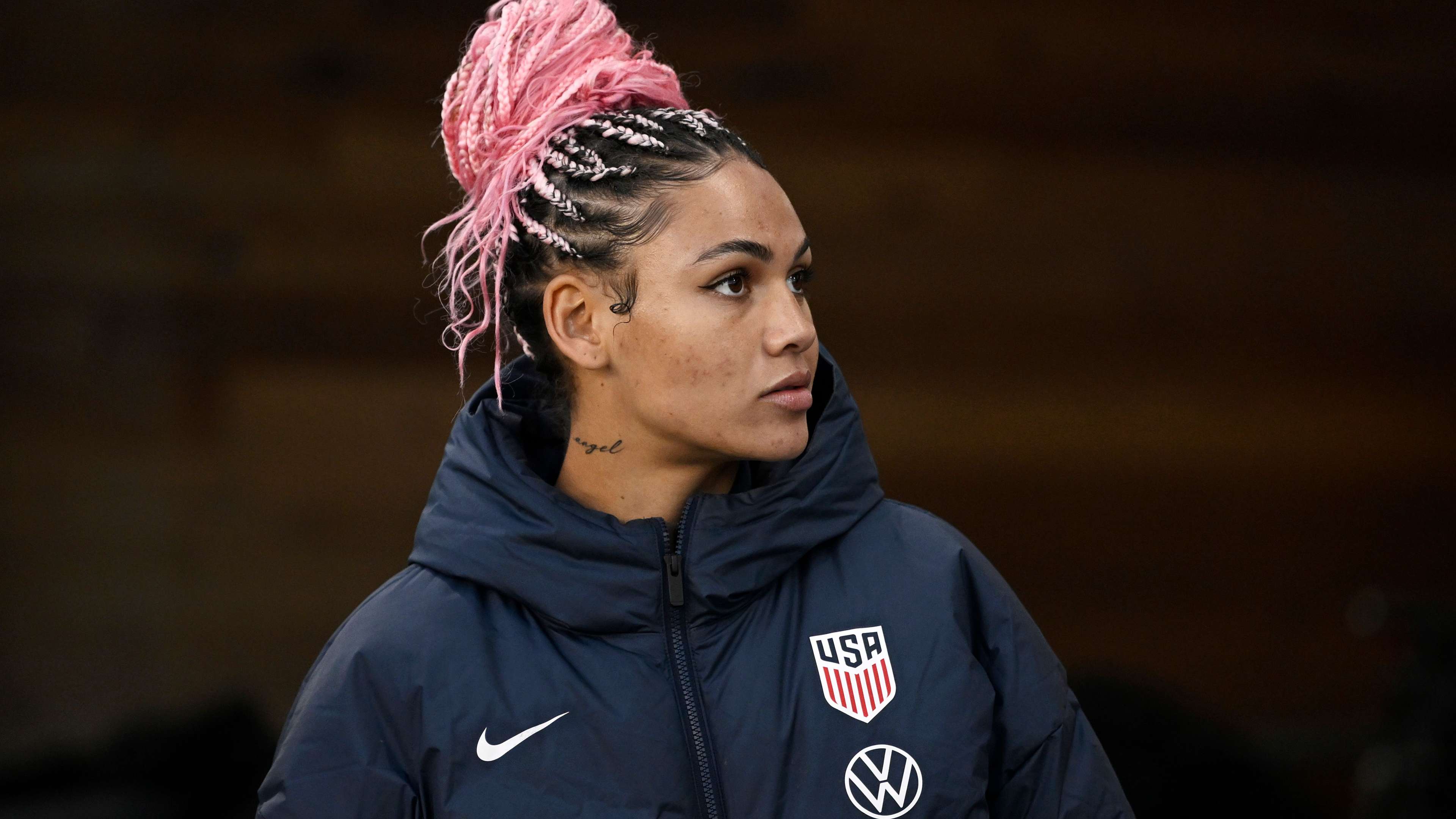
 Getty Images Sport
Washington Spirit forward Trinity Rodman reportedly receives substantial contract offer from DC Power
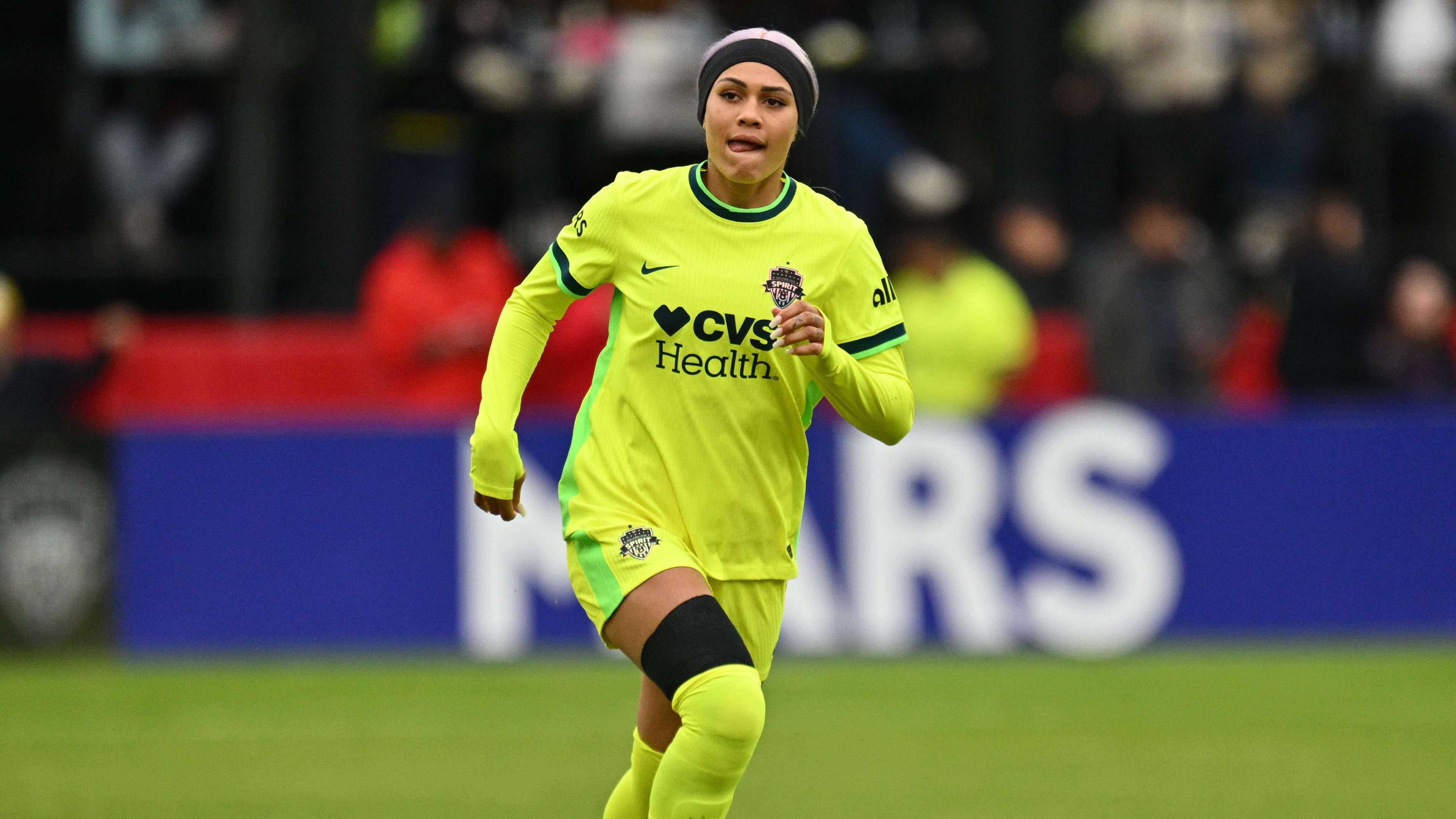 Imagn
ImagnSubstantial contract offer
Multiple outlets report that Rodman’s representatives have spoken directly with Berman while also holding discussions with European clubs. According to The Athletic, they are evaluating an offer from DC Power that exceeds what the Spirit can provide under the league’s salary cap. Negotiations have reached an impasse because NWSL teams are unable to match offers from clubs operating outside the cap structure.
Berman stressed in her NWSL Final presser on Thursday that the league hopes to retain the star forward.
"We want Trinity in the NWSL, and we will fight for her," she said.
Rodman has more than delivered during her time in NWSL, scoring 23 goals. The 23-year-old is also reportedly drawing interest from European clubs.
.jpg?auto=webp&format=pjpg&width=3840&quality=60) Imagn
ImagnSalary cap debate intensifies amid competition
The situation highlights a key structural difference between the two leagues. The Super League, sanctioned as a Division I competition and operated by the USL, does not use a salary cap or player draft, giving clubs full control over roster building and allowing all players to become free agents when their contracts expire.
That stands in contrast with the NWSL’s hard salary cap - set at $3.3 million per team for 2026 and not expected to reach $5 million until 2030 under the current CBA - which limits how much clubs can offer in contract negotiations. Berman defended the NWSL's use of a salary cap and pointed to the league's growth in its current number.
"The NWSL has raised the salary cap tremendously in the last four seasons, almost quadrupled in the last four years," she said.
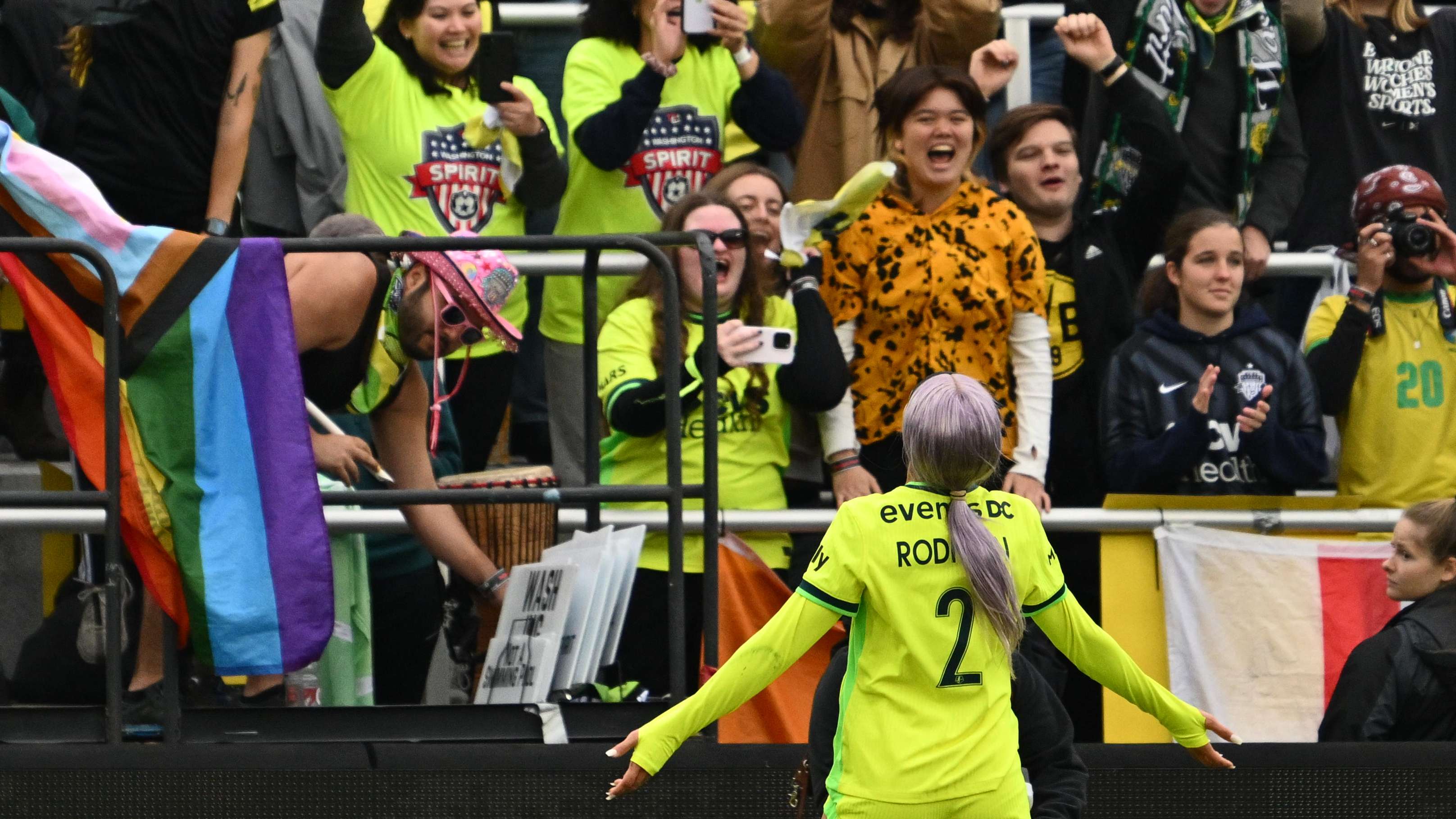 Imagn
ImagnRodman decision represents watershed moment
The outcome of Rodman’s contract negotiations is expected to influence future deals for top American players. In recent years, several high-profile U.S. players have moved abroad - including Alyssa Thompson to Chelsea, as well as Naomi Girma and Lindsey Horan - and Rodman now represents one of the most closely watched cases.
Unlike those players, Rodman has a domestic alternative capable of outbidding her current league. The Spirit and DC Power share facilities owned by D.C. United, and the Power also share ownership ties with the MLS club, creating an unusual scenario in which Rodman could remain in the same market while moving to a different league.
 Getty Images Sport
Championship match outcome precedes decisive offseason
Rodman will first focus on leading the Washington Spirit in Saturday's NWSL Championship in San Jose before making any decisions about her future.
ENJOYED THIS STORY?
Add GOAL.com as a preferred source on Google to see more of our reporting


