+18 | Commercial Content | T&C's Apply | Play Responsibly | Publishing Principles
Alexi Lalas, Landon Donovan, Tiim Howard, former USMNT playersGOAL

The Outrage Economy: Why Landon Donovan, Alexi Lalas, Tim Howard and other USMNT legends are always angry - and what it says about American soccer

Everyone has a podcast these days. It's just what you do. Opinions need to be disseminated into the world, and all that matters is yours. The problem, of course, is that when everyone has a podcast, when everyone is just yelling, no one really listens. So, it just becomes a bit of a race to the bottom.

Only most outlandish opinions stand out. The silliest "takes" tend to win. But what happens if you start to believe your own propaganda? What happens if you say something so angsty that people are forced to listen - and it's so good that you may as well just embody it?

Welcome to the world of soccer punditry, where everyone has a bone to pick, and pretty much no one can offer objective analysis. In fairness, it's the media sphere we live in. Clicks are good. Opinions - even wrong ones - are good. Engagement is everything. The value of saying something intelligent is fading.

This has always been the case in the European game, where former players, in particular, disseminate their perceived injustices into the world. Roy Keane is the grumpy one. Gary Neville is the United apologist. Jamie Carragher is the scouse one. Micah Richards brings the #bantz.

In the United States, though, it's a more recent phenomenon, especially around the current iteration of the men's national team - the old heads taking to their home studios to speak their minds. And with every poor performance, every slip, every showing that falls even slightly short of expectations, the noise grows louder. Podcasts become shoutier, dissenters are dissenting more. A previous generation of footballers, the supposed embodiment of the "good old days" just becomes one ball of anger, dragging nuance out of the game.

  • Landon Donovan USMNTGetty

    The "old days" mentality

    The United States has a curious method for going about the former player vitriol complex. As a nation, the U.S. has never quite been a power in the global game. The calling card of the United States, for so long, was its ability to beat the bigger teams, win the big games, and show the signature "American" fighting spirit.

    That 2-0 win over Mexico at the 2002 World Cup lives long in the American soccer consciousness, not because the team beat their biggest rival - but because it was an upset. Tournament runs are remembered fondly because of the mentality that the U.S. wasn't supposed to be able to do it. Here was a plucky team of giant killers, doing that little bit extra, and outperforming expectations.

    That has proved to be a dangerous thing, though. When you continue to overperform, then the expectation of overperformance becomes the norm. A win over Mexico is no longer an upset - it is now the standard. This is something that a previous generation of players helped proliferate.

    Tim Howard, Alexi Lalas, Clint Dempsey, Taylor Twellman, Landon Donovan and enumerate others have been guilty of pushing an agenda. Those guys didn't just rely on talent, they relied on "grit" and they still won. This new generation, they insist, should be able to do the same.

    "We would not have let Canada or Panama beat us without it being an absolute bloodbath," Donovan told The Athletic after Mauricio Pochettino's side unexpectedly dropped a pair of games in the CONCACAF Nations League. "I used to hate going into training camps, because I got the sh*t kicked out of me. The competition was real. We had real players who cared about the result and were always, without exception, willing to put themselves on the line to get a result.

    "I can’t talk about who was more skilled or talented, but we were always responsible for the result... I’d take those teams over this current one.”

    Of course, soccer doesn't work like that. There are complexities. As men's soccer in the U.S. has changed, so too has the quality of other nations. Opponents adapt and evolve. Talent can only get you so far. Other teams won't simply fold because of the way you used to play. The other variables - tactics, quality of opponent, stakes, and, yes, showing up - can all affect results on the day.

  • Advertisement
  • United States v Panama - CONCACAF Nations League: SemifinalGetty Images Sport

    Privilege of the new generation

    Of course, the new generation knows this. They are trying to win football matches. But they are often criticized by virtue of being "next up." The guys before them laid the groundwork. It is now on them to build on it.

    And it's easy to see why that might frustrate the former players. Part of the issue is that this new generation of American talent has a platform that the old heads were never afforded. Donovan, Howard and those of a previous era existed slightly outside of the national spotlight. Soccer wasn't as popular, culturally, then. It was a hipster thing that occasionally popped into the mainstream during tournaments.

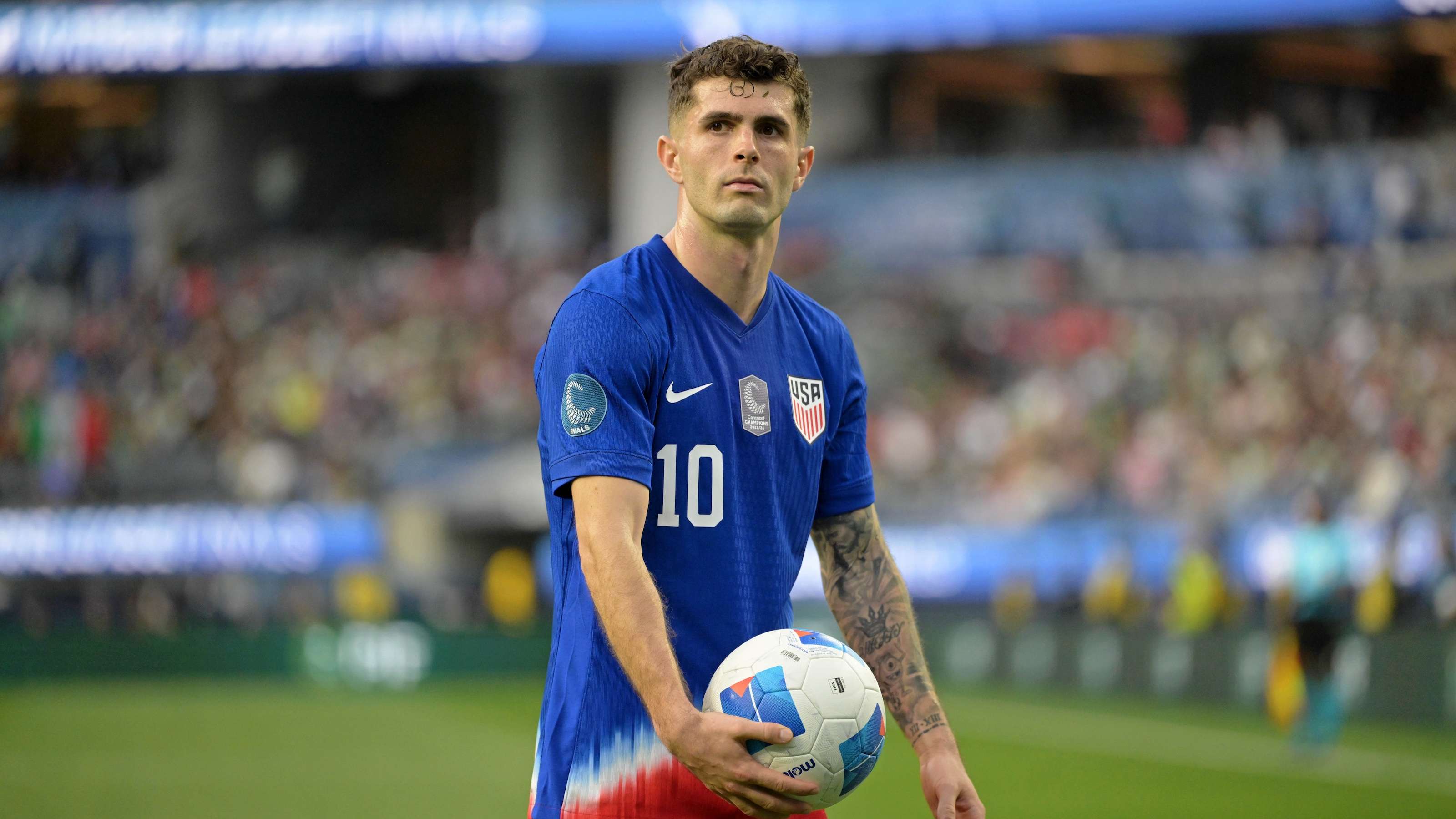
    These new guys, meanwhile, have commercial profiles, and pop up in the nationwide sporting discourse. Average, everyday people have heard of Christian Pulisic, who even launched a docuseries to enhance his personal brand. FIFA, the video game, has helped proliferate soccer to a broader audience. The appointment of a higher profile manager in Pochettino and unparalleled investment into the program has seen the landscape change entirely.

    The older generation did a lot with a little. These new guys - Pulisic, Gio Reyna, Tyler Adams, Weston McKennie - have been given more, and are seemingly doing less.

    Howard summed it up after the loss to Panama in that Nations League semifinal, pontificating about a team that previously crashed out of the 2024 Copa America, which led to the firing of Gregg Berhalter.

    “This group of players got a manager sacked, lost in the last four to Panama and have had an abysmal showing in the Nations League - abysmal. To finish fourth is a crime. And by the way, any of the current players get upset with me, I’ve gotten coaches sacked as well. I’ve been a part of groups where you don’t perform well enough, the team doesn’t perform well enough and you get your coaches sacked and it sucks."

    Of course, he said that on his podcast - there it is - with Donovan.

    And in some ways, they have a point. This new generation is far more talented, has been trained at top academies and is now being led by a manager who won a Ligue 1 title and coached Lionel Messi. These are all good things, worlds removed from the mid-level European talent the older generation played with.

    But despite all of that, they can only do so much. This may be a more talented generation, but it is also a radically different landscape. The old heads were physical, athletic and dogged. This generation is more technical. They are better footballers, and try to play like it. There isn't really a streamlined U.S. soccer identity. These guys are playing the game in their way - and being lambasted for it when it goes wrong.

    Simply reverting back to the "good old days" is a talking point, but not a solution.

  • FBL-WC-2026-USA-CAN-MEXAFP

    Lowest common denominators

    The problem is, nuance isn't rewarded anymore. There's so much stuff floating around that only aggravating takes cut through. Everything is content, clipped down, chopped up, headlined and blasted out on social media. This is where media is nowadays.

    There isn't merit in measured analysis, or begrudging acceptance. Lalas would be less relevant if he admitted that Pochettino had a rough couple of windows, but, hey, there are some promising signs to be found. No one would listen to Donovan if he conceded that it's probably a little unfair to cast final judgement on this iteration of the USMNT, considering it has never had a full strength squad together. Bruce Arena wouldn't be as newsworthy if he suggested that tactics, not a lack of effort, undid the team against Panama and Canada.

    Instead, it's a question of buzzwords and anger. Losses are "crimes." The real issues are "pride" and "culture." Breaking down the nuances of a 4-3-3 system that didn't quite work isn't as buzzworthy. This Lalas quote, spat out after the CONCACAF Nations League losses, though, is:

    "But also the real question is to whether these players care? And care when they step on the field to represent what I feel is the greatest country in the world? And I think that that conversation is going to continue."

    And so the discourse gets dragged down. "Rage bait" becomes the currency, while sincere analysis is a mere commodity.

  • Ghana v USA: Group G - 2014 FIFA World Cup BrazilGetty Images Sport

    The fan problem

    This isn't unique to the United States, of course. It happens all over the world. Spain, France, and - yes - England, are pretty good at triggering people, too. But it does work really well in America. One of the most telling moments of the USMNT's recent disappointments came during the third-place match loss to Canada. Paramount+, which covered the game, assembled a panel of U.S. legends at a pitchside desk. Chief among them was Dempsey, who picked up on the vitriol of U.S. fans.

    "As we were sitting here, I had some of the [fans] sitting there, shouting to me 'Get them right, say something' and I said 'Hey y'all let them know, let them know what's going on,'" he said.

    American exceptionalism, in particular, is easily capitalized on. This is a nation that likes to win things, and even when it doesn't win things, at least likes to believe it can. That is perhaps part of the reason why those early U.S. teams appealed so much. They were, in so many ways, so stereotypically American.

    These ideals of "hard work", "grit", "scrappiness", and "pride" cut deep into the national consciousness. These are founding principles of the country, soccer as capitalism, 1776 reimagined as a 4-4-2 with Landon Donovan as a hardworking wide midfielder. Pull yourself up by your bootstraps, guys, and heroically lose 2-1 to Belgium.

    It's what made fans fall in love with the men's national team in the first place. Losing 1-0 to Panama in games that don't matter? Boring. Defeats that end World Cup runs in a game where you are totally outplayed by a superior opponent and just about stick around due to one of the great goalkeeping performances? Make a movie about it.

    Supporters like to see a team that looks like it cares. Not as good as your opponent? Try harder and you might just come away with something. Adams, a fixture of the USMNT for the last five years, gets it.

    "The way that we’ve played and the way that we competed, 100 percent it looks like we don’t care. I mean how do we go out in some of these games and not have the attitude to be ready to compete? We need to show that mindset, show that we care and show the character that we have and who cares about the football anymore? Show that we want to be there and want to compete," he told Men in Blazers.

    Donovan, too, has latched onto that storyline. His post-match breakdown of a duo of USMNT losses in March offered insight into the nuances of the performance - an expert critique of what, exactly had happened on the pitch:

    "There were just too many guys out there who were just going through the motions. When I watch games, sometimes it’s difficult to accurately judge someone’s ‘desire.’ But you also just see what your eyes tell you. It was obvious in these games who cared,” he said.

    It has even proliferated to other nations. When asked what, exactly, he had brought to the Canadian national team, U.S.-born manager Jesse Marsch told GOALhe had "pushed some American ideals" on the team. That competitive edge, he insists - and not the fact that Canada is blessed with its best wave of talent in its footballing history - has made Les Rouges better.

  • pochettino(C)Getty Images

    Learning from the old - and embracing the new

    This is the really frightening part where nuance comes in. The dirty little secret about soccer is that it is cyclical. Like all sports, it is a game of action and reaction. When this all works perfectly, international teams learn from their predecessors - take the good bits, and apply them well.

    England are a fairly good example of this in recent years. From 2004-2010, the Three Lions had a "golden generation" of talent, legends at every position. There were loads of issues with that team - poor management, bad tactics, personal errors, a couple of untimely injuries. But fundamentally, they just didn't like each other. Club rivalries outweighed international success. England never made it past a quarterfinal of a major tournament.

    (Sir) Gareth Southgate took that and learned from it. He brought the vibes back, fixed the culture, and came within sniffing distance and a couple of penalty kicks from two European championships in three years. Those teams didn't have the same talent, or a particularly tactically adept coach. But they had a real collegiality - something the old side lacked.

    In a similar vein, the USMNT could probably learn a thing or two from the previous generation. These guys are far better technically, but they could, in some ways, be a bit grittier. There is a sense, at times, of a team going through the motions. That is not solved by running a bit more, or shouting louder, or looking angry. Yet, could there be a bit more fire to this team, something their predecessors entirely relied on? Absolutely.

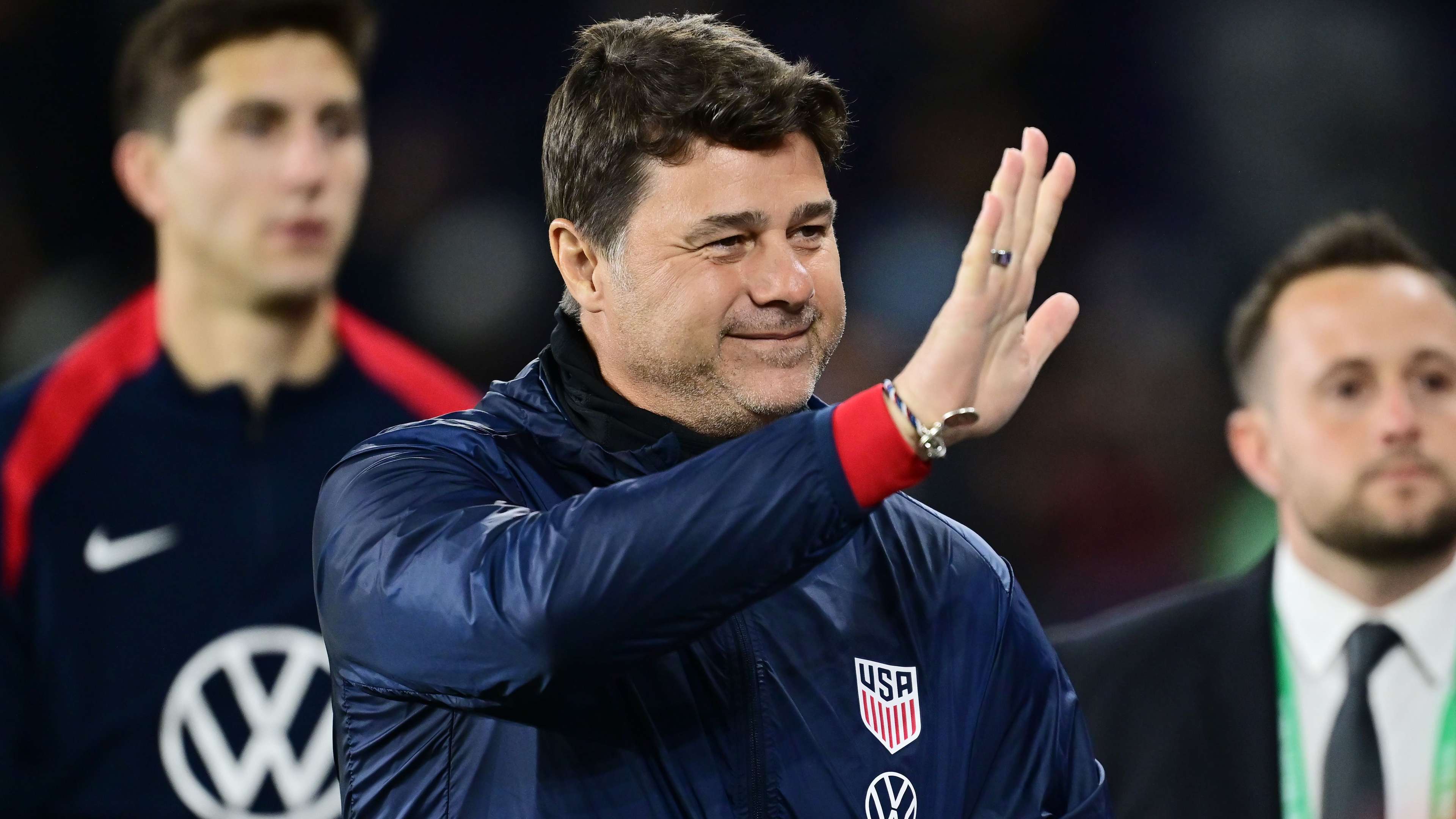
    In fact, that should be demanded. Pochettino himself conceded that a bit more of a competitive spirit - whatever that actually really means - is necessary.

    "The right mindset must be there, because we need to compete for our flag, our country," he said this week. "What we are trying to do as a staff is to optimize every single area of preparation, and the mentality of the players is really important. We need to be intelligent in the way that we are going to select the players and not just choose based on talent alone. We need to have the right characters to be really competitive.”

  • Christian Pulisic USMNT vs PanamaImagn

    Reactions, reactions, reactions

    It's important to note here that there is nothing wrong whatsoever with accountability. International soccer is radically different in the way it's played, but it's also far removed from the club game in terms of consumption. Casual club fans can highlight individual moments from individual teams - and put tribalism aside.

    A regular soccer fan can appreciate Manchester United's miraculous comeback against Lyon in the Europa League just as much as a breathtaking free-kick from Wolves' Pablo Sarabia that beat them at the weekend. Club soccer, in other words, operates comfortably as a social media commodity. Who you support doesn't really matter if you can watch a 10-second clip of a free-kick over and over again - and then enjoy the next one that pops up on your timeline within 30 seconds.

    There is so much of it that discourse just sort of fades away.

    International soccer is far more black and white. Wins are good. Losses are bad. Outside of major tournaments, you typically have to wait months between fixtures. And around games, discourse is concentrated. Analysis is brief and reactionary. Done well, and in isolation, it can be a truly wonderful thing. There are any number of intelligent journalists and thoughtful pundits who can break it all down.

    But to work in media is to strike when the iron is hot, to produce the most outrageous take at the perfect moment. It's why Lalas, Howard, Dempsey, Donovan and others go viral around USMNT losses. Had Taylor Twellman ranted about the state of the U.S. in an international fallow period - rather than after a loss against Trinidad & Tobago - few outside of the chronically online weirdos (hi!) would have cared.

    And that is exactly where this vitriol seems to come from. There is a now-or-never-ism around international soccer. In the United States, with a high-profile coach on a short contract, that feeling is only heightened. For a country that has a limited history in the sport, and no obvious cyclical reference points, then the old voices are simply amplified.

    Everyone has a podcast these days. It is unfortunate that only the most outlandish ones, from the people who have a real notoriety and really should know better, happen to cut through.