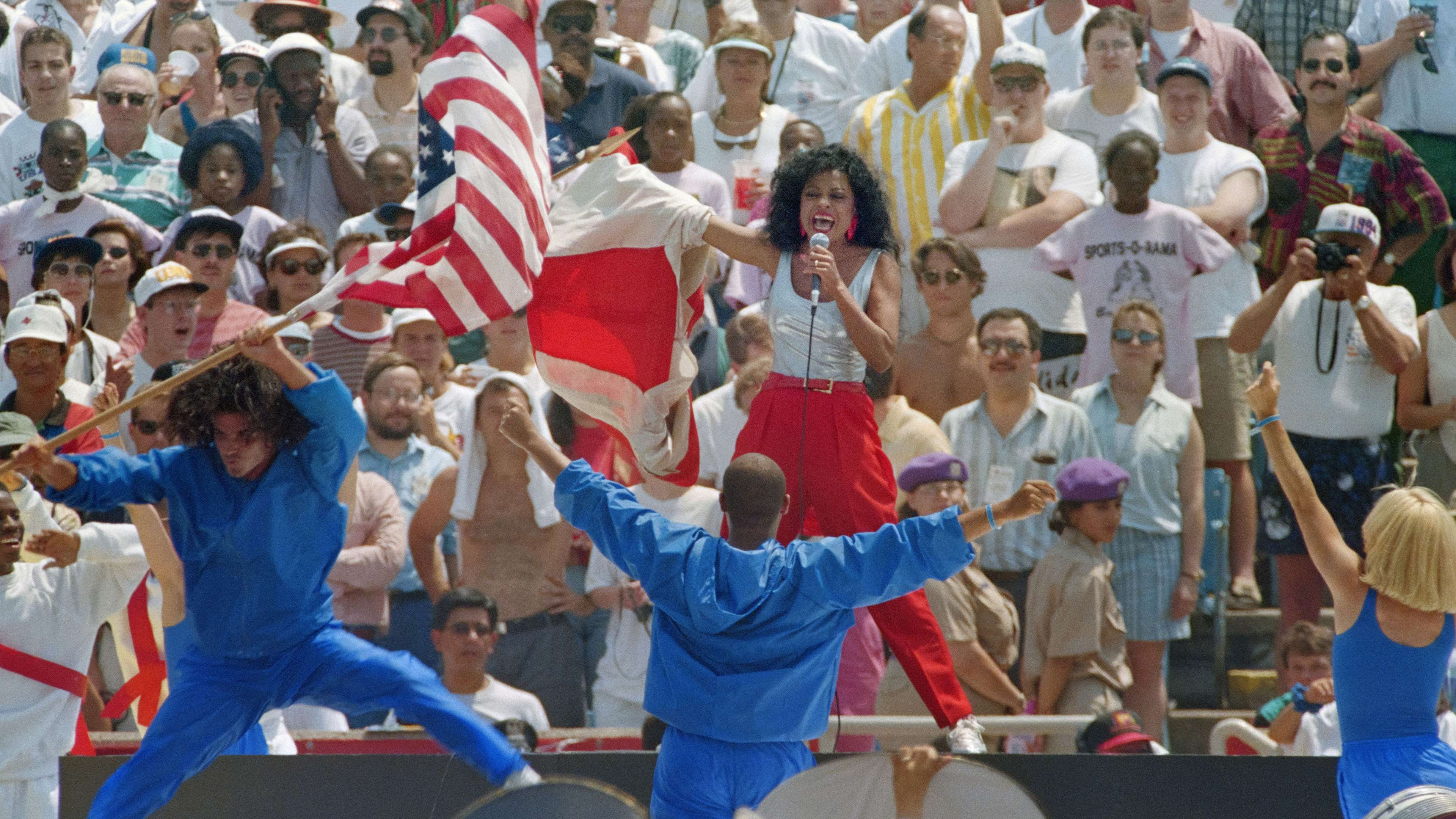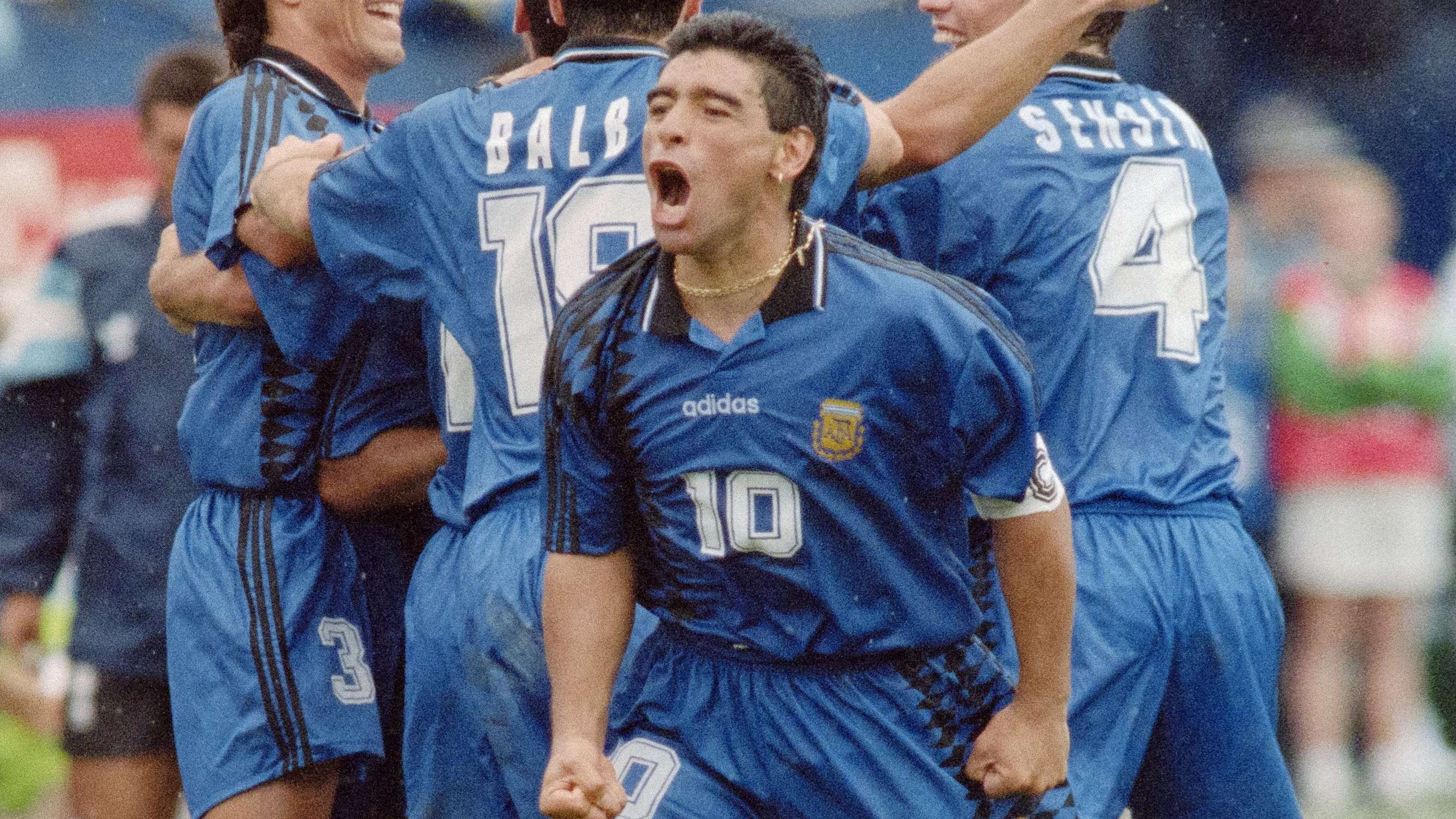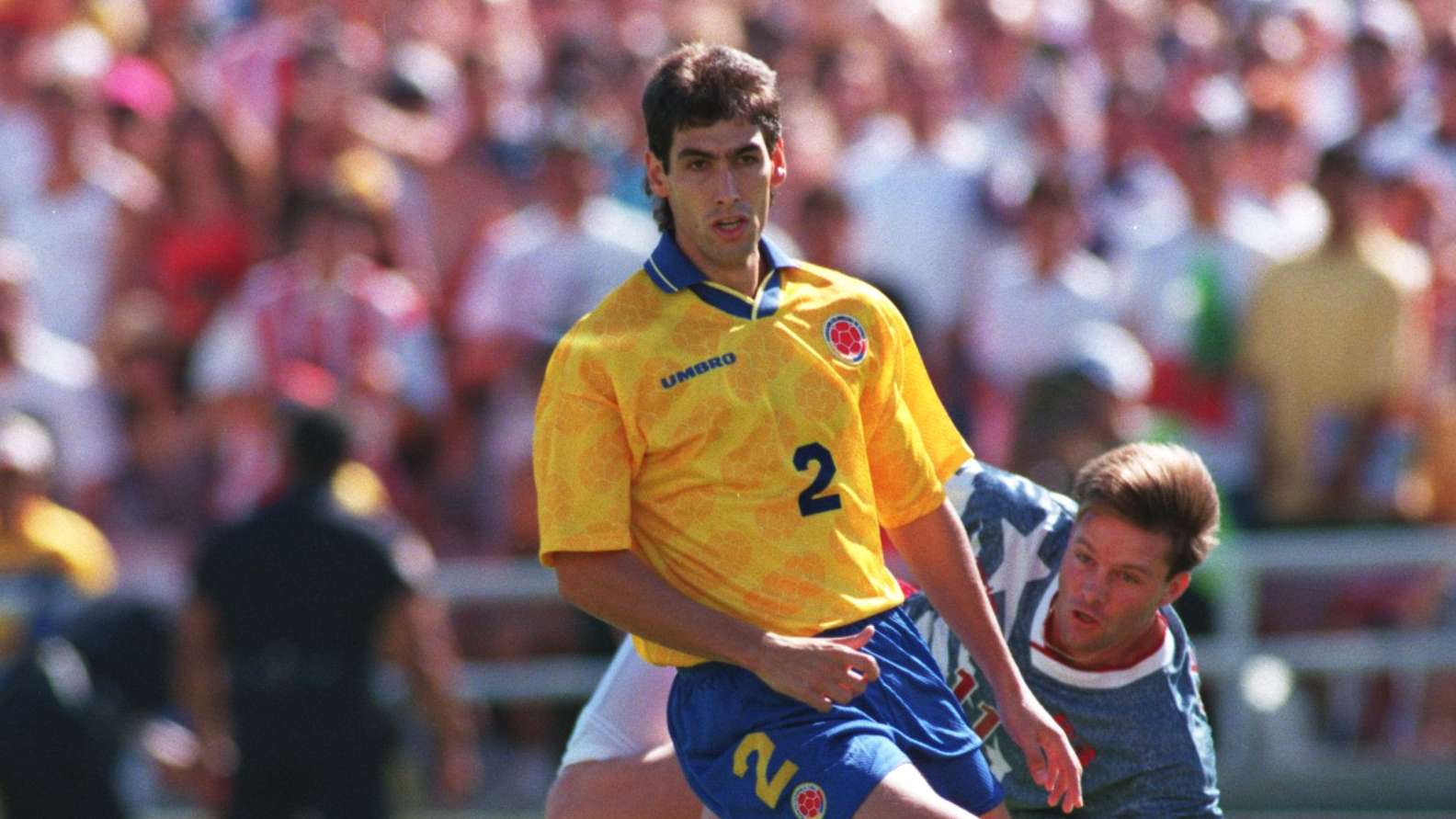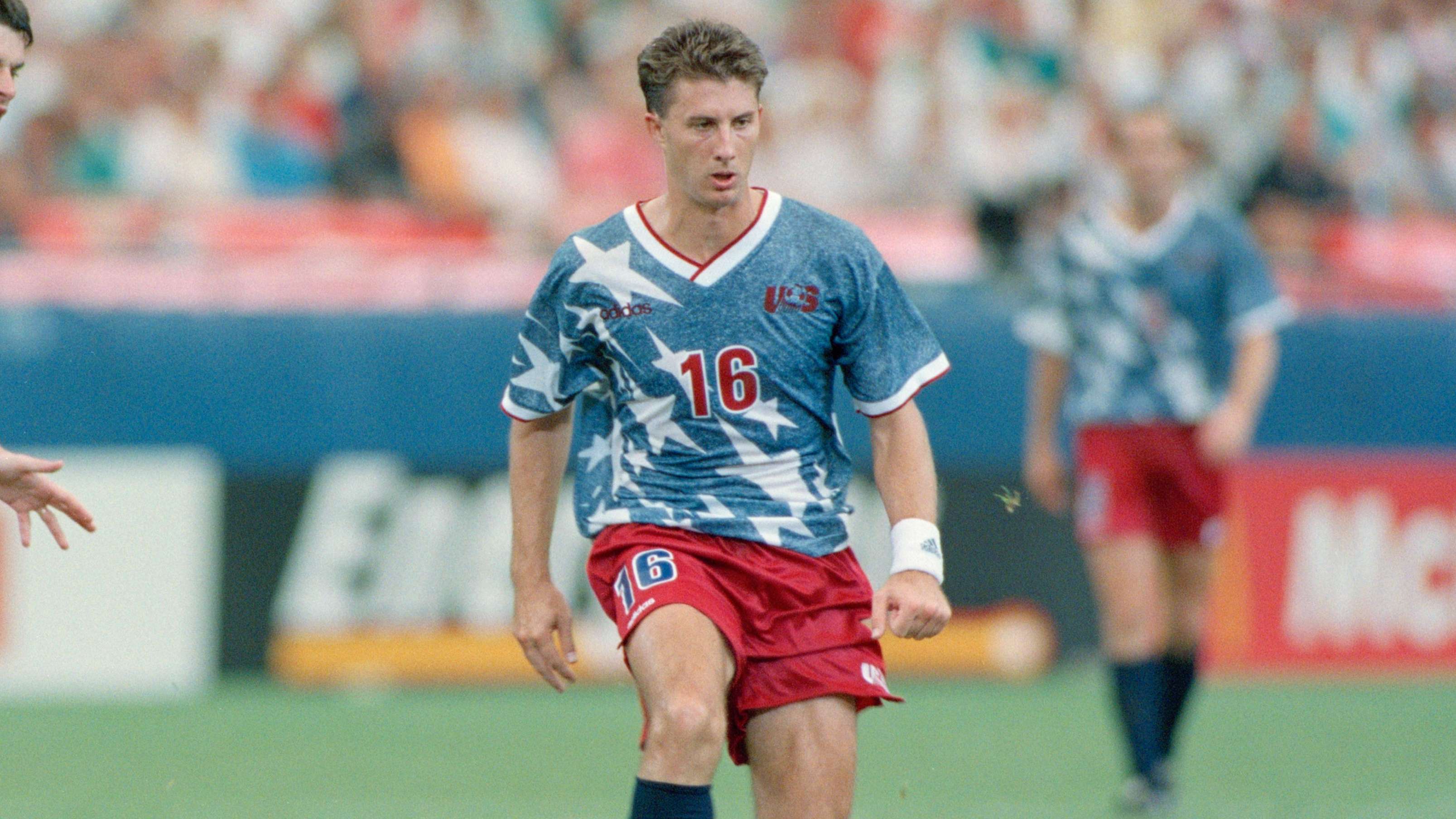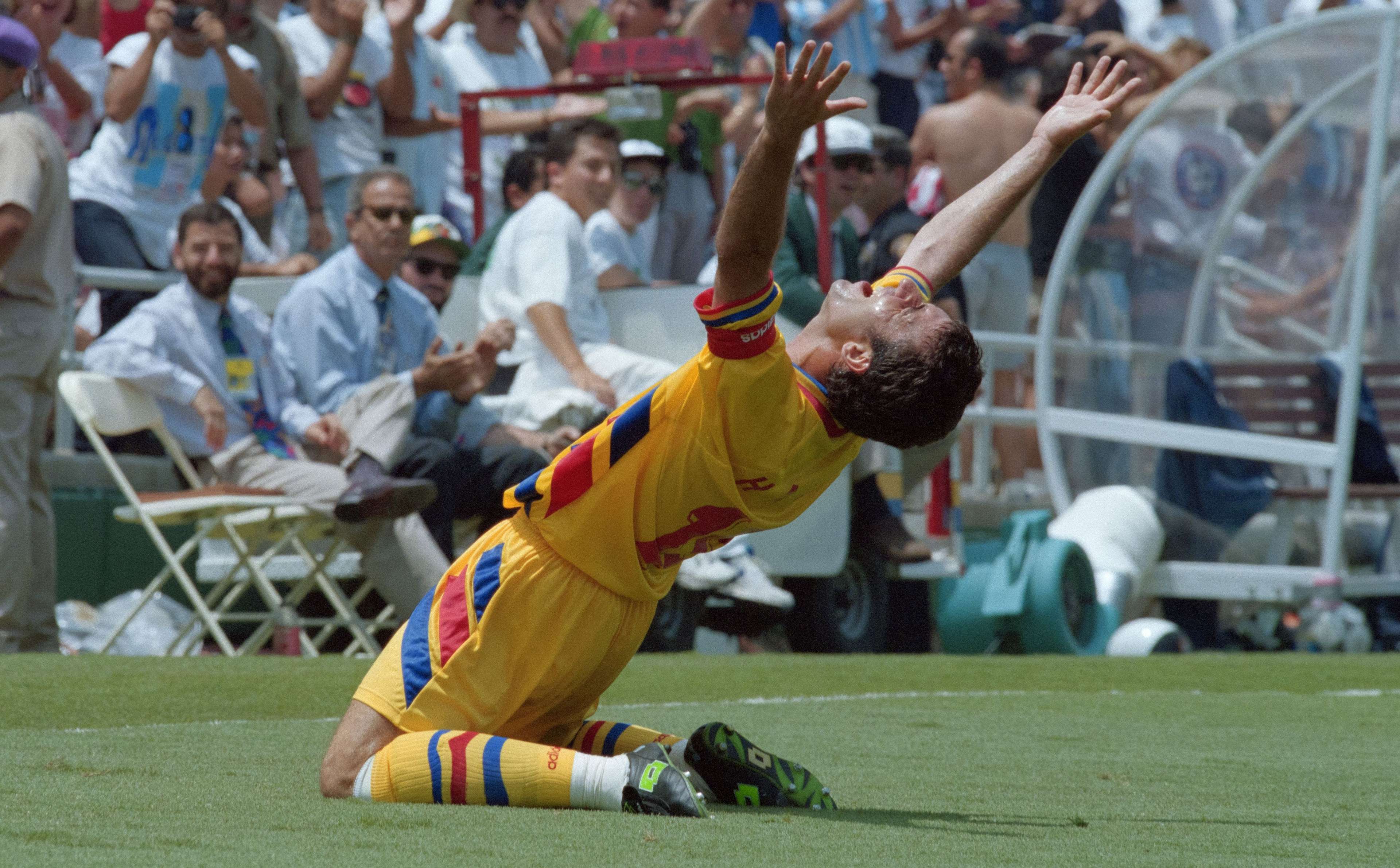
Before 1994, the World Cup had always been held in 'football nations', places that truly knew the game, embraced it, lived it and loved it. This was a sport that had been reluctant to push beyond its familiar boundaries, and seldom wandered into areas that weren't traditionally its own.
Choosing the United States as the hosts changed all that. The rest of the world might have questioned it, while some of those in Europe actively raged against it on principle. There were, apparently, so many things 'wrong' with an American World Cup. But, looking back through the decades, with the next World Cup in the U.S. just a few months away, the 1994 tournament got so, so much right.
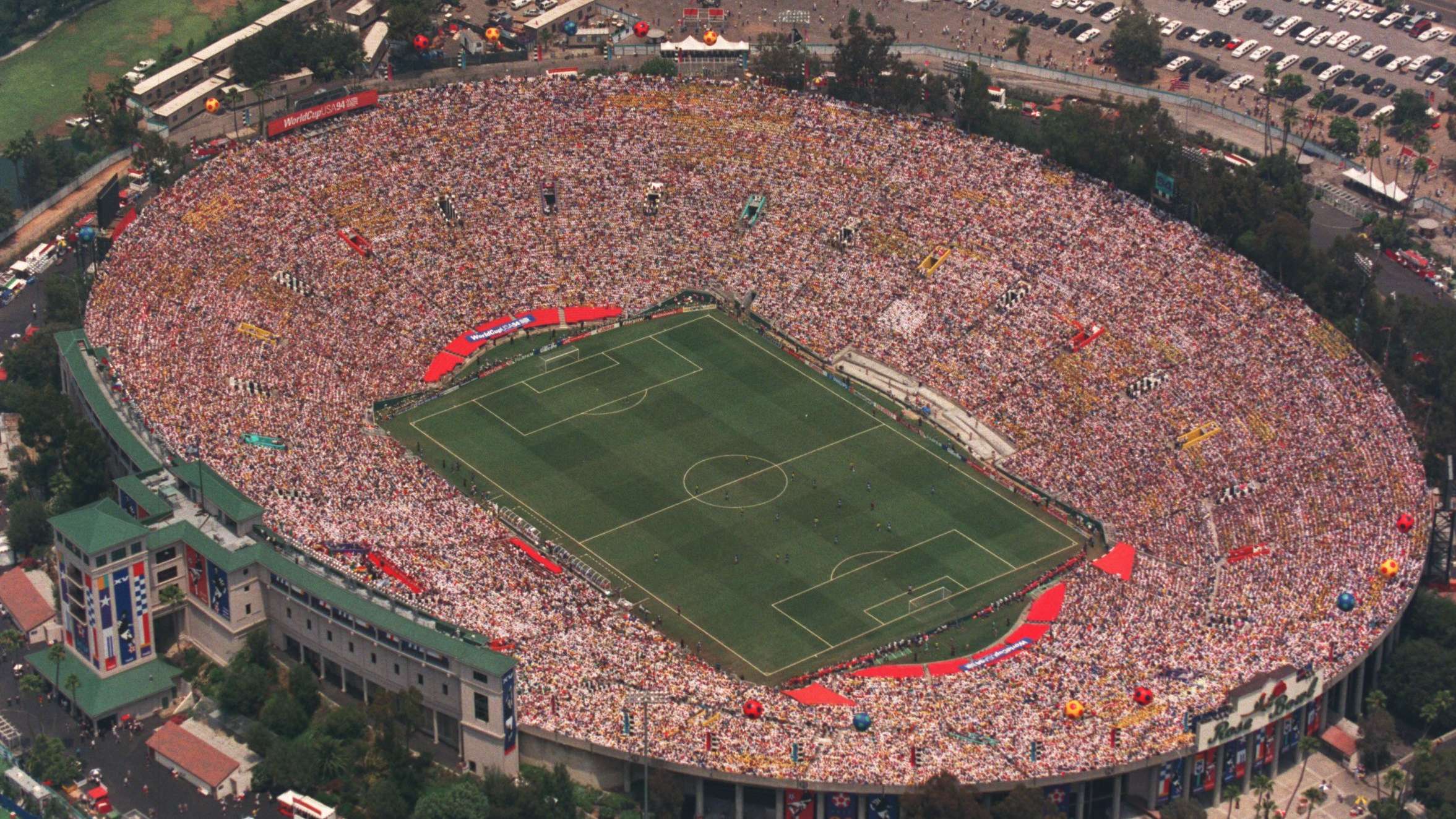
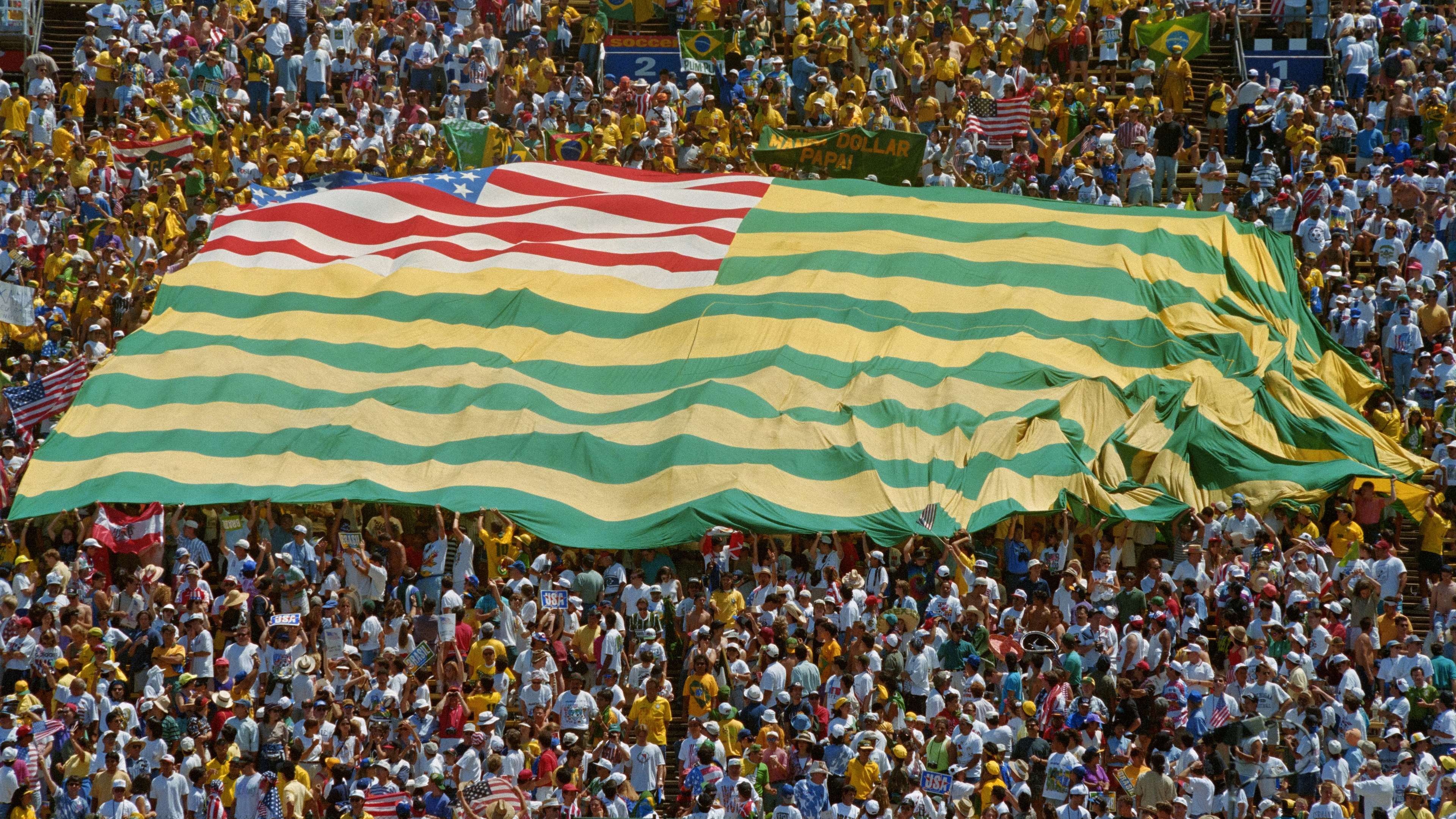
USA '94 was, with over 30 years of hindsight, the first truly modern World Cup. It was an inflection point at which 'football' embraced 'soccer' and two separate cultures merged in full. It remains, to this day, the best-attended World Cup in the competition's history. At the time, it was also the most financially successful.
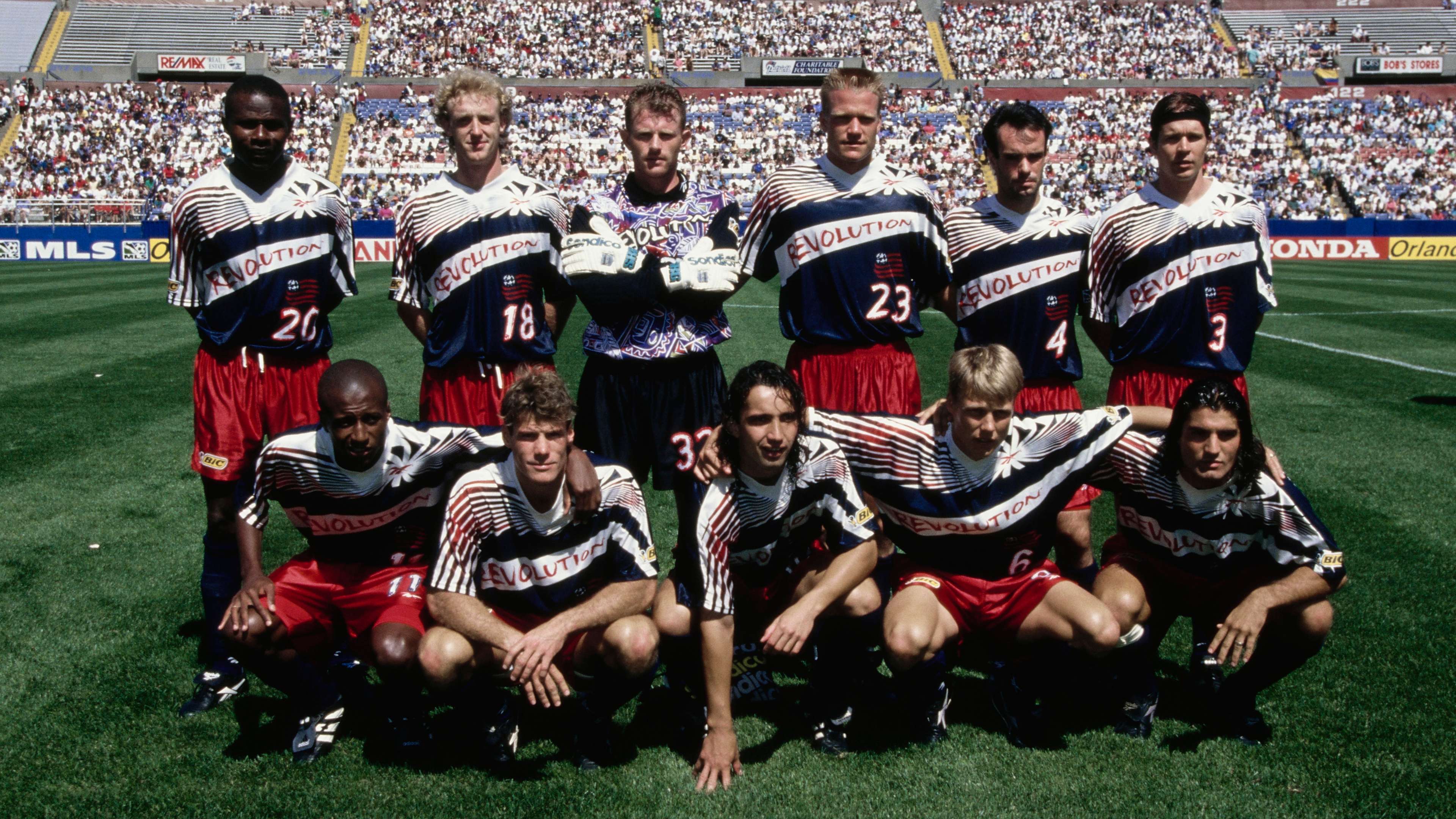
It spawned a professional league in the U.S. and cultivated a generation of soccer fans - millions of whom have since come to love the game. There would be no Major League Soccer or National Women's Soccer League, or any of the other domestic leagues in the U.S., without the 1994 tournament.
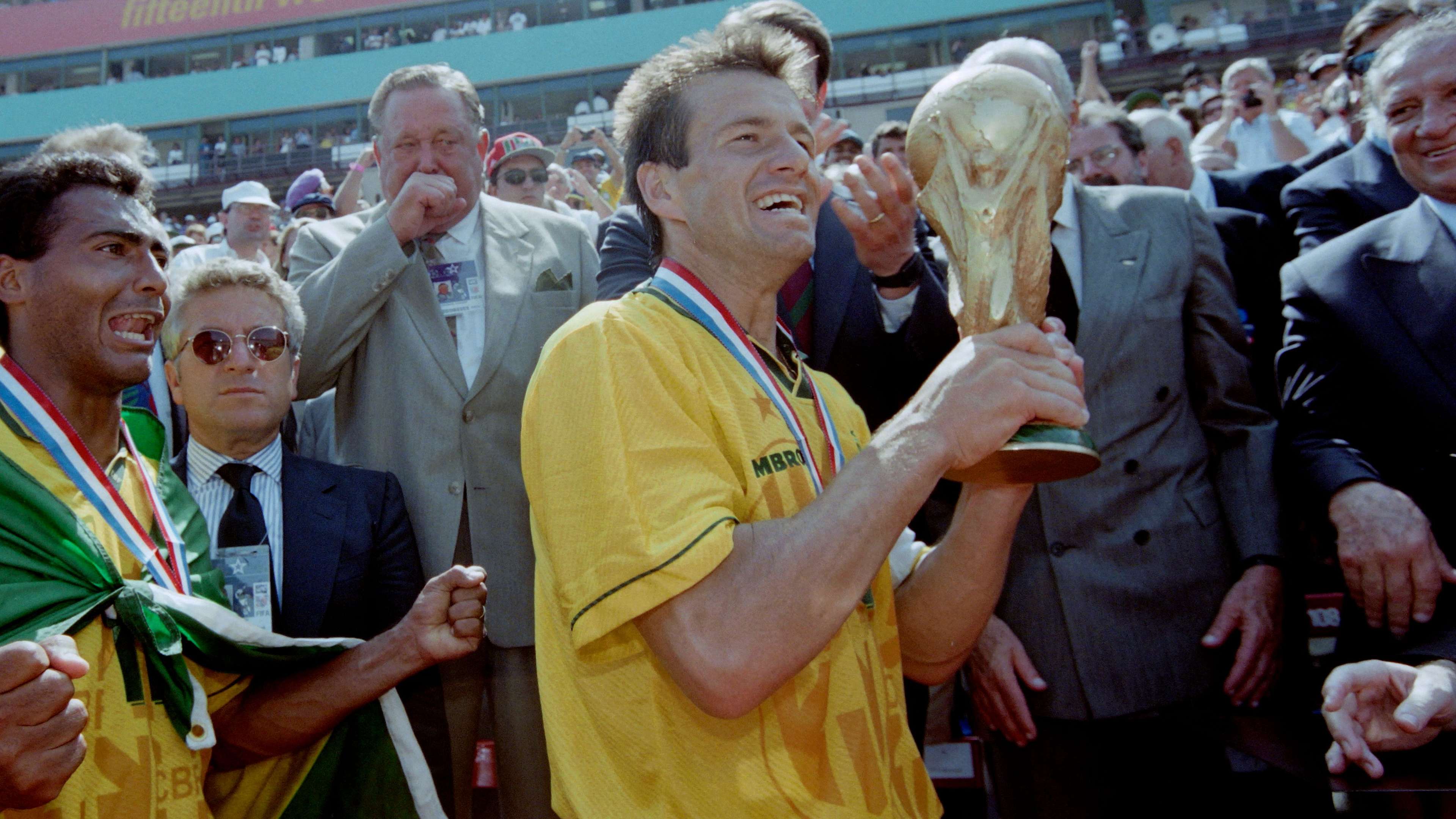
There would certainly be less of an established soccer culture in North America. There would not be a North American World Cup in 2026 - to be co-hosted by Canada, Mexico and the U.S., with the majority of the matches to be held in 11 American cities - without it. This was a tournament as much about impact as entertainment. And, as they so often do, Brazil won.