AFP'FIFA massacred me' - Michel Platini says 'Swiss mafia' stopped him from becoming president with unsuccessful corruption charges
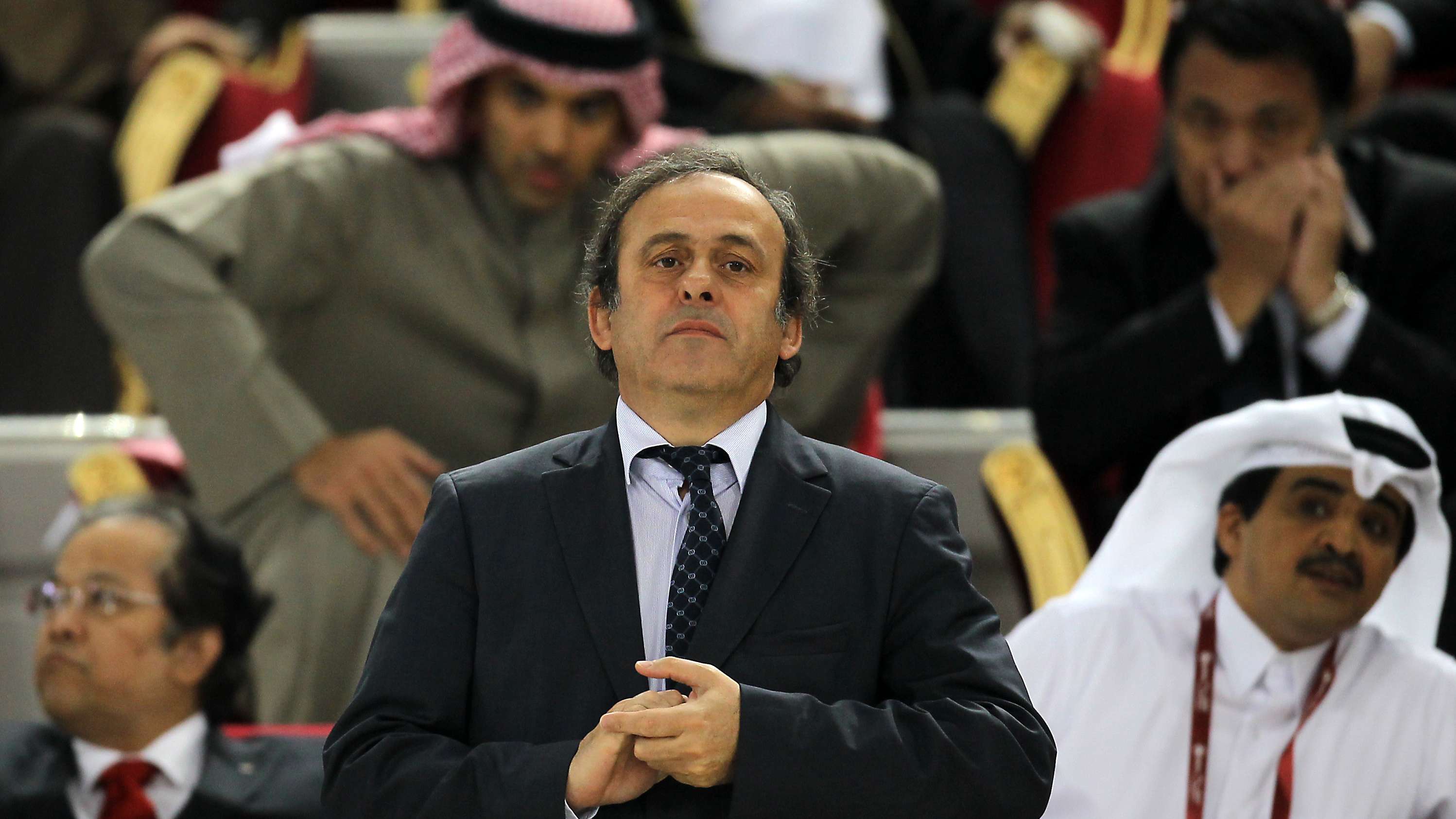
Platini relives his ‘massacre’ by FIFA and Swiss authorities
Platini was acquitted of all charges last August by the Swiss Federal Criminal Court, ending a legal saga that began in 2015 when authorities investigated a payment he received from then-FIFA president Sepp Blatter. He had been banned from all football-related activity for four years, a punishment that effectively ended his ambitions of succeeding Blatter as FIFA president.
“FIFA massacred me, the journalists massacred me,” Platini said bluntly, recalling the years spent defending himself in Swiss courts over alleged fraud and corruption. “It wasn’t easy. The hardest thing is that no one believes you. Making everyone understand that you’re innocent is incredibly hard.”
Despite the acquittal, Platini insists the damage was done long before. “Everyone wanted me when Blatter decided not to run again. I received 150 letters from federation presidents,” he revealed. “They thought they’d make me lose everything, especially my reputation. Before, everything was fine, then the knives came out.”
‘Swiss mafia’ and corruption claims shake football’s image
Platini didn’t hold back when addressing what he described as a “Swiss mafia” controlling world football’s legal and disciplinary structures. “Sporting justice is a scandal,” he declared. “The Court of Arbitration for Sport (CAS) is paid a million euros every year by FIFA. It’s a Swiss mafia where the sports tribunal is the armed wing of FIFA’s executives for making decisions.”
According to Platini, the ethics and appeals commissions in Switzerland are effectively controlled by FIFA, creating a system where fairness and independence are compromised. “It means it’s a Swiss mafia if everything is in the hands of the same executives,” he said. “Swiss prosecutors have even asked to work for FIFA after retirement. Everything is done among themselves.”
The former France international also argued that the overlap between sports bodies and legal institutions in Switzerland has allowed corruption to persist unchallenged. “These things must change. Football doesn’t belong to UEFA or FIFA. It belongs to everyone.”
His comments echo years of criticism from within football’s governance circles over FIFA’s lack of transparency and influence over judicial matters. Platini’s case, which dragged on for nearly a decade, became a global symbol of the blurred line between sports justice and political power inside world football.
Platini compares ordeal to Dreyfus affair, insists FIFA ‘feared’ his presidency
In one of his most striking admissions, Platini compared his experience to that of Alfred Dreyfus, the French military officer falsely convicted of treason in 1894. “Am I the Dreyfus of sport? Well, yes. Indeed, that’s true,” he said.
Platini remains convinced that FIFA’s inner circle wanted him out of the way to prevent him from reforming the organisation, recalling how police approached him in 2015 during an Executive Committee meeting to question him.
"FIFA didn't want me because they thought I would change everything, because things are fine at FIFA. They were afraid I would change everything," he said.
"It was strange. FIFA massacred me, they said I was corrupt, that there were elections and they had to hurry. They didn’t want me as president. It was all clear from the start."
Despite being cleared alongside Blatter, Platini says he remains deeply disillusioned by how his case was handled. “Justice has taken its course,” he said. “I don’t bear resentment, I even refused financial compensation. I’m relieved, though perhaps a little bitter.”
AFPPlatini hints at return, vows to ‘bring players back to power’
Despite his bruising experience, Platini hasn’t ruled out a return to football governance, but this time with a different mission. “Return? Yes, it could be,” he said. “How will I do it? I won’t say tonight. But I think football needs players to lead it.”
He emphasised that his future goal is to empower footballers within the game’s political structure. “If I can find a way to bring players, not me, because I’m too old now, to decide the future of football, I’d like to do it.”
The 69-year-old believes that only those who have lived the game can reform it from within. “Football doesn’t belong to the executives or the lawyers,” he said. “It belongs to those who play it, who love it.”
While Platini’s days of presidency bids may be behind him, his fiery words in Sassuolo underline his enduring passion for football, and his determination to expose what he still sees as deep-rooted corruption within the sport’s highest institutions.
Advertisement