+18 | Commercial Content | T&C's Apply | Play Responsibly | Publishing Principles
Andrea Agnelli Juventus HIC 16:9Getty

The entire Juventus financial scandal explained: Why the Bianconeri have been kicked out of Europe

It's happened again. Some 17 years after Calciopoli, Juventus find themselves at the centre of a scandal that has resulted in them being banned from competing in Europe next season. This latest scandal isn't about influencing match officials, though. This is about 'plusvalenza', and quite a bit more.

The club were hit with an initial 15-point deduction by the the Italian Football Federation (FIGC) in January for "financial irregularities" and "false accounting" in relation to past transfer dealings. Those points were restored on appeal in April, pending a new trial, but the Bianconeri eventuallyhad 10 points taken away, which resulted in Massimiliano Allegri's side dropping out of the top four, thus depriving them of a place in the 2023-24 Champions League.

Juve's seventh-placed finish still entitled them to a Europa Conference League spot but, on Friday, it was announced that the club had accepted a €20 million (£17m/$22m) fine and a one-year ban from competing in UEFA competitions for breaching the organisation's Financial Fair Play (FFP) regulations.

So, how has it come to this and is the saga finally over? GOAL explains all below...
  • What is plusvalenza?

    The key to understanding this whole affair is plusvalenza, or capital gains, which is basically the profit made on a transfer.

    Say, for example, Juventus sign a player for €100m on a five-year contract. They would amortise the cost of the player's registration rights over the duration of his contract, most likely spreading the payments out equally over five years. In short, the player's amortised value would be €20m per year (€100m divided by five).

    So, if Juve then sold that player after three years for €60m, they would make a capital gain of €20m on his registration rights (€60m minus the remaining €40m in amortised value).

  • Advertisement
  • Why are capital gains important in football?

    Because they count directly towards a club's annual profits, and this is now of greater importance than ever before because of the introduction of UEFA's Financial Fair Play (FFP) regulations more than a decade ago.

    As we all know, clubs' balance sheets are under intense scrutiny these days, and those found to have broken the rules can face severe punishments.

    The pressure, then, is very much on the clubs to balance their books on an annual basis. Some clubs have reportedly resorted to inflating the value of assets in order to be seen to have made a profit on certain transfers.

    This is often done in the movement of young players. Academy players are homegrown, they usually arrive for free, meaning that if they are sold, the fee is pure profit.

    As the price of unknown academy players can be over-inflated, it is difficult to judge their true value.

    Consequently, clubs could insert players of a dubious value into swap deals or player-plus-cash transfers in order to help balance the books.

  • Is this only a problem in Italy?

    As the Gazzetta dello Sport has previously outlined, the practice of plusvalenza is undeniably of colossal importance in Italy.

    In 2018-19, the last season before Covid-19 hit, 20 Serie A clubs made a total of €699m in capital gains – more than any of the other 'Big Five' leagues.

    Tellingly, that figure is also higher than the sum of money the Italian top flight made from commercial deals during the same financial year (€647m), underlining just how dependent Serie A sides are on the transfer market to turn a profit.

    The Premier League, La Liga and the Bundesliga clubs are all generating far more money, as a collective, from TV rights and sponsorship agreements, than buying and selling players.

    Obviously, there is absolutely nothing wrong with making profits on transfers. Issues only arise when clubs are inflating the value of players, and it is worth remembering that this remains an issue in many other domestic leagues.

    The difference is that while this affair does involve clubs in other countries, it is focused on Italy, and Juventus in particular.

  • Pjanic ArthurGoal

    Why are Juventus at the centre of this scandal?

    Let's begin with the best example...

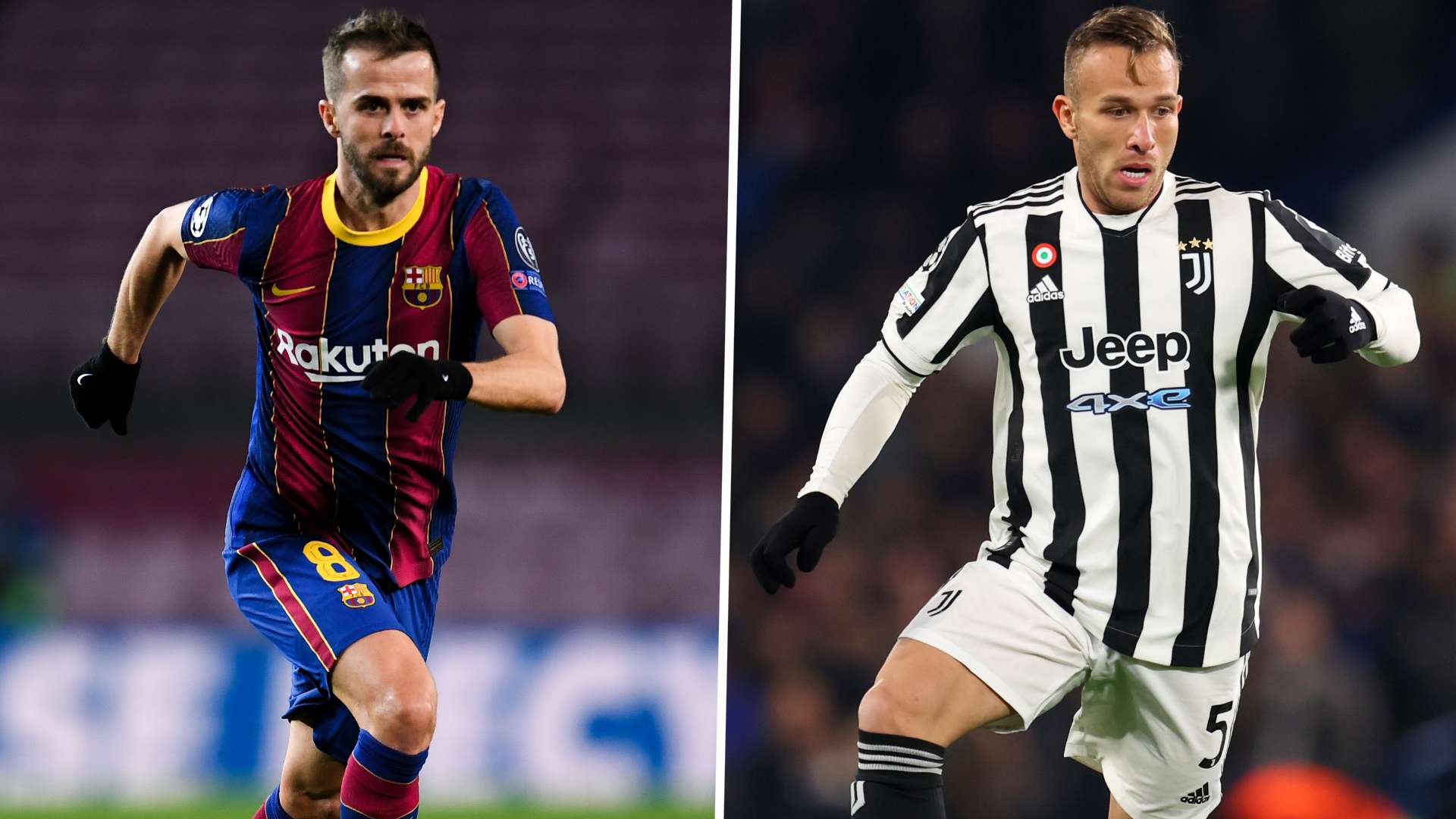
    In the summer of 2020, Arthur Melo moved from Barcelona to Juventus, while Miralem Pjanic went in the opposite direction. Officially, these two deals were not connected. They were not announced as part of the same transfer.

    Barcelona stated that Juve had agreed to pay an initial €72m (£63m/$78m) for Arthur, while Pjanic had been acquired for €60m (£53m/$65m). Both clubs were, thus, in a position to post a capital gain on their outgoing player, while Juve only had to hand over €12m (£10.5m/$13m) in cash.

    It was an agreement that suited both parties, but especially cash-strapped Barca as they edged closer to posting a profit before the end of the financial year.

    This exchange was more about finances than football, and it was openly written about at the time.

    Neither player appeared worth his respective fee, particularly in the Covid-19 affected economic climate of the time, but that was considered unimportant.

    There was no threat of investigation, let alone punishment. At least, not initially. Things changed dramatically in 2021.

  • Why?

    Essentially, four separate Italian bodies began scrutinising transfers involving Juventus and others clubs, including the Pjanic-Arthur swap, as well as a similar operation in 2019 that saw Danilo (€37m) arrive in Turin and Joao Cancelo (€65m) move to Manchester City.

    COVISOC, the supervisory commission for Serie A, began investigating "dozens" of deals of questionable player valuations and it contacted the FIGC, flagging 62 potentially inflated transfers relating to the 2018-19, 2019-20 and 2020-21 seasons – 42 of which involved Juve. COVISOC also shared its findings with the Public Prosecutor of Turin, who opened a criminal investigation in May 2021 called 'Prisma'.

    CONSOB, the financial regulator responsible for monitoring the dealings of clubs quoted on the stock exchange (like Juventus), also entered the fray and that was hugely significant because the stock exchange falls under the remit of Italy's financial police, Guardia di Finanzia.

    And it was they who raided Juve's training grounds and offices in November 2021 and seized documents relating to the transfers in question, which according to Sky Sport Italia and ANSA, were worth a grand total of €282m (£247m/$307m) in capital gains.

  • Victor Osimhen Napoli JuventusGetty Images

    Weren't Juve cleared of inflating transfer fees?

    In April of last year, it was announced that charges had been dropped against Juventus and 10 other clubs, including four other then-members of Serie A: Napoli, Sampdoria, Genoa and Empoli.

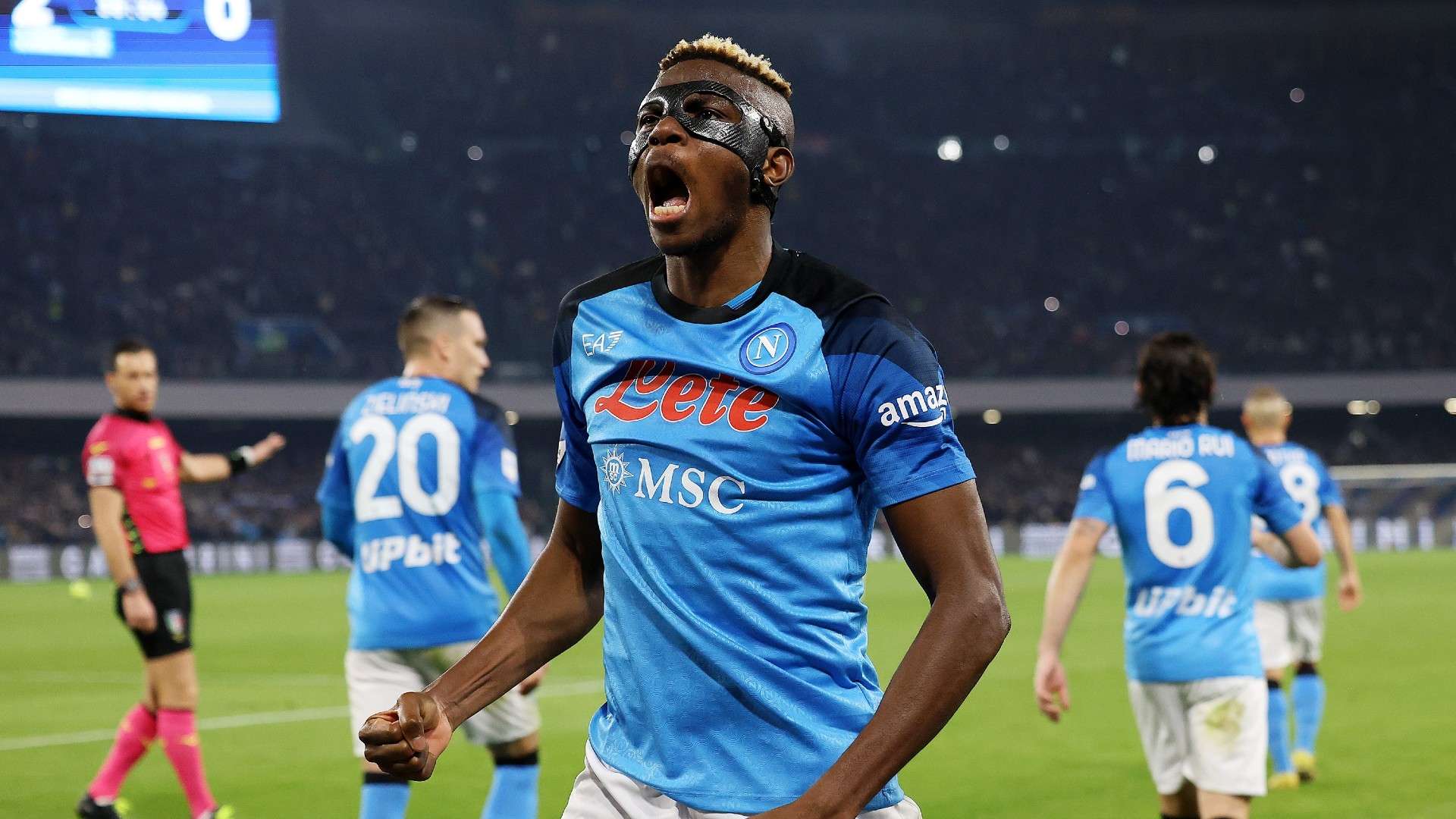
    The FIGC prosecutor had been demanding bans for both Juventus president Andrea Agnelli and his Napoli counterpart Aurelio De Laurentiis. Indeed, it's worth noting the the most high-profile transfer to come under scrutiny was arguably that of Victor Osimhen, who moved from Lille to Napoli in 2020.

    The fee, on paper at least, was €70m (£61m/$76m), but the inclusion of four Napoli players accounted for €20m (£17.5m/$22m) of the fee: goalkeeper Orestis Karnezis and three Primavera players (Claudio Manzi, Ciro Palmieri and Luigi Liguori) who never made a single appearance for Lille, calling their market value into question.

    However, the whole FIGC case against a grand total of 11 clubs and 59 executives essentially collapsed because of the difficulty involved in establishing the true worth of a footballer. Prosecutors were even found to have leaned too heavily on values derived by the website, transfermarkt.com.

    It's also important to remember that this affair is not without precedent.

    AC Milan and city rivals Inter were both investigated for alleged financial irregularities related to capital gains in 2008 but neither club was sanctioned – again, because of the difficulty involved in determining a player's actual market value. However, in 2018, Cesena were deducted three points for repeated infringements of the plusvalenza regulations.

  • Nedved Agnelli Arrivabene Cherubini JuventusGetty Images

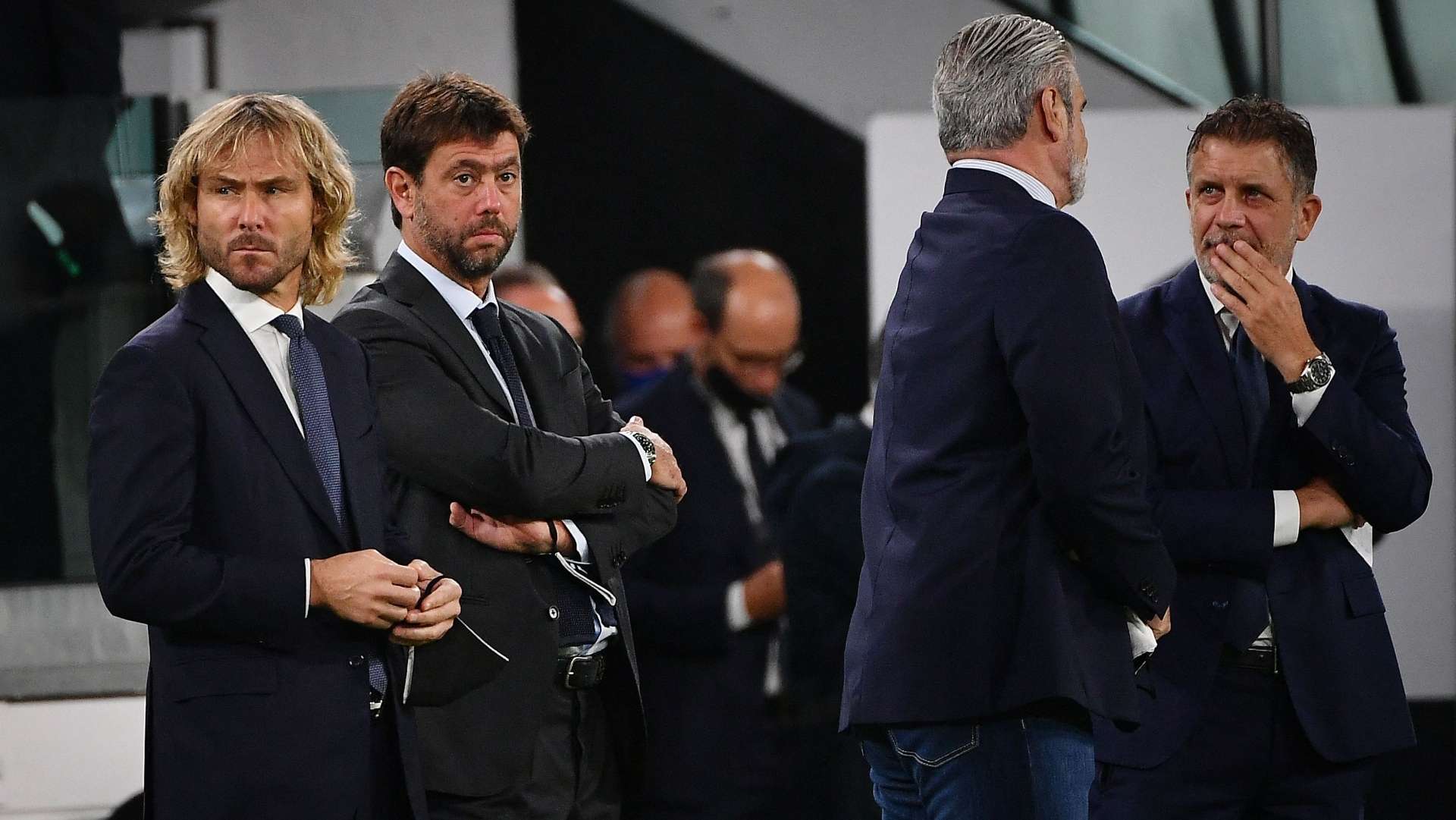
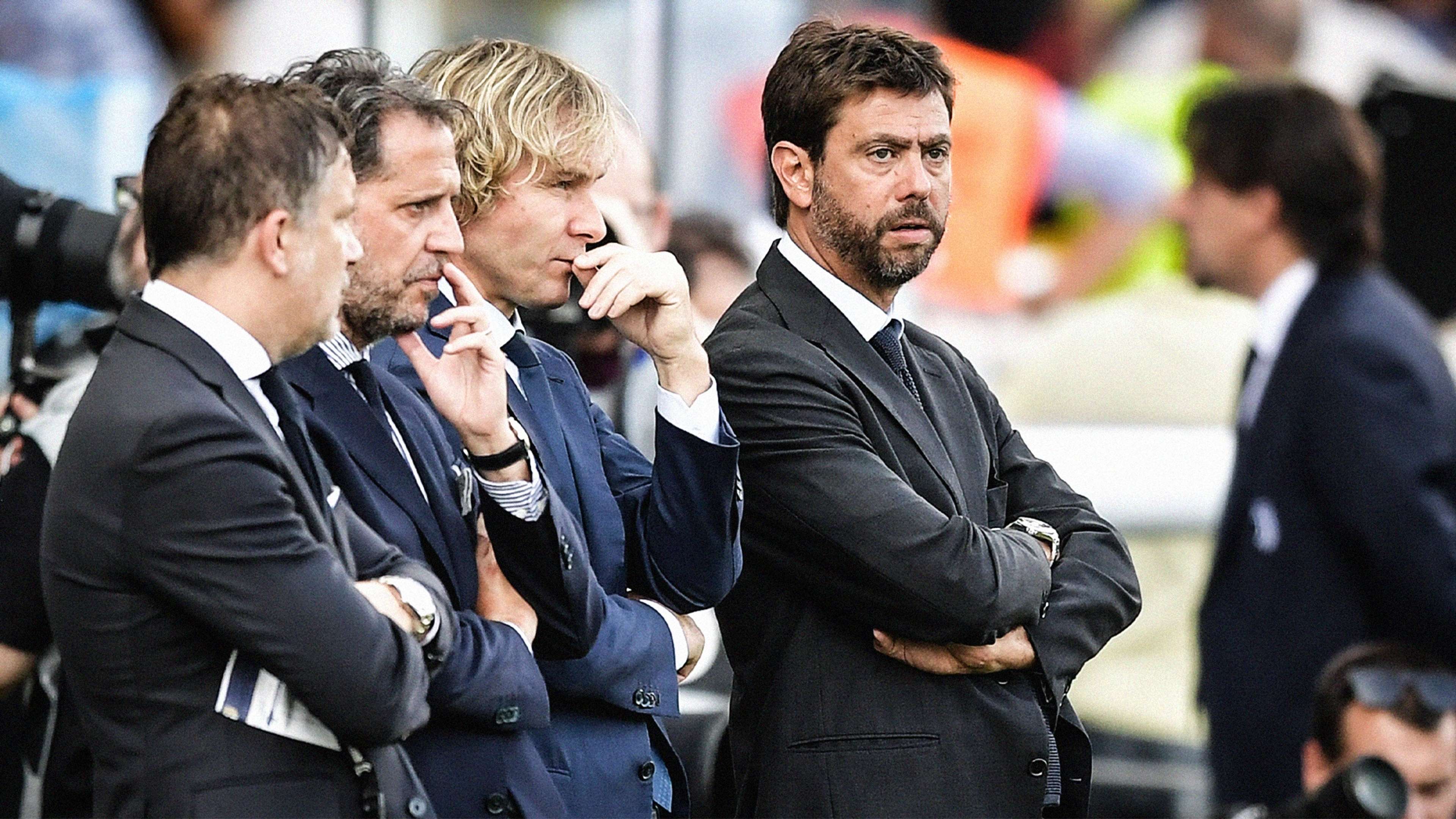
    So, why did the entire Juventus board resign?

    Even though the 'capital gains' case was effectively closed last year, Juve remained under investigation by CONSOB for alleged false accounting and market manipulation.

    The Turin Public Prosecutor was also investigating salary payments that were supposedly deferred during the Covid-19 pandemic.

    In May and June of 2020, 23 players signed agreements that would see their respective salaries reduced in a bid to cut costs during a testing period financially for clubs around the world – with games played out in empty stadiums as supporters were prevented from attending. According to the Gazzetta dello Sport, Juventus stars were supposed to give up four months' worth of wages, but they allegedly only gave up one.

    The accusation, therefore, was that the players were paid “in the black” to allow both the players and the club to avoid taxes, while statements were allegedly falsified in order to make out that the books had been balanced.

    The Turin Public Prosecutor announced the completion of the 'Prisma' in October and then, on November 28, the entire board of directors resigned ahead of an extraordinary general assembly.

    It's important to stress that there was no admission of guilt. The club merely stated that it was "considered to be in the best social interest to recommend that Juventus equip itself with a new board of directors to address these issues".

    In a statement sent to all members of staff, outgoing president Agnelli wrote: “When the team is not united, then that opens the way for opponents to hurt you and that can be fatal. In that moment, you must have the sharpness of mind to contain the damage: we are facing a delicate moment as a club and that unity is lost.

    "Better to leave all together giving the opportunity for a new team to overturn that game."

  • Why did the capital gains case reopen?

    Because new evidence came to light because of the Prisma investigation, including Fabio Paratici's 'black book', which allegedly contains all of the true numbers involved in the transfer deals at the centre of the affair.

    It was also claimed that the investigators effectively unearthed admissions of guilt via wire taps involving several Juventus directors, including Agnelli and Maurizio Arrivabene. Consequently, the FIGC prosecutor, Giuseppe Chine, appealed the previous ruling and the FIGC case was reopened in December.

    This time around, only nine of the original 11 clubs were implicated, but Juve remained the focus of the investigation because of the apparent weight of evidence against them, and their allegedly repeated attempts to circumvent the plusvalenza regulations.

  • Who was banned and for how long?

    The following former or current Juventus directors were banned from holding office:
    - Fabio Paratici: 30 months

    - Maurizio Arrivabene: 24 months

    - Andrea Agnelli: 24 months

    - Federico Cherubini: 16 months

    - Pavel Nedved: 8 months

    - Enrico Vellano: 8 months

    - Paolo Garimberti 8 months

    - Assia Grazioli-Venier: 8 months

    - Caitlin Mary Hughes: 8 months

    - Danila Marilungo: 8 months

    - Francesco Roncaglio: 8 months
    Paratici's ban was arguably the most significant as he had been working as managing director of football at Tottenham since parting company with Juventus in 2021. But after seeing his appeal rejected, he resigned, on April 21. Another appeal was partially accepted by FIFA, meaning he can return to working in the game, but with "reduced duties".

    Furthermore, Nedved, Galimberti, Grazzioli-Venier, Hughes, Marilungo and Roncaglio were all subsequently cleared of any wrongdoing.

    However, the FIGC extended Agnelli's initial suspension by a further 16 months, while also hitting the former Juve president with a €60,000 fine, meaning his time in football is probably over.

  • Why happened in the salary manoeuvre case?

    Juventus agreed a plea bargain with FIGC prosecutor Giuseppe Chine' that saw the club fined €700,000 but avoid any further points penalties.

    In an official statement, the club said "while reiterating the correctness of its actions and the soundness of its defensive arguments" that a settlement was "in the best interests of the Company itself, of its shareholders and of all stakeholders. The settlement of all open FIGC sports proceedings allows the Company to achieve a definite result, settling the matter and overcoming the state of tension and instability that would inevitably descend from the continuation of disputes whose outcomes and timing would remain uncertain, also allowing the management, the coach of the First Team and the players to focus on sports activities and in particular on the overall planning of the next season (with regard to sports activities and to business relationships with sponsors, other commercial and financial counterparts)."

  • Why did the club accept the UEFA ban?

    Juve president Gianluca Ferrero said in a statement: "We regret the decision of UEFA. We do not share the interpretation that has been given of our defence, and we remain firmly convinced of the legitimacy of our actions and the validity of our arguments. However, we have decided not to appeal this judgment.

    "Lodging an appeal, possibly to other levels of judgement, with uncertain outcomes and timing, would increase the uncertainty with respect to our eventual participation in the 2024/25 UEFA Champions League."

    Essentially, Juve were willing to sacrifice participation in the far less lucrative Conference League to ensure that they will be eligible to compete in the following season's Champions League, while at the same time effectively bring an end to one of the most complex and controversial scandals in Italian football history.