
+18 | Play Responsibly | T&C's Apply | Commercial Content | Publishing Principles
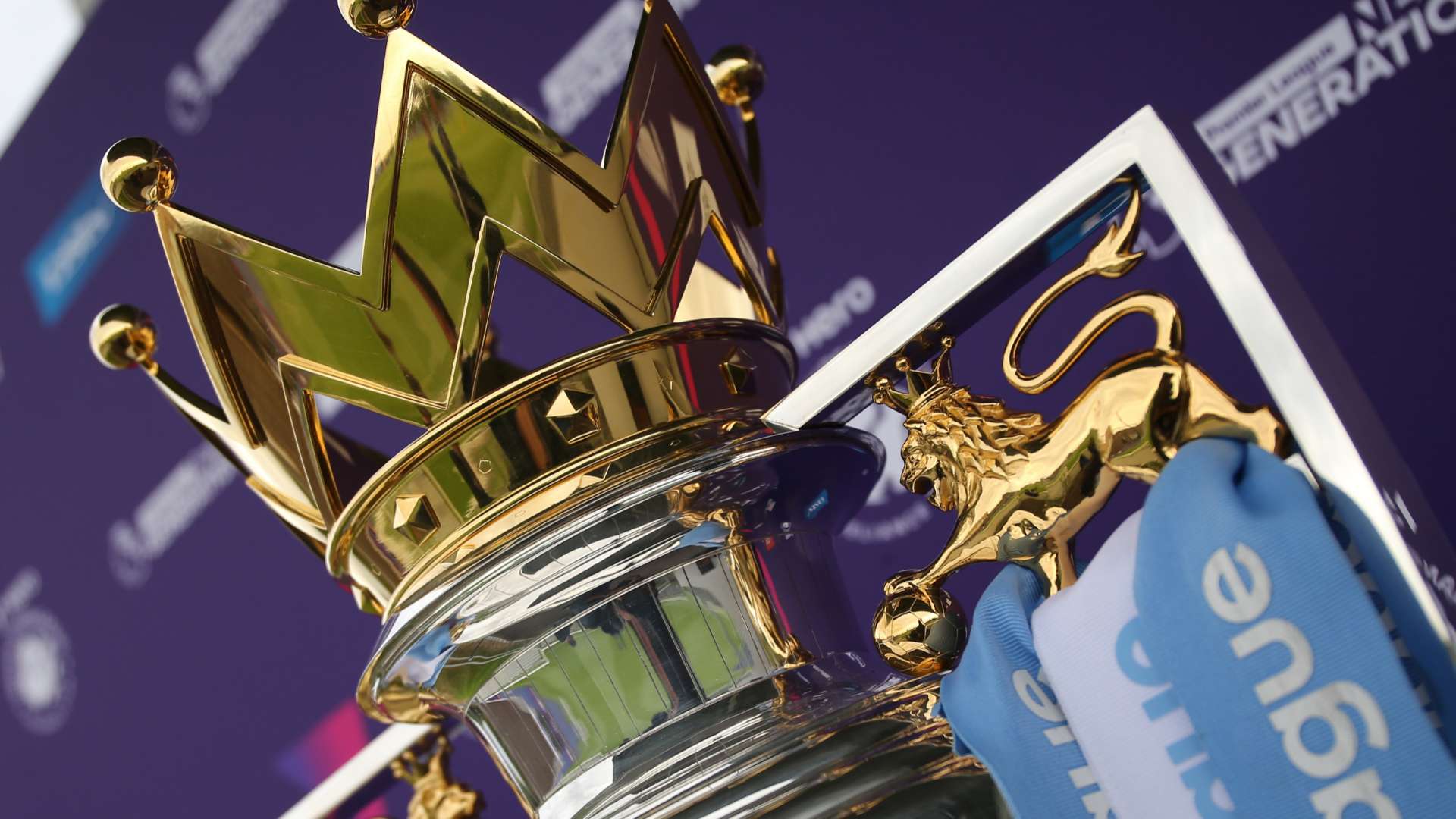
Premier League trophy generalGetty

Premier League and EFL to hold talks on finally ending 3PM television blackout as chiefs target more revenue

  • Pressure building ahead of next rights cycle

    With both leagues preparing for future domestic media rights negotiations, there is a growing consensus that selling every match may be the only realistic way to protect and increase revenues, as revealed by The Guardian. Although the Premier League and EFL are currently locked into broadcast agreements that run until the end of the 2028–29 season, planning for the next cycle has already begun. The EFL intends to take its rights back to market at the start of 2027, while the Premier League auction is expected later that year. Crucially, both competitions want clarity on whether 3PM matches can be included before those tenders begin. Without an early agreement, broadcasters would be bidding without knowing the full scope of games available, a scenario neither league wants to repeat in a market where rights inflation has slowed.

  • Advertisement
  • TOPSHOT-FBL-ENG-PR-LIVERPOOL-CRYSTAL PALACEAFP

    Record TV coverage no longer enough

    This season already represents unprecedented domestic exposure. The Premier League is showing a record 270 live matches, while the EFL has 1,059 games broadcast, primarily through Sky Sports. Despite that expansion, league executives have concluded that partial coverage is no longer sufficient. The EFL, in particular, believes it could unlock significant additional income by making all 1,891 of its fixtures available for broadcast, but only if the blackout is removed in agreement with the Premier League and the Football Association.

    Looking for smarter football bets? Get expert previews, data-driven predictions & winning insights with GOAL Tips on Telegram. Join our growing community now!

  • Declining value despite record deals

    The Premier League’s appetite for change is also driven by wider economic trends. While its current domestic deal with Sky Sports and TNT Sports is worth a headline-grabbing £6.7bn, that figure masks a quieter reality. To secure the deal, the league extended the contract by an extra year and increased the number of games sold from 215 to 270 per season. In real terms, the value of the agreement has fallen by around 23 per cent compared to the 2022-25 cycle. 

    Many Premier League clubs’ American owners have long questioned the logic of the blackout, pointing to the US model, where every game across major sports is available to viewers. From their perspective, restricting access in a digital era limits growth, particularly among younger audiences accustomed to on-demand viewing. Those voices have grown louder as revenue growth has flattened. Broadcasting every match, they argue, is no longer a luxury but a necessity.

  • ENJOYED THIS STORY?

    Add GOAL.com as a preferred source on Google to see more of our reporting

  • The legal framework behind the blackout

    The restriction is rooted in Article 48 of UEFA’s statutes, which allows live football broadcasts to be prohibited for up to two and a half hours on a Saturday or Sunday. In England, it applies when at least half of Premier League and Championship fixtures are scheduled for 3PM on a Saturday. That rule was briefly sidestepped at the start of this season, when the EFL televised all of its opening-weekend fixtures because the Premier League campaign had not yet begun, highlighting the flexibility already built into the system. 

    The Football Association, which must formally apply to UEFA for the blackout to be enforced, is not expected to stand in the way if the leagues request its removal. Last season, the FA discussed exempting the Women’s Super League from the blackout altogether, though those talks stalled after the Premier League and EFL raised legal concerns. The principle, however, has already been tested, weakening arguments that the blackout is untouchable.

  • Wolverhampton Wanderers v Manchester City - Premier LeagueGetty Images Sport

    Wider UK implications and potential backlash

    Any decision to lift the blackout would not exist in isolation. Article 48 is also enforced in Scotland, Northern Ireland and Wales, and leagues there could seek compensation if English football suddenly gains a commercial advantage.

    There are also fears about unintended consequences. If 3PM Premier League matches were broadcast across the UK, attendances, particularly in the lower leagues, could suffer, undermining the very pyramid the blackout was designed to protect. That concern has historically underpinned resistance to change, with supporters’ groups warning that easy access to televised football might discourage fans from attending matches in person.

0