grafica allegri milan 2025 26Calciomercato.com

Translated by

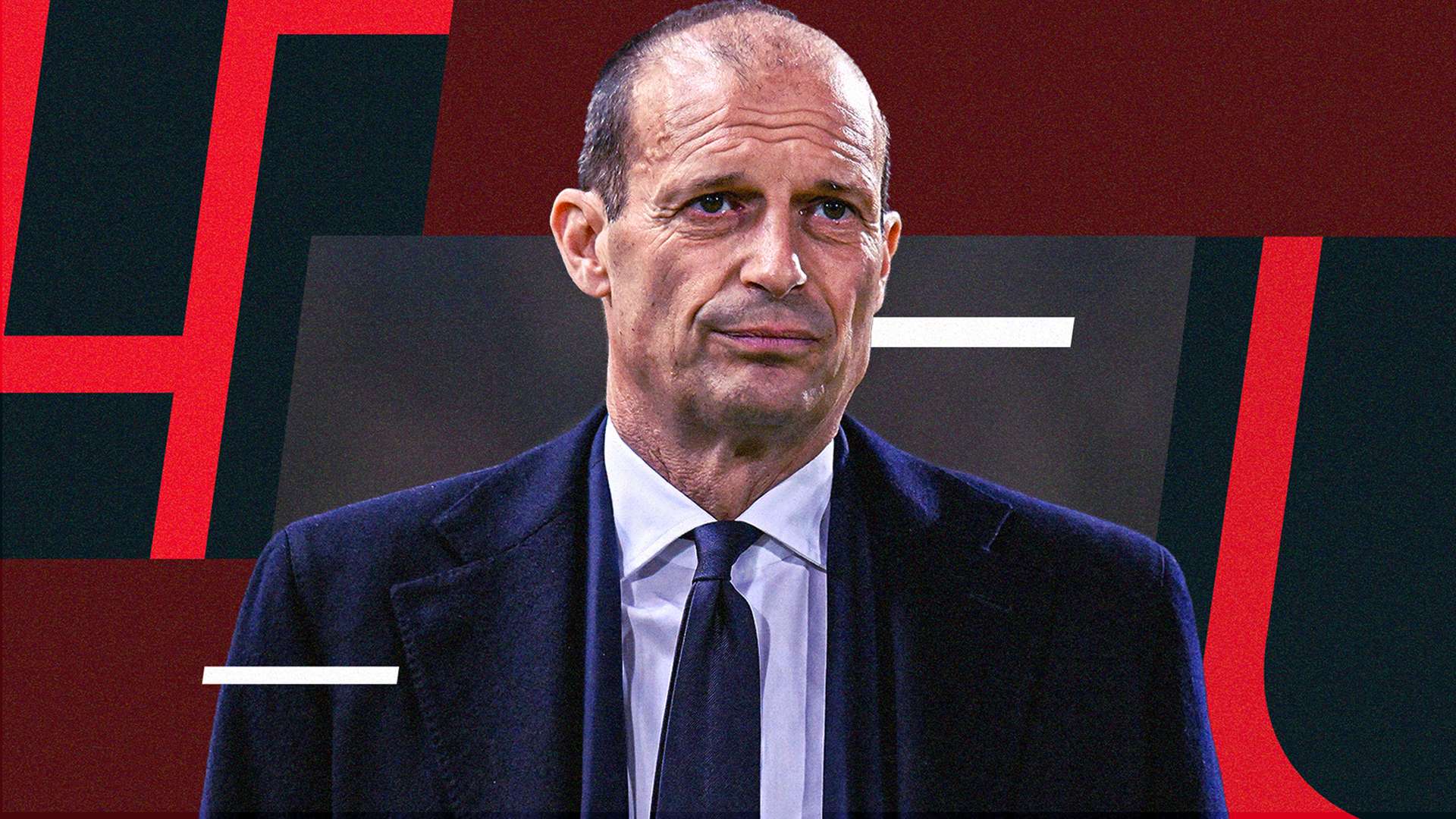
Milan, Allegri: "Modric? It’s up to him. Gimenez will be called up. Everyone in attack needs to wake up."

Just 24 hours to go until Milan v Torino, a crucial match to revive the Rossoneri’s hopes of climbing the table. Massimiliano Allegri previewed the clash against D’Aversa’s Granata at the pre-match press conference held at Milanello.


Luka Modric brought his 2018 Ballon d’Or to Casa Milan. Is this a symbol of his already strong bond with Milan?

“Luka has arrived and brought quality on a technical level, but above all on a human and professional level, especially for the younger lads. To see a player, a man – Luka is 40 years old – with such passion and love for what he does is incredible. This creates enthusiasm and brings positivity to the environment.”

  • ON THE LEAO SITUATION, THE MEDICAL UPDATE AND PULISIC

    How is Gimenez? How is Leao doing after the incident in Rome? What’s the mood like?

    “After an argument, there are always excuses. These things happen during a season where points matter a great deal. The only thing to do is stay calm; we have an important match tomorrow before the break. It’s difficult because Torino have been getting good results since D’Aversa arrived. Let’s put what happened behind us; we need to focus on tomorrow. Gimenez is fine; he’ll be in the squad tomorrow.”

    Is the Scudetto race over?

    "It’s normal that the defeat to Lazio... That’s what makes football wonderful; everyone thought Inter had dropped two points, but instead... They hold their own destiny in their hands for the Scudetto, and we do for the Champions League. We have to focus on one game at a time. Then, when the maths says Inter have won the Scudetto and Milan are in the Champions League, we won’t be able to win the Scudetto anymore and we won’t be able to qualify for the Champions League.”

  • Advertisement
  • LEAGUE TABLE, MODRIĆ AND PULISIC AGAIN

    The Leao-Pulisic partnership:

    “As for the Leao-Pulisic duo, they’ve had a season marred by injuries; one missed pre-season, the other had a good pre-season but was then out for two months. Now it’s important to perform well in the final two months. Pulisic is in good shape; physically speaking, he put in a good performance in Rome. He’s lacking precision in his shooting, but he’ll get it back. Rafa has nine goals; there are still a few games left and he could reach double figures. But now we have everyone available; to play, we need to wake up. Everyone.”

    Modric’s future:

    "The club will speak to him. It depends on him. He has a World Cup to play in... In the meantime, let’s let him play, let him enjoy himself."


    The league table:

    "We need to look ahead but also behind us. That’s what makes football wonderful: balance is key. Until you’ve achieved your goal, you must stay focused on it. We need to pick up points tomorrow to take a small step forward. Against Lazio we could have been more clinical and we paid dearly for it. Tomorrow we need to play a disciplined game, without overdoing it, and with the aim of taking home the three points."

    Pulisic’s missed passes to Leao. What’s needed to improve their understanding?

    "That whoever has the ball needs to see who’s unmarked (laughs, ed.). He didn’t give him that ball because he didn’t see him. But it’s happened other times too. In football, the difference is made by the choice in that final pass. I told Leao: ‘He didn’t see you, otherwise he’d have given it to you.’ It wasn’t that difficult."


    How did you manage to get 60 points with the difficulties in attack – namely Pulisic not scoring since 28 December and Leao with groin pain?

    Because the team worked as a unit. We’ve had injury problems in the forward line, but we’re not dwelling on the past. I’ve reviewed the match against Lazio; there were technical errors in the final 30 metres. We conceded a goal that could have been avoided, but these things happen. Tomorrow we have a tough match; we need all the lads who are fit. We hope to have Loftus-Cheek and Gabbia back, and Gimenez will improve his fitness. We need to put individual goals at the service of the team, otherwise we’ll be fighting for a Champions League spot after eight months.”

  • ON THE PRESSURE, OPEN VAR, FULLKRUG AND LEAO

    Was the team under too much pressure in Rome? Are you worried about a psychological backlash?

    “There mustn’t be a backlash, partly because we made a few mistakes that we need to try and avoid, and we need to be more clinical up front. We had some good chances, but we also conceded two or three in the same way. We’ve worked on it, and tomorrow we hope to put in a better defensive performance. In the first half we conceded nine counter-attacks, the highest number this season. But the Lazio match was a continuation of the Cremona game, which had already been a disjointed affair. The derby is different; you have a different focus. We need to return to our composure and stay organised, which is our strength."

    Should we stick with Leao and Pulisic or give Fullkrug a chance as the lone striker in the box?

    "There are plenty of solutions to consider after the match. So far, Gimenez hasn’t been available and lacks match fitness; in fact, during the break we’ll see if we can organise a game for him. If, 20 minutes from the end, you need someone with those qualities, you only have one. So you either play him from the start or at the end. Everyone is fit; we need everyone. From here to the end, having five strikers available is very important.”

    On Leao:

    "He can easily play as a centre-forward; just look at the runs he made on Sunday, against Inter and Cremona, with those deep runs. When the play opens up, he feels a bit more at ease, but when he drifts wide and doesn’t get the ball, he drops out of the game a bit..."

    They want to scrap VAR, what do you think?

    "I don’t know, they’ll decide. The fewer changes, the better. I believe the referee is there, and they’re good at their job. Let them referee. Balance must prevail in all situations. There’s a fine line between VAR intervention and the referee; it might tip the balance. When they find the right understanding between them, then the referee will be even more at ease. But the referees are good; in recent matches they’ve been doing better. Guida refereed well, he let things go, he didn’t blow the whistle for minor fouls and that’s how it should be – football is a physical game. There are lots of young referees; they need to gain experience. Older referees have more experience and control over the situation.”


  • ENJOYED THIS STORY?

    Add GOAL.com as a preferred source on Google to see more of our reporting

  • ON TARE, EUROPEAN FOOTBALL AND THE CHALLENGES FACING ITALIAN FOOTBALL

    Are you discussing the future with Tare? How important is it to keep this team together?

    “We see Tare every day, we have lunch together at Milanello, we’re on the training camp together, we talk about the team dynamics, where we can make changes to the squad. Furlani came to see us after the derby and we had lunch together. When we talk about the future – and we haven’t done so yet – we’ll do it all together.”

    On the video shown at half-time during the Champions League final between Real and Dortmund: Ancelotti trusted his senior players. In the context of Milan, does the team need such charismatic players to aim for the top?

    "That was a Real side from which Modric and Kroos have since retired. The only one left is Carvajal. We mustn’t dwell on what happened 10 years ago. Now it’s a completely different generation. In Italy, in particular, we don’t have the financial muscle to compete with other European clubs. Just look at the turnover figures. At the end of the day, the teams reaching the semi-finals are the strongest financially. When the margin for error is smaller, you need to be both skilled and lucky to build the team. If you generate a turnover of 1 billion, you can spend more money even if you make a 200 million euro mistake. AC Milan are working to become competitive and sustainable. Now the club is a business: that’s why both the sporting and commercial aspects are important. It must be a seamless process from the first team down to grassroots activities: that’s how you build a solid foundation for the club to stand on; otherwise, you’ll be all over the place. If you don’t lay these foundations, you’ll always be adrift.

    Perhaps we need to improve all the other areas that don’t just depend on the strikers?

    "We need to improve the understanding between the players. Pulisic and Leao haven’t played much together in those positions, but neither have the others. However, there have been some excellent combinations, such as Fullkrug and Pulisic in Florence. On Sunday, though, Pulisic didn’t see him – that can happen in football."

    Isn’t it a cliché that Italian teams struggle so much in Europe? Does the intensity depend on the players, the manager, the league?

    "I’m just going to say this, not explain it, because I’m not explaining anything and I don’t have all the answers. We mustn’t denigrate Italian football. We have certain characteristics; it’s part of the history of the Italian people, dating back to the Middle Ages and the defence of the fortified villages. Now everyone’s talking. The pace of the passing game is certainly different and depends on the players. Why are matches faster in Europe? Firstly, because it’s win or lose. The English league is completely different, not better or worse. When they say that in Italy the game is stagnant and there’s less space, let’s look at the positive side: it’s harder to score goals. We were born and raised this way and we’ve evolved. We mustn’t go around mimicking other countries that have a different culture. The history varies from club to club. We need to sort out the youth academies, find different approaches. But don’t just talk, we need to act! And make decisions. I’ll stop there, otherwise I’ll get into a row. I think we should be looking at the figures for all the youth academies. These figures need to be brought out into the open. We need to be concerned because so many children who play football give it up early and go off to play tennis. There’s a whole lot of work behind the scenes to produce players like Sinner. We need to be careful. Those who understand the youth sector just need to implement reforms.”