+18 | Play Responsibly | T&C's Apply | Commercial Content | Publishing Principles
Manchester United Chelsea selling players GFXGOAL

Man Utd need to learn lessons from Chelsea in the art of selling as Todd Boehly's mad transfer plan finally makes sense

"I have a house in Chelsea, I've lived in Chelsea for many years, I've had a season ticket for many years, I have a business that's based in Chelsea," Ratcliffe explained to the BBC at the time. "When I was living in London for many years, I could go and watch Chelsea. It was quite difficult to go and watch United, so I have split loyalties."

However, perhaps surprisingly for a man who built a petrochemicals empire and was at one point the richest person in Britain, Ratcliffe made a rather basic mistake: he submitted his £4.25 billion ($5.79bn) bid six weeks after the deadline set by Raine, the bank negotiating the sale.
"My message to Raine is don't discount our offer," Ratcliffe pleaded. "We are British and have great intentions for Chelsea. If I was Raine I wouldn't close any door." His message proved to be in vain, however, as INEOS later revealed that Raine dismissed the bid "out of hand" before accepting the one from the consortium led by American billionaire Todd Boehly. 

Just 18 months later, Ratcliffe completed his 27 percent stake in United and now he and Boehly are direct competitors. They have each taken their fair share of stick from their own supporters as well as the media. For Ratcliffe, the onslaught of criticism has spoiled his much-loved morning routine of reading the newspapers. 

He could take a leaf out of the book of Boehly, who recently explained how he copes with scrutiny: "The reality is that the sooner you learn you can't keep everyone happy all the time, then freedom comes from that." There is another area where Ratcliffe could learn from Boehly: the art of selling players.

  • Todd Boehly ChelseaGetty

    From ridicule to respect

    Boehly was the subject of much ridicule in his first season running Chelsea, partly for his whacky ideas such as a North vs South 'All-star' game or relegation play-offs but mostly for his approach to transfers. Appointing himself as sporting director, Boehly acted like he wanted to buy every player in the world and splashed a barely believable £747m ($1 billion) in his first 12 months. 

    He took a wild approach to appointing coaches too, firing Champions League-winning Thomas Tuchel after less than two months and then sacking his successor Graham Potter less than seven months later. He then hired Frank Lampard, who had been dismissed by Chelsea two years earlier, on the advice of comedian James Corden, with predictably terrible consequences. The club's lavish spending on players continued in his second year in charge but results continued to disappoint. 

    Chelsea's decision to get rid of Mauricio Pochettino just as things were starting to look up led to more criticism of Boehly, but events of the last year have changed how Chelsea and their owner are viewed. The Blues finished fourth in the Premier League to book their ticket back to the Champions League and in July they became world champions. 

    After destroying treble winners Paris Saint-Germain in the final in New York, coach Enzo Maresca gave a message of defiance: "They were saying that we are too young, we are not good enough. Unfortunately for them, they have been all wrong…. So, in English, how do you say? Eff-off to all of them."

  • Advertisement
  • Manchester United v Brentford FC - Premier LeagueGetty Images Sport

    Showing United how it's done

    Boehly would have been entitled to agree with his coach and now the venture capitalist's grand transfer plan is starting to make sense. Chelsea spent £285m ($388m) this summer, a figure only topped by Liverpool. But the outlay to sign 10 new players for Maresca was handsomely offset by sales of £288m ($392m) while getting rid of 15 players. 

    It meant they had the sixth-lowest net spend in the league. Contrast that with Ratcliffe's United, who spent £216m ($294m) on five new players and received £68m ($92m). Their net spend came in at £148m ($201m), the third highest in the league behind Arsenal and Liverpool. But the squad Ruben Amorim has been left with looks ill-equipped, lacking at least one if not two capable midfielders and a proven goalkeeper. 

    Of particular concern was United's inability to shift players as the clock ticked towards transfer deadline day. They could only find loan deals for Andre Onana, Rasmus Hojlund and Jadon Sancho - who had cost a combined £195m ($265m) - and Marcus Rashford, who just two years previously had scored 30 goals in a season and signed one of the most lucrative contracts in the club's history.

    United sold just two of the so-called bomb squad players that everyone knew they were looking to shift. Antony went to Real Betis for £21m ($28.5m), a quarter of the price United paid to get him from Ajax in 2022.

  • Christopher NkunkuGetty

    The Nkunku paradox

    United were at least glad when they convinced Chelsea to pay £40m ($54m) for Alejandro Garnacho, who became the club's fourth biggest sale ever. But the club had entered the window hoping to get £60m ($82m) for the Argentina international, eventually dropping their asking price by a third for a player who had scored 26 goals and made 22 assists and who only turned 21 in July.

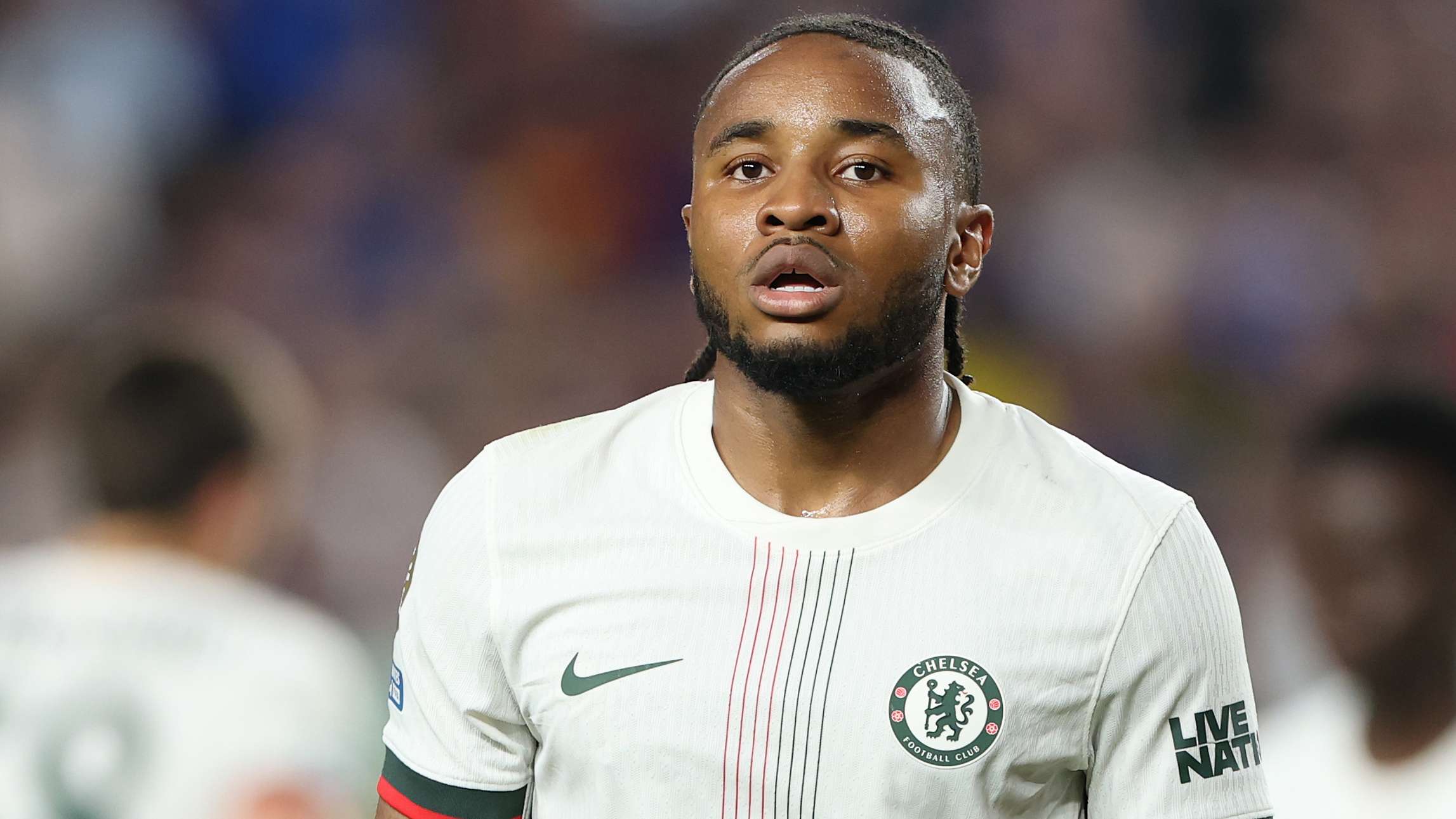
    The two club's differing aptitudes in the selling market can be seen in the deals for Rasmus Hojlund and Christopher Nkunku. The French forward's career with Chelsea was hugely disappointing and had gotten off to a nightmare start, injuring his knee in a pre-season friendly just weeks after completing a £52m ($71m) move from RB Leipzig. 

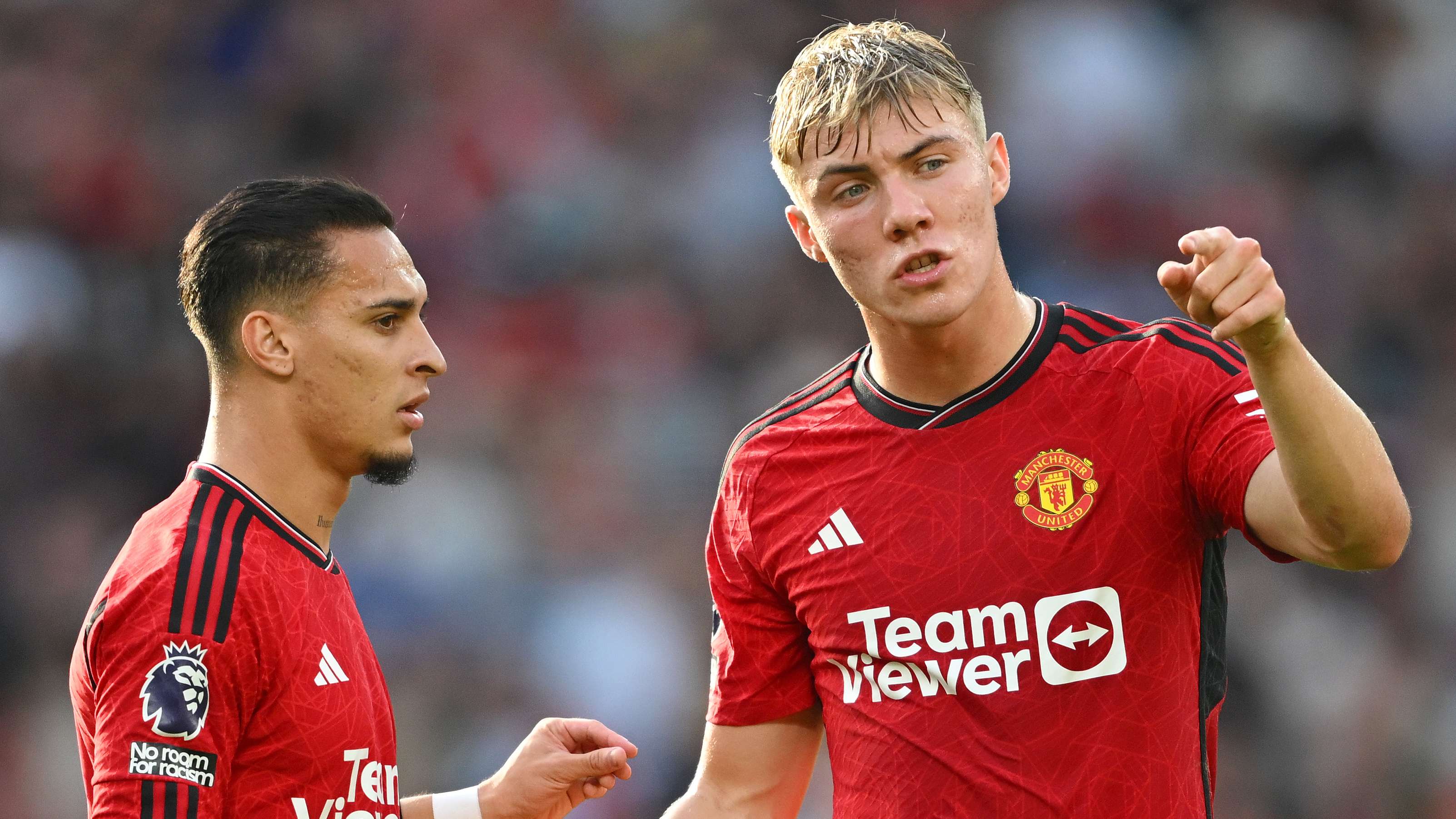
    He made only 11 league starts in two years, scoring six goals. But Chelsea still managed to negotiate his departure for AC Milan in a deal worth £34m ($46m). Hojlund, a £72m ($98m) signing in the same summer, started 48 games and scored 14 goals. And yet there were no takers for the Dane, who joined Napoli on loan on deadline day in a deal that could see him move to the Serie A club permanently next summer for £36m ($49m). Hojlund is five years younger than Nkunku.

  • Nicolas JacksonGetty Images

    Turning a tidy profit

    Chelsea also pulled off something of a coup by agreeing a £70m ($95m) package with Bayern Munich for Nicolas Jackson, who they had been trying to sell all summer. And yet arguably the Blues' most impressive business relates to players who barely played for them, if at all. 

    The Blues sold Renato Veiga to Villarreal for £26m ($35m) despite the Portuguese making only seven league appearances for Chelsea following his £12m ($16m) move the previous year from Augsburg, only one of which was a start. But a half-season on loan at Juventus was enough for his market value to more than double. 

    Ian Maatsen made only 12 league appearances for Chelsea despite joining the club in 2018 when he was 16. He had three loan spells, none of which were in the top flight, before making his way into the first team under Mauricio Pochettino in 2023 before being sent out on loan to Borussia Dortmund. Six months later, he was on his way to Aston Villa for £37.5m ($51m). Despite his fleeting career at Stamford Bridge, Maatsen is Chelsea's 10th most expensive sale of all time.

  • Mason Mount Man UtdGetty

    The Mount masterstroke

    Chelsea also played a masterstroke when they sold Mason Mount to United in 2023. The midfielder had one year left of his contract and had missed 14 league matches of his last season. And yet United paid £55m ($75m) plus a potential extra £5m ($6.8m) in add-ons. Mount has started only 16 league games for United to a miserable run of injuries which has reared itself again, derailing a promising start to this campaign. 

    Mount is Chelsea's third most expensive sale and he is not the only one to be haunted by endless injuries since leaving Stamford Bridge for big money. Their most valuable export Eden Hazard's career rapidly declined after leaving Chelsea for Real Madrid in 2019 for £130m ($177m). So too did Diego Costa (fourth on the list) after returning to Atletico Madrid for £57m ($77m). 

    Kai Havertz has been plagued by injuries in the last nine months with Arsenal and Chelsea must be the happier party after receiving £65m ($88m) for the German, only £5m less than they had paid for him three years before. "What Chelsea don't get credit for is their ability to sell players and a lot of those players tend to be academy players so they're pure profit," football finance expert Kieran Maguire told Sky Sports last month. "We've seen Mason Mount, Conor Gallagher, Tomori, Billy Gilmour leave Chelsea and generate all these profits."

  • joao felix kooora

    Bailed out by Saudi

    Highly respected finance blogger Swiss Ramble described them as the best team at trading players in the Premier League. It's not just pundits that are tipping their hat to Boehly. "A lot of people in England were making fun of Chelsea earlier in the season for investing so much money and bringing in all these players that weren’t in the squad," Liverpool manager Arne Slot said. "But in my opinion they have done really well in the last two or three years bringing so many talented players in."

    Of course, Boehly has made some blunders, none bigger than Mykhailo Mudryk who cost a potential £88.5m ($120m) but has made just 26 Premier League starts, contributing five goals and has not played since November 2024 after failing a drugs' test. He could yet be banned for four years.

    Signing 31-year-old Kalidou Koulibaly for £33m ($45m) in Boehly's first summer also proved to be a big mistake. And yet Chelsea still managed to salvage some money from that ill-advised transfer by selling the defender to Al-Hilal in the Saudi Pro League for £20m ($27m). Chelsea have used the nouveau riche football clubs of the gulf state to their advantage, banking almost £100m ($136m) by parting with the likes of Joao Felix, Edouard Mendy and Angel Gabriel (who never played for the club).

    United, however, have not managed to do a deal with Saudi clubs since Alex Telles moved to Al-Hilal for £6m ($8m) in 2023. Bruno Fernandes turned down a potential £80m ($109m) offer from Al-Hilal, revealing that Amorim had pleaded with him not to go. While Fernandes is United's best player of the last five years, many felt it was an offer that was too good to refuse.

  • Amorim & Garnachogetty

    Stripping value

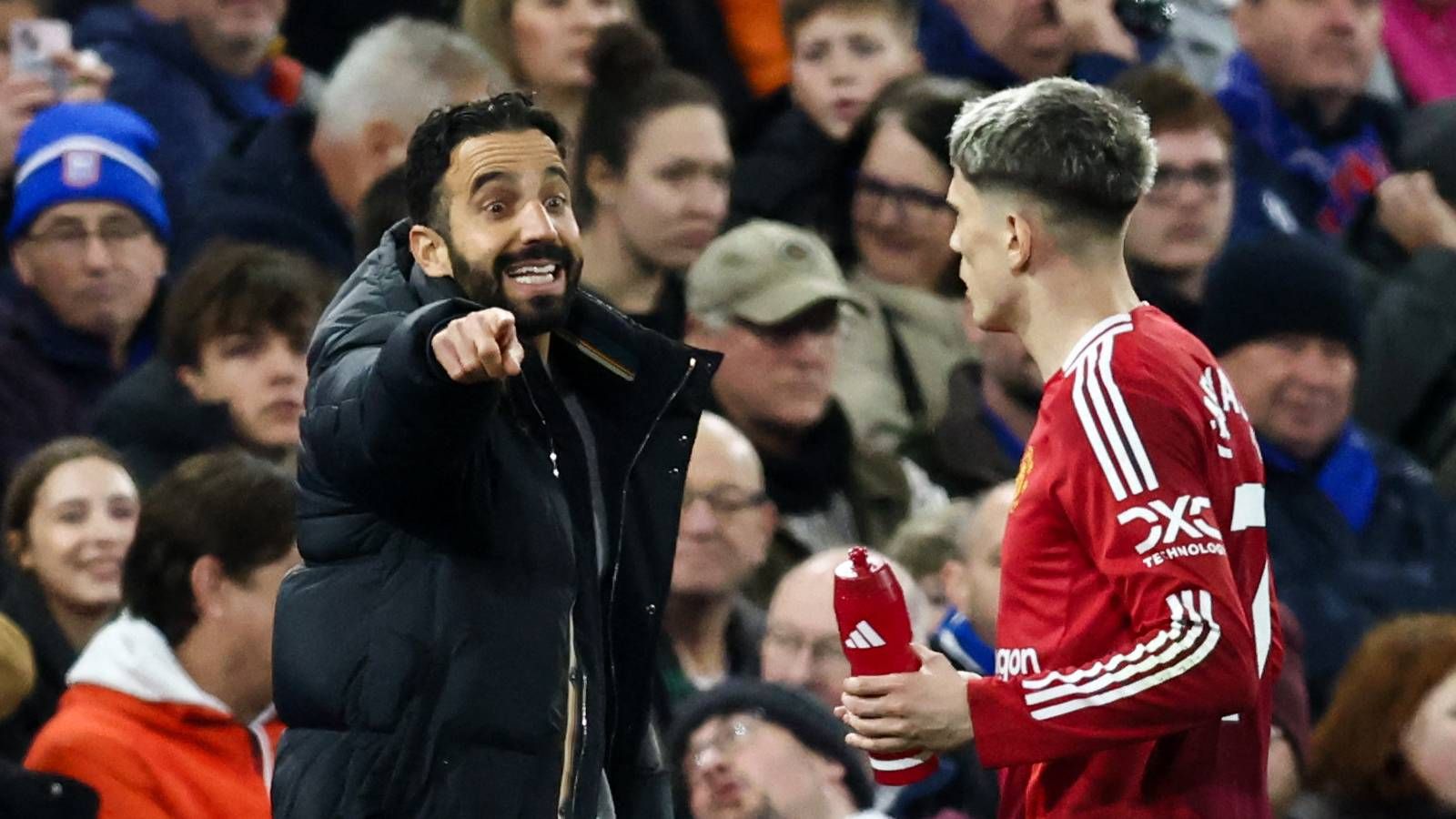
    It is not the only instance of Amorim talking United out of a good deal. He cast Rashford out from his squad for nearly two months and his less than flattering words about the striker, declaring that he would rather play his goalkeeping coach Jorge Vital than the England international, further lowered his market value, meaning that the only way for United to part ways with him was via a loan, as was the case again this summer. 

    He also reduced Antony's market value when he declared the Brazilian winger lacked the physical quality to succeed in the Premier League. And he must take some blame for the lower price Chelsea ended up paying for Garnacho, who he told in front of the whole squad that he would be leaving due to his comments after the Europa League final, reportedly telling the winger he "better pray" that another club would sign him.

    United, though, are the ones left praying for their own financial health. The club celebrated record revenues this week despite their worst season on the pitch in 51 years. But despite an uptick in matchday and commercial income and reduced costs, United still made a loss for a sixth consecutive year and are relying on credit facilities to finance their transfers. 

    The Red Devils will only get back towards long-term financial stability by building a winning team and the early evidence is that their summer transfer activity is not going to be enough to turn their fortunes around. They will need plenty more windows to reshape their squad. And a good starting point would be to learn how to sell like Chelsea.